







Introduction to Windows Recovery Disk Creation
Understanding What a Windows Recovery Disk Is
A windows 10 recovery disk is a bootable media device, typically a USB drive or DVD, that contains troubleshooting tools designed to repair or reinstall Windows when the system cannot start normally. Creating this disk in advance allows users to restore their system environment, access advanced troubleshooting tools, and recover their operating system after critical failures.
A windows recovery disk may include system recovery utilities, startup repair tools, and reset options that help diagnose system errors. These tools can repair corrupted system files, rebuild boot configuration data, and restore system images. In situations where Windows becomes unbootable due to malware, disk corruption, or hardware failure, having a prepared recovery disk windows 10 can significantly reduce downtime.
Although the feature is commonly associated with Windows 10, similar tools exist for other operating systems. For example, windows 7 recovery disk and system recovery windows 7 disk provide comparable recovery environments for older systems. Meanwhile, newer systems may rely on a windows 11 recovery disk to access modern recovery tools.
Many users create a windows recovery media disk immediately after installing the operating system. This ensures the recovery tools match the installed version, whether it is windows 10 home recovery disk or windows 10 pro recovery disk.
⚠️ Warning: Creating a recovery disk will erase all files on the selected USB drive. Always back up important data before proceeding.
Why Creating a Windows Recovery Disk Is Important
Common Situations That Require a Recovery Disk
A windows ten recovery disk becomes extremely useful when a system fails to boot due to software corruption, disk errors, or unexpected updates. Without recovery media, accessing advanced troubleshooting tools may become difficult or impossible.
One common scenario occurs when the boot configuration becomes damaged. This prevents the operating system from loading correctly. In such cases, a recovery disk windows can start the computer and provide access to repair utilities like Startup Repair and Command Prompt.
Another common issue involves system file corruption. Malware attacks, power interruptions, or incomplete updates may damage critical system components. With a prepared windows 10 recovery disk, users can run system recovery tools to repair these components.
The disk also allows users to reset Windows without completely reinstalling the operating system from scratch. When troubleshooting persistent issues, this option can restore system functionality while preserving some user data.
For organizations maintaining multiple computers, recovery media is especially valuable. Administrators can use installation media or system recovery tools to repair machines quickly without manual troubleshooting.
Older systems benefit as well. Users running windows 7 professional recovery disk environments can still access system repair features even when Windows fails to load.
⚠️ Warning: A recovery disk should ideally be created before system failure occurs, not after. Creating one during a system crash is often impossible.
Preparation Before Creating a Recovery Disk
Hardware and System Requirements
Before creating a windows recovery disk, users must prepare several essential components to ensure the process completes successfully.
First, a functioning computer is required. If the original computer cannot boot, another computer running a compatible Windows version can often be used to create recovery media.
Second, a USB flash drive or blank DVD is necessary. For most systems, a USB drive with at least 16GB of storage is recommended. Larger drives provide additional space for system files when creating a windows recovery media disk that includes the operating system installation files.
Third, the USB device should be formatted and free of important data. During the creation process, Windows will format the drive automatically and copy recovery files to it.
In addition, the computer must have administrative privileges enabled. Without these permissions, the operating system cannot access the tools required to generate recovery media.
It is also helpful to confirm which version of Windows is installed. A windows 10 home recovery disk may contain slightly different system files compared to a windows 10 pro recovery disk, so creating the disk directly from the installed system is usually recommended.
Users working with legacy systems such as system recovery windows 7 disk may require a DVD instead of USB media because older BIOS environments sometimes lack USB boot support.
⚠️ Warning: Interrupting the recovery disk creation process may result in unusable recovery media.
Solutions: How to Create a Windows Recovery Disk
Method 1: Create a Windows 10 Recovery Disk Using the Built-in Recovery Drive Tool
The easiest way to create a windows 10 recovery disk is by using the built-in Recovery Drive feature included with the operating system. This utility copies recovery tools and system files to a bootable USB drive.
Test Environment
Operating System: Windows 10 Pro (22H2)
Storage Device: 32GB USB 3.0 flash drive
Computer: Intel Core i5 PC with 16GB RAM
Steps
- Connect a USB flash drive to the computer.
- Open the Windows search bar and type Recovery Drive.
- Select Create a recovery drive from the search results.
- In the recovery wizard window, enable the option Back up system files to the recovery drive.
- Click Next to continue.
- Choose the connected USB drive from the list of available devices.
- Click Next and then select Create to begin copying system files.
The system will now prepare the recovery disk windows 10 by transferring recovery utilities and system repair tools to the USB drive. Depending on the speed of the device, this process may take 10 to 30 minutes.
Once the process finishes, the USB drive becomes a fully functional windows recovery disk that can boot the computer and open troubleshooting tools.
This recovery media works best on the original computer where it was created because it contains system-specific recovery files.
⚠️ Warning: All existing files on the USB drive will be permanently deleted during this process.
Method 2: Create Windows Installation Media for Recovery
Another reliable approach to creating a recovery disk windows is by using Windows installation media. Unlike a traditional recovery drive, this type of media works across multiple computers and allows complete operating system reinstallation.
Test Environment
Operating System: Windows 10 Home (21H2)
Tool Used: Microsoft Media Creation Tool
Storage Device: 16GB USB flash drive
Steps
- Visit the official Microsoft website and download the Media Creation Tool.
- Run the downloaded executable file with administrator privileges.
- Accept the license terms when prompted.
- Select Create installation media for another PC and continue.
- Choose the desired language, Windows edition, and architecture (32-bit or 64-bit).
- Select USB flash drive as the destination for installation files.
- Choose the connected USB device and start the creation process.
The tool will download Windows installation files and convert the USB drive into a bootable windows recovery media disk.
Once completed, the USB drive can be used to repair, reinstall, or troubleshoot Windows systems that fail to start. Unlike a standard recovery drive tied to one system, installation media works across different computers.
This type of media is also compatible with several operating systems, including Windows 10 and windows 11 recovery disk environments.
⚠️ Warning: Ensure that the selected USB drive is correct before starting. Choosing the wrong drive may result in accidental data loss.
Method 3: Boot the Computer Using a Recovery Disk
After creating a windows 10 recovery disk, users must know how to boot their computer from it. This allows access to recovery tools when Windows fails to start.
Test Environment
Operating System: Windows 10 Pro
Computer Firmware: UEFI BIOS
Recovery Media: Bootable USB recovery drive
Steps
- Insert the windows recovery disk into the computer.
- Restart the system.
- Immediately press the BIOS access key such as F2, F12, Esc, or Del depending on the computer manufacturer.
- Enter the Boot menu or Boot priority settings.
- Move the USB drive to the first position in the boot order.
- Save the changes and restart the computer.
The computer will now start from the windows ten recovery disk instead of the internal hard drive.
Once the recovery environment loads, users can access several troubleshooting tools, including:
- Startup Repair
- System Restore
- Command Prompt
- Reset this PC
- System Image Recovery
These utilities help repair boot problems, restore previous system states, or reinstall Windows if necessary.
⚠️ Warning: Incorrect BIOS configuration may prevent the system from booting properly. Only change boot order settings when necessary.
Method 4: Recover Important Files Before System Repair Using Pandaoffice Drecov
Sometimes a computer fails to start and users consider using a windows 10 recovery disk to repair or reinstall the operating system. However, system recovery procedures may overwrite existing data on the system drive. In these situations, recovering important files before performing system repair is strongly recommended.
This is where Pandaoffice Drecov can be useful. The software is designed to retrieve lost or inaccessible files from storage devices that have been affected by system crashes, accidental deletion, or disk corruption. When a computer cannot boot normally, users can connect the storage device to another working system and attempt file recovery.
Test Environment
Operating System: Windows 11 Pro
Storage Device: 1TB NVMe SSD removed from a damaged computer
Recovery Tool: Pandaoffice Drecov (latest version)
Computer: Intel Core i7 workstation with 32GB RAM
Steps
- Remove the affected drive from the non-bootable computer.
- Connect the drive to another working PC using a SATA-to-USB adapter or external enclosure.
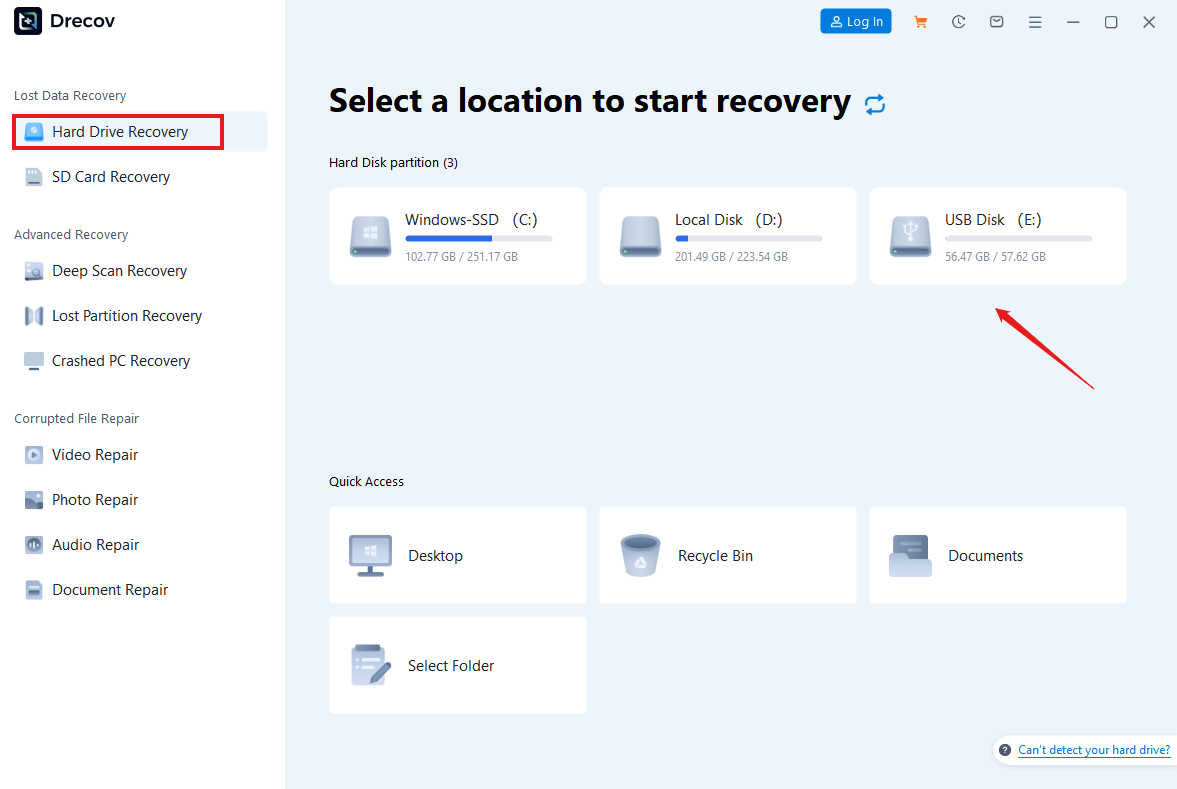
- Install and launch Pandaoffice Drecov on the working computer.
- Select the connected drive containing the damaged Windows installation.
- Start a full scan to locate lost or inaccessible files.
- Preview the recovered files and select the data that needs to be restored.
- Save the recovered files to a different storage device.


Why Choose Pandaoffice Drecov?
When it comes to recovering lost or deleted files, reliability, speed, and ease of use are paramount. Pandaoffice Drecov stands out as a comprehensive solution for individuals and businesses alike, offering a seamless experience for data recovery. Whether you’ve accidentally formatted a USB drive or lost crucial documents, this software ensures your files are back in your hands quickly and safely.
With Formatted USB Drive Recovery, Drecov effortlessly restores files from drives that have been reformatted, protecting important data from permanent loss. Its advanced scanning engine also excels at Word Document Recovery, retrieving unsaved or deleted documents without compromising formatting or content. For office users, Deleted PowerPoint Recovery and Excel Recovery Files are equally straightforward, letting you recover presentations and spreadsheets critical for work or study.
Beyond individual file types, Drecov covers broader recovery needs. Its Recycle Bin Recovery Software feature allows you to restore files emptied from the Recycle Bin, ensuring that even accidental deletions don’t result in permanent loss. The software’s intuitive interface guides users through each step, making complex recovery processes simple, even for those with minimal technical experience.
Security is another cornerstone of Pandaoffice Drecov. All recovery processes are read-only, meaning your original data remains untouched while the software works to restore files. The high success rate and compatibility with multiple storage devices—from USB drives to external hard drives—make Drecov a versatile tool for any data recovery scenario.
Compared with command-line solutions, graphical windows recovery file utilities reduce the risk of errors and make recovery accessible for beginners.
⚠️ Warning: Never save recovered files back to the same damaged drive, as this could overwrite recoverable data.
Understanding the Difference Between Recovery Disk and Installation Media
Recovery Disk vs System Installation Disk
Many users confuse a windows recovery disk with a Windows installation disk, but they serve slightly different purposes. Understanding these differences helps determine which tool should be created and used during troubleshooting.
A recovery disk windows is typically generated from the operating system already installed on a computer. It includes system repair tools and recovery utilities designed specifically for that device. These tools allow users to access troubleshooting features such as Startup Repair, System Restore, and advanced command utilities. The disk focuses on repairing the existing system rather than reinstalling Windows.
In contrast, installation media is designed to install a fresh copy of Windows. This method is commonly used when repairing the system is not possible. For example, if the system partition becomes severely corrupted, reinstalling Windows using installation media may be the most reliable solution.
Installation media can also support multiple Windows versions, including windows 11 recovery disk environments and different Windows editions.
Older operating systems operate similarly. A windows 7 recovery disk or windows 7 professional recovery disk provides repair utilities for legacy systems, while installation media installs the operating system again.
Another key difference is portability. A recovery disk usually works best with the computer where it was created, while installation media can be used across multiple machines.
⚠️ Warning: Reinstalling Windows using installation media may remove installed programs and system settings.
Common Troubleshooting Options Available in a Windows Recovery Environment
Tools Accessible Through the Recovery Disk
Once a system boots from a windows 10 recovery disk, the Windows Recovery Environment provides several advanced troubleshooting utilities. These tools are designed to repair operating system errors without requiring complete reinstallation.
One of the most commonly used utilities is Startup Repair. This feature automatically scans the system for boot configuration issues and attempts to repair damaged files that prevent Windows from loading properly.
Another useful option is System Restore. This tool allows the operating system to revert to a previously saved restore point. If a driver update or software installation caused system instability, restoring an earlier configuration may resolve the issue.
The recovery environment also includes Command Prompt, which gives advanced users access to command-line tools for repairing the system manually. For example, commands like bootrec and sfc /scannow can repair boot records or corrupted system files.
A full system reset option is also available. This feature reinstalls Windows while allowing users to choose whether personal files should be preserved.
These tools are included in many recovery environments, including windows recovery media disk, windows ten recovery disk, and even older systems such as system recovery windows 7 disk environments.
⚠️ Warning: Running certain repair commands incorrectly may cause additional system issues. Always verify commands before executing them.
FAQ About Windows Recovery Disks
Can I Use One Recovery Disk for Multiple Computers?
In most cases, a windows recovery disk works best with the computer on which it was created. This is because the recovery tools are configured based on that system’s hardware and operating system version. However, installation media created using Microsoft’s tool can usually be used on multiple devices.
Is a Windows 10 Home Recovery Disk Different From a Pro Version?
Yes. A windows 10 home recovery disk and windows 10 pro recovery disk may contain slightly different system files depending on the installed edition. While both provide similar recovery tools, it is recommended to create the disk from the same edition installed on the system.
Can I Still Create a Recovery Disk After the System Fails?
If Windows cannot start, creating a recovery disk windows 10 directly from that computer may not be possible. In such cases, users can create recovery media using another working computer and then use it to troubleshoot the affected system.
Is a Windows 7 Recovery Disk Still Useful?
Yes. Many legacy computers still rely on windows 7 recovery disk or windows 7 professional recovery disk environments for troubleshooting older systems. These tools can still repair boot errors and restore previous system states.
Conclusion: Why Creating a Recovery Disk Is Essential
A windows 10 recovery disk is one of the most important preventive tools for maintaining system stability and protecting against unexpected system failures. By preparing recovery media in advance, users gain access to powerful troubleshooting utilities that can repair boot issues, restore system configurations, and even reinstall the operating system if necessary.
Whether you are using windows 10 home recovery disk, windows 10 pro recovery disk, or newer tools like a windows 11 recovery disk, having recovery media ready can significantly reduce downtime when system errors occur.
The recovery environment includes several useful utilities such as Startup Repair, System Restore, and command-line troubleshooting tools. These features allow users to repair operating system problems without immediately resorting to a full system reinstall.
For users dealing with severe system failures, protecting important files should always be the first priority. Data recovery tools like Pandaoffice Drecov can help retrieve important documents before performing major system repair operations.
Older systems can benefit from similar tools as well. Even a system recovery windows 7 disk or windows 7 recovery disk can still provide essential troubleshooting features for legacy machines.
Ultimately, creating a windows recovery media disk is a simple but powerful step toward safeguarding your computer system. Preparing one today ensures that you will always have a reliable recovery solution available when unexpected system problems arise.





