







Losing important conversations can disrupt your personal and professional life in an instant. Whether you accidentally cleared a critical verification code, deleted a business chat, or lost a sentimental thread, sudden data loss causes immediate panic. You find yourself asking: how do i find recently deleted text messages? Fortunately, digital text communications rarely disappear from your hardware instantly. Most mobile and desktop operating systems build structural safety buffers into their messaging frameworks. These internal tools hold your deleted data temporarily, offering an excellent path to full data recovery.
This in-depth, highly technical guide will show you precisely how do i find recently deleted text messages across all major platforms. We will cover built-in smartphone trash bins, professional forensic tools, and advanced database backup extraction. By following these structured protocols, you can bypass standard system errors and safely reclaim your missing text records.
Understanding the Technical Architecture of Mobile Message Deletion
When you tap delete on a chat thread, your phone does not run an instant erasure script across its storage chips. Instead, it alters a tiny piece of system index data.
The Technical Logic of Database Flags
Mobile operating systems use relational SQLite databases to index, arrange, and manage your SMS and MMS histories. When you delete a message, the app simply updates a boolean visibility status flag inside the database file. The system changes the record status from “visible” to “deleted.”
The raw text characters and associated contact headers remain on your internal memory chips. They stay tucked away inside unallocated storage sectors until your device requires that specific space to write new data.
However, users frequently confuse localized message deletion with broader device or software errors. For instance, you might discover that your native messaging app completely vanishes after a problematic operating system update. If you encounter a missing system utility or tool, knowing how to verify your installed applications helps ensure your primary data storage blocks remain safe. When communication programs fail, the deep database files usually stay perfectly intact inside protected system roots.
Why Immediate Isolation Matters for SMS Data
You must move quickly to protect hidden database rows. Every action you perform on your smartphone creates background read-write activity. Downloading files, streaming media, and taking photos write new blocks to your storage chips.
Consequently, these actions can permanently overwrite the unallocated spaces holding your deleted text fragments. Because a standard text message consumes a very small amount of data, a minor system update can easily destroy it. To maximize your chances, minimize phone activity and follow the precise extraction methods outlined below.
Finding Deleted Messages Using Native Operating System Tools
The fastest approach to resolve your question on how do i find recently deleted text messages is to deploy built-in system tools. Modern iOS and Android environments include localized trash bins designed to rescue accidentally deleted text streams.
Recovering Conversations via iOS Recently Deleted Folder
Apple iPhones running modern iOS versions store deleted text conversations inside an isolated holding bin directly within the native Messages app.
- Step 1: Open the native Messages application on your iPhone.
- Step 2: Tap the Filters button located in the top-left corner of your conversation dashboard.
- Step 3: Navigate down the menu list and tap the Recently Deleted directory.
- Step 4: Browse the listed conversation threads. Select the individual chats you want to reclaim by tapping the check marks next to them.
- Step 5: Tap the Recover button in the bottom-right corner of the screen, then confirm the action.
Note: Apple maintains items inside this specific structural holding zone for a fixed period of up to 30 days. As soon as that retention window closes, automated background cleanups run, purging the database pointers.
Retrieving SMS History from Samsung and Android Trash Bins
Modern Android skins, such as Samsung One UI, include an independent trash management utility for their native SMS applications.
- Step 1: Launch the default Messages app on your Android handset.
- Step 2: Tap the three-dot options icon or the hamburger menu line located next to the search window.
- Step 3: Select the Trash or Bin icon from the available contextual menu list.
- Step 4: Long-press the specific text thread or media message you need to restore.
- Step 5: Tap Restore at the bottom of the screen to push the thread back to your primary inbox view.
If a corrupted firmware deployment breaks your system applications or damages your core storage mappings during this process, do not despair. You can discover comprehensive data salvage paths by reading this breakdown on how to fix Windows 11 update crashing and recover lost data. It provides foundational insights into navigating severe operating system data loss scenarios.
Deep Scanning Local Database Buffers via Professional Recovery Utilities
What happens if you cleared your phone’s trash folder? What if the standard 30-day safety window elapsed completely? Native configuration buttons will no longer show you how do i find recently deleted text messages. When local logical indexes lose track of database pointers, you must utilize sector-level scrapers to isolate raw text signatures.
Extracting Storage Clusters with PandaOffice Drecov Data Recovery Software
When standard mobile interface folders come up empty, PandaOffice Drecov data recovery software offers an exceptionally precise backup and recovery strategy. This professional-grade storage utility goes far beyond simple directory navigation. It allows you to examine and manage local machine data backups, device mirrors, and drive partitions. It does this by executing a deep hexadecimal sweep of your storage clusters. It looks for specific file signatures and structural remnants left behind by common database frameworks.
Furthermore, this tool handles highly complex data management scenarios. If you back up your mobile phone to a personal computer or sync it to a laptop partition, this software can scan those storage blocks to find old, hidden database mirrors. If you accidentally delete an entire data volume while trying to clean up your computer profiles, specialized recovery software can step in. It reconstructs the missing file system boundaries immediately.
⚠ Warning: Install it on a drive different from the one where your data was lost to prevent overwriting.
To learn more about tracking down app structures, you can read this guide detailing where are firefox bookmarks stored on your pc. It helps you master the rules that govern local database storage paths.
Step-by-Step Recovery Using Drecov
- Step 1: Connect your secondary external backup drive or mount the system partition where you store your smartphone data logs. Open the application dashboard and choose the specific drive volume that hosts your localized phone backup mirrors.
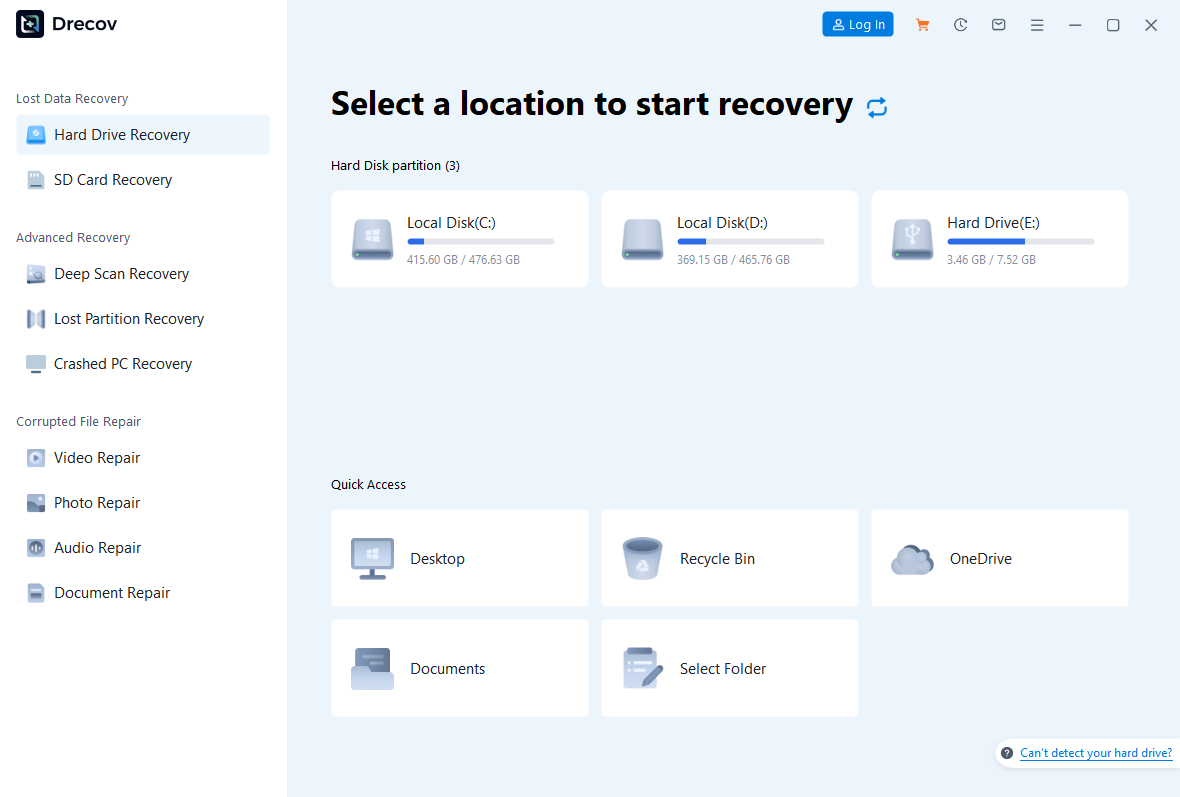
- Step 2: Click the Scan action button to prompt a dual-phase analysis cycle, which executes an instant Quick Scan followed by an intensive Deep Scan.
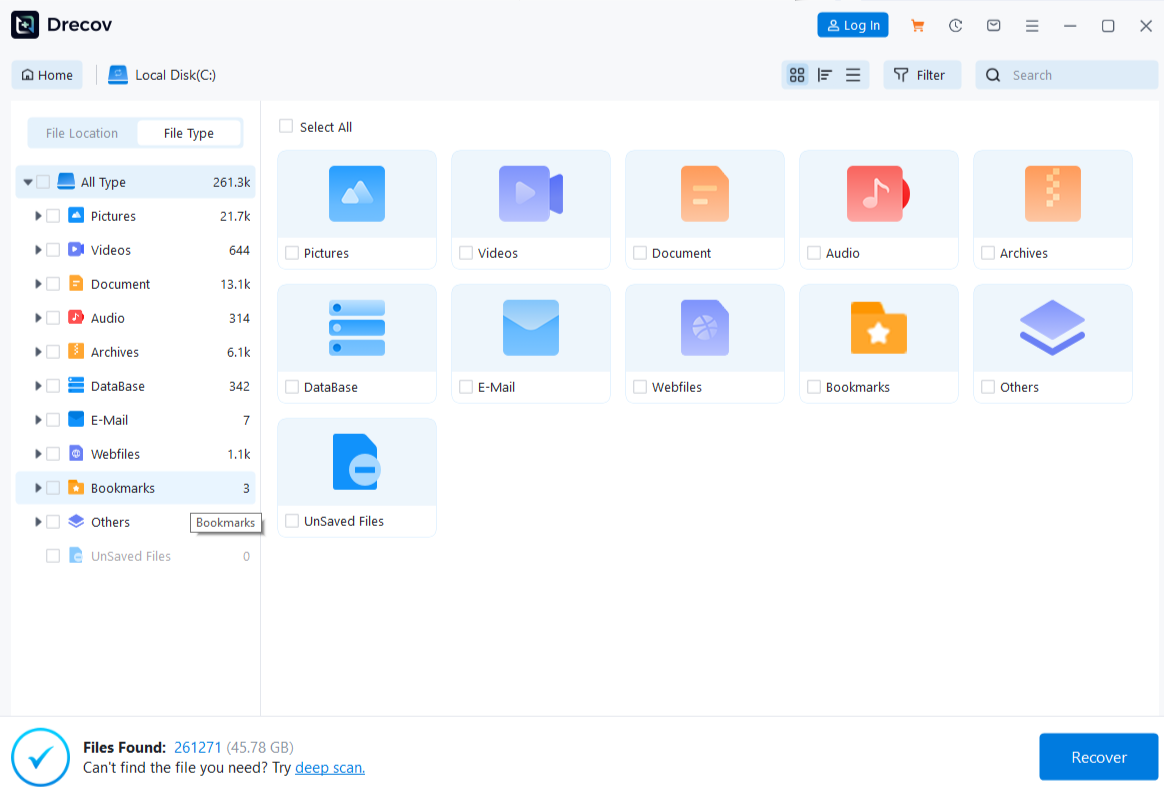
- Step 3: Go to the left file category tree, select documents, or filter directly for database extensions like .db, .sqlite, or .xml.
- Step 4: Click individual file entries to look inside the text preview window. This allows you to verify the presence of your unindexed conversation blocks before outputting them.
- Step 5: Select your target database files, hit Recover, and choose a separate external storage drive to store your retrieved files safely.
[Warning] Never install recovery programs or save recovered database packages onto the exact same drive volume you are actively scanning. Doing so triggers immediate disk-write actions, which can overwrite your unindexed text strings before the software can read them.
When performing any type of advanced file extraction, close all background applications and communication tools on your machine. This stops active background logging tasks from writing new blocks over the data you want to save.
Extracting Text Messages Using Advanced Backup Cloud Mirrors
If you cannot find your messages through native device folders, you can use cloud storage mirrors and administrative control terminals. These advanced techniques pull historical communication strings out of remote server repositories.
Restoring Android SMS Logs via Google Cloud Sync
Google Drive automatically backs up crucial system logs and text strings on Android devices. If your phone synced right before you deleted a chat, you can restore that historical snapshot.
- Step 1: Grab your Android device and swipe down to open the notification drawer. Tap the gear-shaped Settings icon.
- Step 2: Scroll down through the options menu and select Google, then tap the Backup selection item.
- Step 3: Check the backup timestamp listed under Active Backups to confirm the presence of a save state created before the messages were deleted.
- Step 4: If a valid backup exists, perform a device reset via Settings > System > Reset Options > Erase all data.
- Step 5: Power on your device, log in with your primary Google credentials, and select Restore from Cloud Backup when prompted during the initial setup sequence.
If you ever need to restore other crucial account assets, such as address books or cloud links, during this phase, you can learn more by checking out this guide on how do you restore contacts from Google. It covers essential cloud profile data management.
Extracting iOS Data via iCloud and macOS Terminal Scripts
If you back up your iPhone to an Apple Mac, you can look through your local backup directories using the command-line Terminal. This allows you to locate hidden database files without relying on a graphical user interface.
- Step 1: Launch the native Terminal utility on your Mac computer via Spotlight search.
- Step 2: Navigate directly to your local backup destination by typing this command path:cd ~/Library/Application Support/MobileSync/Backup/
- Step 3: Press Enter to open the folder, then search for the specific SMS database file code string by running this command:find . -name “3d0d7e5fb2ce288813306e4d4636395e047a3d28”
- Step 4: Copy that specific file asset over to your desktop. You can read it inside a text editor or a database viewer to extract your lost text messages from the underlying code blocks.
Safeguarding Your Conversations: Proactive Prevention Tips
The most effective way to address message loss is to stop your local operating system from running unannounced deletions in the first place. Setting up rigid security parameters and redundant storage pathways will save you massive amounts of time down the road.
Three Critical Data Redundancy Strategies
- Configure Automatic App-Level Backups: Use applications like SMS Backup & Restore on Android or iCloud Messages on iOS. These tools automatically upload copies of every incoming and outgoing text to an independent storage locker daily.
- Adjust Message Expiration Parameters: Go to your phone’s default text settings panel. Locate the message history expiration tab. Set the rules to Keep Forever instead of allowing the device to auto-delete threads after 30 days or one year.
- Lock Vital Conversation Threads: Many third-party communication apps allow you to “pin” or “lock” individual chats. Activating this feature prevents accidental swipes or bulk cleanup commands from purging important information.
Answers to Frequently Asked Questions
Can I ask my mobile carrier to find my recently deleted text messages?
Cellular network providers maintain detailed connection logs, date stamps, and billing metadata for your account. However, most major carriers do not store the actual text content of your SMS communications on their servers for privacy and legal reasons. If they do cache them, they generally delete those logs within a few days. You typically need a court order to access those archives, making carrier recovery impractical for standard data loss.
What should I do if a text message vanishes but the thread remains active?
This issue usually stems from a local database indexing error rather than true deletion. Try clearing the temporary storage cache of your messaging app via your device’s app settings menu. Alternatively, restart your phone to force the operating system to rebuild its active message views.
Will a standard SIM card replacement delete my saved chat histories?
No. Modern smartphones store your actual text message databases on their internal flash storage chips, not on the SIM card itself. A SIM card handles network authentication, cell tower links, and cryptographic profiles. Swapping out your SIM card will not delete your saved conversation data logs.
Conclusion
Finding a reliable answer to how do i find recently deleted text messages does not have to be an overwhelming challenge. Most modern smartphones include built-in trash bins that can catch and restore accidental deletions instantly. Additionally, if an unexpected software glitch removes your core workspace layout, knowing how to verify your active programs helps you confirm that your underlying device files remain secure.
When native folders and basic trash folders fall short, professional recovery software provides an excellent secondary line of defense. Specialized tools, such as PandaOffice Drecov data recovery software, can safely read and recover hidden database backups after unexpected sync drops or device wipes. Act quickly, avoid downloading large files that might overwrite your storage chips, and use these advanced system methods to reclaim your essential text communications.






