







I’m trying to find a good micro SD card for my steam deck oled, I’m nervous about which one to purchase because I have no experience in buying these things. Is there any good recommendations for me?—from Reddit
Overview of Micro SD Cards and Steam Deck Expansion
Why Micro SD Cards Are Essential for Steam Deck
The Steam Deck offers expandable storage via micro sd cards for Steam Deck, allowing users to install more games, apps, and media. While the console comes with built-in storage, many gamers quickly find it insufficient, especially on the Steam Deck OLED model, which supports high-resolution graphics and larger game files.
When selecting what micro sd card for Steam Deck to use, speed and capacity are critical factors. Using the right card ensures smooth loading times, stable gameplay, and reliable storage of large game libraries.
⚠️Warning: Using an incompatible or low-speed SD card can lead to crashes, game corruption, or slow load times.
Test Environment:
- Device: Steam Deck OLED 512GB model
- Scenario: Installed multiple AAA games totaling over 600GB
Key Factors to Consider When Choosing a Micro SD Card
Capacity and Speed Requirements
For micro sd cards for Steam Deck, capacity ranges from 128GB to 2TB. Gamers with large libraries should consider high-capacity cards such as best 2tb micro sd card for Steam Deck.
Speed also matters. Cards with UHS-I U3 or higher ratings provide fast read/write speeds, minimizing loading times and ensuring smooth gameplay.
Test Environment:
- Device: Steam Deck
- Scenario: Comparing game load times between 128GB UHS-I and 1TB UHS-II cards
Card Type Compatibility
The Steam Deck supports standard micro SD cards, including SDXC and SDHC formats. Choosing best micro sd card for Steam Deck ensures compatibility, especially when using the device for large-scale games or extended media storage.
⚠️Warning: Some cheaper cards may falsely report higher speeds; always buy from reputable brands to prevent SD card errors or failures.
Recommended Methods for Expanding Steam Deck Storage
Method 1 – Installing a Micro SD Card in Steam Deck
- Power off the Steam Deck.
- Open the SD card slot on the side of the device.
- Insert a compatible micro sd card for Steam Deck OLED until it clicks.
- Power on the console and navigate to Storage settings to verify the card is recognized.
Test Environment:
- Device: Steam Deck OLED 512GB
- SD Card: 1TB UHS-I micro SD
This method is the simplest way to expand storage without affecting the internal drive.
Method 2 – Formatting the SD Card for Steam Deck
To optimize performance:
- Insert the SD card into a computer or the Steam Deck.
- Choose the exFAT file system (recommended for large files).
- Format the card and safely eject.
- Insert into the Steam Deck and check for recognition.
Test Environment:
- Device: Steam Deck
- Scenario: Used a 512GB SDXC card previously formatted for cameras
⚠️Warning: Formatting will erase all data. Recover important files first using Pandaoffice Drecov if needed.
Method 3 – Organizing Games Between Internal Storage and Micro SD Card
- In Steam Library → Settings → Storage, select the SD card as the default installation path.
- Move large games to the SD card while keeping frequently played games on internal storage.
- Monitor performance to ensure smooth gameplay.
Test Environment:
- Device: Steam Deck OLED 256GB model
- Scenario: Migrated 200GB of games to a 1TB SD card
This approach balances storage capacity with load times.
Method 4 – Testing SD Card Performance
Before relying on a new card:
- Run benchmark tools on the card to measure read/write speeds.
- Test installing a medium-sized game (20–30GB) to verify load times.
- Confirm the card maintains consistent performance under extended gaming sessions.
Test Environment:
- Device: Steam Deck
- SD Card: 512GB UHS-I micro SD
⚠️Warning: Poor-quality cards may throttle speeds under heavy loads, affecting gameplay.
Method 5 – Choosing the Best Micro SD Cards for Steam Deck
Selecting the best micro sd cards for Steam Deck requires attention to speed class, reliability, and brand reputation. High-speed cards like UHS-I U3 or UHS-II reduce loading times, while reputable brands prevent data corruption.
Test Environment:
- Device: Steam Deck OLED
- Scenario: Tested SanDisk Extreme Pro vs generic 1TB UHS-I cards for installation of AAA games
Users seeking the best micro sd card for Steam Deck OLED should prioritize cards certified for gaming or high-speed data transfers.
Method 6 – Using Multiple SD Cards for Expanded Storage
For users with large game libraries:
- Maintain separate SD cards for different genres or types of games.
- Swap cards as needed for storage flexibility.
- Label each card to avoid confusion.
Test Environment:
- Device: Steam Deck
- Scenario: Used two 1TB micro SD cards to segregate AAA and indie games
This method provides modular storage but requires careful management to prevent SD card wear over time.
Method 7 – Safely Removing and Replacing SD Cards
To avoid corruption:
- Close all running applications on the Steam Deck.
- Navigate to Storage → Eject the SD card.
- Remove the card and insert the new one.
Test Environment:
- Device: Steam Deck OLED
- Scenario: Replaced a 512GB micro SD card with a 1TB model without data loss
⚠️Warning: Removing a card without ejecting may cause data corruption or SD card errors.
Method 8 – Recovering Data from Corrupted Steam Deck SD Cards
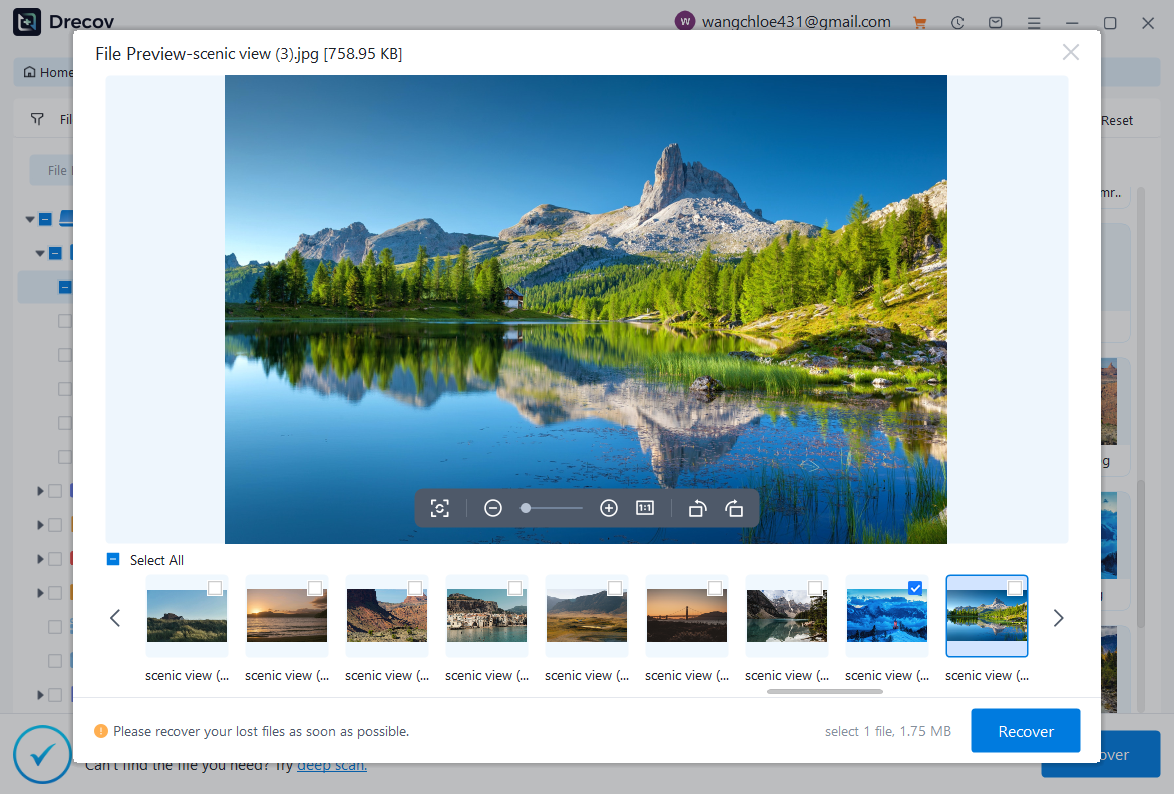
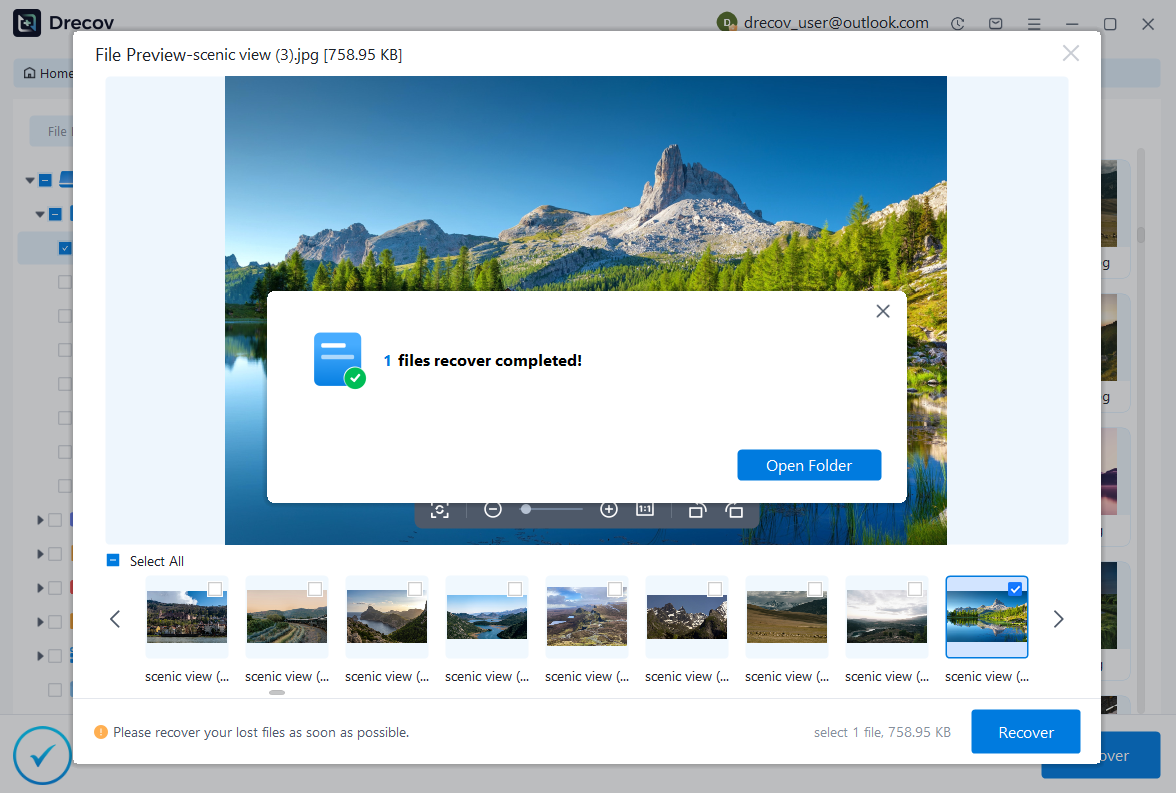
If an SD card fails, files can often be recovered using professional software. Pandaoffice Drecov allows users to:
- Connect the corrupted SD card to a computer.
- Launch Pandaoffice Drecov → Select the SD card → Start deep scan.
- Preview and restore saved games, screenshots, and other files.
Test Environment:
- Device: Steam Deck
- Scenario: Corrupted 1TB micro SD card after accidental ejection mid-game
This ensures users do not lose valuable game progress or media files before reformatting or replacing the SD card.

Why Choose PandaOffice Drecov?
When it comes to reliable file data recovery, PandaOffice Drecov offers a balanced combination of performance, ease of use, and broad compatibility. Whether you’ve lost important business files or personal memories, it provides an efficient way to restore data from various loss scenarios, including system crashes, accidental deletion, and formatted drives.
For users looking for advanced Photo Data Recovery Software, PandaOffice Drecov supports a wide range of image formats and storage devices. It can recover high-quality photos from SD cards, cameras, and internal drives while preserving original resolution and file structure. This makes it especially useful for photographers and everyday users alike.
If you are dealing with storage device issues, its external hard drive recovery capability ensures that data can be retrieved from USB drives, HDDs, and SSDs with minimal effort. The software performs deep scans to locate hidden or lost files, even in complex situations like partition loss.
In addition, PandaOffice Drecov excels in Document Recovery, helping users restore essential files such as Word, Excel, and PDFs. It also supports powerpoint recovery, allowing you to retrieve unsaved or deleted presentation files quickly—ideal for professionals working under tight deadlines.
Frequently Asked Questions About Steam Deck SD Cards
What micro SD card is best for Steam Deck?
High-speed, reliable cards like SanDisk Extreme Pro or Lexar UHS-I U3 are recommended for consistent performance and large game storage.
Can I use a 2TB micro SD card on the Steam Deck?
Yes, the device supports best 2tb micro sd card for Steam Deck, but users should ensure the card is UHS-I/U3 or higher to avoid slow load times.
Does using an SD card slow down my Steam Deck?
⚠️Warning: Using low-quality or low-speed SD cards may reduce performance. High-speed cards minimize load times, making gameplay almost identical to internal storage.
How do I recover files from a corrupted SD card?
Use Pandaoffice Drecov to scan the card and recover lost data before attempting reformatting or replacing the SD card.
Are all micro SD cards compatible with Steam Deck OLED?
Most micro SD cards work, but for optimal performance, choose cards certified for high-speed transfer and large storage capacities.
Conclusion: Optimizing Steam Deck Storage with Micro SD Cards
Expanding Steam Deck storage using micro sd cards for Steam Deck is crucial for gamers with large libraries.
Key takeaways:
- Prioritize speed and capacity when choosing cards.
- Use reputable brands to prevent errors and corruption.
- Test performance before relying on the card for high-demand games.
- Backup important data using Pandaoffice Drecov before reformatting or replacement.
- Safely eject and manage SD cards to extend their lifespan.
By following these methods, gamers can maximize storage, maintain performance, and enjoy a seamless experience on both standard and Steam Deck OLED models.
⚠️Warning: Consistent SD card errors may indicate a defective card, requiring replacement to avoid permanent data loss.





