







Understanding How to Format an SD Card Using CMD
What Does “Format SD Card” Mean and Why It Matters
When people ask what does format SD card mean, they are referring to the process of preparing a memory card for use by erasing all existing data and setting up a new file system. This process ensures the card can properly store files like photos, videos, and documents.
There are several ways to format SD card, but using Command Prompt (CMD) is one of the most powerful and precise methods available on Windows. Unlike graphical tools, CMD allows deeper control over formatting parameters, which is especially useful when dealing with corrupted or unrecognized cards.
Formatting SD card can help resolve issues such as:
- Files not opening or becoming unreadable
- Card not being detected by devices
- Slow performance or frequent errors
CMD-based formatting is often preferred by advanced users because it bypasses system limitations and provides a direct way to interact with the storage device.
However, it’s important to understand that formatting will erase all data on the card. If the data is important, recovery should be attempted before proceeding.
⚠️ Warning: Formatting permanently removes all files unless they are recovered beforehand.
Why You May Need to Format an SD Card
Common Problems That Require Formatting SD Cards
There are many real-world situations where users need to formatting SD card to restore functionality or fix errors. Understanding these scenarios helps determine when formatting is the right solution.
One common reason is file system corruption. This can occur due to improper removal, sudden power loss, or virus attacks. When corruption happens, the card may appear empty or inaccessible even though files still exist.
Another reason is compatibility issues. Different devices require specific file systems such as FAT32, exFAT, or NTFS. If your SD card is not formatted correctly, it may not work in cameras, smartphones, or gaming consoles.
Storage management is also a factor. Over time, fragmented data and hidden errors can reduce performance. A clean format resets the card, improving speed and reliability.
Lastly, formatting is often required when preparing a new SD card for first-time use or before transferring it between devices.
⚠️ Warning: Always confirm the correct drive before formatting to avoid erasing the wrong disk.
Preparation Before You Format SD Card Using CMD
Essential Steps Before Running CMD Commands
Before you proceed to format sd card using cmd, proper preparation is critical to avoid data loss or formatting errors.
First, back up your files if the SD card is still accessible. Copy all important data to your computer or cloud storage. Once formatting begins, recovery becomes more difficult.
Next, connect the SD card properly using a reliable card reader. Ensure the system recognizes it and assigns a drive letter. You can verify this in File Explorer or Disk Management.
You should also check for physical damage. If the card is physically broken, CMD formatting will not fix the issue and may cause further problems.
Additionally, make sure you run Command Prompt as an administrator. Without proper permissions, the formatting process may fail or return errors.
Finally, identify the correct disk number. This is extremely important when using CMD tools like DiskPart, as selecting the wrong disk can lead to accidental data loss.
⚠️ Warning: Double-check disk numbers in DiskPart to avoid formatting the wrong storage device.
How to Format SD Card Using CMD (Step-by-Step Methods)
Method 1: Format SD Card Using CMD with DiskPart Tool
Test Environment:
Windows 11 PC, 64-bit system, 32GB MicroSD card connected via USB card reader.
DiskPart is a built-in Windows utility that allows you to manage disks and partitions directly. It is one of the most effective ways to cmd format sd card.
Steps:
- Press Win + R, type
cmd, and run as administrator - Type
diskpartand press Enter - Enter
list diskto view all connected drives - Identify your SD card based on size
- Type
select disk X(replace X with your SD card number) - Enter
cleanto remove all partitions - Type
create partition primary - Enter
format fs=fat32 quick(or exFAT for larger cards) - Type
assignto assign a drive letter - Exit DiskPart by typing
exit
This method is highly reliable for fixing corrupted cards and performing a deep clean before reuse.
⚠️ Warning: The clean command deletes all partitions instantly without confirmation.
Method 2: Use CMD Format Command to Format SD Card
Test Environment:
Windows 10 laptop, 16GB SD card, built-in SD card slot.
This method uses a simpler command-line approach compared to DiskPart and is suitable for basic formatting needs.
Steps:
- Insert the SD card into your computer
- Open Command Prompt as administrator
- Type
format X: /fs:fat32(replace X with your SD card drive letter) - Press Enter and confirm the operation
- Wait for the process to complete
This approach is faster and easier but may not work if the SD card is severely corrupted or has partition issues.
It is commonly used when users want a quick way to how to format sd card without going through advanced tools.
Method 3: Recover Data Before Formatting Using PandaOffice Drecov
Test Environment:
Windows 11 desktop, 64GB SD card with deleted photo files.
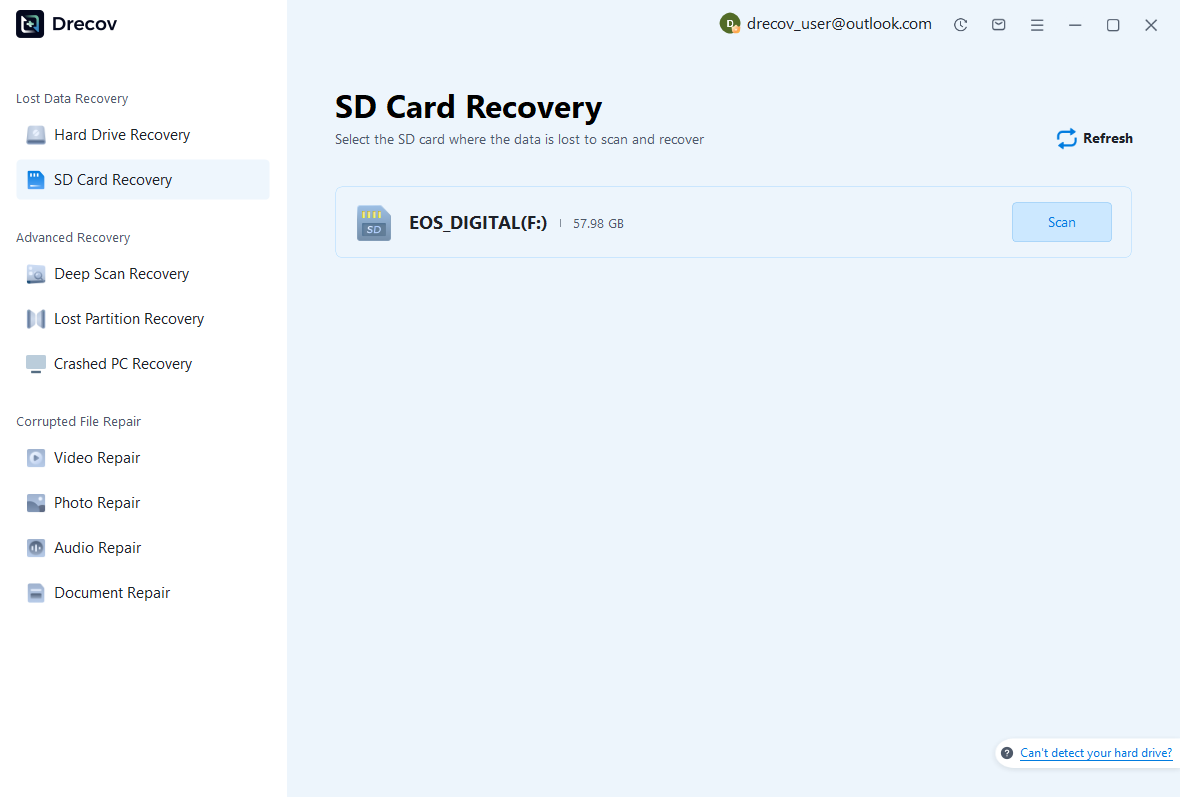
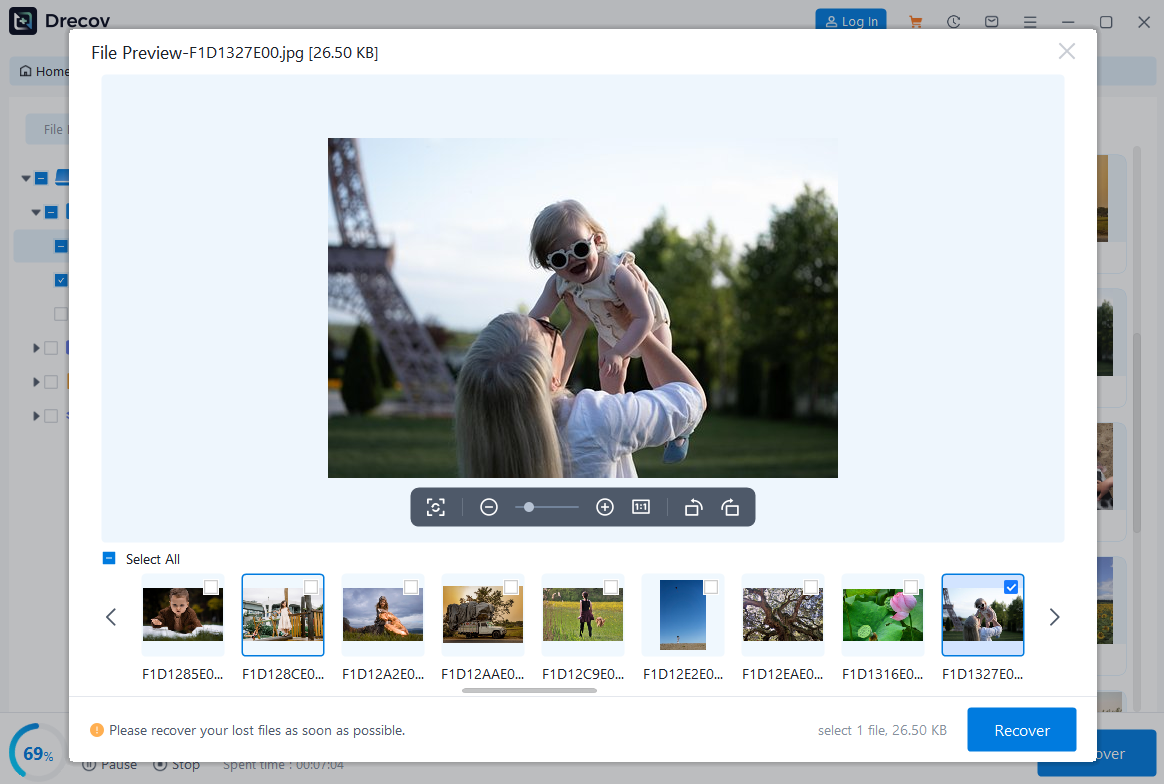
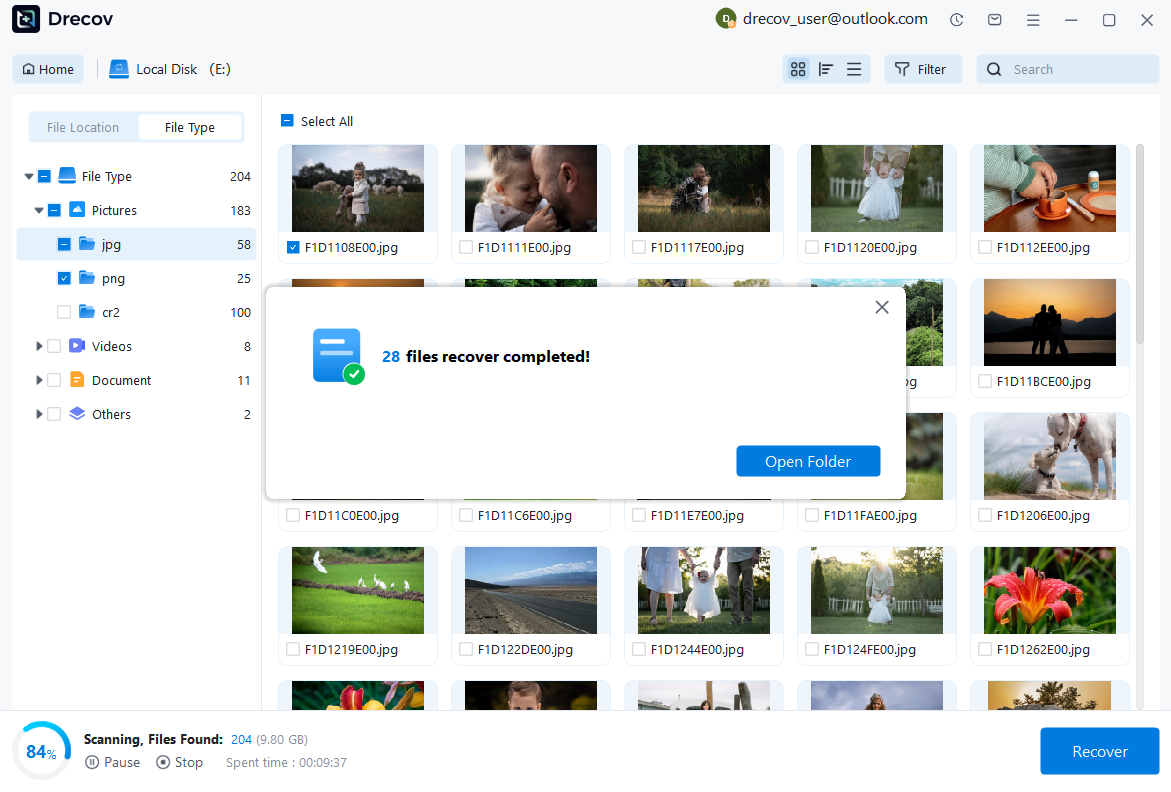
Before performing format sd card, it is highly recommended to recover important files if they are lost or inaccessible. PandaOffice Drecov provides an efficient way to retrieve data before formatting.
Steps:
- Install and launch PandaOffice Drecov
- Connect your SD card to the computer
- Select the SD card from the device list
- Run a deep scan to locate lost files
- Preview recoverable data
- Select files and save them to a different location
This method ensures that valuable data is not permanently lost during formatting.
Unlike basic recovery tools, PandaOffice Drecov supports multiple file types including photos, videos, and documents, making it a reliable choice for SD card recovery scenarios.
Test Environment:
Windows 10 desktop, 128GB SDXC card, external USB card reader.
Why Choose PandaOffice Drecov Data Recovery Software?
When it comes to reliable data recovery, PandaOffice Drecov stands out as a powerful, all-in-one solution designed to handle a wide range of data loss scenarios. Whether you’re trying to perform TikTok deleted video recovery, restore files after formatting, or recover important documents, Drecov delivers fast and dependable results.
One of its biggest advantages is versatility. From format data recovery to lost partition recovery, the software can scan deeply and accurately locate files that other tools often miss. Even if your drive has been accidentally formatted or a partition has disappeared, Drecov uses advanced algorithms to reconstruct and retrieve your data with high success rates.
Drecov also supports specialized recovery needs. If you’ve lost important documents, its PDF recovery tool ensures that files retain their original structure and quality. For media users, the audio recovery feature helps restore music, recordings, and other sound files without corruption, making it ideal for both personal and professional use.
Ease of use is another key benefit. The intuitive interface allows beginners to recover files in just a few clicks, while still offering advanced options for more experienced users. Plus, it supports a wide range of storage devices, including HDDs, SSDs, USB drives, and memory cards.
In short, PandaOffice Drecov combines powerful recovery capabilities with user-friendly design, making it a trusted choice for anyone facing data loss.
Method 4: Format SD Card Using CMD with Disk Management Command
This method combines CMD access with Windows disk utilities to handle cases where standard formatting fails. It is especially useful when the SD card shows as RAW or unallocated.
Steps:
- Press Win + X and open Command Prompt (Admin)
- Type
diskmgmt.mscand press Enter - Locate your SD card in the Disk Management window
- Right-click the SD card partition
- Select Format
- Choose file system (FAT32 or exFAT)
- Click OK to begin formatting
Although this method uses a graphical interface, it is often accessed through CMD-related workflows and helps resolve issues that basic commands cannot fix.
This approach is helpful when users encounter errors while trying to cmd format sd card, especially if the card structure is partially damaged.
Method 5: Force Format SD Card Using CMD (Fix Write Protection Issues)
Test Environment:
Windows 11 laptop, 32GB SD card with write protection error.
Sometimes, users are unable to format sd card using cmd due to write protection. This method removes restrictions before formatting.
Steps:
- Open Command Prompt as administrator
- Type
diskpartand press Enter - Enter
list disk - Select your SD card using
select disk X - Type
attributes disk clear readonly - Run
clean - Create a new partition using
create partition primary - Format using
format fs=exfat quick - Assign a drive letter using
assign
This method is particularly useful when your SD card refuses to format due to system-level restrictions.
⚠️ Warning: Clearing attributes incorrectly on the wrong disk can affect other storage devices.
Method 6: Format SD Card Using CMD for Different File Systems
Test Environment:
Windows 10 PC, 256GB SD card, USB 3.0 card reader.
Different devices require different file systems, so choosing the right format is essential when learning how do you format an sd card.
Steps:
- Insert your SD card and open Command Prompt
- Use the format command with specific file systems:
format X: /fs:fat32(for smaller cards and compatibility)format X: /fs:exfat(for large storage and modern devices)format X: /fs:ntfs(for Windows-only usage)
- Confirm the command and wait for completion
FAT32 is widely compatible but has file size limits. exFAT is ideal for high-capacity cards, while NTFS offers advanced features but limited compatibility with cameras and mobile devices.
Choosing the correct file system ensures optimal performance and prevents future issues.
Frequently Asked Questions About Formatting SD Cards
Is It Safe to Format SD Card Using CMD?
Yes, using CMD is safe as long as the correct disk is selected. It provides more control compared to graphical tools. However, beginners should proceed carefully and double-check commands before execution.
Can I Recover Files After Formatting an SD Card?
In many cases, yes. If the data has not been overwritten, recovery software can retrieve lost files. This is why it’s important to stop using the card immediately after data loss.
Why Is My SD Card Not Formatting?
This issue may occur due to corruption, physical damage, or write protection. In such cases, advanced CMD tools like DiskPart can help resolve the problem.
How Long Does Formatting an SD Card Take?
Quick formatting usually takes a few seconds to a minute, while full formatting may take longer depending on the card size and condition.
Which Format Should I Choose for My SD Card?
FAT32 is best for compatibility, exFAT for large storage, and NTFS for Windows-specific use. The choice depends on your device and usage requirements.
Final Thoughts on Formatting SD Card Using CMD
Key Takeaways for Safe and Effective SD Card Formatting
Learning how to format sd card using cmd gives you more control and flexibility compared to standard formatting tools. Whether you are fixing errors, removing corruption, or preparing a new card, CMD provides reliable solutions for different scenarios.
From simple commands to advanced DiskPart operations, each method serves a specific purpose. Beginners can start with basic format commands, while advanced users can use DiskPart for deeper control.
It is always important to understand what does format sd card mean before proceeding, as formatting permanently removes data. Taking precautions like backing up files and verifying disk selection can prevent irreversible mistakes.
If data loss has already occurred, recovery should always be the first step before formatting. This ensures important files are not lost permanently.
By following the methods and best practices outlined in this guide, you can confidently handle any SD card formatting situation and maintain the health and performance of your storage devices.





