







Understanding How to Eject SD Card Properly
What Happens When You Eject an SD Card from a Windows PC
Knowing how to eject sd card correctly is essential for protecting your data and ensuring your storage device remains functional. When you remove a card without safely ejecting it, the system may still be reading or writing data, which can lead to corruption or file loss.
When you properly eject an SD card from a Windows PC, the system stops all background processes and ensures that no files are actively in use. This guarantees that your files are saved correctly and prevents potential damage to the card.
Many users underestimate the importance of ejecting the SD card from your PC, assuming it is safe to remove it at any time. However, even when no files appear to be transferring, background operations may still be active.
A properly sd card ejected message confirms that it is safe to remove the card physically. Ignoring this step can result in unreadable files or even permanent damage.
⚠️ Warning: Never remove your SD card while data is being transferred, as this can cause irreversible file corruption.
Why It’s Important to Safely Eject SD Card
Risks of Removing SD Card Without Proper Ejection
Failing to eject sd card safely can lead to multiple issues that affect both your data and the device itself. Understanding these risks helps reinforce why proper ejection is necessary.
One major risk is file corruption. If you remove the card while the system is still writing data, files may become incomplete or unreadable. This often results in missing photos, damaged videos, or inaccessible documents.
Another issue is file system damage. Improper removal can disrupt the structure of the SD card, making it difficult for devices to recognize or access the stored data.
Frequent improper removal may also reduce the lifespan of the SD card. Over time, this can lead to recurring errors and eventual failure.
Users who experience sudden issues often realize they did not follow the correct process to how to eject sd card, especially on Windows systems.
⚠️ Warning: Repeated improper removal may permanently damage your SD card beyond recovery.
Common Situations When SD Card Eject Is Required
When You Should Always Ejecting the SD Card from Your PC
There are several scenarios where sd card eject becomes necessary to prevent data loss or system errors.
You should always eject the card after transferring files. Even if the transfer appears complete, background caching processes may still be running.
Another situation is when switching devices. If you plan to move the SD card from your PC to a camera or phone, proper ejection ensures compatibility and prevents errors.
Before shutting down or restarting your computer, it’s also good practice to eject external storage devices. This helps avoid conflicts during system operations.
Additionally, if you notice your system slowing down or showing unusual behavior related to the SD card, safely ejecting it can prevent further complications.
Understanding these situations helps you build a habit of properly eject an sd card from a Windows PC every time.
How to Eject SD Card from Windows PC (Step-by-Step Methods)
Method 1: Eject SD Card Using System Tray (Safest Method)
Test Environment:
Windows 11 laptop, 64GB SD card, built-in card reader.
Using the system tray is the most common and reliable way to eject sd card on Windows.
Steps:
- Insert your SD card into the computer
- Locate the “Safely Remove Hardware” icon in the system tray
- Click the icon to view connected devices
- Select your SD card from the list
- Wait for the confirmation message
- Remove the card physically
This method ensures all processes are stopped before removal and is recommended for everyday use.
Method 2: Eject SD Card via File Explorer
Test Environment:
Windows 10 desktop, external USB card reader.
Another simple way to how to eject sd card is through File Explorer.
Steps:
- Open File Explorer
- Locate your SD card under “This PC”
- Right-click the SD card
- Select “Eject”
- Wait until the system confirms safe removal
- Remove the card
This method is quick and convenient, especially when managing files.
Method 3: Use Disk Management to Eject SD Card
Test Environment:
Windows 11 PC, SD card detected but not removable via tray.
In some cases, standard methods may fail. Disk Management provides an alternative way to perform sd card eject.
Steps:
- Press Win + X and open Disk Management
- Locate your SD card
- Right-click the SD card partition
- Select “Eject” or “Offline”
- Wait for the process to complete
This method is useful when the system does not allow normal ejection.
Method 4: Recover Data If SD Card Was Improperly Ejected Using PandaOffice Drecov
Test Environment:
Windows 11 desktop, SD card with corrupted files after unsafe removal.
If your SD card becomes corrupted due to improper removal, using a recovery tool before further actions is essential.
Steps:
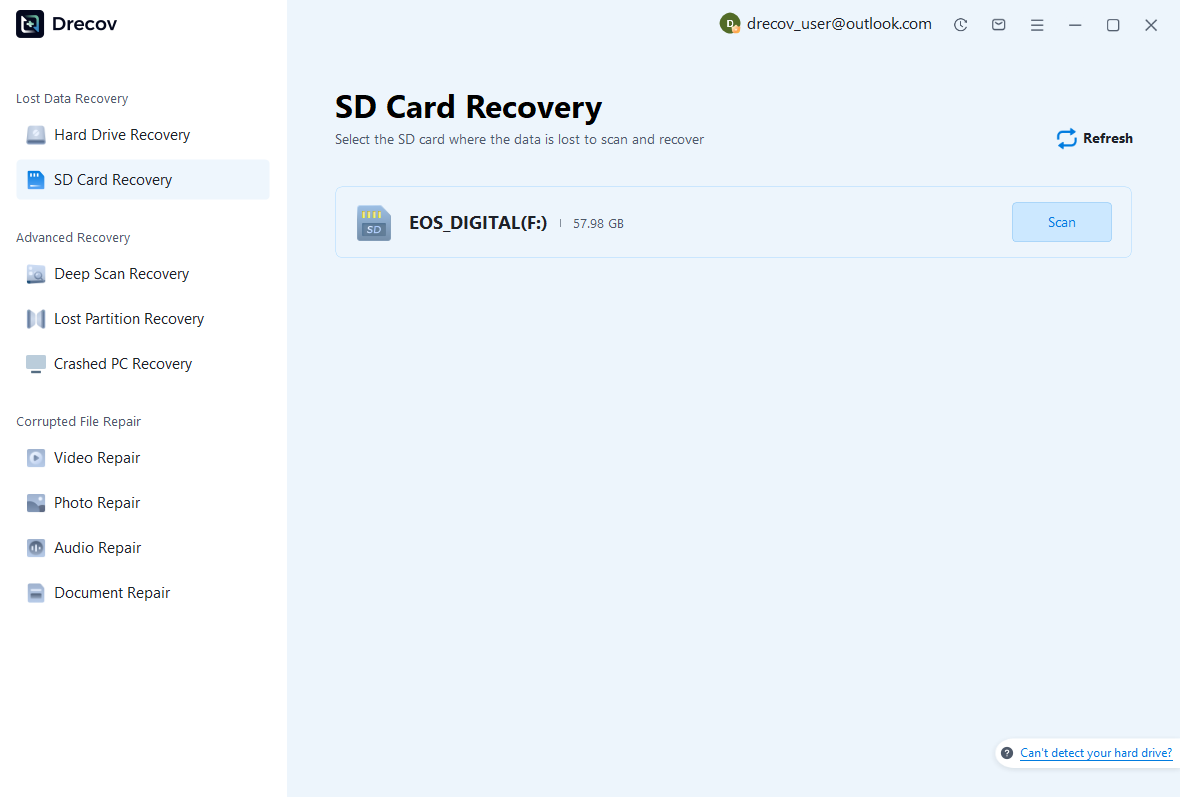
- Install and open PandaOffice Drecov
- Insert your SD card into the computer
- Select the SD card from the device list
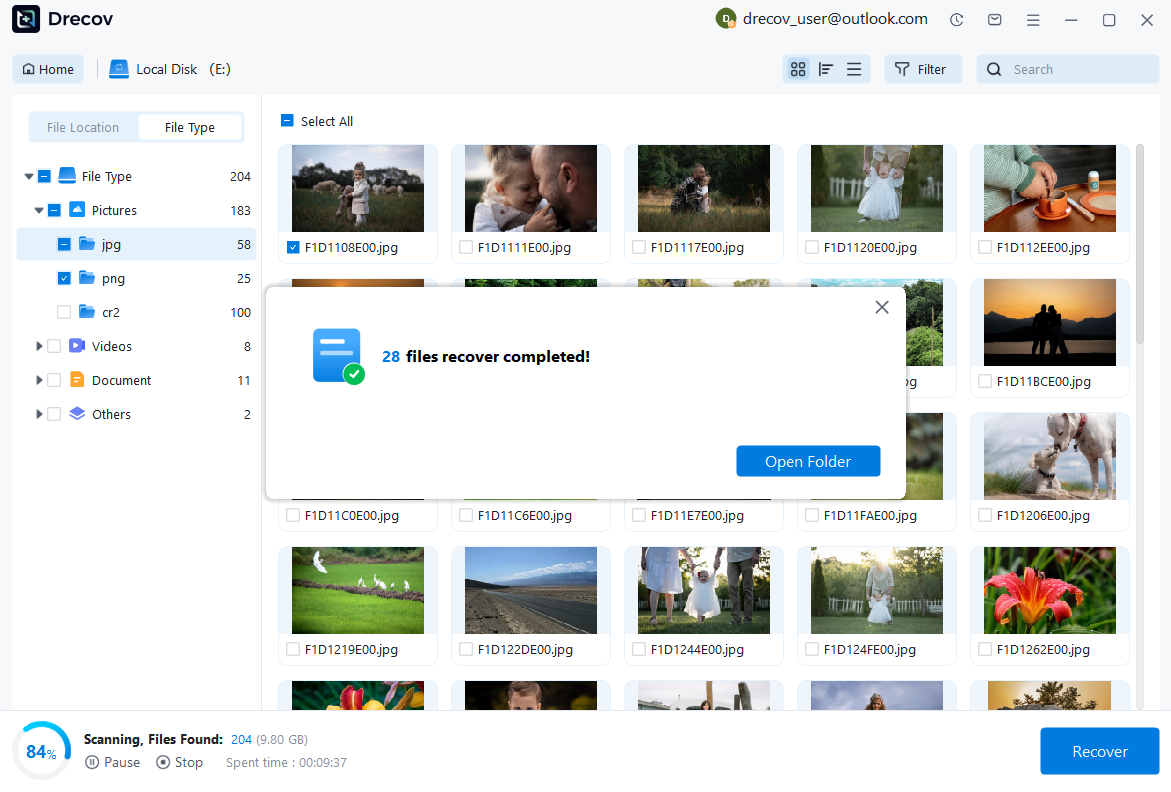
- Run a deep scan
- Preview recoverable files
- Save files to a different location
This method helps restore lost or damaged data caused by improper ejecting the SD card from your PC.

Why Choose PandaOffice Drecov Data Recovery Software?
When it comes to reliable data recovery, PandaOffice Drecov stands out as a powerful, all-in-one solution designed to handle a wide range of data loss scenarios. Whether you’re trying to perform TikTok deleted video recovery, restore files after formatting, or recover important documents, Drecov delivers fast and dependable results.
One of its biggest advantages is versatility. From format data recovery to lost partition recovery, the software can scan deeply and accurately locate files that other tools often miss. Even if your drive has been accidentally formatted or a partition has disappeared, Drecov uses advanced algorithms to reconstruct and retrieve your data with high success rates.
Drecov also supports specialized recovery needs. If you’ve lost important documents, its PDF recovery tool ensures that files retain their original structure and quality. For media users, the audio recovery feature helps restore music, recordings, and other sound files without corruption, making it ideal for both personal and professional use.
Ease of use is another key benefit. The intuitive interface allows beginners to recover files in just a few clicks, while still offering advanced options for more experienced users. Plus, it supports a wide range of storage devices, including HDDs, SSDs, USB drives, and memory cards.
In short, PandaOffice Drecov combines powerful recovery capabilities with user-friendly design, making it a trusted choice for anyone facing data loss.
Method 5: Eject SD Card Using Windows Settings
Test Environment:
Windows 11 laptop, 128GB SD card, USB card reader.
If the system tray option is unavailable, you can still eject an SD card from a Windows PC through system settings.
Steps:
- Open Settings on your computer
- Navigate to Bluetooth & devices
- Click on Devices or Storage devices
- Locate your SD card in the list
- Select the device and choose Remove device
- Wait for confirmation before removing the card
This method is useful when the system tray icon is missing or not functioning properly.
Method 6: Eject SD Card Using Command Prompt
Test Environment:
Windows 10 desktop, SD card connected via external reader.
Advanced users can use Command Prompt to eject sd card safely when graphical options fail.
Steps:
- Open Command Prompt as administrator
- Use disk management commands to identify the SD card
- Run a command to safely remove the device (via DiskPart or external utilities)
- Wait for the process to complete
- Remove the SD card physically
Although slightly technical, this approach ensures proper handling when standard tools do not respond.
⚠️ Warning: Incorrect commands may affect other storage devices, so proceed carefully.
Method 7: Fix “SD Card Won’t Eject” Error
Test Environment:
Windows 11 PC, SD card stuck due to background processes.
Sometimes users cannot perform sd card eject because the system reports the device is in use.
Steps:
- Close all open files and applications using the SD card
- Open Task Manager
- End processes that may be accessing the card
- Try ejecting again using the system tray
- Restart your computer if the issue persists
This method resolves situations where Windows prevents ejecting the SD card from your PC due to active processes.
Method 8: Disable Device Before Removing SD Card
Test Environment:
Windows 10 laptop, SD card not ejecting normally.
Disabling the device is another workaround when you cannot how to eject sd card using standard methods.
Steps:
- Open Device Manager
- Locate your SD card reader under Disk drives
- Right-click and select Disable device
- Confirm the action
- Remove the SD card safely
This method stops communication between the system and the card, making it safe to remove.
⚠️ Warning: Re-enable the device before using the SD card again.
Frequently Asked Questions About SD Card Ejection
What Happens If I Don’t Eject SD Card Properly?
If you don’t eject sd card properly, files may become corrupted or incomplete. This can lead to data loss or make the SD card unreadable.
Why Does My Computer Say SD Card Is Still in Use?
This happens when background processes are accessing the card. Closing applications or restarting the system usually resolves the issue.
Is It Always Necessary to Eject an SD Card from a Windows PC?
Yes, especially when transferring files. Proper ejection ensures that no data is being written and prevents corruption.
Can I Remove SD Card Without Ejecting If Nothing Is Open?
Even if nothing appears open, background processes may still be active. It’s always safer to eject an sd card from a Windows PC before removal.
How Do I Know When SD Card Is Safely Removed?
A notification message will appear indicating that the sd card ejected successfully and it is safe to remove the device.
Final Thoughts on Safely Ejecting SD Card
Key Takeaways for Proper SD Card Ejection on Windows
Learning how to eject sd card properly is a simple but essential habit that can prevent serious data loss and device damage. Many users overlook this step, but it plays a critical role in maintaining the health of your storage devices.
From basic methods like using the system tray to advanced solutions such as Command Prompt or Device Manager, there are multiple ways to safely remove your SD card. Understanding these options ensures you can handle different situations effectively.
If problems arise due to improper removal, recovery tools can help restore lost data, but prevention is always the best approach. Developing the habit of safely ejecting the SD card from your PC ensures long-term reliability.
By following the steps outlined in this guide, you can confidently eject an SD card from a Windows PC without risking your files or device performance.





