







Understanding Bootable SD Card and Its Uses
What Is a Bootable SD Card and Why It Matters
A bootable sd card is a memory card that contains an operating system or bootable environment, allowing a computer or device to start directly from it instead of the internal hard drive. This is especially useful for system installation, recovery tools, or running portable operating systems.
When a sd card bootable setup is created correctly, it can function just like a USB boot drive, enabling users to install or repair operating systems. Many technicians also use it for diagnostics and system recovery tasks.
A bootable micro sd card is commonly used in devices like Raspberry Pi, laptops with SD slots, or embedded systems where USB booting is not available. It provides flexibility and portability for system management.
Learning how to create bootable sd card is important for users who want an alternative boot device for troubleshooting, system installation, or testing environments.
⚠️ Warning: Creating a bootable SD card will erase all existing data on the card.
Why You May Need a Bootable SD Card
Common Use Cases and Importance of Bootable SD Cards
There are many practical reasons why users choose to create a bootable sd card instead of using traditional installation media.
One common use is operating system installation. If your computer does not support USB booting, a sd card bootable device can be an effective alternative.
Another use is system recovery. A bootable card can contain diagnostic tools that help repair corrupted systems or recover lost data.
Developers also use bootable micro sd card setups to test operating systems or run lightweight Linux distributions on portable devices.
Additionally, bootable SD cards are useful for older laptops or devices with limited hardware support.
Understanding these use cases helps users decide when to create bootable sd card setups for personal or professional needs.
⚠️ Warning: Always verify compatibility between your device and bootable SD card before use.
Requirements Before Creating a Bootable SD Card
Essential Tools and Setup Preparation
Before you begin to create bootable sd card, proper preparation is necessary to ensure a smooth process.
First, you need a reliable SD card with sufficient storage capacity. A minimum of 8GB is recommended, but larger cards are better for modern operating systems.
Second, you need an SD card reader connected to your computer. Without proper hardware recognition, the bootable micro sd card creation process may fail.
Third, you need a bootable image file (ISO format). This file contains the operating system or tool you want to install.
Finally, you need a formatting tool or software capable of writing bootable images to SD cards.
Ensuring these requirements are met helps avoid errors during the sd card bootable setup process.
⚠️ Warning: Using low-quality SD cards may result in boot failures or data corruption.
How to Create Bootable SD Card (Step-by-Step Methods)
Method 1: Create Bootable SD Card Using Windows Media Tools
Test Environment:
Windows 11 laptop, 16GB SD card, SD card reader, Windows ISO file.
This method is commonly used for creating a bootable sd card for Windows installation or recovery.
Steps:
- Insert SD card into your computer
- Open a bootable media creation tool
- Select the ISO file
- Choose SD card as target device
- Start the creation process
- Wait until completion
This method is simple and suitable for beginners who want to quickly create bootable sd card setups.
Method 2: Create Bootable SD Card Using DiskPart Command
Test Environment:
Windows 10 PC, 32GB SD card, system recovery ISO.
For advanced users, DiskPart provides more control when setting up a sd card bootable device.
Steps:
- Open Command Prompt as administrator
- Type
diskpart - Enter
list disk - Select SD card using
select disk X - Clean the disk using
clean - Create partition using
create partition primary - Format using
format fs=fat32 quick - Assign drive letter
- Copy boot files
This method is effective for creating a clean and structured boot environment.
Method 3: Create Bootable Micro SD Card Using Third-Party Tools
Test Environment:
Windows 11 desktop, 64GB micro SD card, Linux ISO file.
A bootable micro sd card is often created using third-party software designed for flashing ISO files.
Steps:
- Download and install a bootable media tool
- Insert micro SD card into reader
- Select ISO file
- Choose SD card as target
- Start flashing process
- Wait for completion
This method is widely used for Linux distributions and embedded system setups.
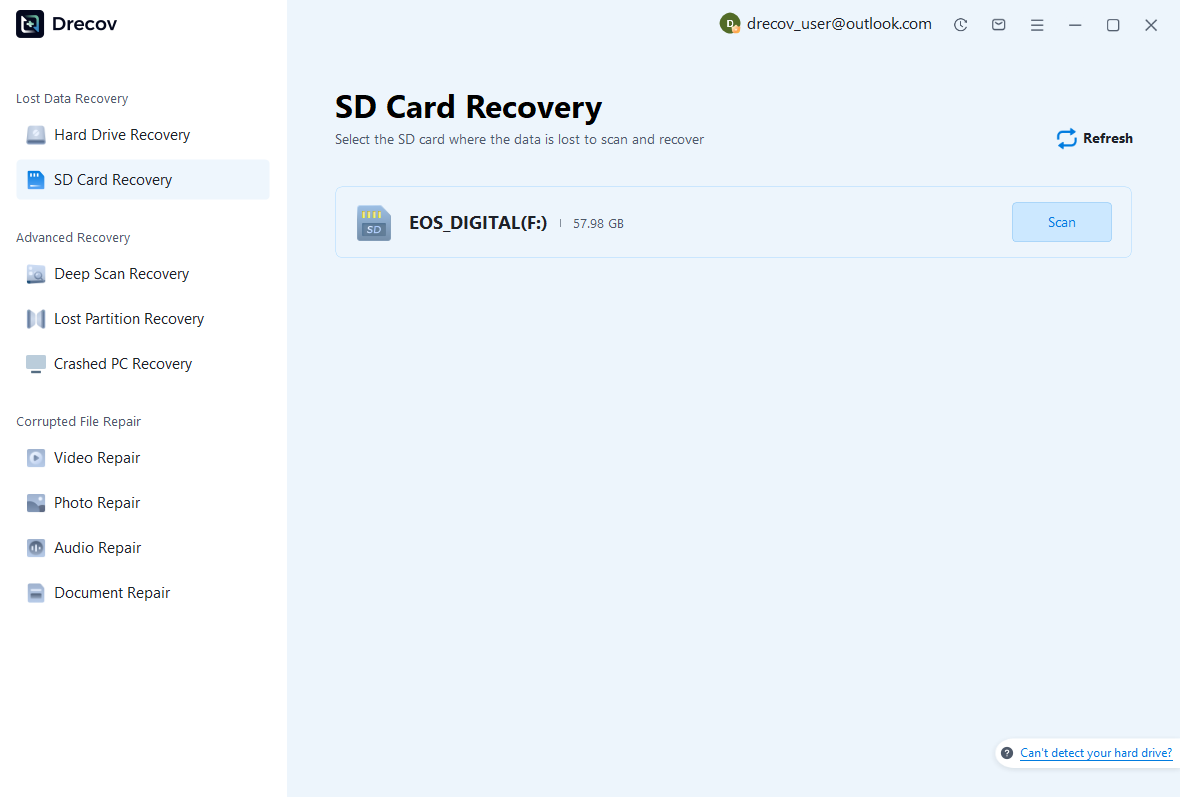
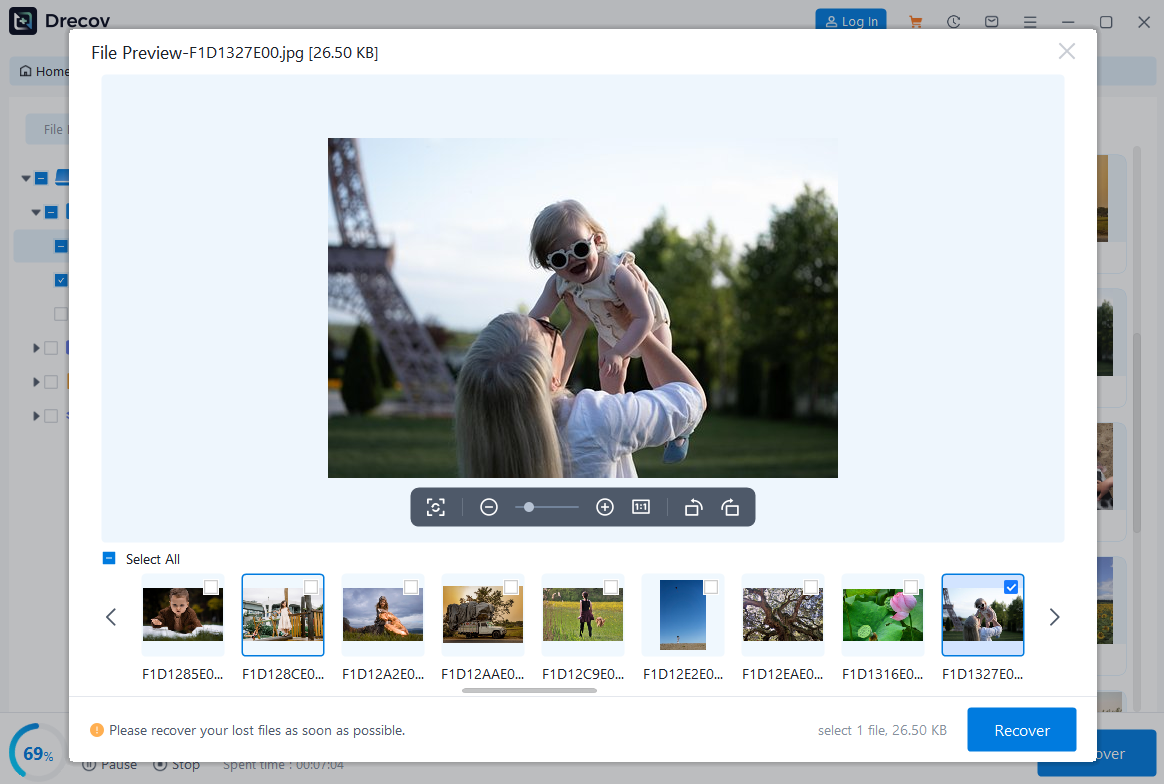
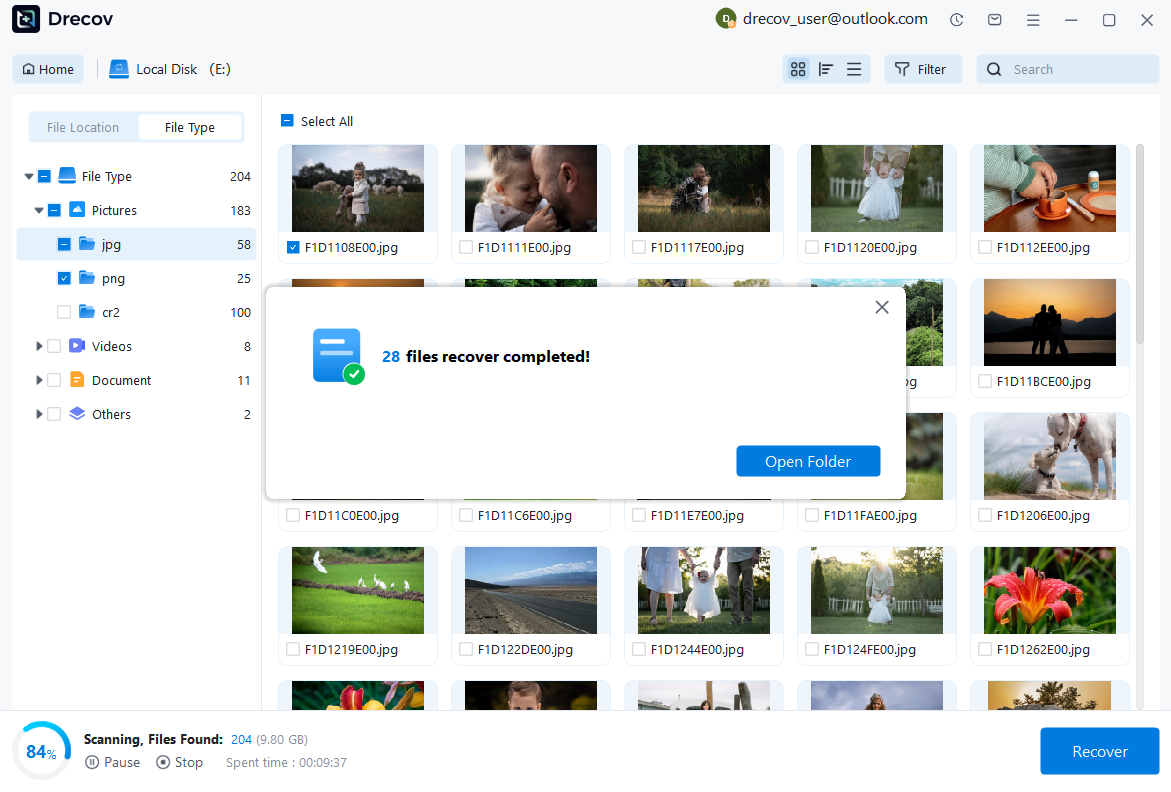
Method 4: Recover Data Before Creating Bootable SD Card Using PandaOffice Drecov
Test Environment:
Windows 11 PC, SD card containing important files before formatting.
Before you create bootable sd card, it is important to recover any important data because the process will erase everything.
Steps:
- Install PandaOffice Drecov
- Connect SD card to PC
- Scan the device
- Preview recoverable files
- Save files to another drive
This ensures no important data is lost before turning the SD card into a bootable device.
Why Choose PandaOffice Drecov Data Recovery Software?
When it comes to reliable data recovery, PandaOffice Drecov stands out as a powerful, all-in-one solution designed to handle a wide range of data loss scenarios. Whether you’re trying to perform TikTok deleted video recovery, restore files after formatting, or recover important documents, Drecov delivers fast and dependable results.
One of its biggest advantages is versatility. From format data recovery to lost partition recovery, the software can scan deeply and accurately locate files that other tools often miss. Even if your drive has been accidentally formatted or a partition has disappeared, Drecov uses advanced algorithms to reconstruct and retrieve your data with high success rates.
Drecov also supports specialized recovery needs. If you’ve lost important documents, its PDF recovery tool ensures that files retain their original structure and quality. For media users, the audio recovery feature helps restore music, recordings, and other sound files without corruption, making it ideal for both personal and professional use.
Ease of use is another key benefit. The intuitive interface allows beginners to recover files in just a few clicks, while still offering advanced options for more experienced users. Plus, it supports a wide range of storage devices, including HDDs, SSDs, USB drives, and memory cards.
In short, PandaOffice Drecov combines powerful recovery capabilities with user-friendly design, making it a trusted choice for anyone facing data loss.
Method 5: Create Bootable SD Card Using Rufus Alternative Tools
Test Environment:
Windows 10 laptop, 128GB SD card, Windows/Linux ISO file, external SD card reader.
When standard tools fail, alternative flashing software can help you successfully create bootable sd card setups with more flexibility and control.
Steps:
- Download a reliable bootable image tool
- Insert SD card into your computer
- Launch the software as administrator
- Select ISO file (Windows/Linux system image)
- Choose SD card as target device
- Select partition scheme (MBR or GPT)
- Start the flashing process
- Wait until completion and safely eject
This method is widely used for creating both Windows installers and Linux live environments. It is also highly effective for users who need a stable sd card bootable setup across multiple devices.
⚠️ Warning: Incorrect partition scheme selection may prevent the SD card from booting properly.
Method 6: Create Bootable Micro SD Card for Linux Systems
Test Environment:
Windows 11 PC, 64GB micro SD card, Raspberry Pi OS image file.
A bootable micro sd card is commonly used for Linux-based systems like Raspberry Pi or lightweight OS testing environments.
Steps:
- Download Linux ISO or system image
- Insert micro SD card into reader
- Open flashing tool or imaging software
- Select downloaded image file
- Choose micro SD card as destination
- Start writing process
- Wait until verification completes
This method is ideal for developers and users working with embedded systems or portable Linux environments.
Method 7: Create Bootable SD Card Using Command-Line Imaging Tools
Test Environment:
Windows 10 desktop, advanced user environment, SD card for system recovery testing.
Advanced users can use command-line tools to create bootable sd card setups for precise control over the process.
Steps:
- Open Command Prompt or PowerShell as administrator
- Identify SD card using system disk tools
- Mount ISO image or extract boot files
- Use imaging commands to write boot sector
- Verify boot structure
- Safely eject SD card
This method provides full control over the sd card bootable structure but requires technical knowledge.
Method 8: Prepare Bootable SD Card for Emergency Recovery Systems
Test Environment:
Windows 11 PC, 32GB SD card, system recovery ISO image.
Bootable SD cards are often used for emergency recovery purposes when systems fail to boot normally.
Steps:
- Insert SD card into computer
- Open recovery tool or media creation software
- Load system recovery ISO
- Select SD card as target device
- Create recovery boot environment
- Test boot functionality if possible
This method ensures you always have a recovery option available in case of system failure.
Frequently Asked Questions About Bootable SD Cards
Can Any SD Card Be Used as a Bootable SD Card?
Not all SD cards are suitable. For a stable bootable sd card, it is recommended to use high-speed, high-quality memory cards with sufficient storage capacity.
What Devices Support SD Card Booting?
Many laptops, Raspberry Pi devices, and embedded systems support sd card bootable configurations, but desktop PCs may require BIOS configuration.
Is Creating a Bootable Micro SD Card Safe?
Yes, it is safe as long as you follow correct steps. However, all data on the card will be erased during the process.
Why Is My Bootable SD Card Not Working?
This may happen due to incorrect ISO files, wrong partition schemes, or unsupported hardware.
Can I Reuse a Bootable SD Card Normally?
Yes, you can format the card after use to return it to normal storage mode.
Final Conclusion: How to Create Bootable SD Card Successfully
Key Takeaways for Reliable Bootable SD Card Creation
Learning how to create bootable sd card is a valuable skill for system installation, recovery, and development tasks. A properly configured sd card bootable device can replace USB drives and provide a flexible solution for multiple operating systems.
Whether you are creating a Windows installer or a Linux environment, understanding the correct process ensures stability and compatibility. Tools and command-line methods both offer reliable ways to build bootable media depending on your experience level.
A bootable micro sd card is especially useful for portable systems and embedded devices, making it a practical choice for developers and advanced users.
Before starting the process, always back up your data and ensure the SD card meets performance requirements. This prevents data loss and ensures smooth boot performance.
By following the methods in this guide, you can confidently create and manage bootable SD cards for different use cases and system environments.





