







Understanding CF Cards and Their Uses
I need help recovering footage from a freshly formatted CF card – the short version is I had three cards to dump, and dumped one of them TWICE before formatting all three. Absolutely a user error – but one I’m hoping to correct. I’m using a Mac with the most recent OS. I have the DiskDrill Recovery Software, but from what I was able to recover (from generations-old formats, strangely), all the files are corrupt. Is there a better way to go about this? Alternative software you’d recommend? Or must I count my loss and try to move forward?—from Reddit
What is a CF Memory Card?
A CF card, or CompactFlash card, is a type of removable storage widely used in professional cameras, video recorders, and other devices requiring high-speed data transfer. With their robust design, cf memory cards are preferred for storing high-resolution images, RAW files, and HD videos.
Using a PC CF card reader allows users to access files from these cards directly on a computer, making data transfer and management easier. Understanding the capabilities of your CF card is critical before attempting any recovery process.
⚠️Warning: Improper handling of CF cards, such as abrupt removal from devices, may lead to data corruption or loss.
Test Environment:
- Device: Canon EOS-1D X Mark III
- CF Card: 128GB UDMA 7
- Scenario: Large RAW image capture sessions
Why CF Cards Are Still Popular
Despite newer storage solutions like SD and microSD cards, CF cards remain popular due to:
- Faster read/write speeds, ideal for professional photography and video recording
- Larger capacities compared to some older SD cards
- Durable construction that withstands physical stress
Choosing a high-quality cf memory card ensures reliable performance for critical data storage, especially when dealing with professional-grade files.
Common Causes of CF Card Data Loss
Physical and Logical Issues
Data loss on CF cards can occur due to:
- Accidental deletion of files
- Corrupted file systems caused by improper ejection
- Power failure during write operations
- Virus or malware attacks on the card
Test Environment:
- Device: Nikon D850
- Scenario: Card removed during shooting, causing the file system to become inaccessible
⚠️Warning: Once a CF card shows signs of corruption, avoid adding new files to prevent overwriting lost data.
Software and Compatibility Problems
Another common cause is software conflicts:
- Unsupported file formats or operating system incompatibility
- Using older PC CF card readers with high-capacity cards
- Firmware glitches in cameras or devices
Test Environment:
- Device: Sony a7R IV
- Scenario: 256GB CF card unreadable after transferring large video files
Addressing these issues requires careful recovery procedures to safely restore lost data.
Methods to Recover Data from CF Card
Method 1 – Using Pandaoffice Drecov for CF Card Recovery
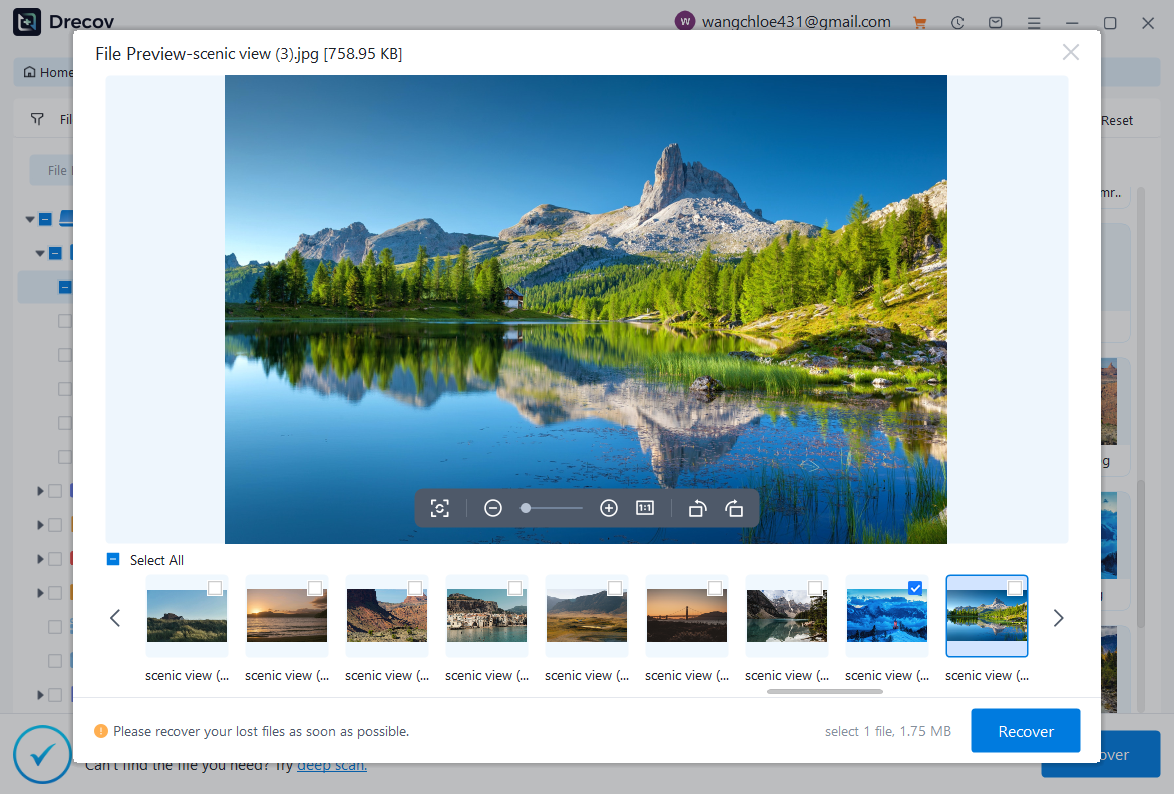
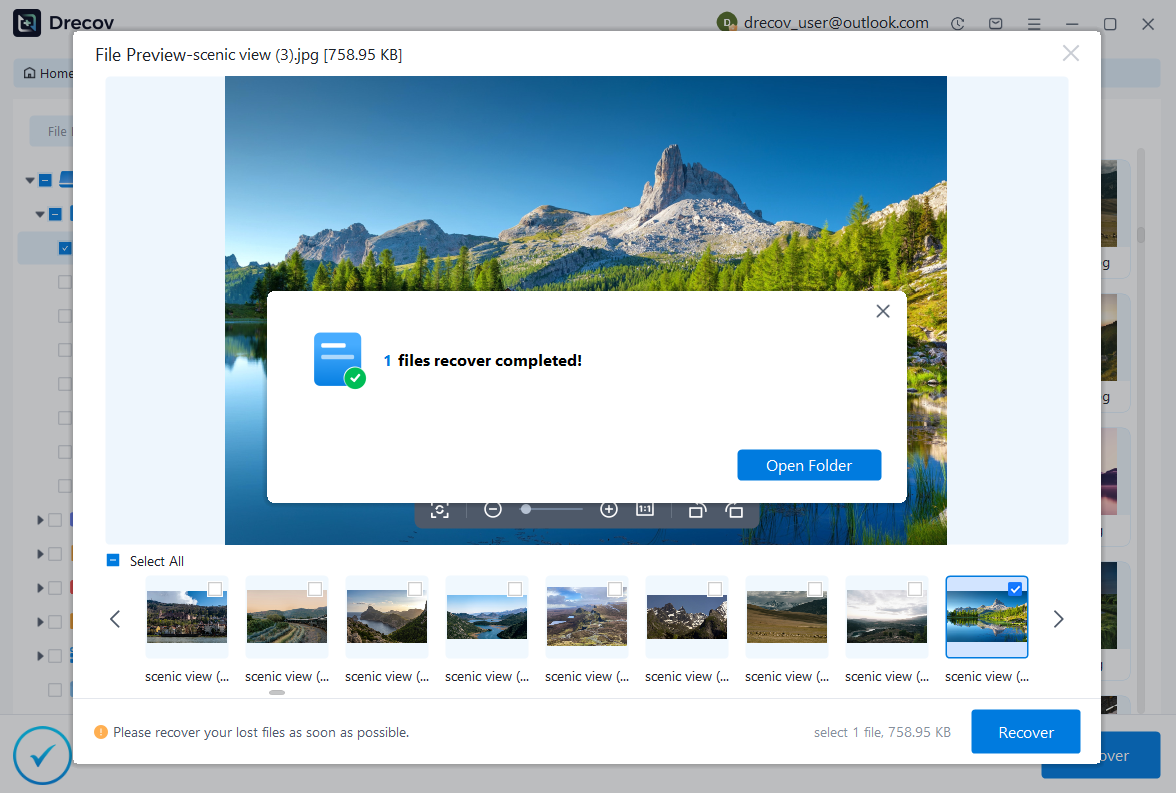
Pandaoffice Drecov provides a safe way to recover data from CF card without formatting:
- Connect the CF card to your PC via a PC CF card reader.
- Launch Pandaoffice Drecov → Select the CF card → Start a deep scan.
- Preview files and select which ones to restore.
- Save recovered files to a separate drive, not the original CF card.
Test Environment:
- Device: Canon 5D Mark IV
- CF Card: 128GB UDMA 7
- Scenario: Card became unreadable after sudden power loss
This method minimizes the risk of further corruption while recovering essential photos, videos, and documents.

Why Choose PandaOffice Drecov?
When it comes to reliable file data recovery, PandaOffice Drecov offers a balanced combination of performance, ease of use, and broad compatibility. Whether you’ve lost important business files or personal memories, it provides an efficient way to restore data from various loss scenarios, including system crashes, accidental deletion, and formatted drives.
For users looking for advanced Photo Data Recovery Software, PandaOffice Drecov supports a wide range of image formats and storage devices. It can recover high-quality photos from SD cards, cameras, and internal drives while preserving original resolution and file structure. This makes it especially useful for photographers and everyday users alike.
If you are dealing with storage device issues, its external hard drive recovery capability ensures that data can be retrieved from USB drives, HDDs, and SSDs with minimal effort. The software performs deep scans to locate hidden or lost files, even in complex situations like partition loss.
In addition, PandaOffice Drecov excels in Document Recovery, helping users restore essential files such as Word, Excel, and PDFs. It also supports powerpoint recovery, allowing you to retrieve unsaved or deleted presentation files quickly—ideal for professionals working under tight deadlines.
Method 2 – Using Disk Check Utilities
If the CF card is recognized but inaccessible, disk utilities can help:
- Insert the card into a PC CF card reader.
- Open Command Prompt → type
chkdsk X: /f(replace X with the card’s drive letter). - Let the system repair file system errors.
- Check if files become accessible.
Test Environment:
- Device: Nikon Z9
- Scenario: CF card displayed RAW format after abrupt removal
⚠️Warning: Disk repair tools may occasionally fail on heavily corrupted cards; backup before attempting.
Method 3 – Recover Deleted Files from CF Card
For accidental deletion:
- Connect CF card to a computer using a card reader.
- Use recovery software to scan for deleted files.
- Recover photos, videos, or documents.
- Verify recovered data before reformatting or writing new files.
Test Environment:
- Device: Canon EOS R5
- Scenario: 500 photos accidentally deleted during file transfer
This method is effective for logical deletion without physical damage.
Method 4 – Recover Data from CF Card Using Backup Images
Creating backup images ensures safe recovery:
- Use disk imaging software to create a clone of the CF card.
- Run recovery tools on the cloned image, not the original card.
- Recover lost data from the backup image.
Test Environment:
- Device: GoPro HERO10
- Scenario: CF card became unreadable after firmware update
Cloning prevents further data loss and preserves the original card integrity.
Method 5 – Recover Data from CF Card Using File History or Backups
If your system has backup enabled:
- Connect the CF card to your PC via a PC CF card reader.
- Access File History or backup software on your computer.
- Locate the CF card’s previous versions or backup copies.
- Restore the needed files to a safe location.
Test Environment:
- Device: Nikon D750
- Scenario: 64GB CF card files accidentally deleted; restored from Windows File History
⚠️Warning: Always restore to a different drive to prevent overwriting existing data.
Method 6 – Using Command-Line Recovery for CF Cards
Advanced users can leverage command-line tools:
- Insert the CF card into a PC CF card reader.
- Open Command Prompt → type
attrib -h -r -s /s /d X:*.*(replace X with drive letter). - Recover hidden or system-flagged files.
- Move recovered files to a safe folder.
Test Environment:
- Device: Canon EOS-1D X Mark II
- Scenario: Hidden system files after accidental deletion
This method is effective for logical errors but requires careful attention to avoid accidental overwriting.
Method 7 – Formatting and Post-Recovery Strategy
When a CF card is severely corrupted:
- Attempt to recover files first using Pandaoffice Drecov.
- Once files are safely backed up, format the card in exFAT or FAT32 as compatible with your device.
- Test the card by writing a few files before full usage.
Test Environment:
- Device: Nikon D850
- Scenario: 128GB CF card unreadable after power interruption during write
⚠️Warning: Formatting should only be done after attempting data recovery; otherwise, lost files may become unrecoverable.
Method 8 – Preventive Maintenance to Avoid CF Card Data Loss
To minimize future risks:
- Regularly backup CF card data to a secure drive.
- Avoid abrupt removal during read/write operations.
- Keep your PC CF card reader drivers updated.
- Use high-quality CF cards from reputable brands to reduce failure risk.
Test Environment:
- Device: Canon EOS R6
- Scenario: Monitored CF card health over six months with frequent backups
Preventive care greatly reduces the need for recovery interventions.
Frequently Asked Questions About CF Card Recovery
How to recover data from CF card safely?
Using Pandaoffice Drecov provides a secure, step-by-step approach without risking further corruption. Always connect through a reliable PC CF card reader and avoid writing new files.
Can I recover data from a physically damaged CF memory card?
Partial recovery may be possible. Software can handle logical errors, but physical damage often requires professional lab services.
Are all CF cards compatible with standard PC CF card readers?
Most standard CF memory cards are compatible, but high-capacity UDMA cards may require updated or specific readers to ensure proper recognition.
Is recovery guaranteed after accidental deletion?
⚠️Warning: Recovery success depends on whether the deleted files were overwritten. Using recovery software immediately improves chances.
What steps should I take if my CF card is unreadable?
- Avoid adding new files.
- Connect the card via a PC CF card reader.
- Attempt logical recovery first with software like Pandaoffice Drecov.
- If unsuccessful, consider professional recovery services.
Conclusion: Safely Recover and Manage CF Card Data
Recovering data from CF cards requires careful handling, proper tools, and preventive practices. Key points include:
- Always use high-quality cf memory cards and PC CF card readers.
- Prioritize recovery with reliable software such as Pandaoffice Drecov before attempting formatting.
- Backup files regularly to prevent loss from corruption, deletion, or device errors.
- Use disk checks, command-line recovery, and imaging methods to maximize recovery success.
- Safely eject and maintain your CF cards to extend their lifespan.
Following these methods ensures you can recover data from CF card efficiently while minimizing the risk of permanent data loss.
⚠️Warning: Consistent card errors may indicate a failing CF card that needs replacement to avoid losing important files permanently.





