







Formatting a hard drive is a common task for Windows users, especially when installing a new system, fixing boot issues, or preparing a disk for reuse. Many people search for how to format a new hard drive when Windows fails to load or the operating system becomes inaccessible. In these cases, formatting from the BIOS or pre-boot environment is often considered a last-resort solution.
However, formatting a hard drive—especially from BIOS—can lead to unexpected data loss if performed incorrectly. Files may become inaccessible, partitions may disappear, and important documents can be erased within seconds. This is why understanding the correct process, risks, and recovery options is essential before taking action.
This guide provides a complete, beginner-friendly explanation of how to format a hard drive Windows 11, including system-level methods, command-line approaches, and BIOS-related scenarios. It also explains what happens to your data during formatting and how hard drive recovery may still be possible afterward using appropriate tools such as Pandaoffice Drecov.
⚠️ Warning: Formatting a hard drive removes file system references. Always back up important data before proceeding.
Hi! Recently my hard disk was broken and I can’t boot it to Windows 10. It would load and it will get stuck on the loading screen and then show a BSOD. I want to make a clean installation but I also want to format my hard disk too. Does the installation let me format it so that I can reinstall Windows 10?—from Microsoft Store
Understanding BIOS and Its Role in Hard Drive Formatting
What Is BIOS and How It Interacts with Hard Drives
The Basic Input/Output System (BIOS) is firmware embedded on a computer’s motherboard. It initializes hardware components and prepares the system to load an operating system. While BIOS itself does not include a traditional “format” button, it controls disk detection, boot order, and low-level disk access.
When users refer to reformat hard drive from BIOS, they often mean formatting a drive using tools accessible before Windows boots. This may include Windows installation media, command-line utilities, or recovery environments that are launched through BIOS boot settings.
BIOS determines whether a hard drive is visible to the system. If a disk is not detected in BIOS, it cannot be formatted using any software method. This makes BIOS configuration a critical prerequisite for any disk formatting operation.
Understanding BIOS behavior helps users avoid common mistakes, such as attempting to format a drive that is disabled or improperly connected.
Can You Really Format a Hard Drive Directly from BIOS?
Strictly speaking, BIOS alone cannot format a hard drive. BIOS does not contain file system tools. However, BIOS allows users to boot into environments where formatting is possible, such as Windows Setup, recovery tools, or command-line interfaces.
This distinction is important for users searching how to format disk from BIOS. The actual formatting is performed by an operating system tool, but BIOS determines access to that tool.
Common BIOS-related formatting scenarios include:
- Formatting during Windows installation
- Formatting using Command Prompt launched from boot media
- Preparing a drive when Windows cannot start
Understanding this workflow prevents confusion and ensures the correct method is chosen.
Common Reasons to Format a Hard Drive in Windows 11
Formatting a New or Uninitialized Hard Drive
When installing a new drive, Windows may not recognize it until it is formatted. Many users encounter this situation when searching how to format a new hard drive for the first time.
A new disk often appears as “unallocated” in Disk Management. Without formatting, it cannot store files or applications. Formatting creates a file system that Windows can read and write.
In most cases, this process is safe as long as the drive does not contain existing data. However, mistakes happen when users accidentally format the wrong disk, leading to data loss.
⚠️ Warning: Always confirm disk capacity and label before formatting to avoid erasing the wrong drive.
Fixing System Errors or Boot Problems
Serious system errors, malware infections, or corrupted partitions may require formatting as a recovery step. When Windows 11 fails to boot, users often turn to BIOS-based methods to access formatting tools.
In such cases, formatting may restore system functionality but will remove user data. This is why understanding hard drive recovery options beforehand is critical.
How Formatting Affects Data on a Hard Drive
What Happens to Files During Formatting
Formatting does not instantly destroy all data. In most cases, it removes file system structures and marks storage space as available. The actual data remains on the disk until overwritten.
This behavior explains why hard drive recovery is sometimes possible after formatting. However, continued use of the drive reduces recovery success.
Quick Format vs Hard Format Explained
A quick format deletes file references only, while a hard format scans the disk for errors and may overwrite data. Users searching how to hard format a hard drive should understand that hard formatting significantly reduces recovery chances.
Choosing the correct format type is essential depending on your goal—speed, security, or repair.
How to Format a Hard Drive on Windows 11 Using System Tools
Formatting via Disk Management
Disk Management is the most user-friendly method for formatting drives in Windows 11. It allows users to format internal and external drives with a graphical interface.
Steps include:
- Open Disk Management
- Select the target drive
- Choose format options
- Confirm the operation
This method is ideal when Windows is accessible and the drive is detected correctly.
How to Format a Hard Drive CMD (Command Prompt)
Command Prompt provides advanced control and is useful when Disk Management fails. Users often search how to format a hard drive cmd when dealing with corrupted partitions.
Using tools like DiskPart, users can clean, partition, and format disks manually. This method is powerful but risky if commands are entered incorrectly.
⚠️ Warning: DiskPart commands apply instantly and cannot be undone.
How to Format Hard Drive from BIOS-Related Environments
Formatting During Windows Installation
When installing Windows 11, users can format drives during the setup process. BIOS is used to boot from installation media, and formatting occurs within the installer.
This method is commonly associated with reformat hard drive from BIOS searches, even though formatting is handled by Windows Setup.
Using Command Prompt from Boot Media
Bootable media allows access to Command Prompt without loading Windows. From there, users can format disks using command-line tools.
This approach is useful when Windows is corrupted or inaccessible.
What to Do If Data Is Lost After Formatting
Is Hard Drive Recovery Still Possible After Formatting?
Yes, in many cases. As long as data has not been overwritten, recovery may still be possible. This is where specialized recovery tools become relevant.
Using Pandaoffice Drecov for Hard Drive Recovery
Pandaoffice Drecov supports recovery from formatted hard drives, USB drives, SD cards, and the recycle bin. It scans storage devices deeply to locate recoverable files without modifying original data.
The recovery process typically involves:
- Selecting the formatted drive
- Running a deep scan
- Previewing and restoring files to a safe location
This makes Pandaoffice Drecov a practical solution for recovering data after formatting mistakes.
How to Format a Hard Drive from BIOS in Windows: Detailed Scenarios
How to Format Disk from BIOS Using Windows Setup
When Windows cannot boot normally, many users search for how to format disk from BIOS as a solution. In practice, BIOS itself does not format disks, but it allows you to boot into Windows Setup, where formatting becomes possible.
The process usually begins by entering BIOS and setting the boot order to prioritize a Windows installation USB or DVD. Once the system boots into the Windows Setup interface, users can choose custom installation options. At this stage, all detected hard drives and partitions are listed, and formatting options become available.
This method is often used when reinstalling Windows 11 on a corrupted system drive. It is effective because it bypasses the existing operating system entirely. However, formatting at this stage removes all data on the selected partition.
⚠️ Warning: Formatting the wrong partition during Windows installation can erase valuable data instantly. Always double-check disk size and labels before proceeding.
This approach is commonly mistaken as directly “formatting from BIOS,” but technically, BIOS only enables access to the formatting environment.
Reformat Hard Drive from BIOS for Boot Repair Purposes
Another common scenario involving reformat hard drive from BIOS is boot repair. When a system fails to boot due to damaged boot records or severe file system errors, formatting the affected partition may seem like the only option.
By adjusting BIOS boot settings, users can access recovery tools or command-line environments where disk formatting commands are available. This method is often combined with disk cleanup or partition restructuring.
While effective in restoring system functionality, this approach carries a high risk of data loss. Users should consider recovery options before formatting, especially if the drive contains important files.
Understanding the true role of BIOS helps prevent unnecessary formatting and encourages safer recovery-first strategies.
Comparing All Hard Drive Formatting Methods in Windows 11
Disk Management vs Command Prompt vs BIOS-Related Methods
Windows 11 provides multiple ways to format a hard drive, each suited to different situations. Disk Management is ideal for beginners and works well when Windows is accessible. Command Prompt offers advanced control and is suitable for damaged partitions.
BIOS-related formatting methods are used when Windows cannot load. These methods rely on external environments rather than BIOS itself.
Pros and cons comparison:
- Disk Management
- Pros: Easy, visual, safe
- Cons: Requires Windows to boot
- Command Prompt
- Pros: Powerful, flexible
- Cons: High risk of user error
- BIOS-related environments
- Pros: Works without Windows
- Cons: Higher data loss risk
Choosing the right method reduces mistakes and protects data integrity.
Data Loss After Formatting: Causes and Prevention
Why Formatting Leads to Data Loss
Formatting removes file system references, making files invisible to the operating system. Even though data may physically remain, users can no longer access it normally.
Accidental formatting, selecting the wrong disk, or misunderstanding formatting options are common causes of data loss. These mistakes are especially frequent when users attempt advanced methods without preparation.
How to Prevent Data Loss Before Formatting
Before formatting any drive, users should:
- Back up important files
- Verify disk identity
- Disconnect unnecessary external drives
- Understand format type differences
⚠️ Warning: Never format a drive without confirming that backups exist or recovery options are available.
Free and Practical Methods for Hard Drive Recovery
Method 1: Recover Files from Recycle Bin
If files were deleted before formatting, the Recycle Bin may still contain them. This is the simplest recovery method and should always be checked first.
Steps:
- Open Recycle Bin
- Locate deleted files
- Restore them to a safe location
Tips: Act quickly before emptying the bin.
Precautions: Restored files may overwrite existing data if placed incorrectly.
Method 2: Use Built-in System Recovery Tools
Windows File History and System Restore may recover files or previous system states if enabled.
Steps:
- Open Settings
- Navigate to Recovery options
- Select available restore points
Tips: Works best when backups were configured in advance.
Precautions: Restore may affect recent system changes.
Method 3: Use Data Recovery Software
Data recovery software can scan formatted drives for recoverable files. This method is useful when built-in tools fail.
Steps:
- Connect the formatted drive
- Run a scan
- Preview and recover files
Tips: Save recovered files to a different drive.
Precautions: Avoid installing software on the formatted disk.
Method 4: Restore from Cloud Backups (Additional Method)
Cloud services may retain older file versions.
Steps:
- Log into cloud account
- Check file history or deleted files
- Restore needed data
Method 5: Recover from External Backup Devices (Additional Method)
External drives used for backups may contain copies of lost files.
Steps:
- Connect backup drive
- Browse backup folders
- Copy files back safely
Method 6: Professional Data Recovery Services (Additional Method)
For severe cases such as physical damage, professional services may help.
⚠️ Warning: These services can be expensive and are not guaranteed.
Recommended Solution: Recover Data After Formatting with Pandaoffice Drecov
Why Pandaoffice Drecov Is the Most Effective Option
Among available options, Pandaoffice Drecov provides a balanced solution for users who accidentally formatted a drive. It supports hard drive recovery, USB drives, SD cards, and recycle bin recovery.
It operates in read-only mode, reducing the risk of overwriting data during scanning.
3 Simple Steps to Recover Data from a Formatted Hard Drive
Download Drecov- Launch Pandaoffice Drecov and select the formatted drive
- Run a deep scan to locate lost files
- Preview and recover files to a secure location
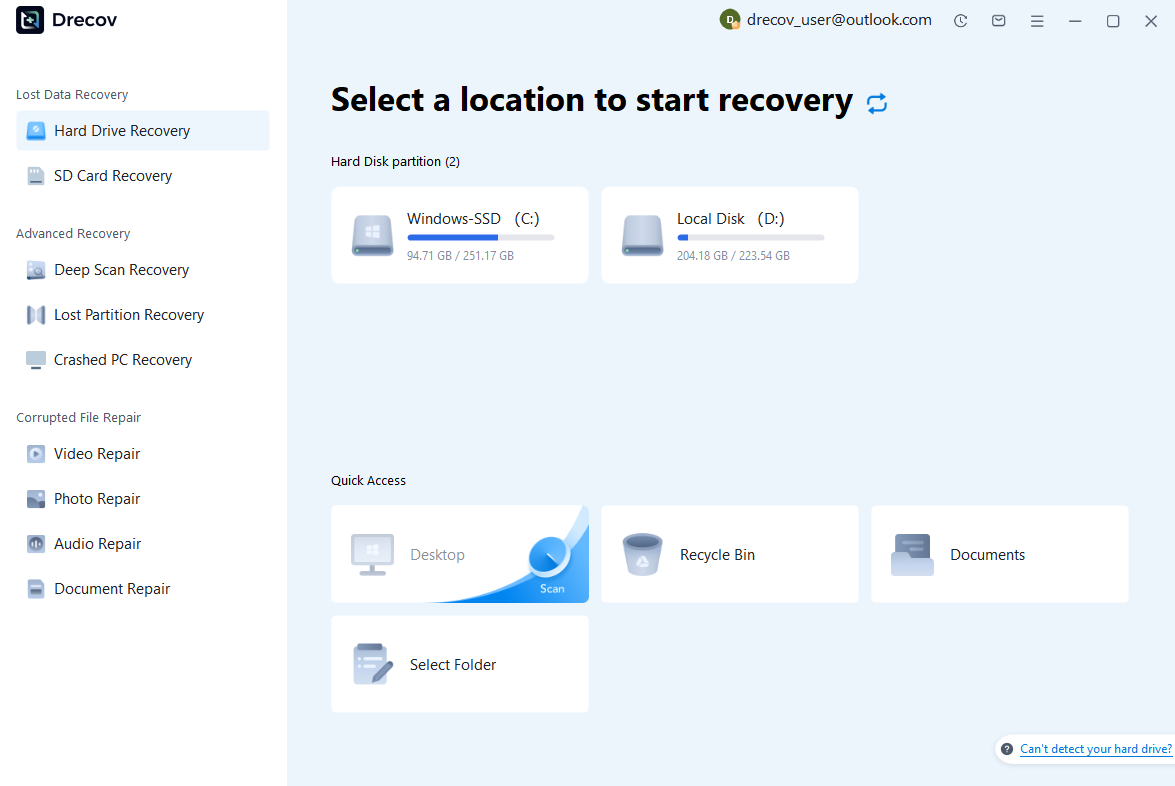


This streamlined process makes recovery accessible even to non-technical users.
Frequently Asked Questions About Formatting and Recovery
How to format a hard drive Windows 11 safely?
Use Disk Management and verify the correct disk before formatting.
How to format a hard drive cmd when Windows won’t boot?
Use boot media to access Command Prompt and DiskPart carefully.
How to format a hard drive in BIOS directly?
BIOS cannot format disks directly but enables access to formatting tools.
Can hard drive recovery work after formatting?
Yes, if data has not been overwritten.
How to hard format a hard drive securely?
Use full format options, understanding that recovery chances are reduced.
Conclusion: How to Format a Hard Drive on Windows 11 the Right Way
Understanding how to format a new hard drive and advanced methods such as BIOS-related formatting helps users avoid costly mistakes. Formatting is powerful but risky when performed without preparation.
If data loss occurs, hard drive recovery remains possible in many cases. Tools like Pandaoffice Drecov provide a practical recovery path after accidental formatting. By choosing the right formatting method and acting quickly, users can protect both their system and their data.





