







Understanding Word Document Password Protection
Microsoft Word allows users to protect documents with passwords to prevent unauthorized access, unwanted editing, or accidental changes. Password protection is commonly used for business reports, financial documents, personal files, contracts, and confidential information. However, there are situations where users need to remove the protection, such as when they forget the password, no longer need restrictions, or want to edit an old document.
Before learning how to remove password from a Word file, it is important to understand that Word provides different types of protection. The most common one is an opening password, which requires users to enter a password before viewing the document. Without the correct password, the file content remains inaccessible. Another type is editing protection, which allows users to open and read the document but prevents modifications unless the restriction is removed.
The method you choose depends on the type of password applied to the Word document. If you still know the password, removing protection is usually simple through Microsoft Word’s built-in settings. However, if the password has been forgotten, additional recovery methods may be required.
Many users search for how to remove password on word because they want to regain full control over their documents without creating a new file. Fortunately, there are several approaches available, including changing Word security settings, editing document files, restoring previous versions, and recovering inaccessible files.
⚠️Warning: Removing password protection should only be performed on documents you own or have permission to modify. Attempting to bypass protection on someone else’s private files may create legal and security issues.
What You Should Know Before Removing a Password from a Word File
Before trying different methods, preparing the document properly can help prevent accidental data loss. Password-protected Word files may contain important information, and incorrect changes to the file structure could damage the document.
The first step is identifying whether the password protects the entire document or only editing functions. If Word asks for a password immediately when opening the file, the document uses an opening password. If the document opens normally but cannot be edited, it is likely protected through Word’s editing restriction feature.
Another important preparation step is creating a copy of the original document. Some methods require modifying file settings or changing document formats. Working on a duplicate ensures that the original file remains safe if something goes wrong.
You should also check the document format. Modern Word files usually use the DOCX format, while older versions may use DOC files. Different formats require different approaches. For example, DOCX files are compressed packages containing XML files, which means some protection settings can be modified through file structure changes.
Users searching how to remove password protected document in word should also know that there is no universal method that works in every situation. If the password is unknown and strong encryption is applied, recovery may not always be possible without the correct password.
Before continuing, make sure your Microsoft Word application is updated and that you have enough storage space to create backups.
Check the Type of Word Document Password Protection
The first thing to determine is what type of password protection has been applied. Open the document and observe how Word responds.
If Word displays a password request before showing the content, the file is protected with an opening password. This security method encrypts the document and prevents unauthorized access.
If the document opens but shows a message that editing is restricted, the protection only limits modifications. In this case, users can usually remove restrictions if they know the password.
Understanding the protection type saves time because different solutions are designed for different situations. Trying an editing restriction removal method on an encrypted file will not work.
Create a Backup Copy Before Removing Protection
Creating a backup is an essential step before attempting any password removal method. Save a duplicate copy of the protected Word document in another folder or on an external storage device.
When modifying document settings manually, even a small mistake can make the file unreadable. A backup allows you to restart the process without losing important information.
For important business documents, keeping multiple copies is recommended. You can store one copy locally and another in cloud storage for additional protection.
Confirm You Have Permission to Modify the Document
Password protection exists to protect document security. Before removing any restrictions, confirm that you are authorized to make changes.
For personal documents, removing a forgotten password can help restore access to your own files. For workplace documents, you should contact the document owner or administrator if you do not have authorization.
Using proper permission practices prevents accidental exposure of confidential information.
How to Remove Password from a Word File with Microsoft Word Settings
Microsoft Word provides a built-in option for removing passwords when you already know the current password. This is the easiest and safest solution because it uses Word’s official security controls.
This method works best when the document is accessible and you simply want to disable password protection. It does not require additional software or advanced technical knowledge.
The process is slightly different depending on whether the password prevents opening the file or only restricts editing. Users who search how to remove password protection from word document can usually solve the issue directly through Word’s information settings.
Remove an Opening Password from a Word Document
Test environment:
- Operating system: Windows 11 64-bit
- Microsoft Word version: Microsoft 365 Desktop Edition
- File format tested: DOCX document
- Document condition: Opens successfully with the correct password
If you know the current password, removing an opening password only takes a few steps.
First, open the protected Word document and enter the password when prompted. After the document loads, click the File menu in the upper-left corner.
Select Info, then choose Protect Document. A dropdown menu will appear with different protection options. Select Encrypt with Password.
A password box will appear. The existing password will be displayed as hidden characters. Delete the password completely and leave the field empty. Then click OK to confirm the change.
Finally, save the document. When you reopen the file, Word should no longer request a password.
This method is useful for users who remember the password but no longer want encryption. It is also the recommended approach because it keeps the document structure unchanged.
However, if you forgot the password and cannot open the document, this solution will not work because Word requires authentication before accessing security settings.
Remove Editing Restrictions from a Password Protected Word Document
Test environment:
- Operating system: Windows 10 64-bit
- Microsoft Word version: Word 2021
- File format tested: DOCX
- Document condition: Opens but editing is blocked
Some Word documents allow viewing but prevent users from making changes. This type of protection can usually be removed through the Review menu.
Open the document and select the Review tab. Find the Restrict Editing option, usually located on the right side of the toolbar.
A panel will appear showing the current editing restrictions. Click Stop Protection at the bottom of the panel.
If a password was set, Word will ask you to enter it. After entering the correct password, the restrictions will be removed, allowing normal editing.
Save the document to apply the changes.
This method explains how to remove password protected word document restrictions when the password is available. It is different from removing an encryption password because the document content is already accessible.
If you cannot remember the restriction password, you may need to try alternative solutions such as modifying the document file structure or restoring an earlier version.
How to Remove Password Protection from Word Document Using File Format Changes
When users forget the editing password but can still open the Word document, changing the internal file structure can sometimes help remove restrictions. Modern Word documents saved in DOCX format are actually compressed packages containing multiple XML files. Some document settings, including editing restrictions, are stored inside these XML files.
This method is mainly suitable for documents with editing limitations rather than encrypted opening passwords. If the document cannot be opened because Word requests a password before displaying any content, modifying the file structure will usually not bypass encryption.
Before applying this solution, create a copy of the original document. Incorrect changes to internal files may cause Word to display errors or prevent the document from opening properly.
Users searching how to remove password protection from word document often choose this method because it does not require the original editing password. However, it requires careful handling of file extensions and compressed folders.
Convert DOCX Files into ZIP Format to Access Document Settings
Test environment:
- Operating system: Windows 11 64-bit
- Microsoft Word version: Microsoft 365
- File format tested: DOCX
- Document condition: Opens normally but editing is restricted
A DOCX file contains multiple folders and XML files that control document behavior. By converting the file into a ZIP archive, users can access these internal components.
First, create a duplicate copy of the Word document. Right-click the copy and select Rename. Change the file extension from .docx to .zip.
Windows will display a warning asking whether you want to change the file extension. Confirm the change.
Next, open the ZIP file using File Explorer or another archive tool. Navigate through the folders until you find the word folder. Inside this folder, locate the file named settings.xml.
This XML file contains document configuration information, including some protection settings. Open the file using a text editor such as Notepad.
Search for protection-related entries, usually containing terms connected with document restrictions. Remove the protection-related section carefully, then save the file.
After editing, return the modified files back into the ZIP archive structure and rename the file extension from .zip back to .docx.
Open the document in Microsoft Word and check whether editing restrictions have been removed.
This approach can be effective for certain restriction settings, but it should be performed carefully because changing XML files incorrectly may damage the document.
⚠️Warning: Always work on a duplicate copy. Editing internal Word files incorrectly may make the document unreadable.
Modify Word XML Files to Disable Password Restrictions
Test environment:
- Operating system: Windows 10 64-bit
- Microsoft Word version: Word 2019
- File format tested: DOCX
- Document condition: Editing protection enabled without opening encryption
Another way to remove restrictions from a Word document is by modifying the XML configuration directly. This method is similar to accessing the hidden structure of the DOCX package.
After changing the DOCX extension to ZIP, extract all files into a separate folder. Locate the document settings file inside the extracted folder structure.
Open the XML file with a basic text editor. Word stores protection information using XML tags, which define whether editing restrictions are active and what type of protection is applied.
Find the section related to document protection. Remove only the protection element and avoid changing unrelated XML information.
After saving the file, compress the extracted folders back into a ZIP archive. Rename the archive extension to DOCX and test the document in Microsoft Word.
If the modification is successful, Word should open the document without the previous editing limitation.
This technique explains how to remove password on word when the restriction applies only to editing permissions. It does not decrypt files protected with strong opening passwords because those passwords protect the entire document content.
For users unfamiliar with XML editing, this method may seem complicated. In that situation, restoring an earlier version of the document or using professional recovery tools may be easier.
How to Remove Password Protected Document in Word When You Forgot the Password
Forgetting a Word document password is a common problem, especially when files have not been opened for a long time. Many users store important documents such as reports, resumes, financial records, and personal files with password protection, but later cannot remember the credentials.
The available solutions depend on whether the password protects opening access or only editing functions. If the document is encrypted and cannot be opened, recovery options are more limited because Microsoft Word uses security encryption to protect the file.
However, if the document was previously saved, backed up, or synchronized, users may be able to recover an accessible version without removing the password directly.
When looking for how to remove password protected word document, users should first check available backups before trying advanced methods. A previous version may contain the same information without password restrictions.
Recover Access Through Previous Versions or Backups
Test environment:
- Operating system: Windows 11 64-bit
- Storage location tested: Local Windows drive
- File format tested: DOCX
- Document condition: Password forgotten but previous versions available
Windows and cloud services sometimes keep previous copies of documents. These versions can help users recover content when the current file is locked.
Start by locating the Word document in File Explorer. Right-click the file and select Properties. Open the Previous Versions tab if available.
If Windows has created restore points or file history copies, older versions may appear. Select a version created before the password was added and restore or copy it to another location.
Users who store documents in cloud platforms should also check their backup history. Some services automatically maintain previous file versions, allowing users to restore an earlier copy.
This method does not technically remove the password from the protected document. Instead, it replaces the locked file with an accessible version containing the same information.
It is one of the safest approaches because it avoids modifying the original file structure.
However, previous versions are not always available. If no backup exists, users may need to explore other recovery options.
Use Document Recovery Software to Restore Lost Word Files
Test environment:
- Operating system: Windows 11 64-bit
- Storage device tested: Internal HDD and SSD
- File types tested: DOCX and DOC documents
- Document condition: Word files deleted or inaccessible after storage issues
Sometimes users do not only lose access because of passwords. Word documents may also disappear after accidental deletion, formatting errors, system crashes, or storage problems. In these situations, recovering the original file may be more practical than trying to remove the password.
For recovering lost Word documents from Windows storage devices, users can use file recovery software designed to scan drives and locate deleted or missing files.
PandaOffice Drecov is a Windows-based recovery solution that can help restore deleted or lost documents from hard drives, SSDs, external storage devices, and other supported media. It provides scanning options to search for recoverable files and allows users to preview available results before recovery.
To use it, install PandaOffice Drecov on a Windows computer, select the drive where the Word document was stored, and start the scanning process. After the scan completes, review the detected files and recover the required documents to another storage location.
Steps
- Confirm that Windows can open the target storage after password reset, account recovery, decryption, or device repair.
- Stop saving new files to the same storage source.
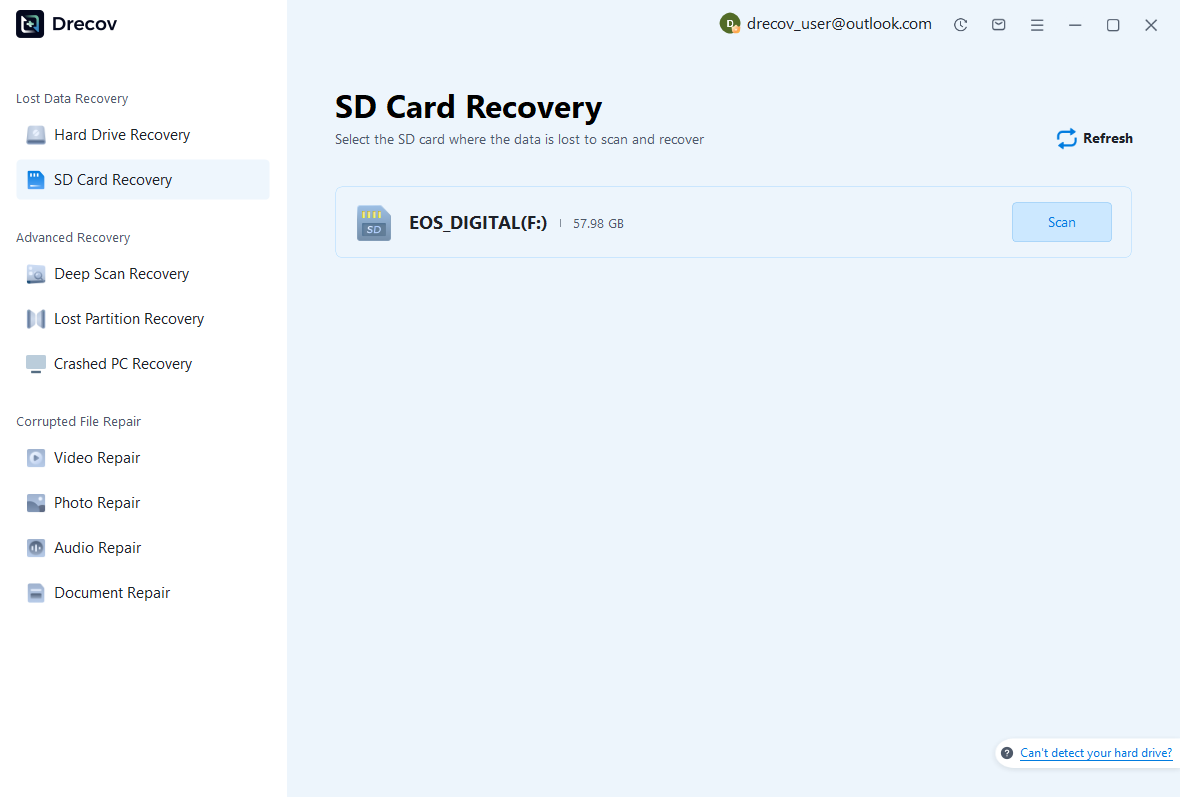
- Open PandaOffice Drecov and choose the drive, partition, SD card, or external storage device that lost files.
- Start the scan and wait for quick scan and deep scan results.
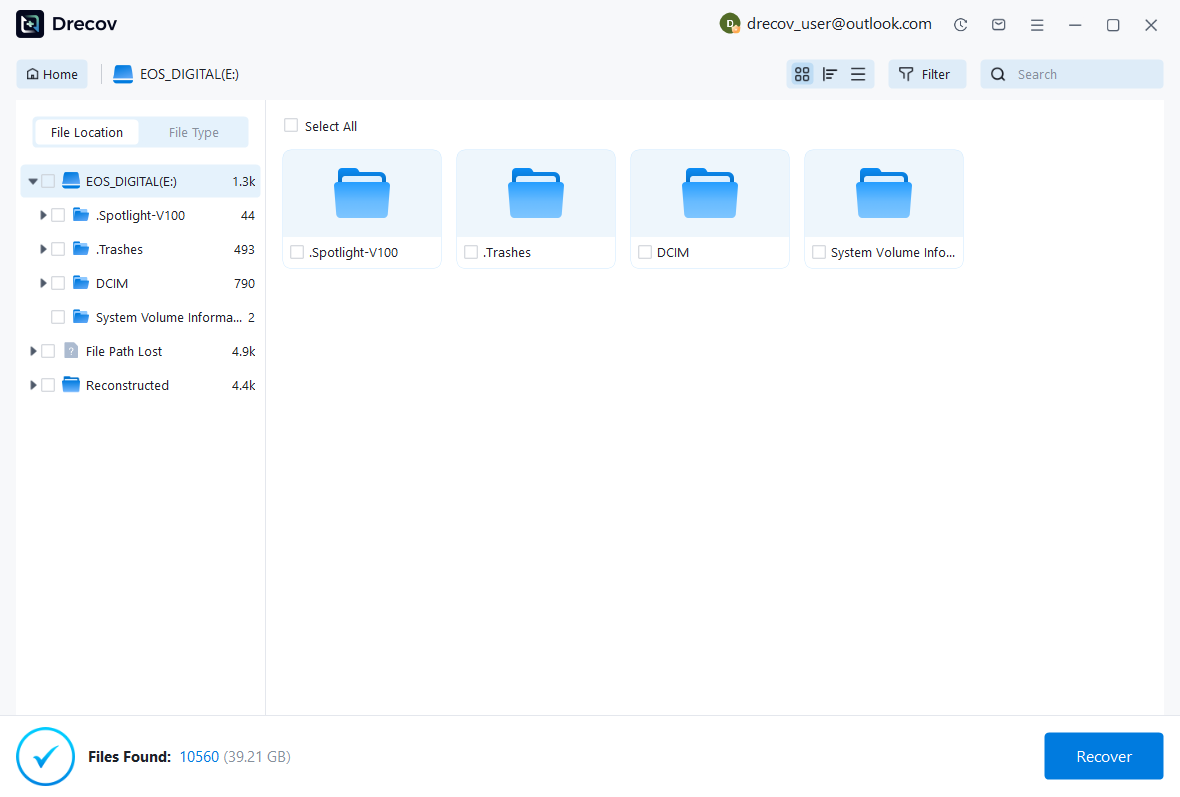
- Filter by documents, images, videos, archives, downloads, or original folders.
- Preview important files before recovery.

- Recover selected files to another drive, not back to the source storage.
- Open recovered files before deleting scan results or changing the original device.
Recovering files to a different location helps avoid overwriting existing data.
This method is useful when the original Word document has been deleted or lost, but it does not remove encryption from a password-protected file. If the recovered document still requires a password, you will need the original password or another authorized access method.
How to Reset Instagram Password and Why It Is Different from Word Password Recovery
Although users sometimes search how to reset instagram password together with document password recovery questions, these two situations are completely different.
Instagram password recovery is an online account recovery process managed by the platform. Users normally regain access through verified email addresses, phone numbers, or identity confirmation methods.
A Word document password, however, is stored inside the document itself. There is no account system or online reset option connected to Microsoft Word files. If a password is forgotten, users must rely on available backups, remembered credentials, or recovery methods related to the file.
Understanding this difference prevents confusion when searching for password solutions. Social media accounts and local documents use different security systems.
For Word documents, maintaining organized backups and password records is the best way to prevent permanent access problems.
Common Problems When Trying to Remove Password on Word
Removing password protection does not always work immediately. Users may encounter errors because of incorrect passwords, damaged files, unsupported formats, or insufficient permissions.
Understanding common problems can help identify the right solution instead of repeatedly trying ineffective methods.
Word Still Requests a Password After Removing Protection
Test environment:
- Operating system: Windows 11
- Microsoft Word version: Microsoft 365
- File format tested: DOCX
If Word continues requesting a password after protection removal, the document may contain multiple security layers.
For example, removing editing restrictions does not remove an opening password. These are separate protection settings.
Check the document settings again and confirm whether encryption has been removed. If the password prompt appears before the document opens, the file still has opening protection enabled.
The Document Cannot Be Edited After Password Removal
Test environment:
- Operating system: Windows 10
- Microsoft Word version: Word 2021
Sometimes Word opens successfully but editing remains unavailable.
This may happen because the document is marked as read-only, stored in a restricted folder, or protected by another security setting.
Check the file properties, permissions, and Word’s protected view settings. Saving a new copy under another name can also resolve some editing issues.
Frequently Asked Questions About Removing Word Password Protection
Can I remove a Word password without knowing it?
If the password only protects editing restrictions, some methods may remove the limitation. However, encrypted opening passwords are designed to prevent unauthorized access and usually require the correct password.
Does changing DOCX to ZIP remove every Word password?
No. File conversion methods mainly work for certain editing restrictions. They cannot reliably remove strong encryption used for opening passwords.
How can I avoid losing access to Word files in the future?
Keep secure backups, store passwords safely, and avoid using passwords that are difficult to remember.
Final Thoughts on How to Remove Password Protected Word Document
Knowing how to remove password protected document in word can help users regain control over important files. The best method depends on the type of protection applied and whether the original password is available.
If you remember the password, Microsoft Word’s built-in security settings provide the simplest solution. When editing restrictions are locked, file format methods or previous versions may help. For lost Word files caused by deletion or storage problems, recovery software can provide another option.
The most effective long-term approach is prevention. Keeping backups and managing passwords properly reduces the risk of losing access to important documents.
By choosing the correct method and following safe procedures, users can remove unnecessary restrictions while keeping their valuable files protected.






