







Video van youtube downloaden is a common search from users who want to save or reuse YouTube content. Many users search for video van youtube downloaden when a video task stops at the wrong moment. The problem may involve a download, export, edit, conversion, transcript, or missing source file. Start with the file itself. Confirm where the video last appeared. Then decide whether you need a tool fix, a workflow change, or data recovery.
The safer approach starts with ownership, permission, and local file protection. New edits and repeated downloads can hide the original loss. They can also create extra files with similar names. Keep the source location quiet if the missing file matters. Work from a copy whenever possible.
Quick Answer for YouTube Download Questions
The safest answer is practical. Use legitimate sources, respect platform rules, and keep a local backup of any file you create or own. If video van youtube downloaden leads to a missing file, stop writing new data to the original folder or drive. Then scan that exact location before you rebuild the project.
For local video loss, Drecov data recovery software can help scan PCs, USB drives, SD cards, external drives, and other storage devices. Related guides such as YouTube MP4 download fixes, YouTube video unavailable fixes, and lost video recovery steps can help with nearby video recovery cases. For tool or platform behavior, review YouTube download guidance before you change settings.
⚠ Warning: Install it on a drive different from the one where your data was lost to prevent overwriting.
Why YouTube Download Questions Problems Happen
YouTube download problems can involve account limits, copyright rules, browser behavior, or missing exports. A file may move to Downloads, a browser cache, a camera folder, or a cloud sync folder. An editor may create a new export while leaving the source file behind. A failed transfer may also leave a partial file that looks complete at first glance.
If the video belongs to you, official options may differ from third party tools. Search for the file name, extension, project name, and date. Check Videos, Downloads, Desktop, Pictures, and external media drives. If the task uses online content, confirm that you have permission to save or reuse the video. For video van youtube downloaden, a clean legal and technical check prevents wasted recovery work.
Check the Video File Before More Edits
- Open the folder where the video first appeared.
- Sort by date modified and compare file sizes.
- Search for MP4, MOV, AVI, MKV, MP3, WAV, SRT, and TXT files.
- Check Downloads, Videos, Desktop, camera cards, and cloud folders.
- Look in the Recycle Bin before scanning.
- Pause use of an SD card, USB drive, or external disk if files vanished there.
- For video van youtube downloaden, record the last known folder path before recovery.
Mistakes That Reduce Video Recovery Chances
The first mistake is continued editing in the same folder. Video workflows create large exports, previews, and cache files. Those files can replace older records. Move new work to another drive until the recovery scan ends.
The second mistake is treating helper files as disposable. Transcripts, audio extracts, thumbnails, frame captures, and project notes can save a broken workflow. Keep them until the final video task succeeds.
The third mistake is saving recovered files back to the source drive. Choose another healthy destination. This keeps the original location cleaner if you need Deep Scan later.
Why Drecov Helps with Video File Recovery
PandaOffice Drecov is a Windows data recovery tool for PCs, USB drives, SD cards, memory cards, hard drives, SSDs, and external drives. It helps after deletion, formatting, transfer failure, interrupted editing, and storage errors. Its read only recovery mode scans the selected location without adding new content to the problem drive.
Drecov supports videos, photos, documents, emails, audio files, archives, and other common file types. Quick Scan helps with recent loss. Deep Scan searches more thoroughly when file records look damaged or incomplete. Preview before recovery helps you confirm the right clip, transcript, audio file, document, or project asset.
⚠ Warning: Install it on a drive different from the one where your data was lost to prevent overwriting.
Recover YouTube Video Project Files with Drecov
- Step 1: Open PandaOffice Drecov and choose the original lost file location. Select Videos, Downloads, Desktop, a camera card, a USB drive, an external drive, or the folder used for YouTube video work.

- Step 2: Run a Quick Scan first. Use it when the video, audio, transcript, export, or project file disappeared recently.

- Step 3: Run Deep Scan if Quick Scan misses the needed file. Choose this option after formatting, older loss, or folder damage.
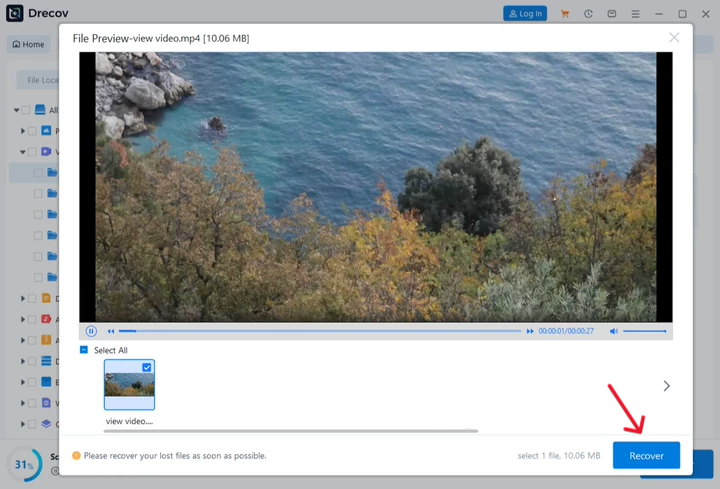
- Step 4: Preview the results. Check names, dates, thumbnails, duration, file size, and playable content.
- Step 5: Recover selected files to another healthy drive or external storage device. Avoid the source location.
- Step 6: Open the destination folder. Check for a Drecov folder or a Recovery folder if the restored files do not appear where expected.
Quick Scan or Deep Scan for YouTube Video Files
Use Quick Scan when the loss just happened. It suits accidental deletion, failed transfers, browser crashes, and mistaken moves. Quick Scan also helps when video van youtube downloaden involves a file with a clear folder path.
Use Deep Scan when the folder structure breaks or the drive asks for formatting. It also helps when Windows search no longer finds the file name. Let the scan finish before you decide that the file is gone.
Return Recovered Files to the Workflow
Open recovered media outside the original app first. Confirm that video plays, audio matches, and transcripts open. Compare file dates and sizes before you choose the final version. If one file looks damaged, preview another candidate from the scan results.
Create a working copy for the next task. Use copies for compression, cropping, downloading records, background removal, conversion, transcription, or upload testing. Keep recovered originals in a separate folder until the project ends.
Organize Files After Recovery
Create a clean folder for restored assets. Add subfolders for source video, exports, audio, transcripts, frames, and notes. Clear folder names reduce repeat searches later. They also help teams avoid using the wrong version.
Write a short recovery note. Include the original folder, scan date, destination folder, and intended use. This small record helps when several clips or audio files share similar names. It also makes future recovery checks faster.
Store owned YouTube exports with project notes and permission records. Keep the original recovery set untouched. Use a separate work folder for new edits, conversions, or uploads.
Build a Safer Video File Routine
Good recovery habits start before the next problem. Keep one folder for original media and another folder for working copies. Put exports in a third folder. This simple split helps you find the real source file when an app creates many versions.
Use names that describe the task, date, and version. Avoid names like final, new, or test when the project matters. Short clear names help search tools and recovery previews. They also reduce mistakes during upload or editing.
Back up important media after each major step. Use another drive, cloud storage, or a trusted archive location. A backup cannot replace recovery in every case, but it reduces the chance that one failed edit stops the whole project.
Review storage space before large video work. Low disk space can interrupt downloads, compression, cropping, conversion, and export tasks. Free space also helps apps create temporary files without damaging active projects.
Final Checks for YouTube Download Workflows
- Confirm that the workflow follows platform rules and file permissions.
- Protect the original storage location before new exports.
- Scan the exact folder or device where the file disappeared.
- Recover files to a different storage device.
- Preview video, audio, and text files before reuse.
- Use working copies for the next edit or upload.
FAQ
Does video van youtube downloaden always mean the video file is lost?
No. The issue may come from permissions, browser behavior, file format, export settings, or storage paths. Still, check the original file before you change tools.
Can Drecov recover files used in this workflow?
Drecov can recover local files from supported Windows storage locations. It can help with videos, audio files, transcripts, images, documents, archives, and project assets.
Should I keep editing before recovery?
No. If the source file disappeared, stop editing in that location. Recover first, save results elsewhere, and continue with copies.
Where should recovered files be saved?
Save recovered files to another healthy storage location. If Drecov creates a Drecov folder or Recovery folder, open it and verify the files before reuse.
Conclusion
YouTube download work needs permission checks and careful local file handling. Protect the source location, check permissions, scan local storage, and return to the workflow with verified copies. For video van youtube downloaden, Drecov gives Windows users a practical way to recover the video, audio, transcript, or project files behind the task.






