







Data loss is often an unexpected and distressing event. Whether it is a result of accidental deletion, a system crash, or browser-related issues, knowing the right technical procedures can save your digital life. Interestingly, many users who find themselves needing data recovery are often performing routine browser maintenance, such as trying to learn how to disable pop up blocker on firefox. While these two topics might seem worlds apart, they both reside within the realm of mastering your computer’s settings and protecting your information.
In this comprehensive guide, we will explore the intersection of browser management and professional-grade data recovery. We will delve into the nuances of Mozilla Firefox settings and transition into advanced recovery techniques using the powerful PandaOffice Drecov tool.
Mastering Your Browser: How to Disable Pop Up Blocker on Firefox
Before we dive into the deep waters of data recovery, let’s address a common administrative hurdle: managing browser permissions. Many modern data recovery web-apps or support portals require the opening of new windows to facilitate downloads or authentication. Consequently, knowing how to disable pop up blocker on firefox is an essential skill for any power user.
Firefox is renowned for its robust security, but sometimes its defenses are a bit too eager. If you find that a critical recovery tool’s website is not responding, it might be due to a blocked window.
Option 1: The Global Disable Method (Beginner)
This method is the quickest way to ensure no windows are restricted. Use this when you are working on a trusted network and need to interact with multiple data recovery resources.
- Step 1: Open your Firefox browser. In the top-right corner, click on the three horizontal lines (the Menu button).
- Step 2: Select Settings (on some versions, this may appear as Options or Preferences).
- Step 3: On the left-hand sidebar, click on Privacy & Security.
- Step 4: Scroll down until you find the Permissions section.
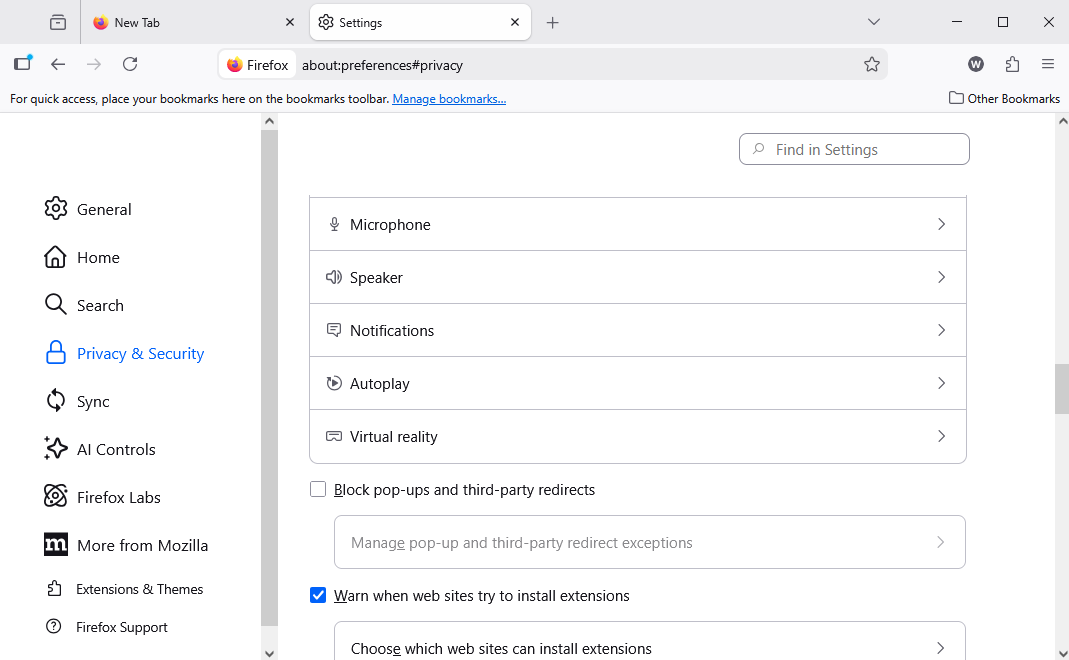
- Step 5: Locate the checkbox labeled Block pop-up windows. To disable the blocker entirely, simply uncheck this box.
Option 2: The Exception List Method (Intermediate)
If you value your security but need a specific site to function—such as an online file repair service—you should use the exceptions list. This allows you to learn how to disable pop up blocker on firefox for specific trusted domains only.
- Step 1: Follow the path: Menu > Settings > Privacy & Security.
- Step 2: Under the Permissions section, look for Block pop-up windows.
- Step 3: Instead of unchecking the box, click the Exceptions… button to the right.
- Step 4: A dialog box will appear. Type the exact URL of the website you want to authorize.
- Step 5: Click Allow, followed by Save Changes.
By mastering how to disable pop up blocker on firefox, you ensure that your workflow remains uninterrupted, especially when you are in the middle of a high-stakes data retrieval mission. For more official details on managing your browser, you can visit the Mozilla Firefox Support page.
When Browser Settings Aren’t Enough
Sometimes, the problem isn’t a blocked window; it’s a missing file. Perhaps you cleared your browser history and accidentally wiped a folder of downloaded documents, or maybe a system update caused your Firefox profile to become corrupted. This is where professional software becomes indispensable.
Introducing PandaOffice Drecov
PandaOffice Drecov is a state-of-the-art data recovery solution designed to handle everything from simple file deletions to complex partition losses. With a success rate of 99.8%, it is the primary choice for users who cannot afford to lose their data. Whether you are dealing with an emptied Recycle Bin or a formatted SD card, Drecov provides a structured, user-friendly approach to retrieval.
⚠ Warning: Install it on a drive different from the one where your data was lost to prevent overwriting.
Professional Data Recovery Steps with PandaOffice Drecov
Using PandaOffice Drecov is a straightforward process, but it requires precision. Follow these steps to ensure the best possible outcome for your lost files.
Step 1: Selecting the Target Location
Once the software is open, you need to tell it where to look.
- View the list of connected drives. This includes your internal HDD/SSD, any plugged-in USB sticks, and even virtual drives.
- Highlight the drive or specific folder (like your Firefox Profile folder) that contained the lost information.
- Click the Scan button in the bottom right corner.

Step 2: Scanning and Real-Time Filtering
Drecov uses a dual-scan technology. It begins with a Quick Scan for recently deleted items and automatically transitions into a Deep Scan to find fragmented data deep within the sectors.
- Operation Point: While the scan is running, you can use the Filter feature. If you are looking for a specific video you downloaded before you had to how to disable pop up blocker on firefox, filter the results by “Video” or “.mp4”.
- You can also search for files by date modified or size, which significantly narrows down the results.

Step 3: Previewing the Recoverable Data
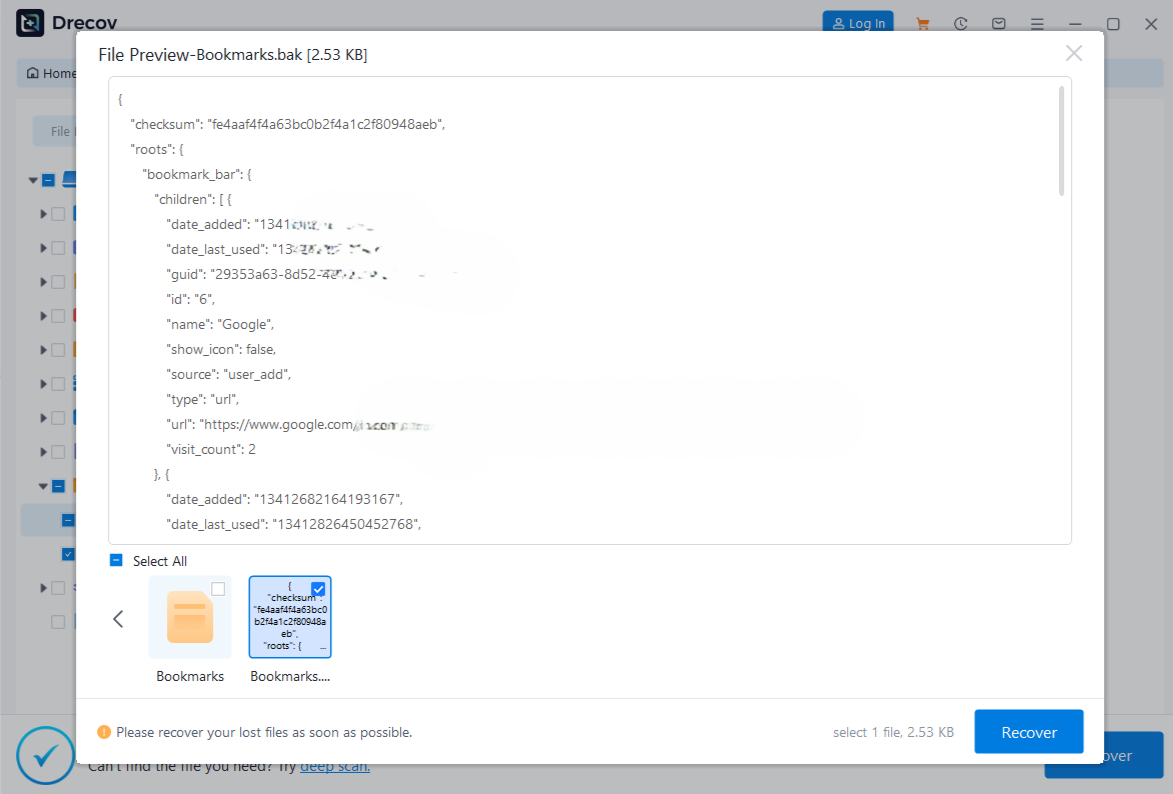
One of the best features of PandaOffice Drecov is the ability to see the file before you commit to the recovery.
- Double-click on any image, document, or video in the results list.
- If the preview appears clear and uncorrupted, the file is 100% recoverable.
- Check the boxes next to the files you wish to save.
Step 4: Final Recovery and Secure Saving
After selecting your files, click the Recover button.
- Critical Prompt: The software will ask you to select a destination folder. Always choose a different drive than the source. For example, if recovering from a PC, save the files to an external flash drive.
- Wait for the progress bar to finish. Once completed, Drecov will automatically open the destination folder for you to verify your files.
Technical Insights: Firefox Data Locations and Registry Tweaks
For advanced users, understanding where Firefox stores its data can help in targeted recovery. Firefox doesn’t store your bookmarks or history in the installation folder; instead, it uses a Profile Folder.
Finding Your Firefox Profile Path
On Windows, your data is typically located at:
C:\Users\[YourUsername]\AppData\Roaming\Mozilla\Firefox\Profiles\
The folder will have a name like xxxxxxxx.default-release. Inside this folder, you will find places.sqlite, which is the database containing your bookmarks and history. If this file is deleted, you can use PandaOffice Drecov to scan this specific path for recovery.
Precise Registry Information
While most users only need to know how to disable pop up blocker on firefox through the UI, some system administrators use the Windows Registry to enforce browser rules. The relevant key for Firefox policies is:
HKEY_LOCAL_MACHINE\SOFTWARE\Policies\Mozilla\Firefox
If you find that your settings are “Locked by your organization,” you may need to check if a PopupBlocking DWORD exists here and is set to 0.
Expanding Your Data Recovery Knowledge
Data recovery is a broad field. While PandaOffice Drecov is a powerful ally, prevention and localized knowledge are just as important. Understanding how your browser interacts with your hard drive can prevent future data loss. For instance, knowing how to properly handle browser-integrated downloads can save you from accidentally deleting temporary files that haven’t been fully saved yet.
If you are a heavy Firefox user, you might find the following resources helpful for managing your browser data more effectively:
- Advanced Browser Management: Learn the latest techniques in our how to download video from browser firefox 2026 guide. This is particularly useful if you frequently save media and need to ensure it is stored in a recoverable location.
- Bookmark Recovery: If your favorites have vanished, knowing where is the firefox bookmarks location is the first step toward instant data retrieval.
- Internal Storage Structure: Deep dive into the technical side by discovering where are firefox bookmarks stored on your pc to better understand the file system architecture Firefox utilizes.
Conclusion
Whether you are navigating the settings to figure out how to disable pop up blocker on firefox or you are in the middle of a critical file rescue with PandaOffice Drecov, the key is to remain calm and follow a structured process. Technology is designed to be managed, and with the right tools and knowledge, almost any data loss scenario can be reversed.
By maintaining your browser properly and keeping a reliable recovery tool like Drecov in your digital toolkit, you can browse with confidence, knowing that your data is always within reach.






