







Yes, this problem can often be handled, but the right answer depends on what is actually locked, deleted, damaged, or missing. For can i recover deleted word documents, start by protecting the original data, checking official access or backup paths, and using recovery software only on storage that is readable. Do not install random tools on the affected drive, and do not trust utilities that promise to bypass security controls.
This guide gives a practical path for DOCX files, DOC files, ASD AutoRecover files, WBK backups, OneDrive versions, and temp files. It separates access recovery from file recovery, explains when built-in options should come first, and shows when PandaOffice Drecov can help recover files after the device or storage location is accessible.

Quick Answer And Best Next Step
The safest first step is to stop changing the source. New writes can replace deleted records, update metadata, or make an older version harder to identify. A careful plan checks built-in recovery, backups, account tools, and local file recovery in that order.
| Situation | Safe First Step | Mistake To Avoid |
|---|---|---|
| Access problem | Recover the password, key, account, or backup first | Do not run generic reset tools against private data |
| Deleted local files | Check Trash, Recycle Bin, app history, and backups | Do not save new files to the same location |
| Corrupt or missing project files | Copy the folder first and scan the copy when possible | Do not keep opening damaged originals |
| Cloud or email loss | Check retention, trash, archive, exports, and account recovery | Do not assume local disk recovery can restore server-only items |
This direct answer also helps separate marketing claims from recovery reality. A tool is useful only when it fits the cause. Backup software restores known copies. Account recovery restores access. File recovery scans readable storage. Repair tools fix software environments, but they should not overwrite the files you want back.
Why This Case Needs Careful Diagnosis
Different Problems Look Similar
Search results often mix can i recover deleted word documents with password reset tools, backup and recovery software, file recovery utilities, deleted email recovery, and free recovery programs. Those phrases sound related, but they may point to different systems. A locked account, encrypted file, deleted document, missing email, and formatted drive do not share one universal fix.
Before choosing software, name the failure. Did the file disappear, did the application refuse to open, did a password fail, did a backup miss the file, or did storage become unreadable? That answer decides whether you need official access recovery, backup restore, software repair, or a scan.
Unsafe Tools Can Make Recovery Harder
The tempting shortcut is often the expensive one. Avoid saving new Word documents to the same folder before checking recoverable copies. Those tools can introduce malware, overwrite recoverable data, change timestamps, or collect credentials. Even a harmless installer can write temporary files to the disk that you later need to scan.
Use another computer for research and downloads. Keep the affected device quiet. If the case includes work data, shared storage, encrypted content, or someone else’s account, confirm ownership and authorization before scanning or restoring anything.
Source Protection
For can i recover deleted word documents, the safest workflow keeps the original source quiet while you confirm what changed. Record device names, folder paths, account names, file extensions, error text, and the last successful time the data opened. Those details prevent repeated scanning and help you choose between account recovery, backup recovery, software repair, and file recovery.
Treat DOCX files, DOC files, ASD AutoRecover files, WBK backups, OneDrive versions, and temp files as evidence until you have a clean copy. Do not rename large folder trees, rebuild indexes, format storage, reinstall applications over the same directory, or test several utilities in a row. Small changes can remove the exact clues that recovery tools need.
A careful note also improves the final decision. If a built-in restore brings back the right version, stop scanning and verify the file. If the restored copy is old or incomplete, keep it as a fallback and continue with a read-only scan. If the source starts disconnecting or showing new errors, pause the DIY workflow and move to a more controlled recovery plan.
Keep the recovery destination simple and separate. Use a healthy external drive, a new folder name, and enough free space for duplicate results. After recovery, open a sample of important files, compare file sizes, and keep the scan report until the user confirms that the needed data is truly usable.
Evidence Check
For can i recover deleted word documents, the safest workflow keeps the original source quiet while you confirm what changed. Record device names, folder paths, account names, file extensions, error text, and the last successful time the data opened. Those details prevent repeated scanning and help you choose between account recovery, backup recovery, software repair, and file recovery.
Treat DOCX files, DOC files, ASD AutoRecover files, WBK backups, OneDrive versions, and temp files as evidence until you have a clean copy. Do not rename large folder trees, rebuild indexes, format storage, reinstall applications over the same directory, or test several utilities in a row. Small changes can remove the exact clues that recovery tools need.
A careful note also improves the final decision. If a built-in restore brings back the right version, stop scanning and verify the file. If the restored copy is old or incomplete, keep it as a fallback and continue with a read-only scan. If the source starts disconnecting or showing new errors, pause the DIY workflow and move to a more controlled recovery plan.
Keep the recovery destination simple and separate. Use a healthy external drive, a new folder name, and enough free space for duplicate results. After recovery, open a sample of important files, compare file sizes, and keep the scan report until the user confirms that the needed data is truly usable.
Recovery Destination
For can i recover deleted word documents, the safest workflow keeps the original source quiet while you confirm what changed. Record device names, folder paths, account names, file extensions, error text, and the last successful time the data opened. Those details prevent repeated scanning and help you choose between account recovery, backup recovery, software repair, and file recovery.
Treat DOCX files, DOC files, ASD AutoRecover files, WBK backups, OneDrive versions, and temp files as evidence until you have a clean copy. Do not rename large folder trees, rebuild indexes, format storage, reinstall applications over the same directory, or test several utilities in a row. Small changes can remove the exact clues that recovery tools need.
A careful note also improves the final decision. If a built-in restore brings back the right version, stop scanning and verify the file. If the restored copy is old or incomplete, keep it as a fallback and continue with a read-only scan. If the source starts disconnecting or showing new errors, pause the DIY workflow and move to a more controlled recovery plan.
Keep the recovery destination simple and separate. Use a healthy external drive, a new folder name, and enough free space for duplicate results. After recovery, open a sample of important files, compare file sizes, and keep the scan report until the user confirms that the needed data is truly usable.
After-Recovery Validation
For can i recover deleted word documents, the safest workflow keeps the original source quiet while you confirm what changed. Record device names, folder paths, account names, file extensions, error text, and the last successful time the data opened. Those details prevent repeated scanning and help you choose between account recovery, backup recovery, software repair, and file recovery.
Treat DOCX files, DOC files, ASD AutoRecover files, WBK backups, OneDrive versions, and temp files as evidence until you have a clean copy. Do not rename large folder trees, rebuild indexes, format storage, reinstall applications over the same directory, or test several utilities in a row. Small changes can remove the exact clues that recovery tools need.
A careful note also improves the final decision. If a built-in restore brings back the right version, stop scanning and verify the file. If the restored copy is old or incomplete, keep it as a fallback and continue with a read-only scan. If the source starts disconnecting or showing new errors, pause the DIY workflow and move to a more controlled recovery plan.
Keep the recovery destination simple and separate. Use a healthy external drive, a new folder name, and enough free space for duplicate results. After recovery, open a sample of important files, compare file sizes, and keep the scan report until the user confirms that the needed data is truly usable.
Tool Selection
For can i recover deleted word documents, the safest workflow keeps the original source quiet while you confirm what changed. Record device names, folder paths, account names, file extensions, error text, and the last successful time the data opened. Those details prevent repeated scanning and help you choose between account recovery, backup recovery, software repair, and file recovery.
Treat DOCX files, DOC files, ASD AutoRecover files, WBK backups, OneDrive versions, and temp files as evidence until you have a clean copy. Do not rename large folder trees, rebuild indexes, format storage, reinstall applications over the same directory, or test several utilities in a row. Small changes can remove the exact clues that recovery tools need.
A careful note also improves the final decision. If a built-in restore brings back the right version, stop scanning and verify the file. If the restored copy is old or incomplete, keep it as a fallback and continue with a read-only scan. If the source starts disconnecting or showing new errors, pause the DIY workflow and move to a more controlled recovery plan.
Keep the recovery destination simple and separate. Use a healthy external drive, a new folder name, and enough free space for duplicate results. After recovery, open a sample of important files, compare file sizes, and keep the scan report until the user confirms that the needed data is truly usable.
Backup Comparison
For can i recover deleted word documents, the safest workflow keeps the original source quiet while you confirm what changed. Record device names, folder paths, account names, file extensions, error text, and the last successful time the data opened. Those details prevent repeated scanning and help you choose between account recovery, backup recovery, software repair, and file recovery.
Treat DOCX files, DOC files, ASD AutoRecover files, WBK backups, OneDrive versions, and temp files as evidence until you have a clean copy. Do not rename large folder trees, rebuild indexes, format storage, reinstall applications over the same directory, or test several utilities in a row. Small changes can remove the exact clues that recovery tools need.
A careful note also improves the final decision. If a built-in restore brings back the right version, stop scanning and verify the file. If the restored copy is old or incomplete, keep it as a fallback and continue with a read-only scan. If the source starts disconnecting or showing new errors, pause the DIY workflow and move to a more controlled recovery plan.
Keep the recovery destination simple and separate. Use a healthy external drive, a new folder name, and enough free space for duplicate results. After recovery, open a sample of important files, compare file sizes, and keep the scan report until the user confirms that the needed data is truly usable.
File Preview Review
For can i recover deleted word documents, the safest workflow keeps the original source quiet while you confirm what changed. Record device names, folder paths, account names, file extensions, error text, and the last successful time the data opened. Those details prevent repeated scanning and help you choose between account recovery, backup recovery, software repair, and file recovery.
Treat DOCX files, DOC files, ASD AutoRecover files, WBK backups, OneDrive versions, and temp files as evidence until you have a clean copy. Do not rename large folder trees, rebuild indexes, format storage, reinstall applications over the same directory, or test several utilities in a row. Small changes can remove the exact clues that recovery tools need.
A careful note also improves the final decision. If a built-in restore brings back the right version, stop scanning and verify the file. If the restored copy is old or incomplete, keep it as a fallback and continue with a read-only scan. If the source starts disconnecting or showing new errors, pause the DIY workflow and move to a more controlled recovery plan.
Keep the recovery destination simple and separate. Use a healthy external drive, a new folder name, and enough free space for duplicate results. After recovery, open a sample of important files, compare file sizes, and keep the scan report until the user confirms that the needed data is truly usable.
Final Documentation
For can i recover deleted word documents, the safest workflow keeps the original source quiet while you confirm what changed. Record device names, folder paths, account names, file extensions, error text, and the last successful time the data opened. Those details prevent repeated scanning and help you choose between account recovery, backup recovery, software repair, and file recovery.
Treat DOCX files, DOC files, ASD AutoRecover files, WBK backups, OneDrive versions, and temp files as evidence until you have a clean copy. Do not rename large folder trees, rebuild indexes, format storage, reinstall applications over the same directory, or test several utilities in a row. Small changes can remove the exact clues that recovery tools need.
A careful note also improves the final decision. If a built-in restore brings back the right version, stop scanning and verify the file. If the restored copy is old or incomplete, keep it as a fallback and continue with a read-only scan. If the source starts disconnecting or showing new errors, pause the DIY workflow and move to a more controlled recovery plan.
Keep the recovery destination simple and separate. Use a healthy external drive, a new folder name, and enough free space for duplicate results. After recovery, open a sample of important files, compare file sizes, and keep the scan report until the user confirms that the needed data is truly usable.
Safe Recovery Methods That Actually Apply
Method 1: Built-In Recovery And Version History
Built-in recovery should come before deep scanning. Recycle Bin, File History, OneDrive versions, Outlook deleted items, Gmail trash, AutoCAD autosave, and application backup folders can return files with original names and context. That context is valuable when several versions exist.
- Write down the exact file name, account, location, and time range.
- Check the application history, recycle location, trash, archive, backup, or autosave folder.
- Restore one copy to a safe folder and compare the date, size, and content.
- Keep the original source unchanged until the restored copy opens correctly.
Method 2: Official Access Recovery
When access is the problem, use official recovery first. Password reset pages, Microsoft account recovery, organization administrators, software license portals, and encryption key records protect the owner while preventing unauthorized access.
Do not confuse access recovery with file recovery. A data recovery tool cannot legally or reliably break modern encryption, recover another person’s password, or bypass account ownership. Once access returns, it can help scan readable local storage if files are still missing.
Method 3: Backups And Secondary Copies
Backups are often the cleanest path for DOCX files, DOC files, ASD AutoRecover files, WBK backups, OneDrive versions, and temp files. Check external drives, NAS snapshots, cloud sync, exported archives, email attachments, old computers, and project folders. Restore to a new destination so you do not overwrite current data.
Recover Missing Files From Readable Storage
Use file recovery software when data was stored locally and then deleted, lost after formatting, hidden by file system damage, or removed during repair. The source must be readable enough for scanning. If the case is server-only email, locked encryption, or a cloud account without local copies, start with account and server recovery instead.
PandaOffice Drecov can scan documents, photos, videos, archives, and other file types after access returns or when storage is readable. It should not be described as a password breaker, encryption cracker, or account bypass tool.
Steps In PandaOffice Drecov
- Confirm that the storage device, folder, card, or drive is readable before scanning.
- Open PandaOffice Drecov and select the affected location instead of scanning the whole computer by habit.
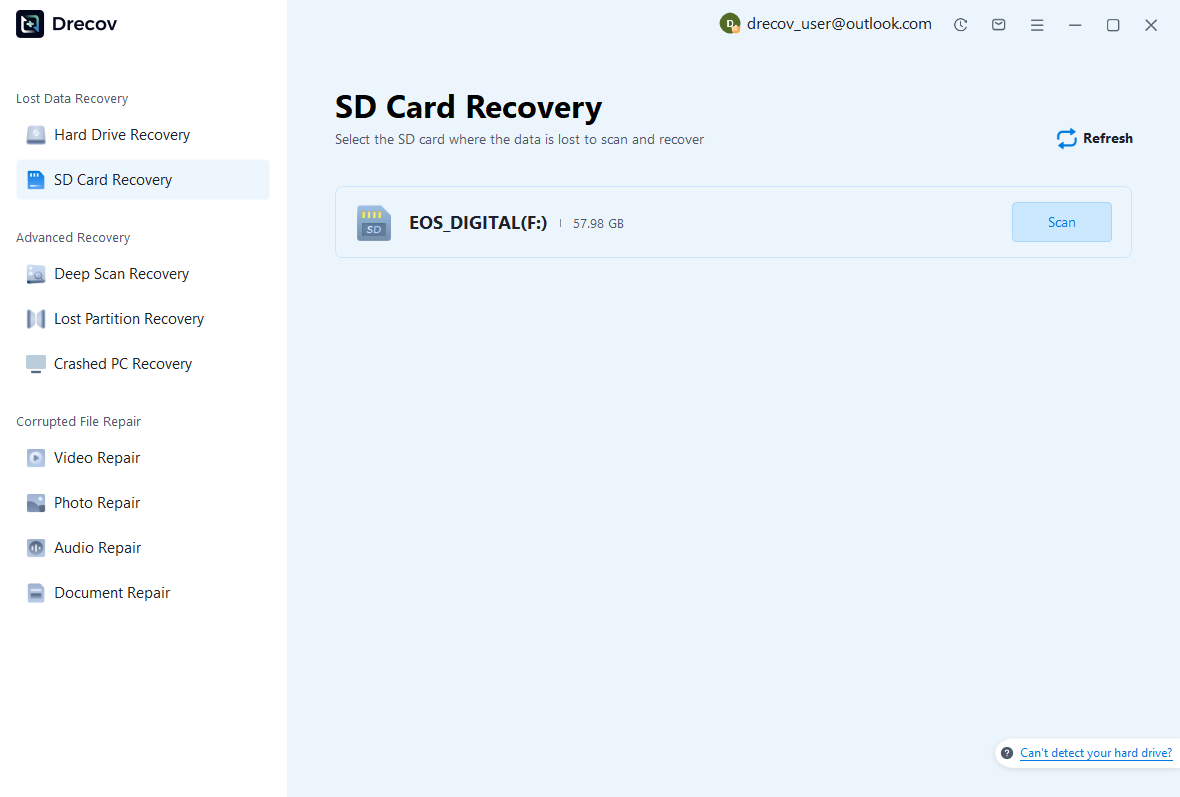
- Start the scan and wait for quick scan and deep scan results.
- Filter results by file type, name, date, size, or original path to reduce noise.
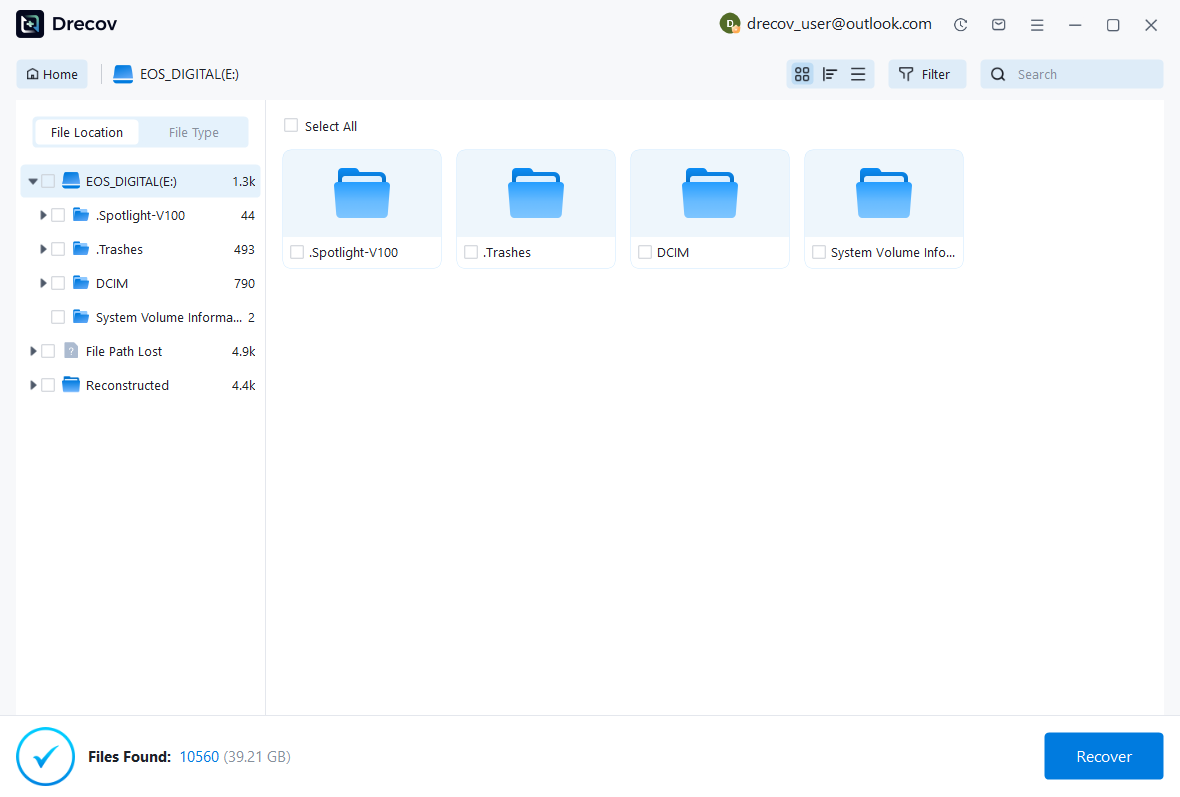
- Preview important files before recovery when preview is available.
- Recover selected files to a different healthy drive, not back to the original source.

Risk Level: Low when the source remains unchanged, the target drive is healthy, and recovered files are saved away from the affected storage.
Mistakes To Avoid Before Recovery
Do Not Install Tools On The Affected Drive
Install recovery tools on a separate healthy drive or another computer. Downloads, browser caches, setup files, and extracted installers can occupy sectors that once held deleted files.
Do Not Mix Online Accounts With Local Recovery
Deleted emails, cloud photos, social posts, and online documents may live on servers rather than the local disk. Local file recovery helps only if an exported mailbox, downloaded attachment, synced copy, browser cache, or local profile held the data.
Do Not Restore Back To The Source
Recovered files should go to a different healthy destination. Saving results back to the source can overwrite remaining recoverable data. Use an external drive with enough free space and keep the folder names simple for later review.
Practical Checklist For This Case
- Confirm whether can i recover deleted word documents is an access issue, deletion issue, software error, or backup gap.
- Record the exact error, file name, device, account, date range, and recent changes.
- Check built-in recovery, trash, archive, version history, backups, and autosave before scanning.
- Use official account, administrator, or recovery-key paths for protected content.
- Scan only readable storage and save recovered files to a different healthy drive.
- Open recovered files before deleting scan results or changing the original device.
- Create a backup and access-record plan after the case is resolved.
This checklist keeps the workflow calm. It also helps if you need support from IT, a software vendor, or a recovery technician because you can show what changed and what you already tried.
FAQ
Can can i recover deleted word documents Be Solved With One Tool?
Usually no. One tool cannot handle every access, backup, account, and disk problem. Use the tool that matches the failure. Official recovery handles access. Backups restore known copies. File recovery scans readable storage when files were deleted or lost locally.
When Should I Stop And Ask For Help?
Stop when the storage clicks, disconnects, asks to format repeatedly, contains business-critical data, or may involve legal ownership questions. Professional help is safer than repeated DIY attempts when the value of the data is high.
Can I Use Free Tools First?
Free tools can help in simple cases, but they may lack previews, file names, structured folders, or support for complex storage. Test them only from a safe computer and never write recovered files to the original source.
Conclusion
The safe answer for can i recover deleted word documents is to diagnose the problem first, protect the source, use official access or backup paths, and scan readable storage only when file recovery truly applies. That approach solves more real cases than risky shortcut tools and gives you a better chance of restoring useful files.





