







When Windows Explorer is constantly crashing, the last action before it closes is usually more useful than another generic repair command. Does the desktop disappear at sign-in, does one folder close when you open it, or does the crash occur after a right-click? Record that trigger first. Then protect any files you cannot replace. Explorer is the interface used to browse files; an Explorer crash does not, by itself, mean those files were deleted. The safest fix depends on whether Windows is unstable, one folder is problematic, or the storage device itself is failing.
Catch the moment Explorer fails
Try one controlled action after a restart. Do not click through several folders at once. If the crash happens only after you open a particular location, note its path and whether it contains a large number of pictures, videos, or network files. If the taskbar vanishes before you touch anything, the problem may involve startup software or the Explorer process itself. A repeated crash when right-clicking often points toward a menu extension rather than the file being opened.
The entire desktop flashes or the taskbar reloads
Press Ctrl+Shift+Esc to open Task Manager. Look for Windows Explorer in the process list. If it is present and unresponsive, select it and use Restart. This restarts the interface, not the computer. It can restore access long enough to save work and observe whether the failure returns. If Task Manager itself cannot remain open or Windows keeps freezing, stop treating this as a simple Explorer issue. Check power, recent changes, and device stability before trying deeper repairs.
Only one folder, preview, or right-click causes the crash
Open a different simple folder such as Documents. If that works, avoid the problem folder temporarily. A corrupt thumbnail, inaccessible network location, or third-party shell extension may be involved. Switch the folder to a basic view and avoid previewing the suspect file while testing. For a right-click trigger, note recently installed apps that added context-menu commands. Do not delete the original file just because it seems to trigger the crash; first make a copy or confirm that another copy exists.
Make a safe copy before you experiment
If you can still reach your important folders, copy them to another healthy device before changing system settings. Open a few copied files to confirm they work. If the crash interrupts copying, take smaller groups and begin with the most valuable data. Do not run a disk repair, reset Windows, or reinstall an application simply to see whether Explorer improves while the only copy of your work remains on the affected drive.
Check whether the source drive is stable. A storage device that clicks, disconnects, or repeatedly reports read errors needs different handling. Repeated scans or large copy jobs may strain it. Stop direct attempts and consider imaging or professional recovery. If the storage is stable but Explorer cannot open a folder, another Windows account or a working PC may help you access the files without relying on the failing interface. The aim is to preserve data, not to prove Explorer can browse every location.
Test the likely cause without mixing fixes
Change one thing at a time and repeat the same action that caused the crash. This gives you a useful result. Microsoft’s File Explorer troubleshooting guide covers basic Windows checks and escalation paths. Use those steps in the context of what you observed. A successful test in one folder does not establish that every folder and drive is healthy.
If it started after an app installation or update
Think about software that integrates with File Explorer: archive utilities, cloud clients, preview handlers, and security tools. If the crash coincides with installing one of them, check for its update or temporarily disable its integration through its own settings. Do not uninstall several programs at once; you will lose the evidence that identifies the culprit. After each change, try the same folder or right-click action again. If the desktop becomes stable, update or replace the responsible component through its official channel.
If a specific folder crashes, reduce what Explorer must display
Open File Explorer to a safe folder, then navigate toward the problem location without selecting suspicious media. Try a simple details view instead of thumbnail-heavy icons. If the folder is on a network share, confirm the network location is available from another device. If it is on a USB device, check whether the device stays connected. A folder full of damaged files is different from a drive that drops offline. Do not format the device because the folder is difficult to browse.
If the problem affects every location
Restart Windows once after saving your work, then apply normal Windows updates from Settings if the system remains stable. If updates fail or crashes began immediately after one, document the timing. Use Windows’ built-in system troubleshooting with care. A system-file check can help with Windows components, but it does not recover deleted personal files. Save a backup before actions that may modify the system. If the computer repeatedly blue-screens or cannot stay powered on, investigate that broader failure before pursuing Explorer settings.
When the files really are missing, use a recovery route
Explorer might show an empty folder because you opened a different user profile, a cloud folder is not signed in, or a drive letter changed. Check those explanations before assuming deletion. Look in Recycle Bin for locally deleted items and verify whether a synced service has its own trash or version history. The Recycle Bin recovery overview is useful when files were actually removed. If a stable local drive contained the missing originals and those simpler routes fail, software recovery may be appropriate.
Drecov can look for files that really disappeared from a stable Windows drive. Its read-only recovery approach lets you inspect Quick Scan results, use Deep Scan when needed, filter candidates, and preview them before saving elsewhere. Lost Partition Recovery addresses a missing partition, which is a separate problem from a crashing window. Here, use Drecov only if the original files are genuinely absent or inaccessible on a readable drive. A scan cannot fix a faulty shell extension, keep Explorer running, or repair physical hardware.
⚠ Warning: Install it on a drive different from the one where your data was lost to prevent overwriting.
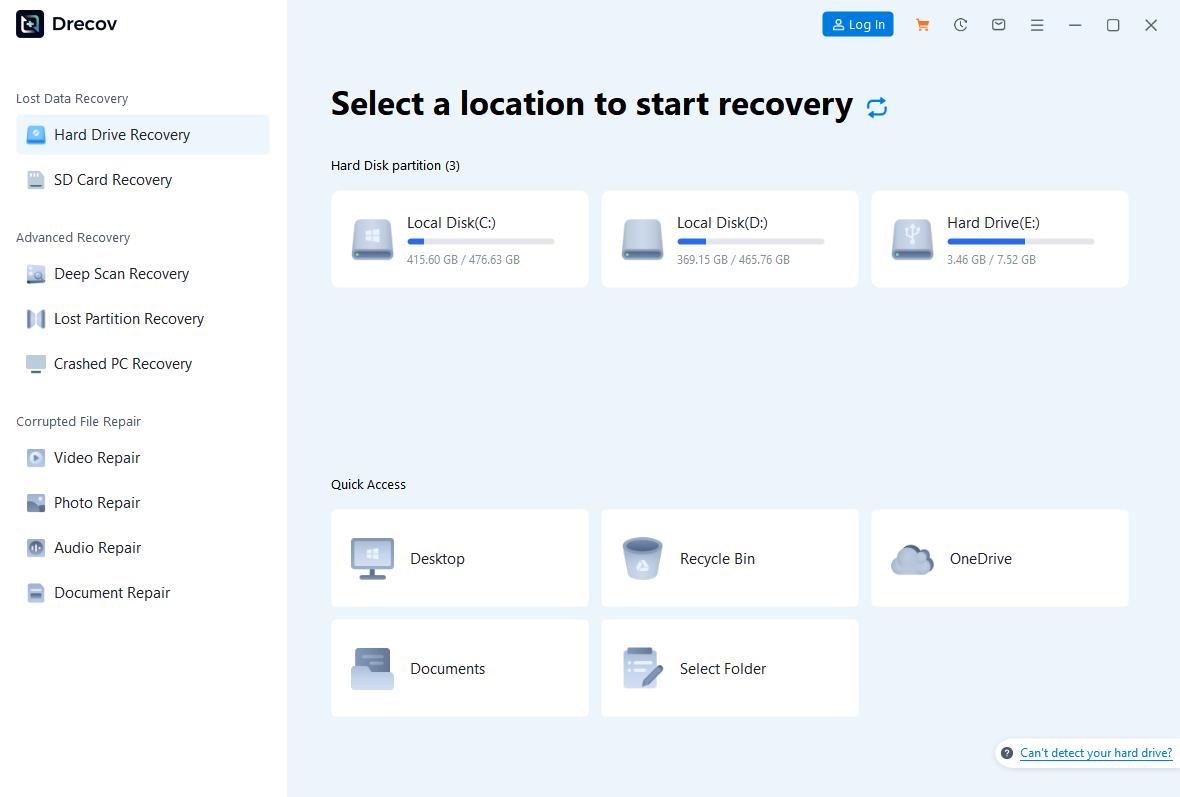
Step 1: Open Drecov and choose the original location
Stop writing new data to the partition where the missing files lived. Prepare another healthy device for the recovered copies, and do not install the software onto the source partition. Open Drecov on a working Windows environment. Select the original folder’s partition or the original device, not the empty destination. If the drive no longer appears reliably, stop and reassess the hardware instead of pressing Scan repeatedly.
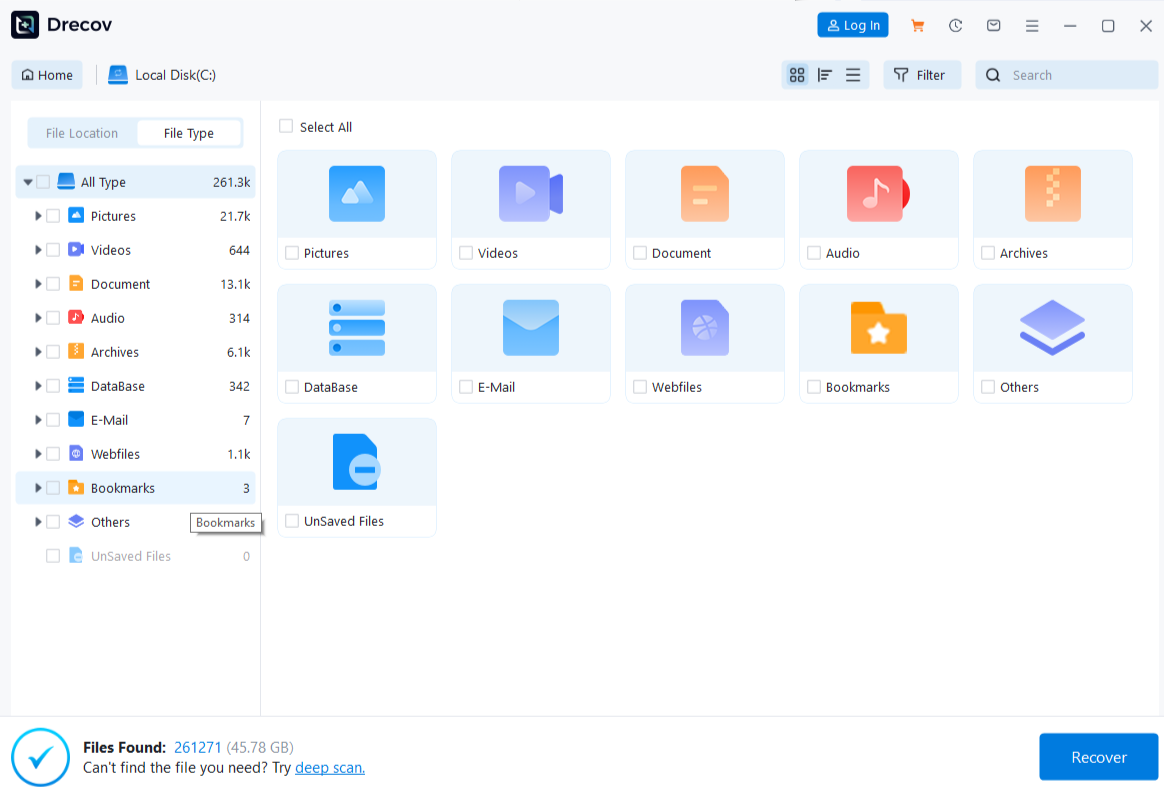
Step 2: Start Quick Scan and inspect the results
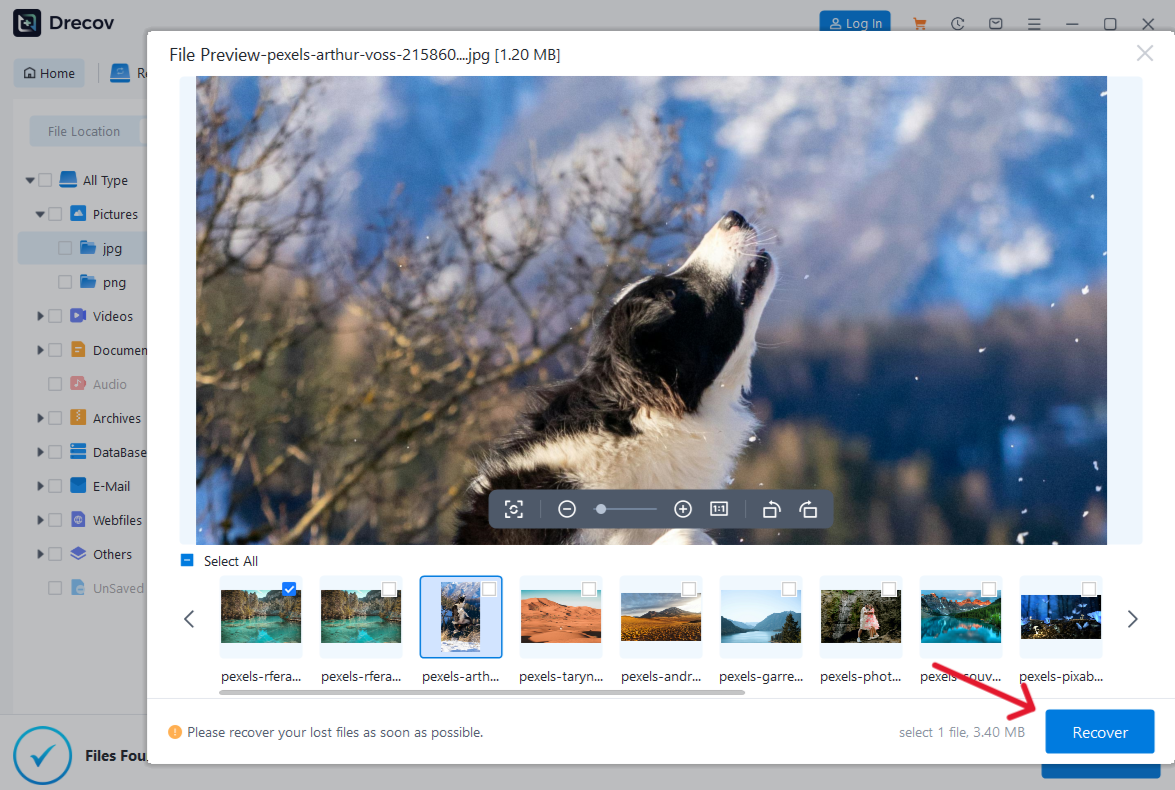
Run Quick Scan first. Search the former path or filter by file type and name where possible. For example, if Explorer began failing around a photo folder, look for those images rather than choosing every item from the device. Preview several representative files. A thumbnail or filename is a clue, not proof that every image or document is complete.
Step 3: Use Deep Scan only on stable storage
If Quick Scan does not find the needed copy and the source remains readable without disconnecting, use Deep Scan. Filter again and compare candidate content. Stop if the device starts reporting severe read errors or vanishes. A deeper scan cannot repair unstable hardware, and repeatedly stressing it can reduce your options.
Step 4: Recover elsewhere and verify
Save selected results to the separate healthy device, never the original partition. If you cannot find the output, check the Drecov folder or Recovery folder before rerunning a scan. Open a range of recovered files and compare them with known names, dates, or versions. Only after confirming your data is usable should you continue with Windows repair or application cleanup. The file recovery page covers this distinction in more detail.
⚠ Warning: Install it on a drive different from the one where your data was lost to prevent overwriting.
Check whether the fix worked
Use the original trigger as the test. Open the same folder, use the same right-click action, or sign in again and watch whether the taskbar stays visible. Then test another ordinary folder and a representative file. If Explorer no longer crashes but the problem returns when a particular drive connects, the device deserves closer attention. If only one preview handler triggers it, leave that integration disabled until you have an official update. A successful Explorer session should not be mistaken for verified file recovery; check copied and recovered files separately.
FAQs
Does an Explorer crash delete files?
Usually no. The interface can fail while the files remain on disk. Confirm the account, location, Recycle Bin, and backup before attempting recovery.
Should I reset Windows to stop the crashes?
Not as the first test. Identify the trigger, preserve important files, and use less disruptive checks. A reset may remove apps or data depending on the option chosen.
Why does Explorer crash when I right-click one file?
A program that adds a context-menu command may be involved. Test another file and review recently installed integrations. Keep an untouched copy of the suspect file.
Can Drecov repair Explorer?
No. It is relevant only when local files are genuinely missing or inaccessible on a stable device. Use Windows and application troubleshooting for the Explorer process itself.
Conclusion
Repeated Explorer crashes become easier to diagnose when you keep track of the action that triggers them. Protect useful files first, then test the folder, menu extension, or Windows component that fits the evidence. If the files are truly lost from stable local storage, Drecov can search the original location, preview candidates, and save verified copies to another device. It does not replace a fix for the crashing interface. Keeping those two tasks separate avoids a risky reset for a problem that may be limited to one folder or one add-on.
⚠ Warning: Install it on a drive different from the one where your data was lost to prevent overwriting.