







Understanding Temporary Word Files and Their Purpose
What Are Temporary Word Files?
Microsoft Word automatically creates temporary backup files while you edit a document. These files protect your work if unexpected crashes, power failures, or system shutdowns occur.
The Word temp file location is where these backup files are stored temporarily before being deleted or converted into permanent documents. These files often have extensions such as .tmp or .asd, depending on the version of Word and system settings.
When users encounter issues like crashes or unsaved work, they often search for temporary files Word to recover lost content. These files act as a hidden safety mechanism that stores recent editing progress.
Understanding how temporary Word files work is essential because they can often save hours of lost effort when a document is not properly saved.
⚠️ Warning: Temporary files are not permanent and may be automatically deleted by the system over time.
Why Word Creates Temporary Files and Where They Matter
Role of Temporary Files in Microsoft Word
Microsoft Word creates temporary Word files to ensure data safety during editing sessions. Whenever you type, edit, or modify a document, Word stores intermediate versions in the background.
These files are especially important when the application crashes unexpectedly. In such cases, the system uses the Word temp location to restore unsaved progress.
The Microsoft Word temp file location helps users retrieve documents that they did not manually save.
Common Scenarios That Generate Temporary Files
Temporary files are created in several situations, including:
- Sudden application crashes
- System shutdowns
- Large document editing
- AutoSave interruptions
In each case, Word stores data in the word temporary files locati0n to prevent complete data loss.
These files are essential for users who rely heavily on Microsoft Word for professional or academic work.
⚠️ Warning: If AutoRecover is disabled, temporary files may not be generated properly.
Importance of Knowing Word Temp File Location
Recovering Unsaved Work Effectively
Knowing the Word temp file location can significantly improve your ability to recover unsaved or lost documents. Many users only realize its importance after experiencing unexpected data loss.
Temporary files allow users to restore content that was never manually saved, making them a crucial part of Word’s recovery system.
For example, if Word crashes during editing, the system automatically saves progress in the Microsoft Word temp file location, which can later be accessed.
Improving Workflow and File Safety
Understanding how temporary files Word operate can also improve your overall workflow. Instead of worrying about sudden crashes, users can rely on automatic backups stored in the system.
This reduces stress and increases productivity, especially for users working with long or complex documents.
Where Is the Word Temp File Location Stored
Default Temp File Location on Windows
On Windows systems, the Word temp file location is usually found in hidden system directories.
Common paths include:
- C:\Users\YourUsername\AppData\Local\Temp
- C:\Users\YourUsername\AppData\Roaming\Microsoft\Word
- C:\Users\YourUsername\AppData\Local\Microsoft\Office\UnsavedFiles
These folders store that may still be recoverable after a crash.
To access them, users may need to enable hidden files in File Explorer.
Default Temp File Location on Mac
On macOS, the Word temp location is stored in system-managed directories such as:
- /Users/YourUsername/Library/Containers/com.microsoft.Word/Data/Library/Preferences/AutoRecovery
Mac automatically manages these files, and they may appear when Word is reopened after a crash.
The system uses this structure to store temporary files Word during editing sessions.
⚠️ Warning: Do not manually modify system folders unless you are certain of the file location.
How Microsoft Word Uses Temporary Files
AutoRecover and Temporary File Relationship
The Microsoft Word temp file location works closely with AutoRecover features. AutoRecover saves snapshots of your document at regular intervals.
These snapshots are stored as temporary Word files, which can later be restored if Word closes unexpectedly.
AutoRecover is especially useful when working on long documents, as it reduces the risk of losing large amounts of data.
Differences Between Temp Files and Saved Documents
It is important to understand that temporary files Word are not the same as saved documents. Saved files are permanent, while temp files are short-term backups.
Temp files are automatically deleted once the document is closed properly or after a certain time period.
Preparation Before Accessing Word Temp File Location
Enable File Visibility and Recovery Settings
Before trying to locate the word temporary files locati0n, ensure that hidden files are visible on your system.
Steps:
- Open File Explorer
- Go to View settings
- Enable “Hidden items”
Also check Word’s AutoRecover settings:
- File > Options > Save
- Ensure AutoRecover is enabled
Verify System and Software Environment
Test Environment Example:
- OS: Windows 11 / macOS Ventura
- Software: Microsoft Word 2019 / Microsoft 365
- Scenario: Crash recovery attempt
Different environments may affect where temporary Word files are stored.However, you may need to use manual search or advanced recovery tools if files are missing.
⚠️ Warning: If AutoRecover is disabled, no temp files will be available for recovery.
Overview of Methods to Find Word Temp File Location
Different Ways to Access Temporary Files
There are several methods to locate the Word temp file location, depending on your situation:
- Checking AutoRecover in Word
- Searching system temp folders
- Using file extensions like .tmp or .asd
- Using recovery tools
Each method helps retrieve temporary files Word based on different system conditions.
Choosing the Right Recovery Approach
If Word crashes, the fastest method is using AutoRecover.
Understanding these options helps users efficiently locate the Microsoft Word temp file location.
How to Find and Recover Files from Word Temp File Location
Method 1: Recover Files via Word AutoRecover System
The easiest way to access the Word temp file location is through Microsoft Word’s built-in AutoRecover feature. This method works best after unexpected crashes or shutdowns.
Test Environment:
- OS: Windows 11
- Software: Microsoft Word 365
- Scenario: Unexpected Word crash
Steps:
- Reopen Microsoft Word.
- Look for the Document Recovery panel.
- Select available files from the list.
- Open the recovered version.
- Save it immediately as a new document.
These recovered files come directly from the Microsoft Word temp file location, allowing users to restore unsaved work quickly.
This is the most efficient method when dealing with temporary Word files after a crash.
⚠️ Warning: Always save recovered files immediately to avoid accidental loss.
Method 2: Manually Locate Temporary Word Files on Windows
If AutoRecover does not display results, you can manually search the system for the word temporary files locati0n.
Test Environment:
- OS: Windows 10
- Tool: File Explorer
- Scenario: Missing recovery panel
Steps:
- Open File Explorer.
- Enable hidden files.
- Navigate to:
- C:\Users\YourUsername\AppData\Local\Temp
- Search for files ending in .tmp or .asd.
- Open them using Microsoft Word.
These files are part of the Word temp location system and may contain recoverable content.
This method is especially useful when Word fails to restore documents automatically.
Method 3: Search Temporary Files Using System Search Tool
Another effective way to find temporary files Word is by using the system search function.
Test Environment:
- OS: Windows 11
- Tool: Windows Search
- Scenario: Unknown file location
Steps:
- Open the Windows search bar.
- Type: *.tmp or *.asd
- Filter results by date modified.
- Identify relevant Word-related files.
- Open them in Microsoft Word.
This method helps locate files stored in the Word temp file location, even if they are outside default folders.
⚠️ Warning: Temporary files may be incomplete or corrupted.
Method 4: Access Word Temp Location on Mac
Mac users can retrieve temporary Word files through system directories managed by macOS.
Test Environment:
- OS: macOS Sonoma
- Tool: Finder
- Scenario: Unsaved document recovery
Steps:
- Open Finder.
- Click Go > Go to Folder.
- Enter:
~/Library/Containers/com.microsoft.Word/Data/Library/Preferences/AutoRecovery - Locate available files.
- Open them with Microsoft Word.
This folder represents the Word temp location for macOS systems and stores AutoRecover data.
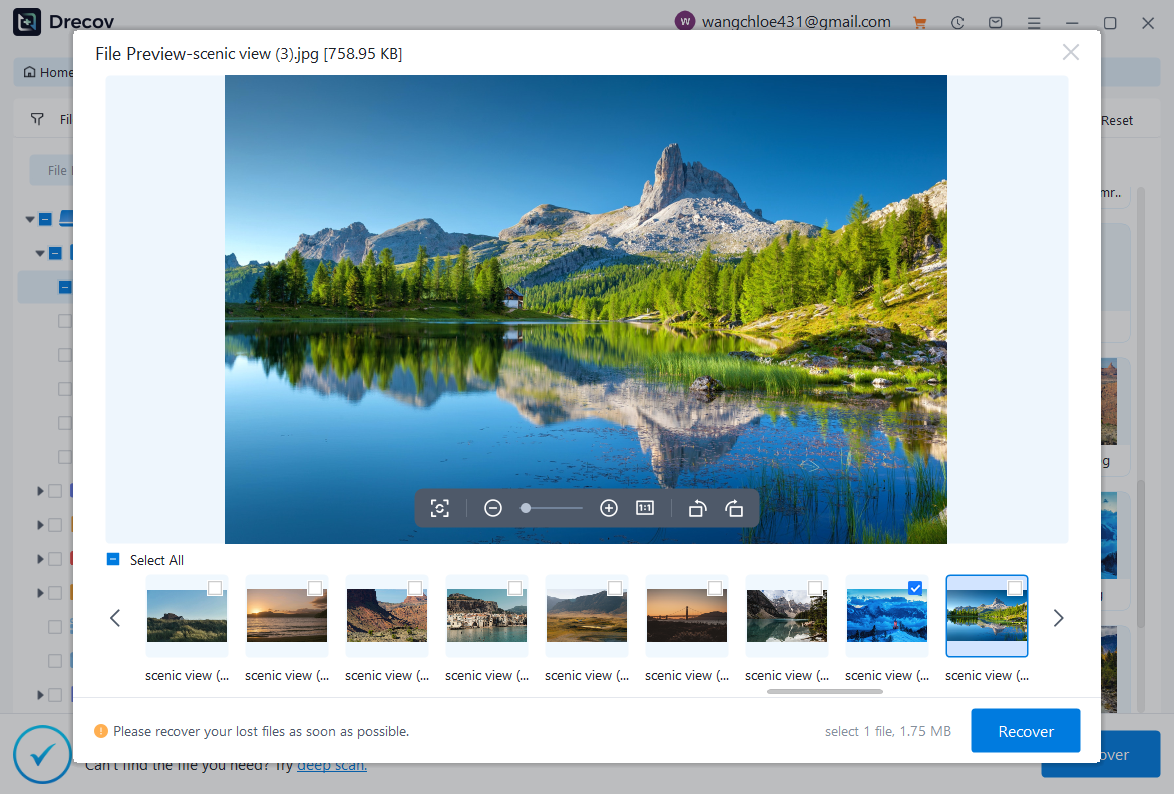
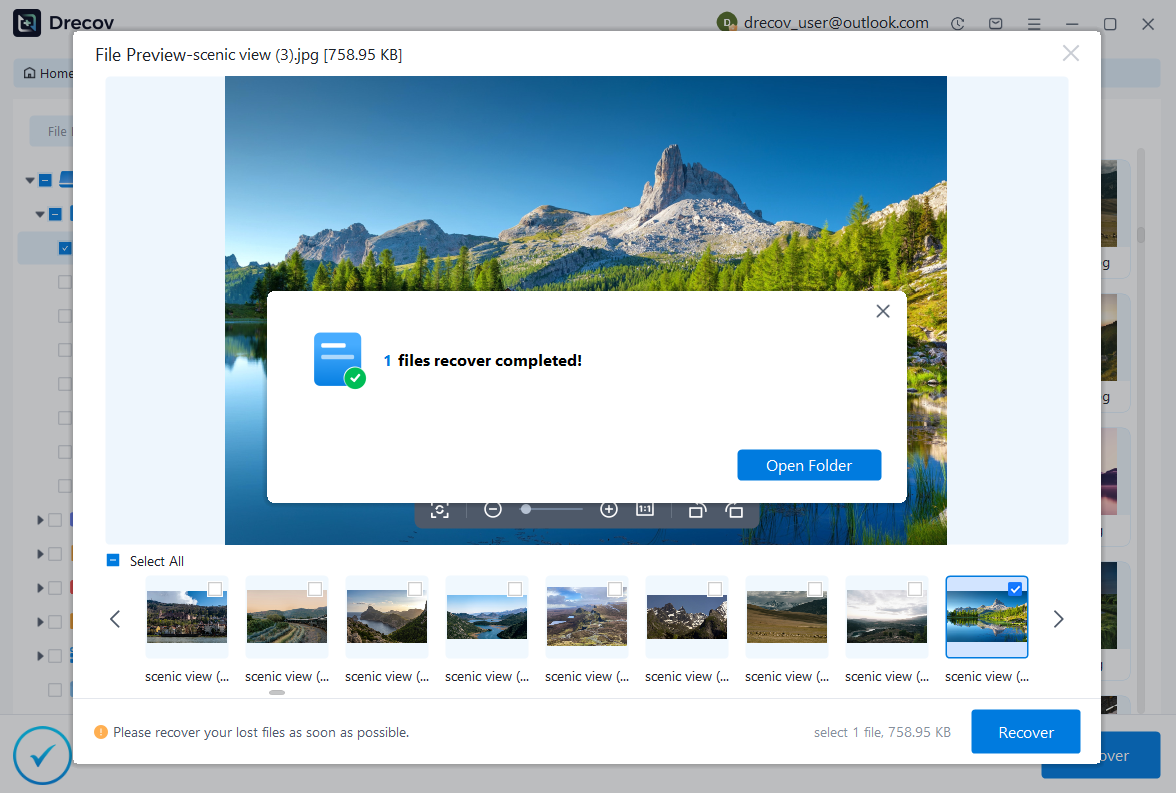
Method 5: Recover Temporary Word Files Using Pandaoffice Drecov
If temporary Word files are deleted or missing due to corruption, recovery software can help restore them.
Test Environment:
- OS: Windows 11
- Software: Pandaoffice Drecov
- Scenario: Deleted temp files
Steps:
- Install Pandaoffice Drecov.
- Select the drive where Word files were stored.
- Run a deep scan.
- Filter results by Word formats (.docx, .asd, .tmp).
- Preview and recover files.
- Save them to a safe location.
This method helps recover files even when they are no longer visible in the Microsoft Word temp file location.

Why Choose PandaOffice Drecov?
PandaOffice Drecov is a versatile and reliable solution for recovering a wide range of lost or inaccessible files. Whether you need audio recovery, video recovery, or excel recovery files, PandaOffice Drecov provides fast and efficient results, ensuring your important data is safely restored.
For creative professionals, it supports file recovery Illustrator projects, allowing designers to retrieve unsaved or accidentally deleted artwork without compromising file integrity. Businesses and individuals can also benefit from its restore Windows previous date feature, which helps recover documents or spreadsheets that were lost due to system errors or accidental deletions.
When external storage devices fail, such as a Lacie hard drive not showing up, PandaOffice Drecov can detect and restore files from these drives, ensuring you do not lose critical data. Even deleted files in the recycle bin can be recovered using its advanced recycle bin recovery software capabilities.
Additionally, the software supports recovering data from lost partitions, making lost partition recovery straightforward and reliable. Its intuitive interface allows users to perform audio recovery, video recovery, and excel recovery effortlessly, even for large or complex files.
⚠️ Warning: Do not install recovery software on the same drive where data was lost.
FAQ About Word Temp File Location
Where is the Word temp file location stored?
The Word temp file location is typically found in system folders like AppData on Windows or AutoRecovery folders on Mac.
How do I open temporary Word files?
You can open temporary files Word by renaming them with .docx or opening them directly in Microsoft Word.
Why can’t I find my temporary Word files?
If you cannot find files in the word temporary files locati0n, it may be due to AutoRecover being disabled or files being automatically deleted.
Are Word temp files permanent?
No, temporary Word files are short-term backups and may be deleted automatically after a session ends.
Conclusion: Managing Word Temp File Location Effectively
Key Takeaways for Recovering Temporary Word Files
Understanding the Word temp file location is essential for recovering unsaved work and protecting your documents. These temporary files act as a hidden backup system that helps restore data after crashes or unexpected shutdowns.
Whether using AutoRecover, manual folder navigation, or system search tools, users have multiple ways to access temporary Word files. Each method serves different scenarios depending on the type of data loss.
For advanced recovery cases, tools like Pandaoffice Drecov provide additional support when files are no longer available in the Microsoft Word temp file location.
By understanding how these systems work, you can significantly reduce the risk of permanent data loss.
⚠️ Warning: Always enable AutoRecover and save your work regularly to minimize reliance on temporary files.





