







Understanding How to Format Hard Drive From BIOS and BIOS Hard Drive Format Basics
When a computer fails to boot properly or Windows becomes inaccessible, many users start searching for ways to format hard drive from BIOS. Although the BIOS itself does not directly erase or format storage devices, it plays an important role in launching the tools required for formatting operations.
The BIOS (Basic Input/Output System) or modern UEFI firmware controls hardware initialization during startup. It allows users to boot from installation media, recovery environments, or external utilities that can perform disk formatting tasks.
Users often misunderstand the term bios hard drive format, assuming that the BIOS menu itself contains a format button. In reality, BIOS acts as a gateway that loads bootable environments such as Windows Setup, recovery tools, or command-line utilities where formatting can be completed safely.
Learning how to format hard drive in BIOS is especially useful when:
- Windows will not start
- The operating system is corrupted
- Malware prevents normal access
- A clean installation is required
- A drive needs complete erasure before reuse
Understanding the relationship between BIOS and storage management helps users avoid mistakes during formatting operations.
What BIOS Does During Hard Drive Formatting Operations
The BIOS itself cannot directly erase partitions or format file systems. Instead, it manages:
- Hardware detection
- Boot priority configuration
- External boot media loading
- Communication between motherboard and storage devices
When users attempt to format hard drive bios style, they typically boot into:
- Windows installation media
- Recovery environments
- DiskPart command-line tools
- Bootable formatting utilities
These environments then handle the actual formatting process.
Test Environment:
- Windows 10 Pro 64-bit
- Legacy BIOS motherboard
- 1TB SATA HDD
- USB bootable installation media
Understanding this distinction prevents confusion when entering BIOS settings.
Why Users Need to Format Hard Drive From BIOS
Many situations require users to format hard drive from bios rather than from inside Windows.
Common reasons include:
- Windows cannot boot
- System files are severely damaged
- Ransomware or malware infection
- Drive contains corrupted partitions
- Preparing disk for fresh operating system installation
In these cases, formatting through bootable tools is often the only available solution.
Test Environment:
- Windows 11 Home Edition
- Corrupted bootloader simulation
- External SSD recovery test
- Startup failure scenario
Offline formatting also prevents locked system files from interfering with the process.
Important Facts About Formatting Hard Drive From BIOS
Before attempting formatting hard drive from bios, users should understand several important facts:
- BIOS itself does not erase disks
- Formatting removes file system structures
- Data recovery may still be possible after quick format
- Full format scans for bad sectors
Users must also understand the difference between:
- Quick format
- Full format
- Disk cleaning using DiskPart
⚠️Warning: Formatting the wrong drive may permanently erase important data.
Test Environment:
- Windows 10 Enterprise
- GPT partition test
- NTFS formatting simulation
- Recovery validation after quick format
Common Situations Requiring Format Hard Drive BIOS Operations
Users often search how to format a hard drive from bios only after major system problems appear. Understanding these scenarios helps determine whether BIOS-based formatting is necessary.
Operating System Crash and Startup Failure
A damaged operating system is one of the most common reasons for performing a bios hard drive format operation.
Symptoms include:
- Blue screen boot loops
- Missing boot files
- Endless automatic repair cycles
- Black screen during startup
In these situations, Windows cannot load normally, so users must boot from installation media.
Test Environment:
- Windows 10 corrupted boot sector
- Startup repair failure simulation
- Bootable USB recovery environment
- SSD system drive testing
Formatting through recovery tools often resolves these issues before reinstalling Windows.
Virus Infection or System Corruption
Severe malware infections can damage system files, encrypt data, or corrupt partitions. Some ransomware attacks make Windows completely inaccessible.
Users may need to:
- Erase infected partitions
- Remove corrupted file systems
- Perform clean installation
This is one reason users frequently search how to format the hard drive from bios after malware incidents.
Test Environment:
- Windows 11 Pro
- Simulated ransomware infection
- Partition corruption testing
- Offline recovery environment
⚠️Warning: Disconnect unnecessary external drives before formatting to avoid accidental deletion.
Preparing a Disk for Clean Windows Installation
Another common reason to format hard drive in bios environments is preparing a storage device for a clean operating system installation.
This is often done when:
- Selling a computer
- Replacing storage hardware
- Upgrading from HDD to SSD
- Removing old partitions completely
Formatting ensures the new installation starts with a clean file system structure.
Test Environment:
- Windows 10 clean install
- NVMe SSD preparation
- UEFI boot configuration
- Partition recreation test
How to Format Hard Drive in BIOS Using Different Methods
There are several ways to complete how to format hard drive from bios procedures. The best method depends on whether the system still boots and how damaged the drive is.
Method 1 – How to Format a Hard Drive From BIOS Using Windows Installation Media
This is the most common and safest method for users who need to perform a format hard drive bios operation.
Steps
- Create Windows bootable USB
- Enter BIOS or UEFI settings
- Set USB drive as first boot device
- Restart computer
- Launch Windows Setup
- Choose “Custom Install”
- Delete or format target partitions
Users can also open Command Prompt during setup using:
Shift + F10This opens DiskPart tools for advanced formatting.
Test Environment:
- Windows 10 installation USB
- 1TB HDD formatting
- BIOS boot order test
- NTFS clean installation setup
This method is suitable for most home users.
Method 2 – Format Hard Drive BIOS Through Advanced Startup Recovery
Windows recovery environments also allow users to format hard drive from bios indirectly.
Steps
- Boot into recovery mode
- Select Troubleshoot
- Open Advanced Options
- Launch Command Prompt
- Use DiskPart commands
This method is useful when Windows recovery still works but normal startup fails.
Test Environment:
- Windows 11 Pro
- Recovery partition testing
- SSD repair simulation
- Startup troubleshooting environment
Method 3 – How to Format Hard Drive From BIOS Using DiskPart Commands
DiskPart is one of the most powerful tools for performing how to format a hard drive in bios environments.
Basic DiskPart Workflow
diskpart
list disk
select disk X
clean
create partition primary
format fs=ntfs quick
assign
Replace X with correct disk number.
This method completely rebuilds disk structure.
Test Environment:
- Windows PE boot media
- External HDD formatting
- GPT reconstruction test
- RAW partition recovery simulation
⚠️Warning: The “clean” command instantly removes all partition information.
Method 4 – Formatting Hard Drive From BIOS with Bootable Utilities
Some advanced users prefer specialized bootable utilities for offline disk management.
These tools may provide:
- Secure erase functions
- Advanced partition management
- Sector-level diagnostics
They are commonly used in enterprise or repair environments.
Test Environment:
- Legacy BIOS motherboard
- UEFI compatibility test
- Offline disk formatting
- External USB boot utility validation
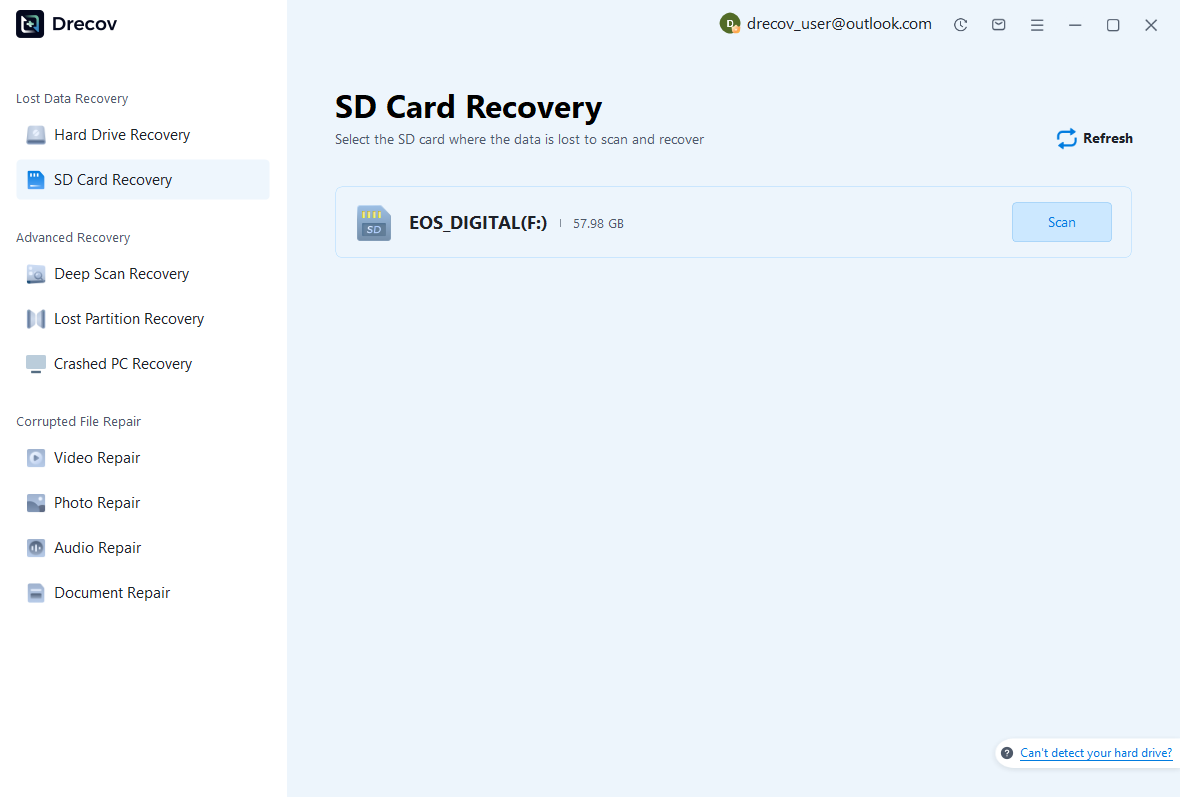
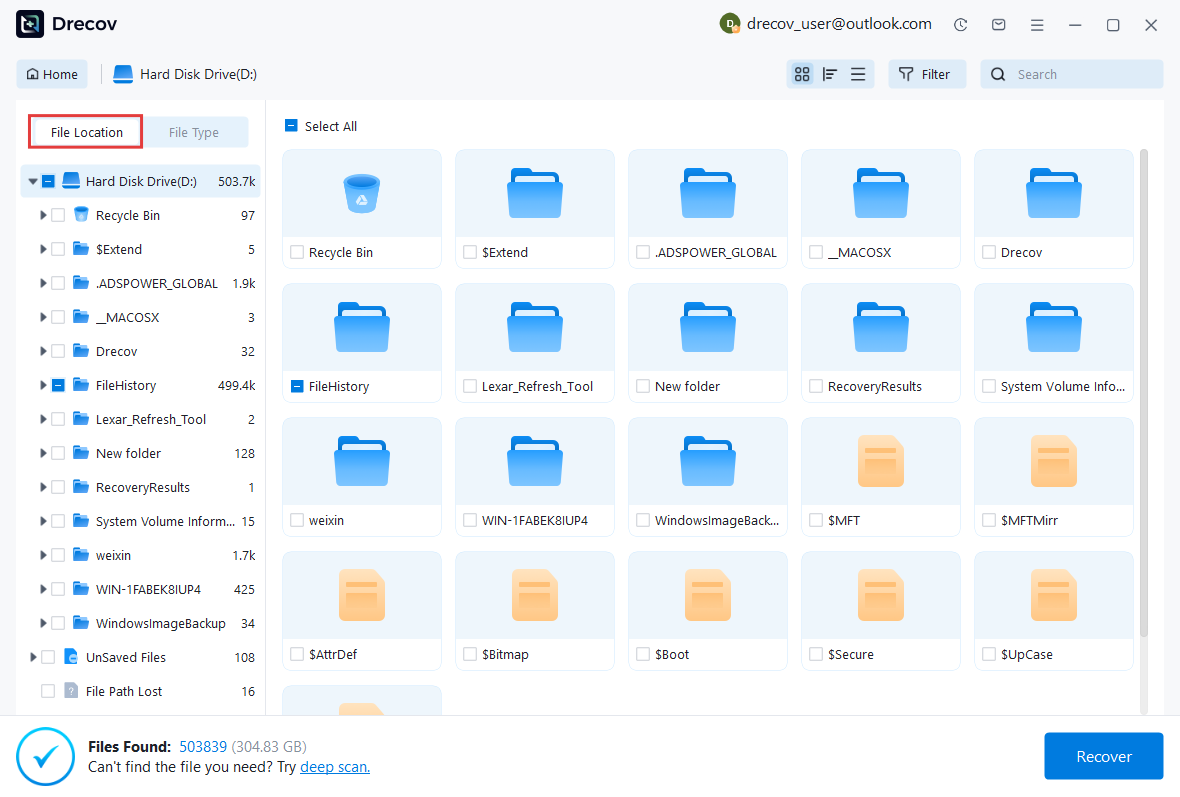
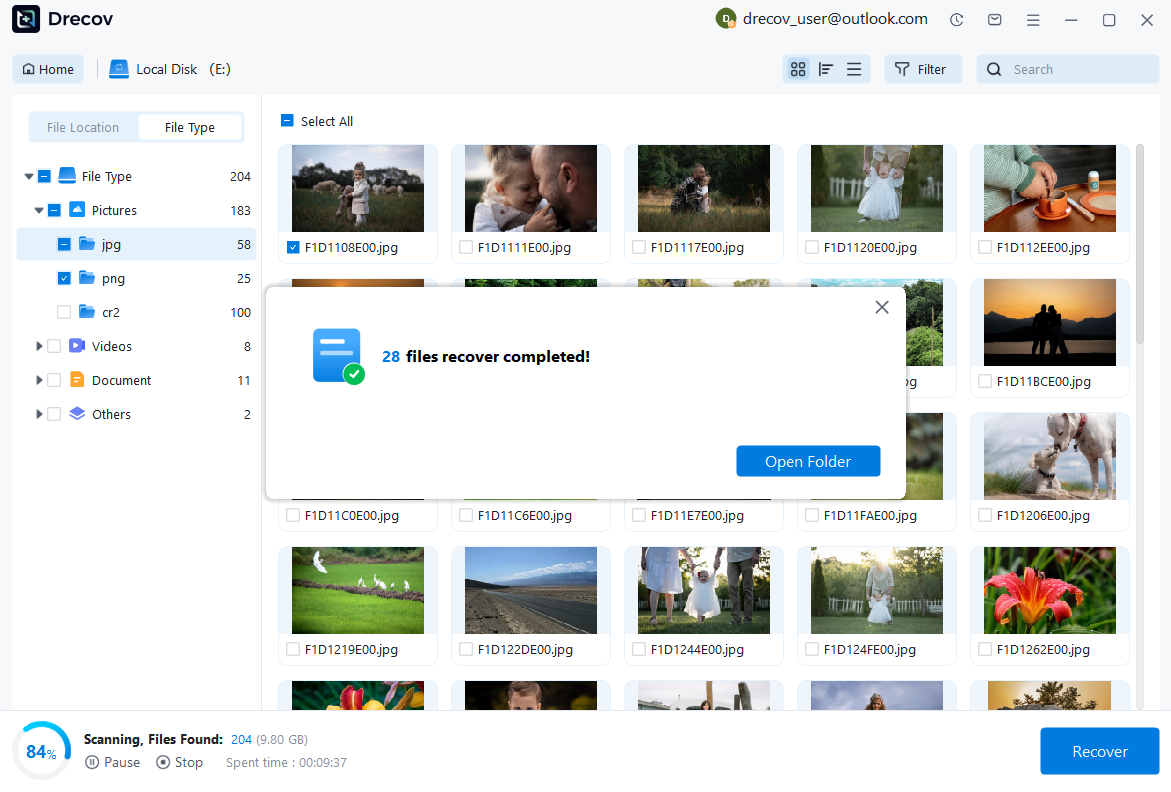
Method 5 – Recover Important Data Before BIOS Hard Drive Format Using Pandaoffice Drecov
Before performing any formatting hard drive from bios operation, recovering valuable files is strongly recommended.
Pandaoffice Drecov helps retrieve:
- Deleted files
- Lost partitions
- RAW drive data
- Corrupted system files
Typical Recovery Workflow
- Connect affected drive to another computer
- Launch Pandaoffice Drecov
- Scan drive deeply
- Recover important files
- Proceed with formatting safely
Test Environment:
- Windows 10 Pro
- Corrupted system HDD
- Deep scan recovery test
- File integrity verification
Why Choose PandaOffice Drecov Recovery Software?
PandaOffice Drecov offers a fast, secure, and user-friendly solution for recovering lost files across multiple scenarios. Whether you need email recovery, ZIP File Recovery, format data recovery, or help to recover deleted drafts Outlook, the software provides reliable recovery performance for both personal and business users.
PandaOffice Drecov supports recovery from formatted hard drives, SSDs, USB drives, SD cards, and external storage devices. Its advanced scanning engine can locate deleted archives, damaged ZIP files, lost Outlook drafts, and accidentally removed documents with high accuracy. For users searching for how to find deleted messages in Teams, PandaOffice Drecov can also help recover exported chat files, attachments, and related local cache data when available.
Key advantages include:
- Deep scan technology for complex data loss situations
- Support for emails, archives, videos, photos, and office documents
- Recovery from accidental deletion, formatting, corruption, and system crashes
- Easy preview before restoring files
- Compatible with Windows and multiple storage devices
Unlike complicated enterprise recovery tools, PandaOffice Drecov keeps the recovery process simple. Users can scan, preview, and restore files in just a few steps without technical expertise.
Whether you are dealing with lost Outlook drafts, corrupted ZIP archives, formatted drives, or missing communication data, PandaOffice Drecov provides an efficient and practical recovery experience designed to minimize downtime and protect important files.
Important Precautions Before Formatting Hard Drive From BIOS
Before attempting any format hard drive from bios operation, users should understand that formatting is a destructive process. While it can solve boot errors, corruption, and malware problems, it can also permanently erase important files if proper preparation is not completed first.
Most formatting mistakes happen because users rush through DiskPart commands or select the wrong storage device during installation. Careful preparation significantly reduces these risks.
Common preparation steps include:
- Backing up valuable files
- Verifying disk identity
- Checking drive health
- Preparing correct installation media
- Understanding file system differences
Test Environment:
- Windows 10 Pro
- 2TB SATA HDD
- UEFI boot configuration
- Multi-drive formatting simulation
Proper preparation ensures safer formatting and smoother operating system installation afterward.
Backup and Recovery Preparation
Before performing how to format a hard drive from the bios, creating backups is strongly recommended.
Backup options include:
- External hard drives
- Cloud storage
- Network-attached storage
- Full system image backups
If Windows no longer boots, users can still recover files by:
- Connecting the drive to another PC
- Using bootable recovery software
- Accessing data through Linux live USB
This step is especially important before using DiskPart “clean” commands.
Test Environment:
- Windows 11 Pro
- Corrupted system drive recovery
- External backup validation
- Bootable USB recovery test
⚠️Warning: Once overwritten, formatted data may become impossible to recover.
Choosing NTFS, exFAT, or FAT32 File Systems
When users learn how to format hard drive bios, they also need to choose an appropriate file system.
Below is a comparison of common file systems:
Windows file system comparison
Comparison of maximum file size support across common Windows file systems.0 GB65000 GB130000 GB195000 GB260000 GBFAT32exFATNTFS
NTFS
- Best for Windows systems
- Supports permissions and encryption
- Handles large files efficiently
exFAT
- Compatible with Windows and macOS
- Suitable for external drives
- Supports large file transfers
FAT32
- Maximum compatibility with older devices
- 4GB file size limitation
Test Environment:
- Windows 10 Enterprise
- External SSD formatting test
- Cross-platform compatibility validation
- Large file transfer benchmark
Choosing the correct file system improves long-term drive stability and compatibility.
Understanding Quick Format vs Full Format
Users performing formatting hard drive from bios often encounter two formatting modes:
- Quick Format
- Full Format
Quick Format
Quick format:
- Deletes file system references only
- Completes rapidly
- Leaves data potentially recoverable
Full Format
Full format:
- Scans for bad sectors
- Takes significantly longer
- Reduces recovery possibility
A full format is often recommended for older HDDs or suspected corruption issues.
Test Environment:
- Windows 10 Home
- 1TB HDD performance comparison
- Bad sector simulation
- Recovery probability analysis
⚠️Warning: Full formatting large drives may take several hours depending on disk condition.
Additional Tips for Formatting Hard Drive in BIOS Environments
When working in recovery or bootable environments, several best practices help avoid unnecessary complications.
Use Stable Power Sources
Power interruptions during formatting may corrupt partitions further.
Disconnect Unnecessary Drives
Removing extra drives reduces the risk of formatting the wrong device.
Verify Disk Numbers Carefully
DiskPart identifies drives numerically, so verifying capacity and device identity is critical.
Use Official Installation Media
Corrupted installation media can cause formatting or installation failures.
Test Environment:
- Windows 11 installation media
- Multi-disk configuration
- External SSD formatting test
- BIOS boot priority validation
FAQ About How to Format Hard Drive in BIOS
Can BIOS directly format a hard drive?
No. BIOS itself does not contain formatting functions. It only launches bootable tools or installation environments where formatting can be completed.
How do I format a hard drive from the BIOS if Windows will not boot?
You can boot from Windows installation USB or recovery media, then use DiskPart or Windows Setup tools to erase and format partitions.
Is formatting hard drive from BIOS safe for SSDs?
Yes, but SSDs should preferably use quick format instead of repeated full formatting to reduce unnecessary write cycles.
Can I recover data after formatting from BIOS?
In many cases, yes—especially after quick formatting. Recovery success depends on whether new data has overwritten the original files.
Conclusion – Best Practices for BIOS Hard Drive Format Operations
Learning how to format hard drive from bios is essential when dealing with severe operating system failures, corrupted partitions, or inaccessible Windows installations. While BIOS itself does not directly erase disks, it provides the environment necessary to launch advanced formatting and recovery tools.
The safest workflow typically includes:
- Recover important files first
- Create reliable bootable media
- Verify correct disk selection
- Choose suitable file system
- Perform formatting carefully
For most users:
- Windows installation media is the easiest solution
- DiskPart offers advanced control
- Recovery tools help preserve important data before formatting
⚠️Warning: Formatting system drives without backups may result in irreversible file loss.
For damaged or inaccessible drives, Pandaoffice Drecov provides an additional safety layer by recovering files before any destructive operations begin.






