







Understanding the Non System Disk or Disk Error Message
What the Error Means on Windows Computers
The non system disk or disk error message usually appears when a computer cannot locate the operating system during startup. Instead of loading Windows normally, the system stops at a black screen and displays an error asking users to replace the disk and press a key to continue.
This issue often happens because the BIOS attempts to boot from the wrong device or cannot access essential startup files. In some situations, removable media such as USB drives or DVDs interfere with the boot process. In more severe cases, corrupted partitions or failing storage hardware may trigger the error.
Many users assume the problem only affects old drives, but modern systems can also experience startup failures caused by disk errors or damaged boot sectors. Whether you use a traditional HDD or SSD, missing boot information can prevent Windows from launching properly.
The problem may appear suddenly after:
- Power interruptions
- BIOS updates
- Failed Windows updates
- Hard drive corruption
- Improper shutdowns
⚠️Warning: Restarting the computer repeatedly without diagnosing the cause may worsen existing drive issues.
Understanding the root of the problem helps users choose the correct repair method instead of performing unnecessary formatting or reinstallations.
Common Symptoms Related to Disk Errors
Before the non system disk or disk error appears, many systems show warning signs indicating storage instability. Some users notice unusually slow boot times, while others encounter random freezing or file access problems.
Common symptoms include:
- Frequent system crashes
- Missing operating system messages
- Blue screen errors
- Clicking noises from HDDs
- Corrupted files
- Sudden restart loops
These symptoms are often linked to hard disk errors affecting the boot partition or file system structure. In many cases, Windows cannot locate the boot loader because critical sectors become unreadable.
External devices can also confuse startup detection. For example, if a USB flash drive is connected before startup, BIOS may incorrectly attempt to boot from it instead of the primary system drive.
Test Environment:
- Windows 11 Pro
- 1TB SATA HDD
- Intel Core i5 platform
- Legacy BIOS mode
Some systems continue functioning intermittently before complete failure occurs. This temporary functionality can mislead users into ignoring early warning signs until the operating system becomes inaccessible.
Recognizing these symptoms early allows users to back up important files before severe damage develops.
Why Hard Disk Errors Should Not Be Ignored
Ignoring hard disk error warnings can lead to major data loss and system instability. Storage drives contain essential operating system files, application data, and personal documents. Once critical sectors become unreadable, Windows may fail entirely.
Minor startup problems can quickly evolve into serious hardware issues. For example, unstable sectors may spread across the drive surface, reducing reliability and increasing corruption risks.
A damaged boot sector can prevent the computer from recognizing the operating system. If left unresolved, users may eventually lose access to photos, videos, work documents, and installed programs.
⚠️Warning: Avoid force shutdowns when the drive is making unusual noises or freezing repeatedly.
Another issue involves repeated repair attempts. Constant restarting or reinstalling Windows onto a failing disk may overwrite recoverable files and worsen mechanical damage.
Test Environment:
- Windows 10 desktop
- 2TB HDD
- NTFS file system
- SMART warning enabled
Routine diagnostics and early troubleshooting significantly improve the chances of restoring normal functionality without permanent data loss.
Main Causes Behind Non System Disk or Disk Error
Incorrect Boot Order in BIOS
One of the most common reasons behind the non system disk or disk error is incorrect boot priority settings inside BIOS or UEFI firmware. The system may attempt to load Windows from the wrong device instead of the primary drive.
This often happens after:
- Connecting external storage devices
- Installing additional drives
- Updating BIOS firmware
- Resetting CMOS settings
For example, if a USB drive is connected during startup, the motherboard may prioritize it over the system disk. Since the removable device does not contain valid operating system files, the computer displays a startup error.
Users can usually fix this problem by entering BIOS setup and selecting the correct boot drive manually.
Test Environment:
- Windows 11 gaming desktop
- NVMe SSD primary drive
- USB flash drive attached
- UEFI boot mode
Modern motherboards sometimes rearrange boot priorities automatically after firmware updates, which can unexpectedly trigger startup failures even when the drive itself is healthy.
Corrupted Boot Files and System Partitions
Windows relies on boot records and partition information to start correctly. If these structures become corrupted, the operating system cannot load normally.
Corruption may occur due to:
- Malware attacks
- Interrupted Windows updates
- Improper shutdowns
- File system failures
Damaged boot sectors are among the most serious disk errors because they directly affect startup instructions. Without functional boot records, BIOS cannot transfer control to Windows.
In some cases, the system partition becomes inaccessible even though the physical drive still functions correctly. Users may mistakenly believe the disk is completely dead when only the startup configuration is damaged.
Test Environment:
- Windows 10 Pro
- 512GB SSD
- Corrupted BCD simulation
Repairing startup records through recovery tools or Command Prompt often resolves these issues without requiring full reinstallation.
External Devices Interfering With Startup
External media frequently causes startup confusion. Devices such as:
- USB drives
- Memory cards
- External HDDs
- DVDs
may contain incomplete boot information or incompatible partition structures. When BIOS attempts to load from these devices first, the system cannot locate Windows properly.
This situation is especially common after cloning drives or creating installation media.
Test Environment:
- Laptop with USB installer attached
- Windows 11 Home
- UEFI secure boot enabled
Removing unnecessary devices before startup is often enough to resolve the issue immediately.
⚠️Warning: Disconnect external drives safely to avoid additional file corruption.
Many users overlook removable media as the cause because the actual system drive remains fully operational.
Physical Hard Disk Error and Drive Damage
A serious hard disk error may occur when the drive itself begins failing physically. Traditional HDDs are particularly vulnerable because they contain moving mechanical components.
Common causes include:
- Overheating
- Power surges
- Physical impact
- Aging hardware
- Manufacturing defects
Failing drives may produce clicking sounds, disappear from BIOS, or show repeated read/write failures. Unlike software corruption, physical damage often worsens over time.
Test Environment:
- Windows 10 workstation
- 2TB HDD with bad sectors
- SMART failure warning
SSDs can also fail because of controller problems or NAND wear, although symptoms may differ from HDD failures.
When physical failure occurs, users should prioritize backing up accessible data immediately before attempting extensive repairs.
Effective Ways to Fix Non System Disk or Disk Error
Method 1 – Remove External Storage Devices
The simplest solution for the non system disk or disk error is disconnecting removable devices connected to the computer.
Follow these steps:
- Shut down the PC completely
- Remove USB drives, DVDs, and memory cards
- Restart the computer
- Check whether Windows loads normally
This works because BIOS may mistakenly attempt to boot from external storage instead of the internal system drive.
Test Environment:
- Windows 11 desktop
- USB recovery drive attached
- SATA SSD system disk
If startup succeeds after disconnecting the devices, users should review BIOS boot settings to prevent future problems.
This method is fast, safe, and effective for many startup-related disk errors caused by incorrect boot device detection.
Method 2 – Change Boot Priority in BIOS
If the computer still fails to boot, checking BIOS settings is the next recommended step.
Steps:
- Restart the computer
- Enter BIOS using keys like F2, DEL, or ESC
- Open the Boot section
- Set the primary system drive as the first boot device
- Save changes and restart
Incorrect boot sequences are extremely common after hardware upgrades or BIOS resets.
Test Environment:
- Gaming PC
- Windows 11
- NVMe SSD primary storage
- UEFI firmware
After adjusting the settings, the operating system should load normally if no deeper corruption exists.
⚠️Warning: Avoid modifying unrelated BIOS settings unless necessary.
Changing the wrong firmware options may cause additional startup complications.
Method 3 – Repair Boot Records With Command Prompt
Corrupted startup files can often be repaired using Windows Recovery Environment and Command Prompt tools.
Steps:
- Boot from Windows installation media
- Open Repair Your Computer
- Launch Command Prompt
- Run these commands:
bootrec /fixmbrbootrec /fixbootbootrec /scanosbootrec /rebuildbcd
These commands rebuild startup records and repair damaged boot configurations.
Test Environment:
- Windows 10 Pro
- Corrupted BCD data
- SATA SSD
This method is effective for software-related hard disk errors involving missing boot information.
Users should restart the computer after completing the repair process to verify whether Windows launches successfully.
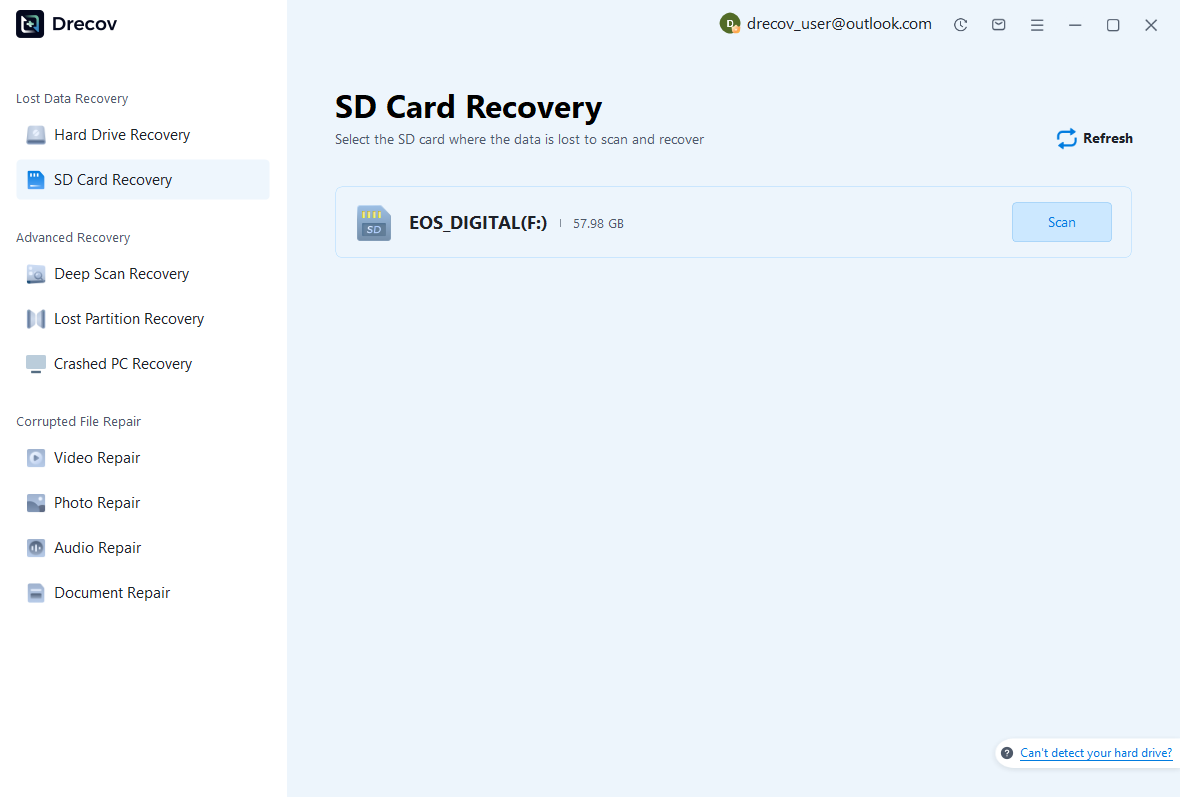
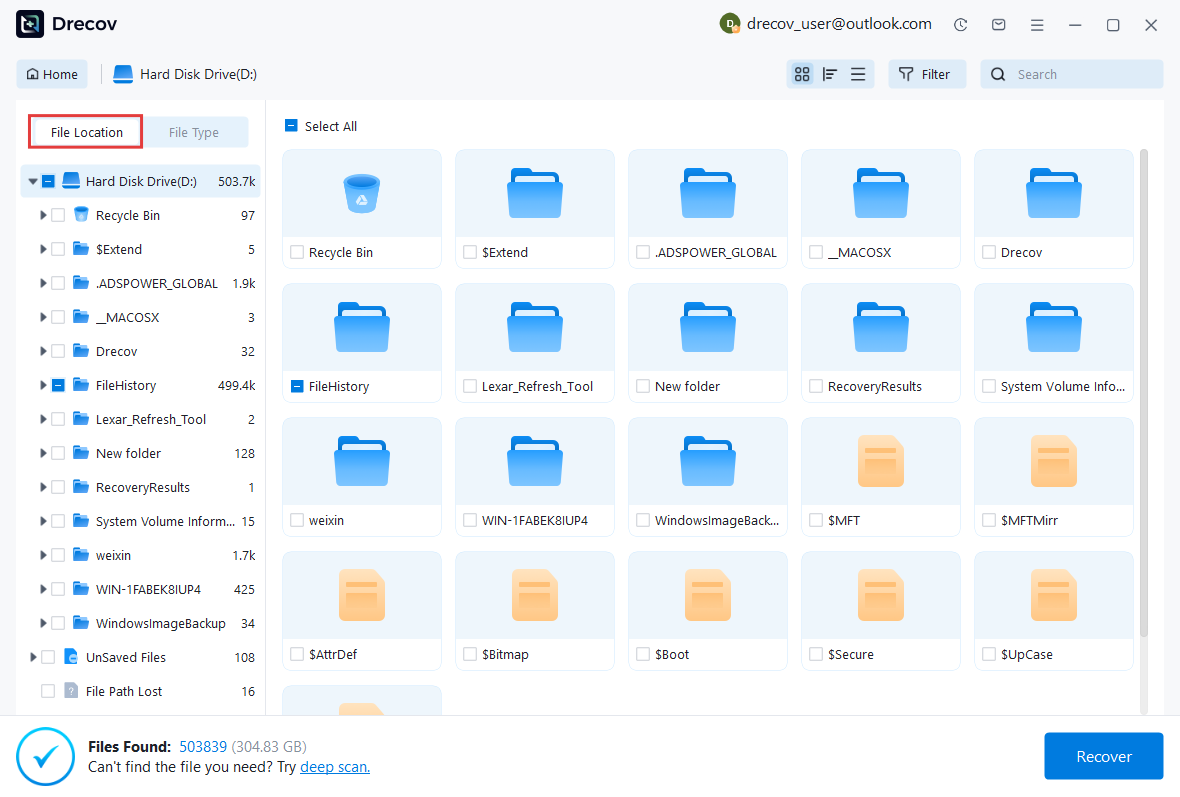
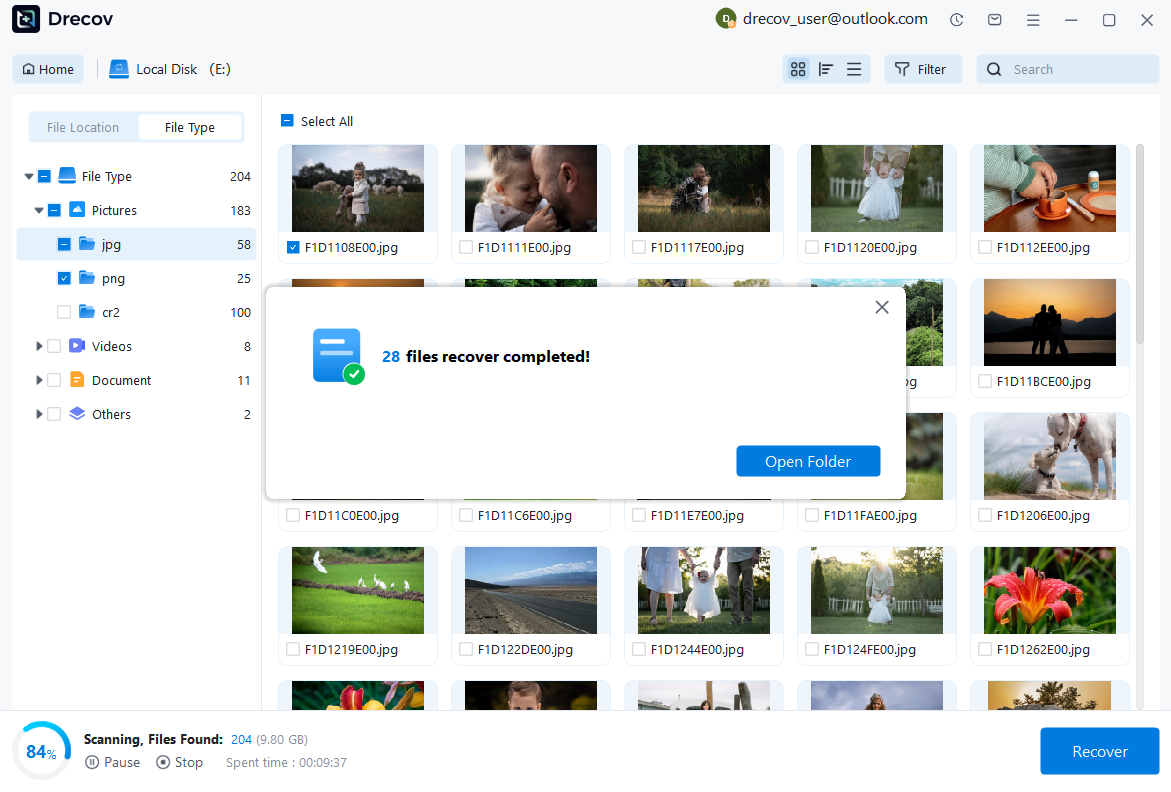
Method 4 – Recover Lost Data Using Pandaoffice Drecov
If startup repairs fail and important files become inaccessible, recovering data before advanced repairs is highly recommended. Pandaoffice Drecov can help retrieve documents, images, videos, and other files from inaccessible or corrupted drives.
Basic recovery process:
- Connect the affected drive to another computer
- Install Pandaoffice Drecov on a healthy storage device
- Scan the damaged partition
- Preview recoverable files
- Save data to another disk
Test Environment:
- Windows 11 recovery workstation
- External SATA adapter
- Corrupted HDD
This method is especially useful when hard disk errors prevent normal system access but the drive remains detectable.
Recovering files before formatting or reinstalling Windows reduces the risk of permanent data loss.
Why Choose PandaOffice Drecov Recovery Software?
PandaOffice Drecov offers a fast, secure, and user-friendly solution for recovering lost files across multiple scenarios. Whether you need email recovery, ZIP File Recovery, format data recovery, or help to recover deleted drafts Outlook, the software provides reliable recovery performance for both personal and business users.
PandaOffice Drecov supports recovery from formatted hard drives, SSDs, USB drives, SD cards, and external storage devices. Its advanced scanning engine can locate deleted archives, damaged ZIP files, lost Outlook drafts, and accidentally removed documents with high accuracy. For users searching for how to find deleted messages in Teams, PandaOffice Drecov can also help recover exported chat files, attachments, and related local cache data when available.
Key advantages include:
- Deep scan technology for complex data loss situations
- Support for emails, archives, videos, photos, and office documents
- Recovery from accidental deletion, formatting, corruption, and system crashes
- Easy preview before restoring files
- Compatible with Windows and multiple storage devices
Unlike complicated enterprise recovery tools, PandaOffice Drecov keeps the recovery process simple. Users can scan, preview, and restore files in just a few steps without technical expertise.
Whether you are dealing with lost Outlook drafts, corrupted ZIP archives, formatted drives, or missing communication data, PandaOffice Drecov provides an efficient and practical recovery experience designed to minimize downtime and protect important files.
Method 5 – Check and Repair Hard Disk Errors
Windows includes built-in tools for detecting and repairing file system corruption and bad sectors.
Users can run CHKDSK:
- Open Command Prompt as administrator
- Type:
chkdsk C: /f /r - Restart the system if prompted
The /f parameter repairs file system problems, while /r scans for bad sectors.
Test Environment:
- Windows 10 desktop
- 1TB HDD
- NTFS partition corruption
Although CHKDSK can resolve many disk errors, it may not repair severe physical damage.
Users should monitor SMART status regularly if recurring issues continue appearing after repairs.
How to Prevent Future Disk Errors
Keep Your Drive Healthy
Regular maintenance helps reduce the likelihood of startup failures and hard disk errors. Keeping the system updated and monitoring storage health improves overall reliability.
Recommended maintenance includes:
- Installing Windows updates
- Monitoring SMART data
- Keeping sufficient free space
- Running disk diagnostics
Test Environment:
- Windows 11 workstation
- SMART monitoring software
Healthy storage conditions reduce corruption risks significantly.
Back Up Important Files Regularly
Backups remain the most effective protection against data loss caused by hard disk error situations.
Users should maintain:
- Cloud backups
- External drive copies
- Automated backup schedules
Test Environment:
- NAS backup system
- Windows 11 desktop
Having multiple backup copies ensures important files remain accessible even during complete drive failure.
Protect Your Computer From Sudden Shutdowns
Unexpected power loss frequently damages boot sectors and file systems. Using a UPS or surge protector helps maintain system stability.
Test Environment:
- Desktop PC
- Battery backup unit installed
Proper shutdown procedures reduce startup-related corruption dramatically.
Monitor System and Drive Performance
Performance drops, unusual sounds, and overheating often indicate developing drive problems.
Users should investigate:
- Slow startup times
- Frequent freezes
- File corruption
- Repeated repair prompts
Early detection helps prevent severe hard disk errors and permanent failure.
Frequently Asked Questions About Hard Disk Errors
Can a Damaged Hard Drive Cause Boot Failure?
Yes. If the drive contains unreadable sectors or damaged boot files, Windows may fail to load completely.
Is Non System Disk Error a Serious Problem?
It can range from a simple boot order issue to severe hardware failure. Immediate diagnosis is important to avoid worsening damage.
Can Disk Errors Be Fixed Without Formatting?
Many startup-related problems can be repaired using BIOS adjustments, startup repair tools, or Command Prompt commands without formatting the drive.
Final Thoughts on Fixing Disk Startup Problems
Key Tips for Long-Term Disk Stability
The non system disk or disk error message is often caused by boot misconfiguration, corrupted startup records, or failing storage hardware. Although the problem may seem serious initially, many cases can be resolved through careful troubleshooting.
Simple fixes like disconnecting external devices or correcting BIOS settings often restore startup functionality quickly. More advanced methods such as rebuilding boot records or repairing file systems can resolve deeper corruption issues.
Regular backups, proper shutdown habits, and routine disk monitoring remain essential for preventing future disk errors and protecting valuable data from unexpected failures.






