







Why Deleted Photos Can Often Be Recovered
What Happens When Photos Are Deleted
Losing important photos can feel permanent, especially when they disappear from a computer, smartphone, camera, or memory card. Fortunately, deleting a photo does not immediately erase the image from storage. In most cases, the operating system simply removes the file’s index entry and marks the occupied storage space as available for future use.
Until new data overwrites that space, the original photo often remains intact. This is why many users successfully restore lost pictures even after accidental deletion. Modern storage devices—including hard drives, SSDs, SD cards, USB flash drives, and camera memory cards—typically follow this behavior.
Understanding how deletion works helps explain why photo recovery software can often retrieve files that appear to be gone forever. Recovery applications scan storage devices for file remnants and rebuild recoverable images from available data.
The key to successful recovery is acting quickly. The longer a device continues to be used after deletion, the greater the chance that new files will overwrite recoverable data. Whether the photos were lost from a computer or a digital camera, stopping device usage immediately can significantly improve recovery results.
⚠️ Warning: Avoid saving new files to the affected device before attempting recovery, as overwritten data usually cannot be restored.
Where Deleted Images Remain Stored
The location of deleted photos depends on the device and storage system involved. On Windows computers, deleted files often move to the Recycle Bin before permanent removal. Mac users typically find deleted images in the Trash folder. Smartphones may store deleted photos temporarily in Recently Deleted albums.
If photos have been permanently removed, they may still exist in the storage sectors of the device. Memory cards used in cameras frequently retain deleted files until new photos replace them. Similarly, external hard drives and USB drives may continue to contain recoverable image data long after deletion.
Cloud storage services provide another possible recovery source. Many platforms keep deleted photos in a temporary recovery folder for several days or weeks. This feature allows users to restore accidentally removed images without specialized tools.
For situations where backups are unavailable, photo data recovery software can scan storage devices directly. These applications search for recognizable file signatures and reconstruct deleted images whenever possible.
Because modern devices store photos in multiple locations, users should always investigate every potential recovery source before assuming files are permanently lost.
Factors That Affect Photo Recovery Success
Several variables influence whether deleted photos can be recovered successfully. The most important factor is time. Recently deleted images generally have a much higher recovery rate than files lost months earlier.
Storage activity is equally important. Every new file saved to the affected device increases the risk of overwriting deleted photos. Once overwritten, recovery becomes extremely difficult or impossible.
The type of storage device also matters. Traditional hard drives often allow excellent recovery results, while SSDs may be affected by TRIM technology, which can remove deleted data more quickly. Memory cards, particularly those used in cameras, frequently offer favorable recovery opportunities if they are removed immediately after data loss.
File system corruption, formatting operations, and physical damage may further complicate recovery efforts. However, many modern recovery solutions can still retrieve files from partially damaged storage media.
Users searching for the best photo recovery software should understand that no tool can guarantee complete restoration. Recovery success depends on the condition of the storage device and how quickly recovery begins after data loss occurs.
Common Reasons for Photo Loss
Accidental Deletion
Accidental deletion remains one of the most common causes of photo loss worldwide. A single misplaced click, incorrect file selection, or rushed cleanup session can result in the removal of valuable images.
This issue affects users across all device types. Smartphone users may unintentionally delete entire albums while organizing storage. Camera owners sometimes remove photos directly from memory cards without verifying backups. Computer users frequently empty the Recycle Bin before realizing important images were included.
Fortunately, accidental deletion often provides some of the highest recovery success rates because the storage media itself remains undamaged. In many cases, deleted photos continue to exist until overwritten by new data.
Recovery should begin as soon as possible. Continued use of the device can reduce the likelihood of successful restoration. Users should avoid taking additional photos, downloading files, or installing applications on the affected storage device.
Many people rely on deleted photo recovery software in these situations because it can locate image files that no longer appear in the operating system. When used promptly, recovery tools often retrieve photos that users believed were permanently lost.
Formatting Memory Cards or Drives
Formatting is another major source of photo loss. Whether intentional or accidental, formatting removes file system information and makes stored data inaccessible through normal methods.
Photographers frequently encounter this issue when formatting SD cards before confirming that all images have been transferred. Similarly, users may accidentally select the wrong drive during storage management tasks.
Although formatting appears destructive, many photos remain physically present on the storage device until overwritten. This creates an opportunity for recovery if the device is no longer used after formatting occurs.
Memory cards used in digital cameras are particularly susceptible to accidental formatting. Users often receive prompts requesting card formatting when compatibility or file system issues arise. Accepting these prompts without backing up data can lead to substantial photo loss.
Professional-grade recovery solutions can often scan formatted devices and reconstruct image files from remaining data structures. The chances of success increase significantly when recovery begins immediately after the formatting event.
⚠️ Warning: Never save new photos to a formatted memory card before attempting recovery.
System Crashes and Storage Corruption
Unexpected system failures can make entire photo collections inaccessible. Operating system crashes, sudden power outages, file system corruption, and software errors may prevent photos from appearing even though they still exist on the device.
Storage corruption can occur on computers, smartphones, memory cards, and external drives. Common symptoms include missing folders, unreadable files, error messages, and inaccessible storage devices.
Unlike accidental deletion, corruption often affects the organizational structure of stored files rather than the files themselves. As a result, many images remain recoverable despite appearing lost.
Recovery software designed for damaged storage devices can bypass file system errors and scan raw storage sectors directly. This approach frequently uncovers photos that standard file browsing methods cannot detect.
Users experiencing corruption-related data loss should stop using the affected device immediately and create a backup image whenever possible. Preserving the current condition of the storage media helps maximize recovery opportunities and minimizes further damage.
Best Methods to Recover Deleted Photos
Method 1: Restore Photos from the Recycle Bin or Trash
Before using advanced recovery tools, users should check whether deleted photos still exist in the operating system’s temporary deletion folder.
Test Environment
- Device: Windows 11 PC
- Storage: Internal SSD
- Data Loss Scenario: Accidentally deleted JPG photos
- File Status: Deleted within the past 24 hours
For Windows users:
- Open the Recycle Bin.
- Locate the deleted photos.
- Select the files you want to restore.
- Right-click and choose Restore.
- Verify that the files return to their original location.
For macOS users:
- Open the Trash folder.
- Find the deleted images.
- Right-click the selected files.
- Choose Put Back.
- Confirm successful restoration.
This method is the simplest recovery option because it does not require additional software or technical knowledge. Many users overlook the Recycle Bin and immediately assume their files are gone forever.
If the photos are still present, restoration usually takes only a few seconds. However, permanently deleted files or emptied recycle folders require alternative recovery methods.
Checking these built-in recovery locations should always be the first step before considering more advanced solutions.
Method 2: Recover Photos from Cloud Backups
Cloud storage services have become one of the most reliable safeguards against photo loss. Many devices automatically synchronize images to online platforms without requiring manual intervention.
Test Environment
- Device: iPhone 15 Pro
- Cloud Service: iCloud Photos
- Data Loss Scenario: Deleted image album
- Backup Status: Automatic synchronization enabled
To recover photos from cloud backups:
- Log in to the associated cloud account.
- Open the deleted files or recently deleted section.
- Locate the missing photos.
- Select the files for restoration.
- Download or restore them to the device.
Google Photos, iCloud Photos, OneDrive, Dropbox, and similar services often maintain deleted items for a limited period before permanent removal. This retention period provides a valuable recovery opportunity.
Cloud recovery is particularly useful because it does not depend on the condition of the original storage device. Even if a memory card becomes corrupted or a phone is damaged, synchronized copies may remain available online.
Users looking for free photo recovery software alternatives should always investigate cloud backups first. In many cases, recovery can be completed quickly without installing any additional tools.
This approach is especially effective for smartphone users who have automatic photo synchronization enabled by default.
Method 3: Use PandaOffice Drecov Photo Recovery Software
When photos are no longer available in the Recycle Bin, Trash folder, or cloud backup, dedicated recovery software becomes one of the most practical solutions. Recovery applications can scan storage devices for deleted image files and rebuild them before the data is overwritten.
Test Environment
- Device: Windows 11 PC
- Storage Device: 128GB SD Card
- Data Loss Scenario: Accidentally deleted vacation photos
- File Types: JPG, PNG, RAW
- Card Status: No new files saved after deletion
To recover photos using PandaOffice Drecov:
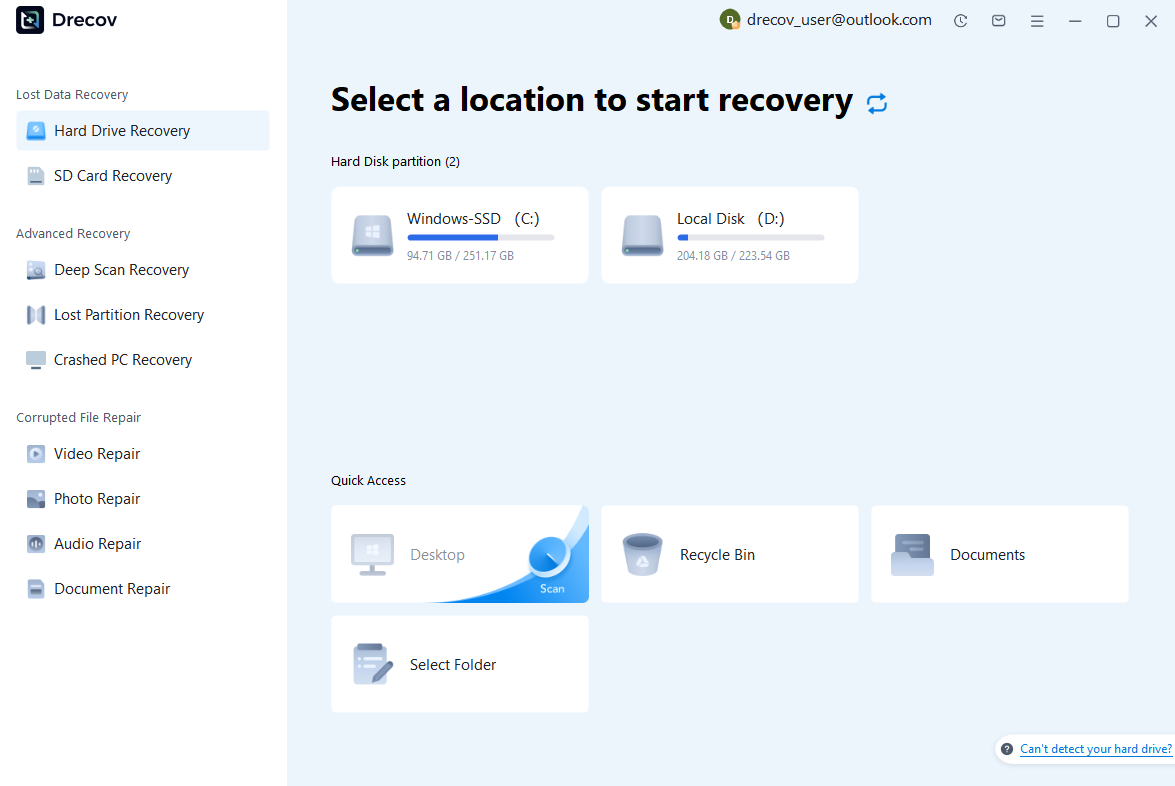
Step 1: Scan the Storage Device (SD Card / Hard Drive / USB)
Connect your device (SD card, HDD/SSD, or USB drive) to your computer and launch PandaOffice Drecov. Select the target device and start the scan. The software will perform a quick scan and deep scan to detect lost or deleted data.
Step 2: Locate and Preview Lost Files
After scanning, browse the detected files and use the preview feature to check recoverable data. You can preview documents (Word, Excel, PDF), photos, and videos to ensure file integrity before recovery.

Step 3: Recover and Save to a New Location
Select the files you want to restore and click recover. Save all recovered data to a different drive or location (not the original device) to avoid overwriting lost data.

Why Choose PandaOffice Drecov Recovery Software?
PandaOffice Drecov offers a fast, secure, and user-friendly solution for recovering lost files across multiple scenarios. Whether you need email recovery, ZIP File Recovery, format data recovery, or help to recover deleted drafts Outlook, the software provides reliable recovery performance for both personal and business users.
PandaOffice Drecov supports recovery from formatted hard drives, SSDs, USB drives, SD cards, and external storage devices. Its advanced scanning engine can locate deleted archives, damaged ZIP files, lost Outlook drafts, and accidentally removed documents with high accuracy. For users searching for how to find deleted messages in Teams, PandaOffice Drecov can also help recover exported chat files, attachments, and related local cache data when available.
Key advantages include:
- Deep scan technology for complex data loss situations
- Support for emails, archives, videos, photos, and office documents
- Recovery from accidental deletion, formatting, corruption, and system crashes
- Easy preview before restoring files
- Compatible with Windows and multiple storage devices
Unlike complicated enterprise recovery tools, PandaOffice Drecov keeps the recovery process simple. Users can scan, preview, and restore files in just a few steps without technical expertise.
Whether you are dealing with lost Outlook drafts, corrupted ZIP archives, formatted drives, or missing communication data, PandaOffice Drecov provides an efficient and practical recovery experience designed to minimize downtime and protect important files.
For users dealing with deleted, formatted, or inaccessible storage devices, PandaOffice Drecov can provide an efficient way to recover important images without requiring advanced technical skills.
⚠️ Warning: Always save recovered files to another drive to prevent overwriting additional recoverable data.
Method 4: Recover Photos from SD Cards and Memory Cards
Memory cards are among the most common storage devices used for digital photography. Because these cards are frequently inserted, removed, and reformatted, photo loss occurs more often than many users realize.
Test Environment
- Device: Canon EOS Camera
- Storage Device: 64GB SDXC Card
- Data Loss Scenario: Accidental formatting
- File Types: JPEG and RAW
Recovery steps include:
- Remove the memory card immediately.
- Stop taking additional photos.
- Connect the card to a computer using a card reader.
- Scan the card using recovery software.
- Preview available files.
- Restore images to a separate drive.
The most important factor is preventing new data from being written to the card. Every new photo increases the chance that deleted images will be permanently overwritten.
Many photographers successfully recover photos after accidental formatting because formatting typically removes indexing information rather than immediately erasing image data.
Users searching for data recovery photos software free solutions often begin with SD card recovery because memory cards frequently provide excellent recovery opportunities when handled correctly.
Method 5: Restore Images from File History or Local Backups
Local backup systems remain one of the most reliable ways to recover lost photos. Both Windows and macOS include built-in backup features that may contain previous versions of image folders.
Test Environment
- Device: Windows 11 Desktop
- Backup System: File History
- Data Loss Scenario: Deleted photo collection
- Backup Frequency: Daily
To restore photos using File History:
- Open the folder that previously contained the images.
- Right-click the folder.
- Select Restore Previous Versions.
- Browse available backup versions.
- Select the appropriate version.
- Restore the missing photos.
Mac users can perform a similar process using Time Machine backups.
Local backups offer several advantages. Recovery is often fast, file quality remains unchanged, and users can restore entire folders rather than individual images. This method also avoids the risks associated with scanning damaged storage devices.
Many organizations and professional photographers rely on automated local backups because they provide protection against deletion, hardware failure, and software-related data loss.
Before installing any photo data recovery software, checking available backups can save considerable time and effort.
Method 6: Recover Photos from Camera Storage Devices
Digital cameras often store photos on internal memory or removable memory cards. If images disappear due to deletion, formatting, or camera errors, recovery may still be possible.
Test Environment
- Device: Mirrorless Camera
- Storage Type: Internal Memory
- Data Loss Scenario: Camera storage error
- File Format: RAW and JPEG
Recovery procedure:
- Turn off the camera immediately.
- Remove any memory cards if applicable.
- Connect the storage device to a computer.
- Use recovery software to scan the storage media.
- Preview recoverable images.
- Export restored files to a safe location.
Professional photographers frequently encounter issues caused by battery failures, interrupted transfers, or unexpected camera shutdowns. Fortunately, these situations often leave image data intact.
Users searching for canon photo recovery software are often dealing with memory card formatting, accidental deletion, or camera storage corruption. In many cases, recovery remains possible as long as new photos have not overwritten the original files.
Taking immediate action significantly improves recovery results and helps preserve image quality.
How to Choose the Best Photo Recovery Software
Essential Features to Look For
Selecting the right recovery solution can greatly influence the outcome of a recovery attempt. Not all applications offer the same level of performance, compatibility, or recovery accuracy.
The most effective tools typically include deep scanning technology, image previews, support for multiple storage devices, and compatibility with common image formats. These features help users identify recoverable files quickly and reduce unnecessary recovery attempts.
A quality best photo recovery software solution should also provide a simple interface. Recovery processes often occur during stressful situations, making ease of use particularly important.
Advanced capabilities such as RAW image support, partition recovery, and formatted drive scanning can further improve success rates.
When evaluating software options, users should prioritize reliability, device compatibility, and recovery accuracy rather than focusing solely on scanning speed.
Supported File Formats and Devices
Photo recovery requirements vary depending on the storage device and image format involved. Some users need to recover smartphone photos, while others require support for DSLR cameras, SD cards, USB drives, or external hard disks.
A capable recovery application should support popular image formats such as JPG, JPEG, PNG, TIFF, BMP, GIF, and RAW files generated by professional cameras.
Device compatibility is equally important. Users should verify support for SSDs, HDDs, SD cards, microSD cards, USB drives, and camera storage media before choosing a recovery solution.
Many top photo recovery software tools are designed to work across multiple storage environments, making them suitable for both personal and professional use.
Recovery Accuracy and Preview Functions
Recovery accuracy refers to the software’s ability to restore files completely and without corruption. High recovery rates are particularly important when dealing with valuable family photos, professional photography projects, or irreplaceable memories.
Preview functionality helps users verify files before recovery. Rather than restoring thousands of images blindly, users can identify the exact files they need and avoid wasting storage space.
Advanced scanning algorithms can also locate fragmented image files and reconstruct them whenever possible. These technologies improve recovery performance in situations involving formatted or corrupted storage devices.
For many users, preview support becomes one of the most valuable features when evaluating deleted photo recovery software options.
Free vs Paid Recovery Solutions
Both free and paid recovery applications have their place. Free tools may work well for simple recovery tasks involving recently deleted photos and healthy storage devices.
However, more complex scenarios often require advanced scanning capabilities, support for large storage devices, and enhanced recovery algorithms. These features are commonly found in premium recovery applications.
When comparing solutions, users should focus on recovery effectiveness rather than pricing alone. A reliable recovery process can save irreplaceable photos that would otherwise remain inaccessible.
Many users initially search for free photo recovery software, but the best choice ultimately depends on the complexity of the recovery situation and the value of the lost images.
Frequently Asked Questions About Photo Recovery Software
Can Deleted Photos Be Recovered Permanently?
In many cases, yes. Deleted photos often remain recoverable until new data overwrites the storage space where the images were originally stored.
Is Free Photo Recovery Software Safe to Use?
Most reputable recovery tools are safe when downloaded from official sources. Users should avoid unknown applications that may contain malware or unreliable recovery features.
What Is the Best Photo Recovery Software for Memory Cards?
The ideal solution depends on the storage device, file formats, and recovery scenario. Software that supports deep scanning, previews, and memory card recovery generally provides the best results.
Can Canon Camera Photos Be Recovered?
Yes. Deleted or formatted photos from Canon cameras are often recoverable if the storage device has not been overwritten with new image data.
Final Thoughts on Photo Recovery
Key Steps to Improve Recovery Success
Photo loss can occur unexpectedly, whether through accidental deletion, formatting, hardware failure, or storage corruption. Fortunately, many images remain recoverable when the correct recovery approach is applied promptly.
The most effective recovery strategy starts with checking simple options such as the Recycle Bin, cloud backups, and local backup systems. If these methods fail, dedicated recovery software can often retrieve deleted images from storage devices before the data is overwritten.
Whether you are looking for photo recovery software, photo data recovery software, free photo recovery software, or specialized solutions for memory cards and cameras, acting quickly remains the most important factor.
By maintaining regular backups, protecting storage devices, and understanding how recovery works, users can significantly reduce the risk of permanent photo loss and improve their chances of restoring valuable memories whenever problems occur.





