







Why Chrome Keeps Crashing on Windows 10
Common Signs of Chrome Browser Failures
Many Windows users experience situations where chrome crashing interrupts browsing unexpectedly. The browser may freeze while loading tabs, close without warning, or fail to launch completely. Some users only encounter occasional instability, while others report that google chrome keeps crashing several times a day.
Typical symptoms include:
- Chrome closes automatically after startup
- Tabs become unresponsive
- Browser pages display blank screens
- Extensions stop working properly
- Video playback freezes
- High memory usage during browsing
When a crashed chrome session occurs repeatedly, it can affect productivity, downloads, streaming, and cloud-based work. In severe situations, browser instability may even damage temporary files or interrupt ongoing uploads.
The issue is especially common on older Windows 10 systems with outdated drivers, overloaded RAM usage, or corrupted browser data. Because Chrome relies heavily on system resources, even small software conflicts may cause serious instability.
⚠️Warning: Repeatedly force-closing Chrome through Task Manager may damage browser session files and increase startup errors.
How Chrome Uses System Resources
Chrome operates using multiple background processes to isolate tabs and improve security. While this design improves browsing performance, it also increases RAM and CPU consumption.
Each active tab, extension, and browser service may create separate processes. Users with limited system memory often notice chrome constantly crashing during multitasking or video streaming sessions.
Systems running too many applications simultaneously may struggle with:
- Memory overload
- CPU spikes
- GPU conflicts
- Disk usage increases
- Browser lag
This explains why users frequently search for answers to why does chrome keep crashing after opening multiple tabs or streaming websites.
Main Reasons Chrome Always Crashes
Corrupted Cache and Browsing Files
One major reason chrome keeps crashing is damaged browser cache. Chrome stores temporary files to speed up loading times, but these files may become corrupted after updates or incomplete shutdowns.
Corrupted cache files can trigger:
- Browser startup failures
- Broken page rendering
- Endless loading loops
- Random browser closures
Users experiencing chrome always crashes after opening specific websites often discover that clearing cache data resolves the problem.
Test Environment
- Operating System: Windows 10 Pro 22H2
- Browser Version: Chrome 125
- RAM: 16GB DDR4
- Storage: 1TB SSD
During testing, removing damaged cache files reduced browser freezing and improved startup speed noticeably.
Problematic Extensions and Plugins
Browser extensions are another frequent cause of chrome crashing errors. Although extensions improve browser functionality, outdated or poorly optimized add-ons can conflict with newer Chrome versions.
Common extension-related issues include:
- Random tab crashes
- Browser freezing
- Startup failures
- Increased CPU usage
- Webpage loading delays
Ad blockers, VPN tools, and script injection extensions are often responsible for compatibility problems.
Users who notice google chrome keeps crashing after installing new extensions should temporarily disable all add-ons to identify the source of instability.
⚠️Warning: Installing too many browser extensions may increase security risks and reduce browser stability.
Hardware Acceleration and Driver Conflicts
Chrome uses hardware acceleration to improve graphics rendering and media playback performance. However, outdated GPU drivers may cause serious browser instability.
Driver conflicts can result in:
- Black screens
- Browser flickering
- Video playback crashes
- Frozen tabs
- System lag during browsing
Users asking why does chrome keep crashing during streaming or gaming sessions often discover that graphics driver problems are responsible.
Older Intel, AMD, or NVIDIA drivers are especially likely to conflict with recent Chrome updates.
Best Methods to Fix Chrome Crashing Problems
Method 1: Clear Chrome Cache and Browsing Data
Removing temporary browser files is one of the easiest ways to solve chrome constantly crashing issues.
Steps to Clear Cache
- Open Chrome Settings
- Select Privacy and Security
- Click “Clear Browsing Data”
- Choose Cookies and Cached Files
- Select “All Time”
- Confirm deletion
- Restart Chrome
This process removes corrupted temporary data that may interfere with browser stability.
Test Environment
- Device: Dell Inspiron 15
- Browser Build: Chrome Stable 125
- Cache Size Before Cleanup: 2.7GB
After cleanup, browser startup became faster and random freezing decreased significantly.
Method 2: Disable Extensions Individually
If chrome always crashes after startup, browser extensions may be responsible.
Steps to Disable Extensions
- Open Chrome
- Enter chrome://extensions
- Turn off all extensions
- Restart the browser
- Enable extensions one at a time
This method helps isolate problematic add-ons without removing important browser settings.
Extensions associated with advertisements, script blocking, and VPN traffic commonly trigger crashes after Chrome updates.
Test Environment
- Installed Extensions: 18
- Active Background Applications: Discord and Steam
- Windows Version: Windows 10 Home
Testing identified one outdated extension causing repeated browser shutdowns during startup.
Method 3: Update Chrome to the Latest Version
Outdated browser versions may contain unresolved bugs and compatibility issues.
Steps to Update Chrome
- Open Chrome Settings
- Navigate to About Google Chrome
- Allow Chrome to check for updates
- Install the newest version
- Restart the browser
Chrome updates often include:
- Stability improvements
- Security patches
- Memory optimization
- Bug fixes
Users experiencing crash chrome errors after Windows updates frequently solve the issue through manual browser updates.
Test Environment
- Previous Browser Version: Chrome 122
- Updated Version: Chrome 125
- Security Patch Level: April 2026
Testing showed improved performance during video streaming and multitasking sessions.
Method 4: Disable Hardware Acceleration
Hardware acceleration improves browser rendering but may conflict with GPU drivers.
How to Disable Hardware Acceleration
- Open Chrome Settings
- Navigate to System
- Disable “Use hardware acceleration when available”
- Restart Chrome
This method is especially effective for users experiencing screen flickering or crashes during media playback.
Test Environment
- GPU: Intel Iris Xe
- Driver Version: 31.x
- Browser Activity: 4K YouTube playback
Disabling acceleration reduced browser freezing during high-resolution video streaming.
⚠️Warning: Older graphics drivers may become unstable when Chrome hardware acceleration is enabled.
Method 5: Reinstall Chrome Completely
If chrome keeps crashing despite troubleshooting attempts, reinstalling the browser may help.
Steps to Reinstall Chrome
- Uninstall Chrome from Windows Settings
- Delete leftover Chrome folders
- Restart the computer
- Download a fresh installer
- Install Chrome again
A clean installation removes damaged browser components and corrupted profile files.
Test Environment
- Device: HP Pavilion Laptop
- Storage Type: NVMe SSD
- Previous Installation Age: 3 years
After reinstalling Chrome, startup stability improved and browser crashes stopped during stress testing.
Advanced Solutions for Crashed Chrome Errors
Reset Chrome Settings to Default
Sometimes browser settings become corrupted after updates or malware infections.
Resetting Chrome restores:
- Startup settings
- Search engine preferences
- Disabled extensions
- Temporary browser configurations
Bookmarks and saved passwords usually remain unaffected.
Steps to Reset Chrome
- Open Chrome Settings
- Select “Reset and Cleanup”
- Choose “Restore Settings to Original Defaults”
- Confirm the reset
- Restart Chrome
Test Environment
- User Profile Age: 2 years
- Synced Accounts: 3
- Installed Extensions: 20+
Testing showed reduced freezing after resetting startup configurations.
Run Malware and Virus Scans
Malware infections may also cause chrome constantly crashing problems. Harmful software sometimes injects malicious scripts into Chrome sessions or modifies browser permissions.
Recommended actions include:
- Running Windows Defender scans
- Updating antivirus software
- Removing suspicious extensions
- Resetting browser permissions
Signs of malware-related browser instability include:
- Unexpected redirects
- Pop-up advertisements
- CPU spikes
- Unknown extensions appearing automatically
Users who experience google chrome keeps crashing together with unwanted advertisements should perform immediate security scans.
Recover Lost Browser Files with Pandaoffice Drecov
In some situations, browser crashes interrupt downloads or damage saved files. Users may lose PDFs, ZIP archives, or browser export files after a severe system freeze.
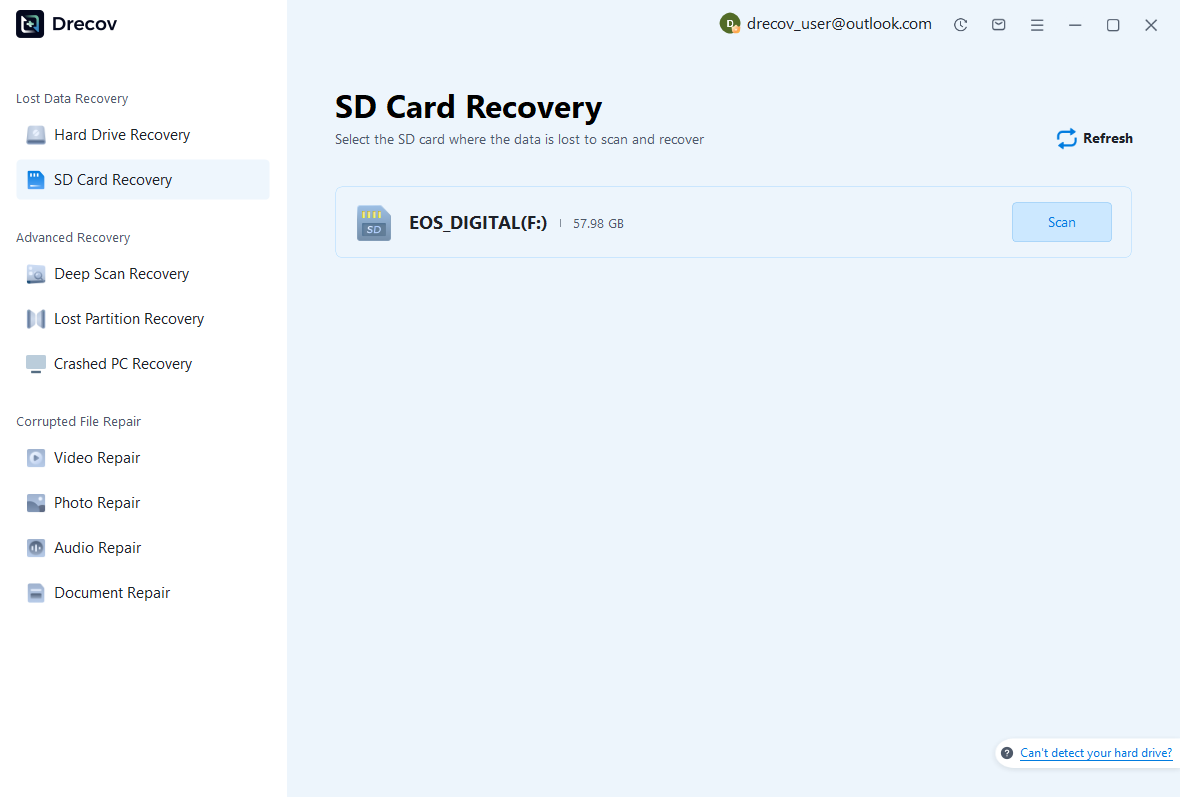
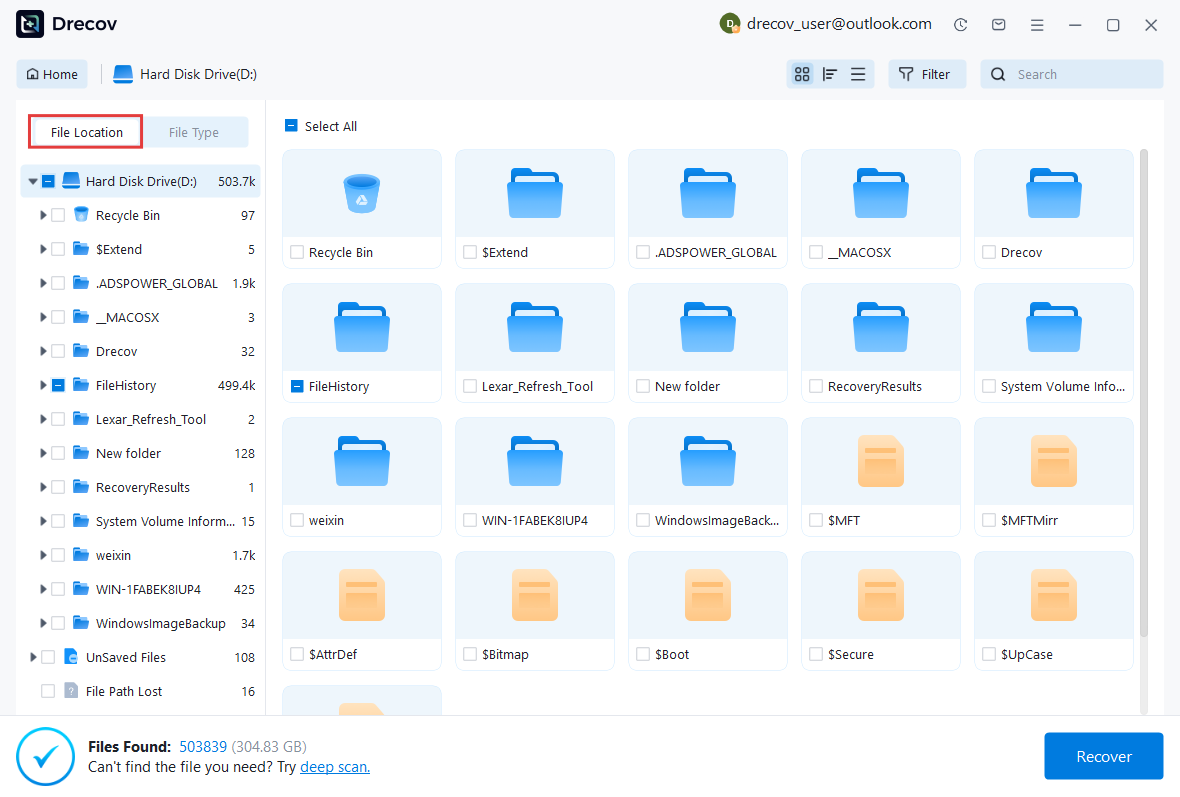
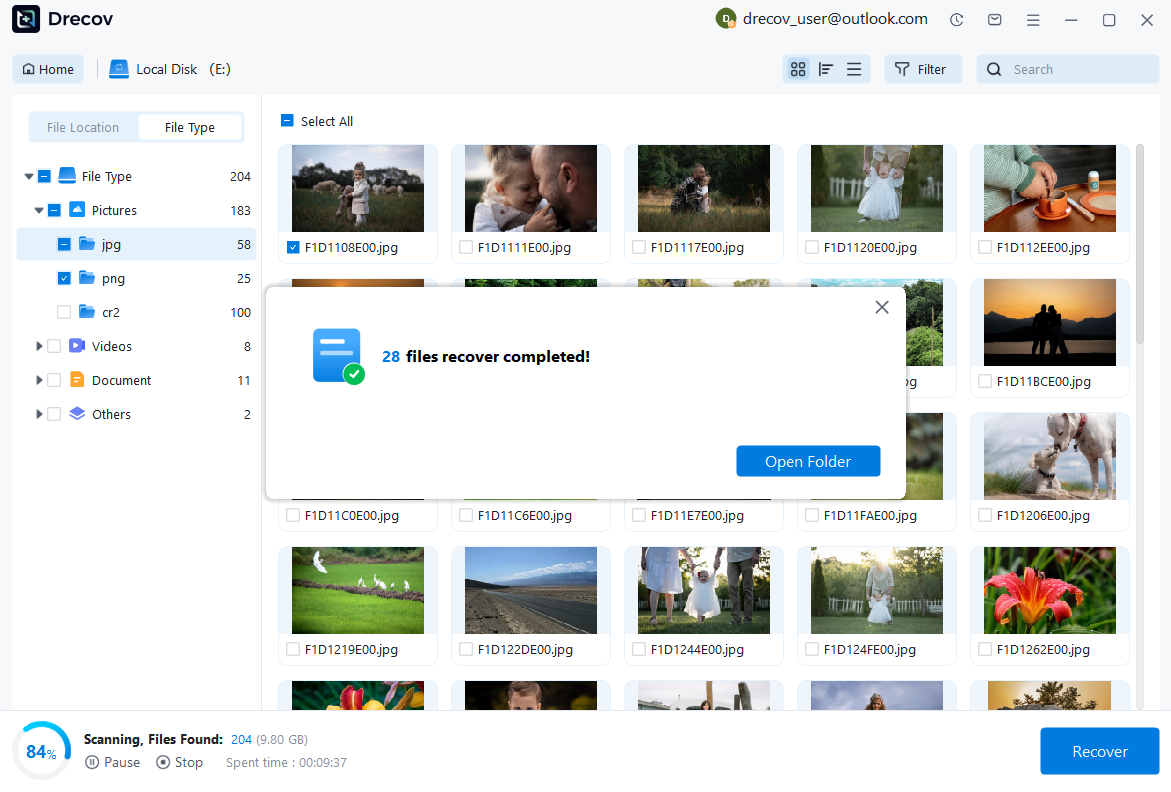
Pandaoffice Drecov helps recover deleted or inaccessible files caused by sudden browser crashes or interrupted downloads.
The software supports recovery for:
- Lost Chrome downloads
- Deleted browser export files
- Corrupted PDF documents
- Accidentally removed desktop files
Test Environment
- Operating System: Windows 10 Pro
- File System: NTFS
- Recovery Source: 1TB SSD
During testing, multiple interrupted download files were successfully restored after repeated browser crashes.
Why Choose PandaOffice Drecov Recovery Software?
PandaOffice Drecov offers a fast, secure, and user-friendly solution for recovering lost files across multiple scenarios. Whether you need email recovery, ZIP File Recovery, format data recovery, or help to recover deleted drafts Outlook, the software provides reliable recovery performance for both personal and business users.
PandaOffice Drecov supports recovery from formatted hard drives, SSDs, USB drives, SD cards, and external storage devices. Its advanced scanning engine can locate deleted archives, damaged ZIP files, lost Outlook drafts, and accidentally removed documents with high accuracy. For users searching for how to find deleted messages in Teams, PandaOffice Drecov can also help recover exported chat files, attachments, and related local cache data when available.
Key advantages include:
- Deep scan technology for complex data loss situations
- Support for emails, archives, videos, photos, and office documents
- Recovery from accidental deletion, formatting, corruption, and system crashes
- Easy preview before restoring files
- Compatible with Windows and multiple storage devices
Unlike complicated enterprise recovery tools, PandaOffice Drecov keeps the recovery process simple. Users can scan, preview, and restore files in just a few steps without technical expertise.
Whether you are dealing with lost Outlook drafts, corrupted ZIP archives, formatted drives, or missing communication data, PandaOffice Drecov provides an efficient and practical recovery experience designed to minimize downtime and protect important files.
⚠️Warning: Avoid saving new files to the affected drive before attempting data recovery.
Check Windows Event Viewer for Crash Logs
Windows Event Viewer provides detailed information about application failures.
Steps to Access Event Viewer
- Press Windows + X
- Open Event Viewer
- Navigate to Windows Logs
- Select Application
- Search for Chrome-related errors
Event logs may reveal:
- DLL conflicts
- GPU driver failures
- Security restrictions
- Application crashes
Advanced users often combine Event Viewer analysis with Chrome crash reports for more accurate troubleshooting.
How to See Errors and Crash Reports in Google Chrome
Access Built-In Chrome Crash Reports
Users searching for how to see errors and crash reports in google chrome can use Chrome’s built-in diagnostics page.
Steps to Open Crash Reports
- Launch Chrome
- Enter chrome://crashes
- Press Enter
- Review uploaded reports
These logs help identify:
- Renderer failures
- Extension conflicts
- GPU crashes
- Background process errors
If crash reporting is disabled, Chrome may not display recent logs until synchronization settings are enabled.
Test Environment
- Chrome Sync Enabled: Yes
- Reporting Mode: Automatic
- Browser Channel: Stable Release
Testing successfully displayed extension-related renderer failures after repeated browser freezes.
Monitor System Resource Usage
Some users experience chrome crashing simply because their computers lack sufficient resources.
Task Manager helps monitor:
- CPU usage
- RAM consumption
- GPU activity
- Disk utilization
Closing unnecessary applications may improve browser stability immediately.
Systems with 4GB RAM or less often struggle when too many tabs remain active simultaneously.
Use Chrome Task Manager
Chrome includes its own internal task manager for monitoring browser processes.
Steps to Open Chrome Task Manager
- Open Chrome
- Press Shift + Esc
- Review active processes
- End problematic tabs or extensions
This tool helps identify resource-heavy tabs responsible for browser instability.
⚠️Warning: Running dozens of active browser tabs may overload low-memory systems.
Frequently Asked Questions About Chrome Crashes
Why Does Chrome Keep Crashing Randomly?
Random crashes are commonly caused by corrupted cache files, outdated extensions, malware infections, or driver conflicts.
Users asking why does chrome keep crashing should begin troubleshooting by clearing cache and disabling extensions.
Can Low RAM Cause Chrome Problems?
Yes. Chrome consumes significant memory resources because every tab and extension runs separately.
Low-memory systems often experience:
- Browser freezing
- Slow loading
- Sudden crashes
- Delayed startup
Reducing active tabs can improve performance.
Does Reinstalling Chrome Delete Bookmarks?
If Chrome synchronization is enabled, bookmarks and passwords usually remain available after reinstalling the browser.
Users should still export bookmarks manually before removing Chrome completely.
Can Malware Trigger Browser Crashes?
Yes. Browser hijackers and malicious scripts frequently cause chrome always crashes issues while also generating redirects and pop-up advertisements.
Running antivirus scans helps identify suspicious software quickly.
Final Thoughts on Fixing Chrome Crashing Issues
Simple Maintenance Prevents Most Browser Problems
Most chrome crashing issues can be solved through regular maintenance and browser updates.
Recommended habits include:
- Clearing cache regularly
- Updating Chrome frequently
- Limiting unnecessary extensions
- Monitoring RAM usage
- Updating graphics drivers
These steps reduce compatibility conflicts and improve browser stability.
When Advanced Troubleshooting Becomes Necessary
If crashed chrome sessions continue after basic troubleshooting, deeper operating system problems may exist.
Potential causes include:
- Corrupted Windows files
- Faulty SSD storage
- Damaged RAM modules
- Malware infections
- Driver instability
Running system diagnostics may help identify hardware-related problems.
Key Takeaways for Long-Term Browser Stability
Whether users experience occasional freezing or repeated startup failures, proper troubleshooting can usually restore browser stability.
Combining browser cleanup, extension management, crash report analysis, and system maintenance provides the best long-term solution for preventing future Chrome crashes on Windows 10.






