







SD cards are commonly used in cameras, smartphones, drones, gaming consoles, and portable devices. Many users eventually need to format their SD cards because of corruption, compatibility problems, or storage cleanup. However, a common concern remains: does formatting an sd card erase it completely?
The short answer is yes and no. Formatting removes access to stored files, but the actual data may still exist temporarily depending on the formatting method used. Understanding how SD card formatting works can help users avoid accidental data loss and improve recovery chances.
This guide explains what happens during formatting, whether files can be recovered afterward, and how to safely format an SD card on Windows and other devices.
What Happens When an SD Card Is Formatted
Formatting rebuilds the storage structure of an SD card. It prepares the card for future data storage by resetting file system information.
How Formatting Changes the File System
When an SD card is formatted, the operating system removes file indexing information and creates a new file allocation table. This process makes the card appear empty even though the underlying data may still remain on the storage sectors.
Test environment:
- Windows 11 Pro
- 64GB SanDisk Extreme SDXC card
- USB 3.0 card reader
A quick format usually:
- Deletes file references
- Rebuilds partition metadata
- Keeps original data physically present until overwritten
A full format:
- Scans for bad sectors
- Writes new storage structures
- May overwrite portions of existing data
This distinction is important when asking questions like will formatting an sd card erase it permanently.
Quick Format vs Full Format
Different formatting methods affect recovery possibilities differently.
| Format Type | Data Removal | Recovery Chance |
|---|---|---|
| Quick Format | Logical deletion only | High |
| Full Format | Partial or full overwrite | Lower |
| Secure Erase | Complete overwrite | Very low |
Most users perform quick formatting unintentionally because it is the default option on Windows systems.
⚠️Warning: Avoid storing new files on the SD card after formatting if recovery is needed.
Does Formatting an SD Card Permanently Delete Files
Many users believe formatting destroys everything instantly. In reality, file recovery often remains possible after standard formatting procedures.
Why Files May Still Be Recoverable
Storage devices do not erase data immediately during a quick format. Instead, Windows marks the space as available for new files. Until new data replaces the old sectors, recovery software can often reconstruct deleted content.
Test environment:
- Windows 10 Home
- Samsung EVO Plus 128GB microSD card
- Formatted using File Explorer
Recoverable file types may include:
- Photos
- Videos
- Word documents
- RAW camera files
- Audio recordings
This explains why people frequently ask:
- does formatting a sd card erase it
- will formatting a sd card erase it
The answer depends on how much new data has overwritten the original files.
When Recovery Becomes Impossible
Recovery becomes difficult when:
- Large amounts of new data overwrite the card
- Secure erase tools are used
- Physical damage occurs
- The memory chip fails internally
Modern SD cards with TRIM-like optimization may also reduce recovery success rates over time.
⚠️Warning: Continuing to use the card after formatting can permanently destroy recoverable data.
Reasons Why Users Format SD Cards
Formatting is not always accidental. Many users intentionally format storage cards to solve technical problems or improve compatibility.
Fixing Corrupted SD Card Errors
Corruption is one of the main reasons people format SD cards.
Common error messages include:
- “SD card needs to be formatted”
- “The disk is write-protected”
- “File system is RAW”
- “Card cannot be accessed”
Test environment:
- Windows 11 Home
- Lexar 32GB SDHC card
- Integrated laptop card reader
Formatting often rebuilds damaged file systems and restores accessibility.
Preparing an SD Card for New Devices
Different devices require different file systems.
Examples:
- FAT32 for older cameras
- exFAT for high-capacity cards
- NTFS for advanced Windows usage
Formatting ensures compatibility between:
- DSLR cameras
- Android phones
- Nintendo Switch consoles
- Dash cams
- Drones
Incompatible formatting may cause detection failures or recording problems.
How to Recover Files After Formatting an SD Card
If important files disappeared after formatting, recovery should happen immediately before new files are written to the card.
Recover Formatted SD Card Data With Pandaoffice Drecov
Recovery software can scan hidden storage sectors and restore deleted files after formatting.
Test environment:
- Windows 10 Pro
- 256GB microSD card
- Quick formatted through Disk Management
Steps:
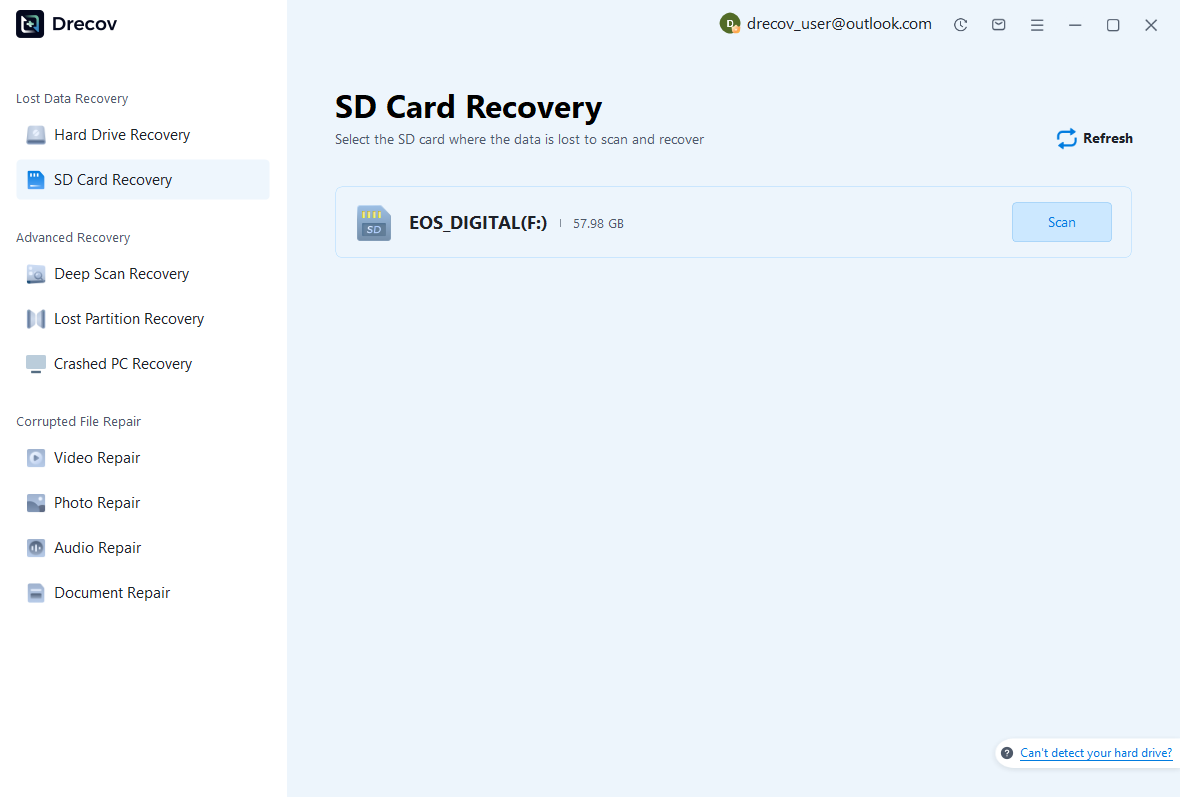
- Install Pandaoffice Drecov.
- Connect the formatted SD card to the computer.
- Launch the recovery program.
- Select the SD card location.
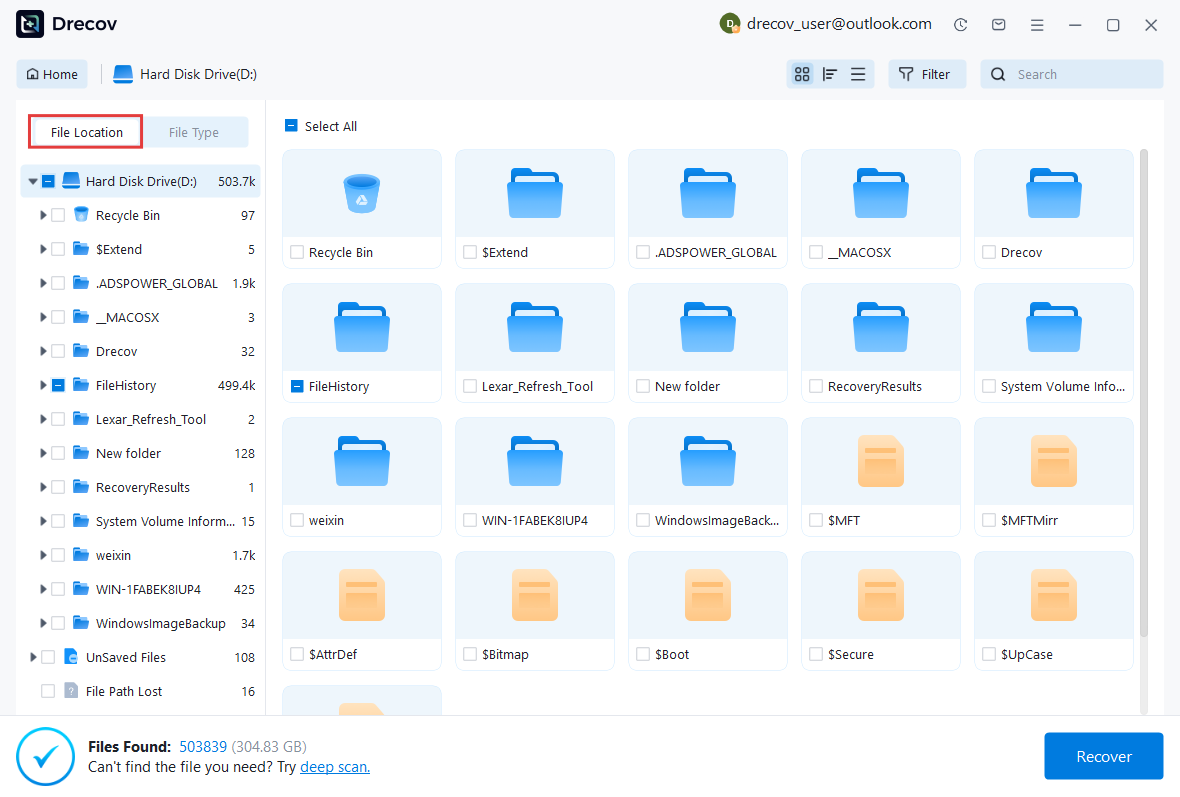
- Start deep scanning.
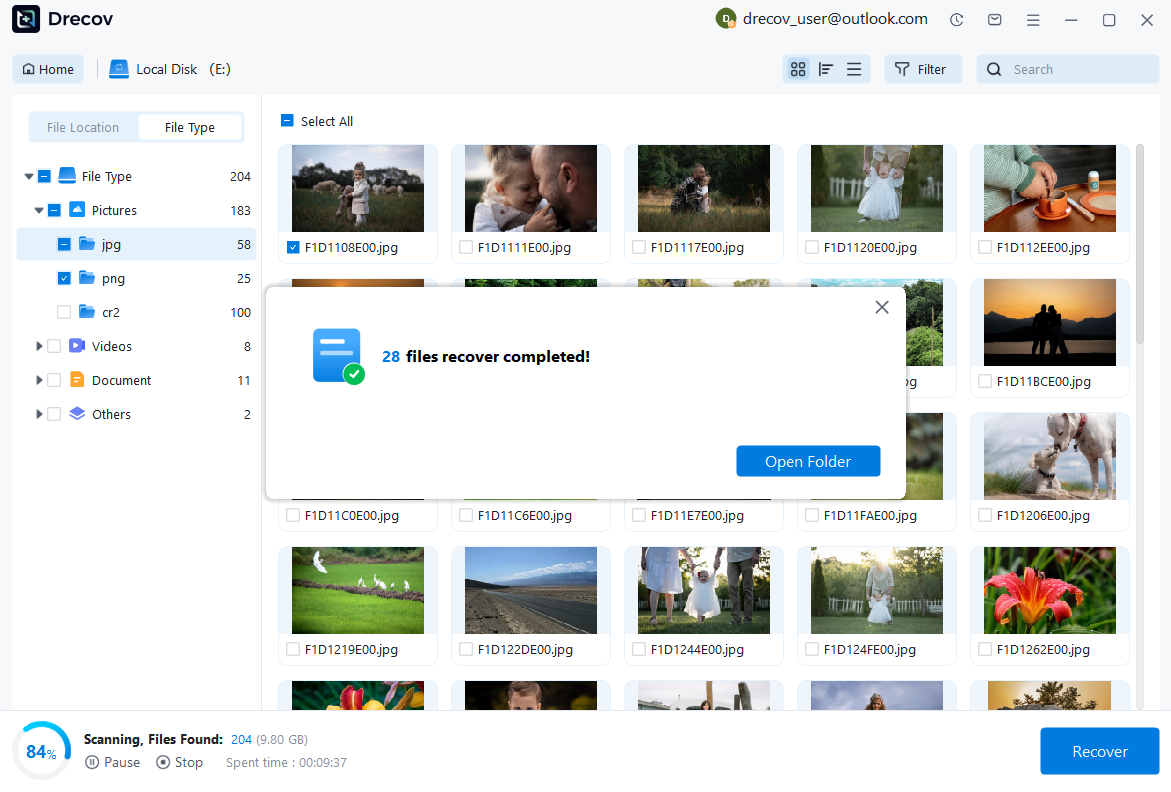
- Preview recoverable files.
- Save recovered data to another storage drive.
Pandaoffice Drecov supports recovery from:
- Quick formatted SD cards
- RAW partitions
- Deleted files
- Corrupted memory cards
The recovery success rate is usually higher when no new files have overwritten the original storage sectors.
Why Choose PandaOffice Drecov Recovery Software?
PandaOffice Drecov offers a fast, secure, and user-friendly solution for recovering lost files across multiple scenarios. Whether you need email recovery, ZIP File Recovery, format data recovery, or help to recover deleted drafts Outlook, the software provides reliable recovery performance for both personal and business users.
PandaOffice Drecov supports recovery from formatted hard drives, SSDs, USB drives, SD cards, and external storage devices. Its advanced scanning engine can locate deleted archives, damaged ZIP files, lost Outlook drafts, and accidentally removed documents with high accuracy. For users searching for how to find deleted messages in Teams, PandaOffice Drecov can also help recover exported chat files, attachments, and related local cache data when available.
Key advantages include:
- Deep scan technology for complex data loss situations
- Support for emails, archives, videos, photos, and office documents
- Recovery from accidental deletion, formatting, corruption, and system crashes
- Easy preview before restoring files
- Compatible with Windows and multiple storage devices
Unlike complicated enterprise recovery tools, PandaOffice Drecov keeps the recovery process simple. Users can scan, preview, and restore files in just a few steps without technical expertise.
Whether you are dealing with lost Outlook drafts, corrupted ZIP archives, formatted drives, or missing communication data, PandaOffice Drecov provides an efficient and practical recovery experience designed to minimize downtime and protect important files.
Stop Using the SD Card Immediately
The most important recovery rule is preventing overwrite operations.
Avoid:
- Copying new files
- Reformatting repeatedly
- Recording videos onto the card
- Running repair tools before recovery
Even small file transfers can overwrite important recoverable data permanently.
⚠️Warning: Never restore recovered files directly back onto the same SD card.
How to Format an SD Card Safely on Windows
Formatting an SD card correctly helps reduce corruption risks and compatibility problems.
Format the SD Card Using File Explorer
This is the easiest method for most Windows users.
Test environment:
- Windows 11 Pro
- Kingston Canvas Go Plus SD card
- USB-C card reader
Steps:
- Insert the SD card.
- Open File Explorer.
- Right-click the SD card.
- Choose “Format.”
- Select the preferred file system.
- Enable or disable Quick Format.
- Click “Start.”
Recommended file systems:
- FAT32 for cards under 32GB
- exFAT for larger SDXC cards
After formatting finishes, reconnect the card to confirm functionality.
Use Disk Management for Advanced Formatting
Disk Management offers more partition control.
Steps:
- Press
Windows + X. - Select “Disk Management.”
- Locate the SD card.
- Right-click the partition.
- Select “Format.”
- Configure allocation settings.
- Confirm the operation.
This method is useful when File Explorer cannot detect the SD card properly.
Can Formatting Repair a Corrupted SD Card
Formatting sometimes repairs software-related storage issues, but it cannot fix physical hardware failure.
Problems That Formatting May Fix
Formatting can repair:
- Corrupted file systems
- Hidden partitions
- RAW errors
- Unsupported formats
- Malware-related directory damage
Test environment:
- Windows 10 Version 22H2
- Toshiba 64GB SDXC card
- USB external card reader
After formatting, the operating system rebuilds the storage structure from scratch.
Problems Formatting Cannot Solve
Formatting usually cannot repair:
- Broken memory chips
- Water damage
- Burned controllers
- Bent connectors
- Severe bad sector failure
In these situations, professional recovery services may be necessary.
⚠️Warning: Repeated formatting attempts can worsen damage on failing SD cards.
Different Formatting Methods Across Devices
The formatting process varies slightly depending on the operating system or device being used.
Format an SD Card on Android Phones
Many Android devices include built-in formatting tools for portable storage.
Test environment:
- Android 14 smartphone
- 128GB microSD card
- Internal phone SD slot
Steps:
- Open Settings.
- Go to “Storage.”
- Select the SD card.
- Tap “Format.”
- Confirm the operation.
Android usually formats cards using exFAT or FAT32 depending on capacity and manufacturer settings.
Format an SD Card on Cameras
Digital cameras often recommend in-device formatting to improve performance.
Steps:
- Insert the SD card into the camera.
- Open camera settings.
- Find the storage or setup menu.
- Select “Format Card.”
- Confirm formatting.
Camera formatting ensures optimal compatibility with recording systems and directory structures.
Format an SD Card on Mac
Mac users can use Disk Utility for formatting.
Test environment:
- macOS Sonoma
- 64GB SDXC card
- USB-C adapter
Steps:
- Open Disk Utility.
- Select the SD card.
- Click “Erase.”
- Choose:
- exFAT
- FAT32
- Confirm formatting.
Mac formatting may create compatibility differences with some Windows systems if incorrect file systems are selected.
How to Prevent Data Loss Before Formatting
Data loss prevention is always safer than attempting recovery afterward.
Create Regular SD Card Backups
Backing up important files protects against accidental formatting and corruption.
Recommended backup methods:
- External hard drives
- Cloud storage
- NAS systems
- Local computer copies
Users working with photography or drone footage should maintain multiple backup copies because SD card failures can occur unexpectedly.
Test environment:
- Windows 11
- 256GB SD card
- External SSD backup drive
Regular backups reduce dependence on recovery software after accidental formatting.
Verify Important Files Before Formatting
Before formatting:
- Open several files
- Check folder accessibility
- Confirm backup completion
- Ensure the correct drive is selected
Mistakenly formatting the wrong drive remains a common user error.
⚠️Warning: Double-check the storage capacity and drive letter before starting any formatting process.
Understanding File Systems Used on SD Cards
Choosing the correct file system improves device compatibility and storage performance.
FAT32 for Older Devices
FAT32 remains widely supported across:
- Cameras
- Game consoles
- Car audio systems
- Older Windows versions
However, FAT32 has limitations:
- Maximum single file size: 4GB
- Reduced efficiency on large-capacity cards
Test environment:
- Windows 10 Pro
- 16GB SDHC card
- DSLR camera
Older devices may fail to recognize exFAT-formatted cards.
exFAT for High-Capacity SD Cards
exFAT is commonly used for:
- 64GB+ SDXC cards
- 4K video recording
- Large file transfers
Advantages include:
- Support for larger files
- Better compatibility with modern systems
- Improved storage efficiency
Most modern devices now support exFAT formatting.
NTFS for Windows-Specific Usage
NTFS supports:
- File permissions
- Compression
- Journaling features
However, many cameras and mobile devices cannot read NTFS-formatted SD cards properly.
Selecting the correct file system prevents unnecessary formatting issues later.
Frequently Asked Questions About SD Card Formatting
Does formatting an SD card erase it completely?
Quick formatting removes file references but often leaves underlying data recoverable until overwritten. Full formatting reduces recovery chances significantly.
Will formatting an SD card erase it permanently?
Permanent erasure depends on the formatting method and whether new data replaces the original storage sectors afterward.
Can I recover files after formatting my SD card?
Yes. Recovery is often possible after quick formatting if the card has not been overwritten with new files.
Should I use quick format or full format?
Quick format is faster and preserves recovery potential. Full format scans for bad sectors and may partially overwrite data.
Why does my camera ask me to format the SD card?
This usually indicates:
- File system corruption
- Unsupported formatting
- Damaged partitions
- Incompatible storage structures
Can formatting remove viruses from an SD card?
Formatting may remove many malware infections by rebuilding the file system, although advanced threats can occasionally persist.
Final Thoughts on SD Card Formatting and Data Safety
Questions like does formatting an sd card erase it and will formatting a sd card erase it are common because many users worry about losing important photos, videos, or documents permanently. In most situations, quick formatting only removes file references while leaving recoverable data behind temporarily.
Understanding the differences between quick formatting, full formatting, and secure erasing helps users make safer decisions before repairing or reusing an SD card. If accidental formatting occurs, stopping all write activity immediately greatly improves recovery success.
Using reliable backup practices, selecting the proper file system, and formatting cards carefully can prevent many common storage problems while extending SD card lifespan over time.





