Home » USB Bluetooth Adapter Guide: Connect Any Device & Restore Files
USB Bluetooth Adapter Guide: Connect Any Device & Restore Files
This guide explores using a USB bluetooth adapter for seamless connectivity. It provides expert tips on setup, troubleshooting, and performing professional data recovery with PandaOffice Drecov to protect your digital files from accidental loss.
In the modern digital landscape, the USB bluetooth adapter has become a staple for anyone looking to bridge the gap between legacy hardware and modern wireless peripherals. However, as we integrate more devices into our systems, the complexity of managing data across these connections increases. Whether you are using a USB bluetooth adapter to sync smartphone data or connect external drives, the risk of data loss remains a persistent threat.
This guide provides a comprehensive look at maximizing your wireless connectivity while mastering the art of data recovery, ensuring your digital life remains both cordless and secure.
Understanding the Role of the USB Bluetooth Adapter in Modern Computing
A USB bluetooth adapter, often referred to as a “dongle,” is a plug-and-play device that enables wireless communication on computers lacking native Bluetooth chips. By inserting this compact device into a standard USB port, you unlock the ability to connect a vast array of peripherals, from high-fidelity headphones to ergonomic keyboards.
Beyond simple peripheral connection, these adapters facilitate data synchronization. Many users rely on a USB bluetooth adapter to transfer photos from a phone to a PC or to sync calendars. However, wireless transfers can occasionally be interrupted by signal interference or hardware removal, leading to corrupted files or accidental deletions. Understanding how to manage these devices—and how to recover data when things go wrong—is essential for any power user.
The Hidden Risks: Data Loss During Wireless Syncing
While the convenience of a USB bluetooth adapter is undeniable, the process of moving data over a wireless protocol like Bluetooth 5.0 or 5.3 is not always infallible. Factors such as physical distance, electromagnetic interference from microwaves, or sudden power surges in the USB bus can cause a transfer to fail mid-way.
When a transfer fails, the operating system may “forget” the file location, or the file header may become corrupted. This is where professional-grade solutions become necessary. If you find yourself in a situation where files have vanished after a failed Bluetooth sync or a mistakenly formatted drive, you need a reliable recovery strategy.
When standard troubleshooting fails, the most effective way to retrieve lost files is through specialized software. PandaOffice Drecov data recovery software stands out as a premier solution for both novices and professionals. It is designed to handle various data loss scenarios, including accidental deletion, partition loss, and drive formatting issues often encountered when managing external storage and wireless devices.
Why Choose PandaOffice Drecov?
PandaOffice Drecov data recovery software utilizes advanced deep-scan algorithms to identify file fragments that the Windows File Explorer can no longer see. It supports a wide range of file systems, including FAT32, NTFS, and exFAT, making it highly versatile for recovering data from internal hard drives or USB sticks used alongside your USB bluetooth adapter.
⚠ Warning: Install it on a drive different from the one where your data was lost to prevent overwriting.
Step-by-Step Guide: Recovering Data from a USB Drive or PC
If you have lost data while using your USB bluetooth adapter to facilitate transfers, or if an external drive has become inaccessible, follow these steps to use PandaOffice Drecov data recovery software effectively.
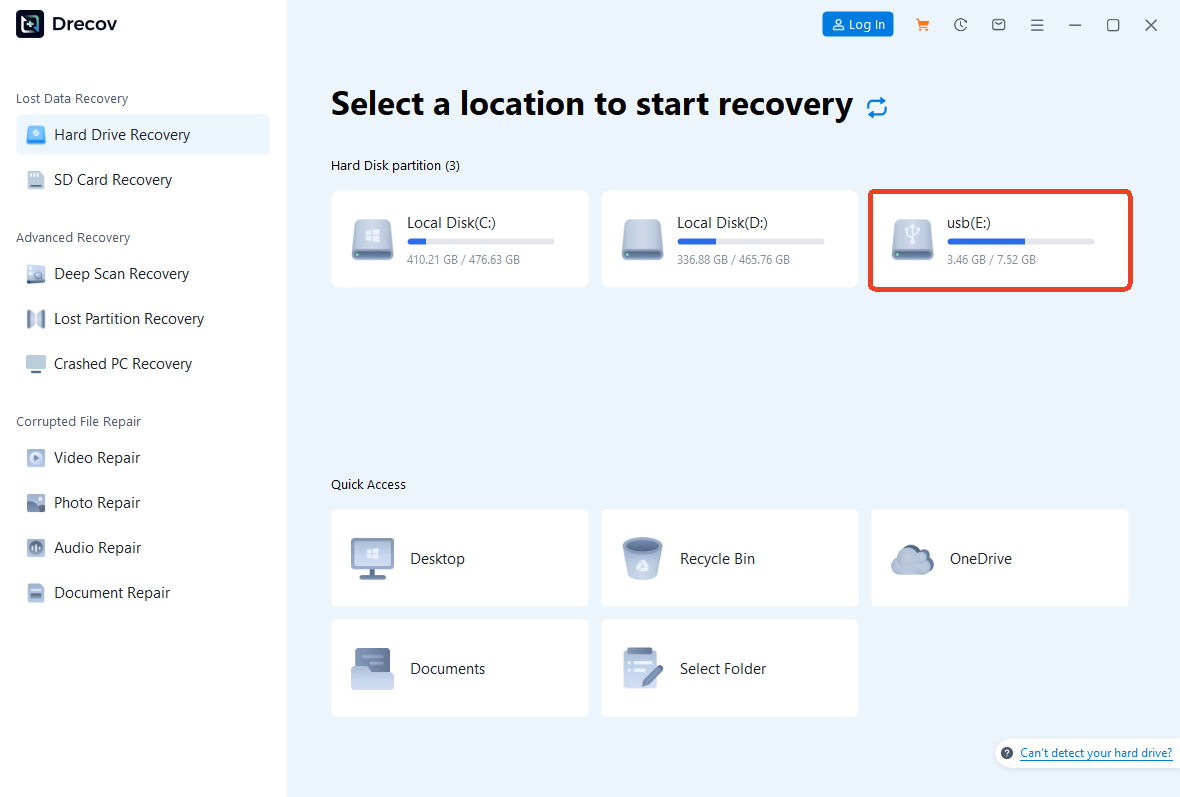
Step 1: Select the Target Location
Launch the software. You will see a list of available drives. Select the specific partition or the external USB drive where the data loss occurred.
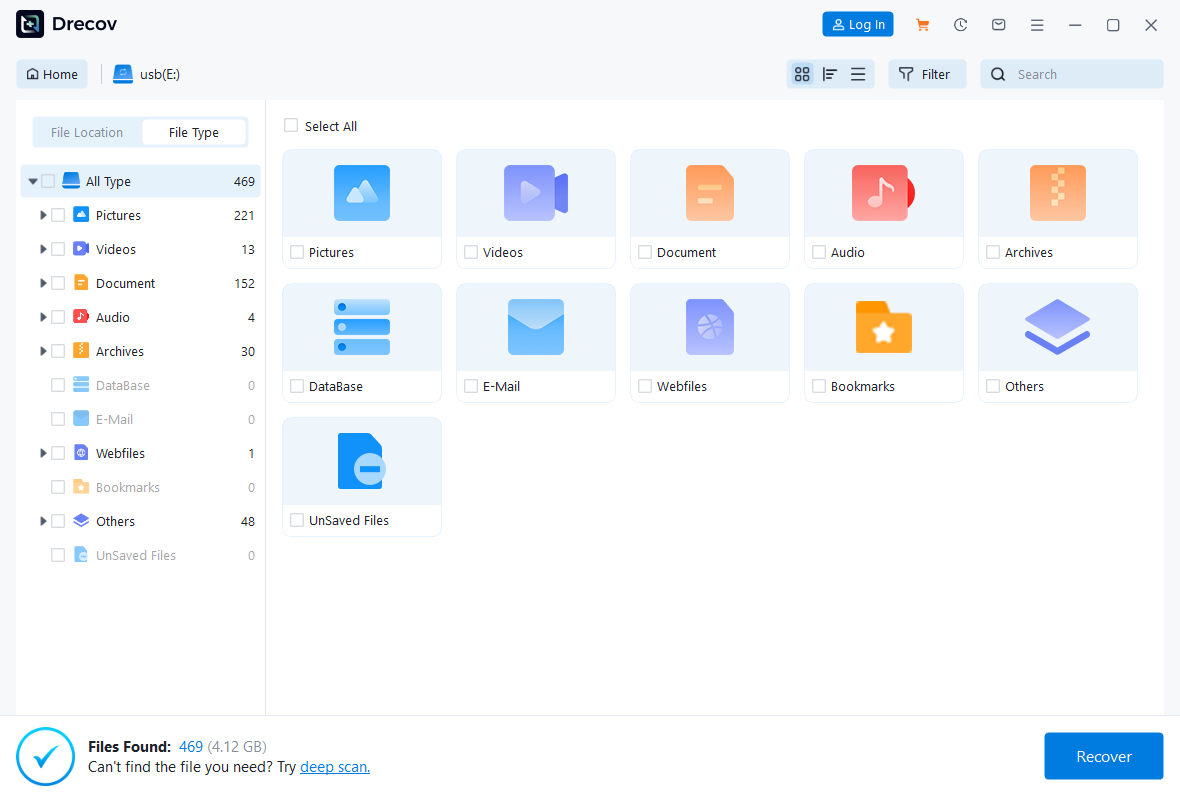
Step 2: Initiate the Scan
Click the “Scan” button. The software will first perform a “Quick Scan” to find recently deleted files, followed by a “Deep Scan” to locate files with damaged headers.
Warning Prompt: Do not interrupt the Deep Scan process, as it is crucial for reconstructing files that were lost during interrupted wireless transfers.
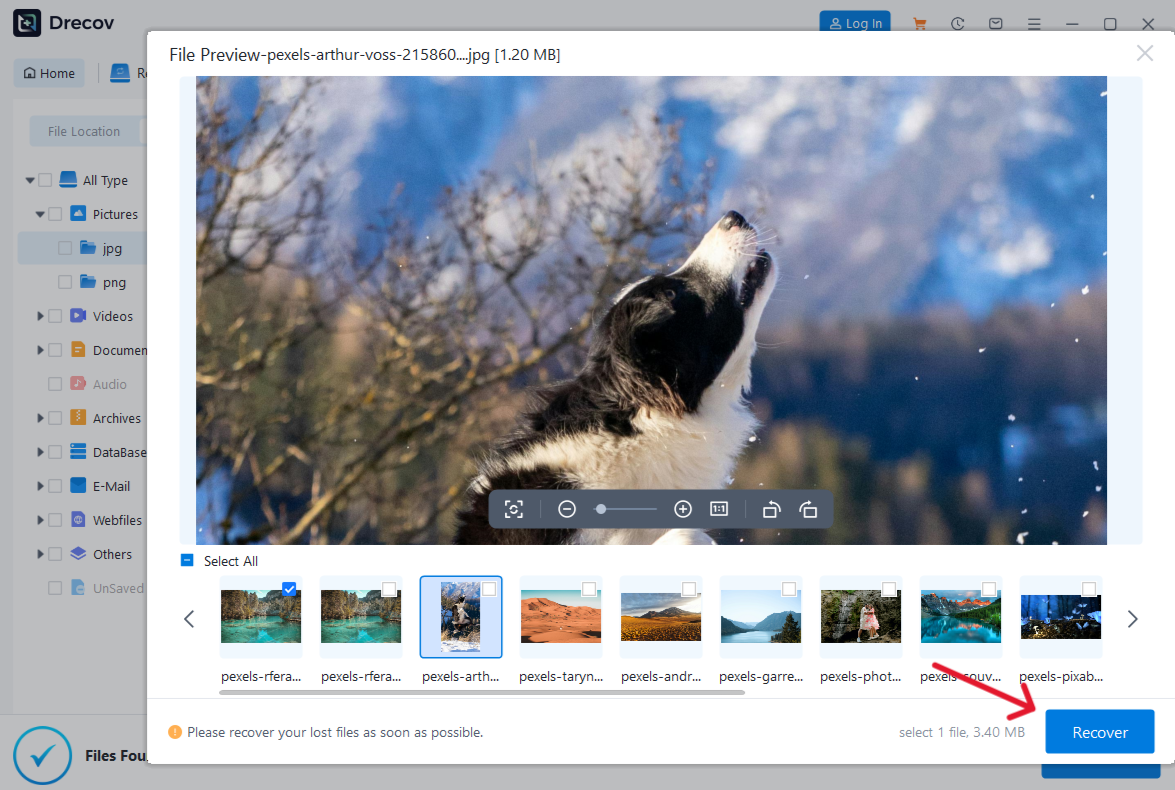
Step 3: Preview and Filter
One of the best features of PandaOffice Drecov data recovery software is the preview function. You can filter results by file type (e.g., .jpg, .pdf, .docx) to find exactly what you need.
Step 4: Execute Recovery
Select the files you wish to save and click “Recover.” Always save the recovered files to a completely different physical drive or cloud storage.
Internal Resources for Further Learning
After successfully navigating the recovery process, you might find these specific guides helpful for related digital tasks:
Advanced Troubleshooting: Hardware and Driver Conflicts
Sometimes, the issue isn’t deleted files but a malfunctioning USB bluetooth adapter that prevents the system from recognizing devices. This can lead to the “Drive Not Accessible” error, which often scares users into thinking their data is gone.
Technical Level 1: Updating Drivers and Registry Fixes
If your USB bluetooth adapter is not showing up, the first step is checking the Device Manager.
Step 1: Press Win + X and select Device Manager.
Step 2: Locate “Bluetooth” and right-click your adapter.
Step 3: Select Update driver -> Search automatically for drivers.
For deeper system issues, you may need to check the Registry. Navigate to:
Ensure there are no “UpperFilters” or “LowerFilters” causing conflicts, which is a common fix for hardware recognition issues.
Technical Level 2: Fixing USB Port Power Failures
A USB bluetooth adapter requires a stable power supply. If your USB ports are underpowered, data transfers may stall.
Step 1: Open Control Panel > Hardware and Sound > Power Options.
Step 2: Click Change plan settings next to your active plan.
Step 3: Select Change advanced power settings.
Step 4: Find USB settings > USB selective suspend setting and set it to Disabled.
Essential Maintenance for Your Wireless Ecosystem
To prevent the need for PandaOffice Drecov data recovery software in the future, follow these best practices for your USB bluetooth adapter:
Use a High-Quality Adapter: Cheap, unbranded adapters often have unstable firmware, which increases the likelihood of data corruption during transfers. Stick to brands like TP-Link or ASUS.
Monitor Bluetooth Versions: Ensure your USB bluetooth adapter supports Bluetooth 5.0 or higher. These versions have better error correction protocols than the older 4.0 standard.
Avoid Crowded USB Hubs: If possible, plug your USB bluetooth adapter directly into the motherboard’s I/O panel (on the back of a desktop) rather than an unpowered USB hub.
Conclusion
The USB bluetooth adapter is a powerful tool that brings modern convenience to any workstation. By eliminating wires, it creates a cleaner, more efficient environment. However, as we have explored, the transition to wireless is not without its pitfalls.
By keeping PandaOffice Drecov data recovery software in your digital toolkit and following the technical steps outlined above, you can enjoy the freedom of Bluetooth connectivity without the fear of permanent data loss. Remember to always back up your most critical files and maintain your hardware drivers to keep your system running at peak performance.