







Losing a document unexpectedly can interrupt your workflow and cause significant stress, especially when the file contains critical information or hours of work. Fortunately, there are multiple proven ways to recover deleted Word document files, restore unsaved drafts, and repair files showing errors like word found unreadable content. Whether the issue resulted from accidental deletion, system crashes, corruption, or unsaved changes, recovery is often possible with the right approach.
Modern versions of Microsoft Word include built-in safety mechanisms such as AutoRecover, temporary file storage, and backup version history. Additionally, advanced data recovery software can help retrieve permanently deleted files from storage devices when built-in tools are not enough. Understanding the correct method for your situation is the key to success.
This guide explains how do I recover a Word document across multiple scenarios, including accidental deletion, unexpected shutdowns, corrupted files, and missing unsaved work. Each method is described clearly so users at any experience level can follow along. If you need to recover word file not saved or are dealing with recovering Word document not saved after a crash, the following sections will help you restore your data efficiently.
⚠️Warning: Stop using the affected drive immediately after noticing file loss. Continued activity may overwrite the deleted data and reduce recovery success rates.
I recently deleted a crucial Microsoft Word document by mistake on my Windows 10 PC and urgently need to recover it. After deleting, I emptied my Recycle Bin, realizing too late that the document was gone. I’ve attempted basic recovery steps like using the “Undo” feature without success and am wary of downloading recovery tools without recommendations. Could anyone suggest reliable data recovery software compatible with Windows 10, or if there’s a built-in feature I might have missed that could help? The document was last located in my “Documents” folder and is a .docx file.—from Microsoft Store
Why Word Documents Get Lost or Become Unreadable
Document loss can occur for many reasons, and identifying the cause helps determine the best recovery method. While some situations involve simple user mistakes, others are caused by system or software failures. Understanding these causes can also help prevent future data loss.
One of the most common causes is accidental deletion. Users may unintentionally remove files or empty the Recycle Bin without realizing an important document was included. In such cases, it is often possible to recover deleted word files if the data has not yet been overwritten. External storage devices such as USB drives or SD cards are even more vulnerable because improper removal or file system corruption can make documents disappear suddenly.
Another frequent issue involves unsaved work. System crashes, software freezes, or power outages may close Word before changes are saved. This situation requires users to recover word file not saved using AutoRecover or temporary files. Fortunately, Word automatically creates background backups during editing sessions, which significantly increases the chances of recovery.
Corruption is another category of document problems. When you encounter messages such as word found unreadable content, it typically means the document structure was damaged due to interrupted saving, disk errors, or incompatible formatting. Even when a file appears unusable, the text content can often still be extracted using repair tools.
⚠️Warning: If you suspect disk corruption, avoid running unnecessary programs until recovery is complete to prevent further damage.
Initial Checks Before Performing Advanced Recovery
Before attempting complex solutions, it is important to perform several quick checks. Many missing documents are not actually deleted but simply moved, renamed, or stored in unexpected locations. These simple steps can save significant time and effort.
Solution 1: Search for the File on Your Computer
Sometimes users believe they need to how to recover word file, but the file still exists somewhere on the system. Use the Windows search function to look for the document by name, keywords, or file extension such as .doc or .docx. If you edited the file recently, sorting results by “Date Modified” can quickly locate the latest version.
You should also check the “Recent” file list inside Word. This feature displays recently opened documents even if their storage location has changed. In many cases, files thought to be lost are simply located in a different folder.
Another helpful strategy is searching for partial file names or content phrases. If you cannot remember the exact name, searching by content keywords may reveal the document. This method is especially effective when trying to recover deleted word doc files that were accidentally moved rather than deleted.
Solution 2: Check the Recycle Bin
When files are deleted normally, they are moved to the Recycle Bin instead of being permanently removed. Open the Recycle Bin and search for your document. If found, right-click the file and select Restore to return it to its original location.
This is the easiest method to recover deleted Word document files and should always be the first step after accidental deletion. Even if the file was removed several days earlier, it may still be present unless the bin was emptied or storage limits were exceeded.
If the file is not visible, try sorting items by deletion date. Sometimes documents are overlooked among many files. Additionally, searching within the Recycle Bin using the file extension can help locate documents faster.
⚠️Warning: Restoring files to a full or damaged drive may fail. Ensure the destination drive has enough space and is functioning properly.
Solution 3: Look for Temporary or Auto-Saved Files
Word automatically creates temporary files during editing sessions. These files may remain on your system even if the original document was never saved or was deleted. Searching for files beginning with “~” or with .tmp extensions can sometimes reveal recoverable versions.
Temporary files are often stored in system folders associated with user profiles or application data directories. While they may not have recognizable names, opening them in Word can sometimes restore most of the content. This approach is particularly useful for recovering Word document not saved situations caused by sudden shutdowns.
Another location to check is the AutoRecover folder specified in Word settings. Even if Word did not display the recovery panel after a crash, the backup file may still exist in this directory. Copy the file to a safe location before opening it to avoid accidental overwriting.
Recover Unsaved Word Documents Using Built-in Features
When Word closes unexpectedly or a document is never saved, built-in recovery tools often provide the fastest solution. These features are specifically designed to restore work lost due to crashes or user mistakes.
Solution 4: Recover Unsaved Documents from AutoRecover
AutoRecover automatically saves versions of your document at regular intervals while you work. If Word crashes, it usually displays a recovery panel when reopened. From there, you can choose the most recent version and save it manually.
If the recovery panel does not appear, you can still access AutoRecover files manually through Word’s settings menu. Navigate to the AutoRecover file location and open the stored document copies. This method is one of the most reliable ways to recover word file not saved after unexpected interruptions.
The success of this method depends on whether AutoRecover was enabled and how frequently Word saved data. Shorter save intervals provide better protection against data loss. Users working on important documents should consider reducing the AutoRecover interval to minimize risks.
Solution 5: Restore Previous Versions from Backup
Operating systems and cloud storage services often maintain historical versions of files. If File History or another backup system is enabled, you can restore an earlier version of the document by right-clicking the folder or file and selecting “Restore previous versions.”
This method is particularly useful when a file becomes corrupted or overwritten. Instead of repairing the damaged file, you can simply retrieve a healthy copy from an earlier date. It is also helpful when multiple edits caused unwanted changes that need to be reversed.
Cloud services such as OneDrive frequently store version history automatically. Checking cloud backups is often faster than performing advanced recovery procedures, especially when trying to how to recover deleted word files that were synced online.
Repair Corrupted Word Documents Showing Errors
Corrupted documents can produce alarming messages, including word found unreadable content, but the information inside is often still recoverable. Several built-in techniques can repair or extract usable text from damaged files.
Solution 6: Use the Open and Repair Feature
Word includes a repair function that attempts to fix structural issues within damaged documents. Instead of opening the file normally, choose the “Open and Repair” option from the file dialog. The software will scan the document and attempt to reconstruct readable content.
This method works best when corruption is minor, such as interrupted saves or formatting conflicts. Even when full formatting cannot be restored, the text content is often recoverable. After repair, save the document under a new name to prevent further issues.
Solution 7: Insert the Corrupted File into a New Document
Another approach is creating a new blank document and inserting the corrupted file into it. This forces Word to rebuild the internal structure while importing readable elements. Sometimes this technique succeeds when standard repair fails.
You can also try opening the file using alternative formats like Rich Text Format (RTF). Changing the format compels Word to reinterpret the data, which may bypass corrupted components. This approach can help users recover word file content even when errors persist.
⚠️Warning: Always create a backup copy of a corrupted file before attempting repairs to avoid permanent damage.
Recover Permanently Deleted Word Documents Using Professional Software
When files are removed from the Recycle Bin or deleted using Shift+Delete, built-in recovery options may no longer work. In these situations, specialized data recovery software becomes the most reliable solution. Professional tools scan storage devices at a deeper level to locate recoverable file fragments that still exist on the disk but are no longer visible to the operating system.
This method is particularly useful when you need to recover deleted Word document files from formatted drives, corrupted partitions, external storage devices, or system crashes. Even if the file seems permanently gone, there is often a high chance of recovery as long as the storage sectors have not been overwritten by new data.
Compared with manual recovery techniques, dedicated recovery software offers a structured scanning process, preview features, and higher success rates. It also reduces the risk of further data damage by performing read-only scans instead of modifying the disk.
⚠️Warning: Install recovery software on a different drive than the one containing lost files. Installing on the same drive may overwrite the deleted data.
Solution 8: Recover Deleted Word Files with PandaOffice Drecov
PandaOffice Drecov is a professional recovery tool designed to retrieve lost documents, photos, videos, and other file types from multiple storage devices. It is especially effective for users searching how to recover deleted word files after accidental deletion, formatting, or system errors.
The software supports recovery from internal hard drives, SSDs, USB flash drives, memory cards, and even damaged partitions. Its intelligent scanning engine locates recoverable files quickly and organizes them by type, making it easier to find Word documents among many results.
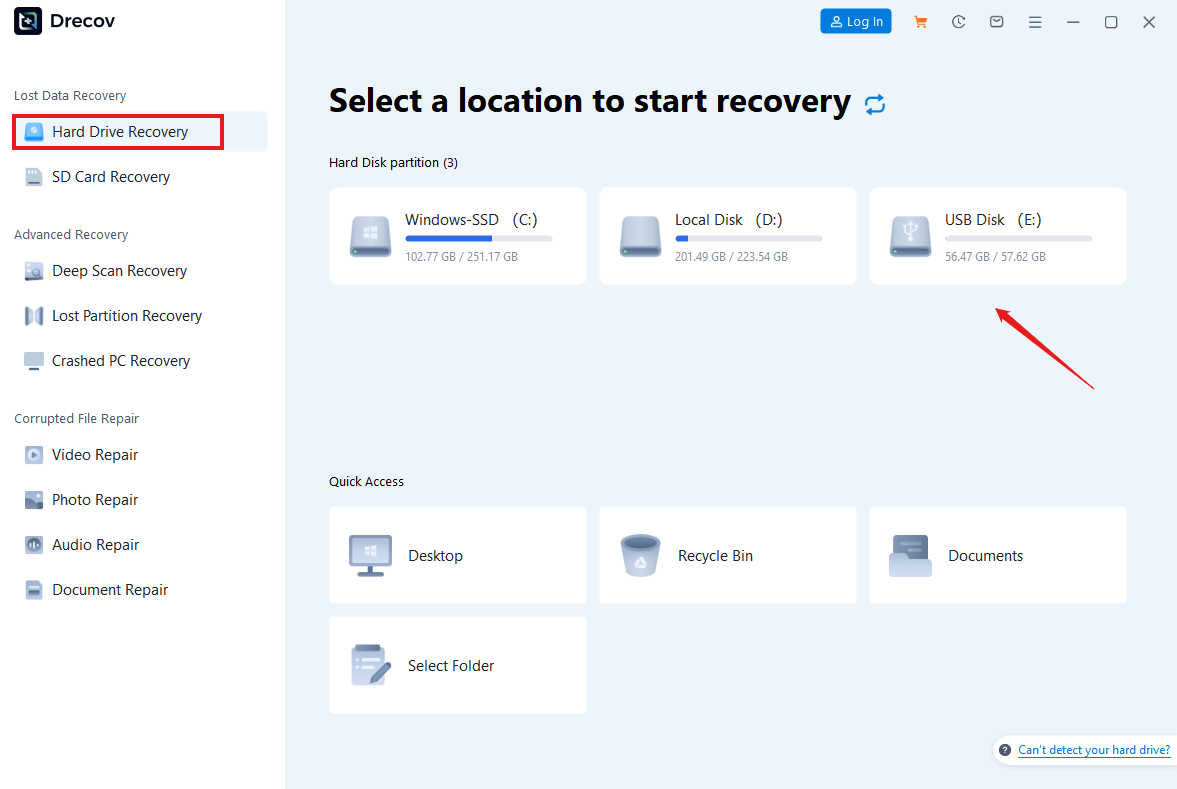
The recovery process typically follows three simple steps:
- Launch the software and select the drive where the document was lost.
- Run a scan to locate deleted or missing files.
- Preview the results and restore the required Word document to a safe location.


Why Choose Pandaoffice Drecov?
When it comes to reliable data recovery, choosing the right tool can make the difference between permanent loss and successful restoration. Pandaoffice Drecov is designed with advanced scanning algorithms and user-friendly workflows to help individuals and professionals recover lost files quickly and safely across multiple storage scenarios. Whether you accidentally deleted important security footage or lost precious photos, the software provides comprehensive support for different devices and file systems.
For example, if you need to recover deleted Blink videos, Drecov can scan storage locations and retrieve video files even after accidental removal or formatting. Photographers and everyday users also benefit from its powerful usb photo recovery capabilities, allowing restoration of images from USB flash drives, memory sticks, and other portable devices without complicated steps.
In addition, the software excels at deleted sd card photo recovery, making it ideal for recovering lost pictures from cameras, drones, or mobile devices. Even when files seem permanently erased, deep scanning technology increases the chances of successful recovery. For larger storage failures, Drecov also supports recover external hard drive scenarios, including corrupted partitions, inaccessible drives, or accidental formatting.
Beyond its technical capabilities, Pandaoffice Drecov prioritizes safety and simplicity. The read-only recovery process ensures no further damage is done to your data, while the intuitive interface allows users of all experience levels to complete recovery in just a few clicks. With broad device compatibility, fast scanning performance, and dependable results, Pandaoffice Drecov is a trusted solution for anyone facing unexpected data loss.
Professional recovery tools significantly increase success rates compared to manual attempts.
Recover Word Documents from Backup Locations
Backups remain one of the most effective safety nets against data loss. Even if a document is deleted or corrupted, previous versions stored elsewhere can provide a quick solution without requiring complex recovery steps.
Solution 9: Restore Files from Cloud Storage
Many users store documents in cloud services such as OneDrive, Google Drive, or Dropbox. These platforms often maintain deleted file folders and version histories for a limited period. If your Word file was synced before deletion, you may be able to restore it easily from the cloud recycle bin.
Version history is especially helpful when a document becomes corrupted or overwritten. Instead of attempting repairs, you can simply revert to an earlier version. This method works well for users attempting to recover word file changes after accidental edits or formatting issues.
Cloud recovery also provides an additional layer of protection because files remain accessible even if your computer is damaged or lost. Checking cloud backups should always be part of the recovery process before attempting advanced disk scanning.
Sometimes documents are not completely lost because copies exist in email attachments or collaboration platforms. If you previously sent or received the document through email, check your inbox and sent items for attachments. Messaging platforms and workplace tools may also store shared versions.
This approach is surprisingly effective when trying to recover deleted word doc files because many users forget they distributed copies earlier. Even if the version is outdated, it can still save significant time compared with recreating the document from scratch.
Additionally, colleagues or collaborators may have saved their own copies. Contacting them can sometimes restore the document instantly without technical recovery steps.
Advanced Recovery Scenarios for Word Documents
Some data loss situations involve more complex conditions, such as formatted drives, corrupted file systems, or hardware issues. While these scenarios are more challenging, recovery is still possible in many cases.
Solution 11: Recover Word Files After Formatting
Formatting a storage device removes file system references but often leaves the underlying data intact until overwritten. Recovery software can scan the drive to locate these remnants and reconstruct files. This method is effective for users searching how to recover deleted word files after accidentally formatting a USB drive or partition.
Quick formatting offers higher recovery chances because it does not fully erase data. However, full formatting or repeated use of the device may reduce success rates. Acting quickly after formatting significantly improves results.
Solution 12: Recover Documents from Corrupted Drives
Disk corruption caused by power failures, malware, or improper removal of external devices can make files inaccessible even though they still exist. In these cases, recovery software can bypass file system errors and retrieve data directly from disk sectors.
If the drive produces unusual noises or fails to appear in the system, hardware damage may be involved. Professional data recovery services might be required in severe cases. However, logical corruption without physical damage is often recoverable using software tools.
⚠️Warning: Avoid running disk repair utilities before attempting data recovery. Repair tools may overwrite file structures and reduce recovery chances.
How to Prevent Word Document Loss in the Future
While recovery methods are helpful, prevention is always better than restoration. Implementing protective habits and system configurations can dramatically reduce the risk of losing important documents.
Enable AutoSave and AutoRecover
AutoSave (for cloud-stored files) and AutoRecover (for local files) are essential features that automatically store changes at regular intervals. Enabling these options ensures you can recovering Word document not saved after crashes or power interruptions with minimal data loss.
Reducing the AutoRecover interval to a few minutes provides stronger protection, especially when working on critical projects. Users who frequently forget to save manually benefit greatly from these features.
Maintain Regular Backups
Backup strategies such as external drives, cloud storage, or automated system backups provide long-term protection against accidental deletion and hardware failure. Maintaining multiple backup copies in different locations offers the highest level of security.
Versioned backups are particularly useful because they allow restoration of earlier document states, protecting against both corruption and unwanted edits. This approach eliminates the need to recover deleted Word document files in many situations.
Use Reliable Storage and Safe Practices
Proper device handling reduces corruption risks. Always eject external drives safely, keep antivirus software updated, and avoid storing important files only in temporary locations. Hardware reliability also matters—aging drives are more prone to failure and should be replaced proactively.
⚠️Warning: Never rely on a single storage location for important documents. Multiple copies significantly reduce data loss risk.
Conclusion
Losing a document does not always mean permanent loss. Whether you need to recover deleted Word document, restore unsaved work, fix word found unreadable content, or understand how to recover word file, there are multiple effective solutions available. Built-in Word features, backups, and professional recovery tools provide strong recovery possibilities across different scenarios.
For permanently deleted files or complex situations, using professional software like PandaOffice Drecov can significantly improve recovery success rates. Acting quickly, avoiding overwriting data, and following the correct recovery steps are the most important factors for successful restoration.
By combining recovery knowledge with preventive practices such as AutoSave and backups, you can protect your documents and minimize future risks. If data loss occurs again, you now have the tools and understanding needed to recover your files confidently and efficiently.






