







Have you ever accidentally removed an essential application from your device? Perhaps your child deleted a critical work tool from your tablet. Alternatively, maybe you are troubleshooting a system error that occurred after a software cleanup. Knowing how to check recently deleted apps is an essential digital literacy skill. It allows you to audit your device history, recover lost user configuration parameters, and maintain optimal system security.
When an application leaves your home screen or desktop, it is rarely fully erased from the system architecture immediately. Operating systems typically leave distinct historical footprints. These include installation receipts, registry entries, cache folders, and package manager logs. This ultimate technical manual covers everything you need to narrow down your missing applications. We will explore simple cloud account checks, expert data extraction tools, and advanced deep forensic command-line queries.
Let us dive deep into the specific operational frameworks for every major desktop and mobile ecosystem.
The Core Technical Architecture of App Uninstallation
To master how to check recently deleted apps, you must first understand what happens under the digital hood during an uninstallation sequence. Operating systems execute distinct data routines depending on the platform.
The Mobile Ecosystem Architecture (iOS & Android)
On modern mobile devices, applications exist in sandboxed environments. When you delete a mobile application, the operating system triggers a multi-stage teardown:
- Binary Removal: The main application package (the .app container on iOS or the .apk/.aab package file on Android) is purged from the system partition.
- Local Sandbox Isolation: The local application storage directory containing active application states, user cache data, and uncommitted databases is marked as unallocated space.
- Cloud Receipt Persistence: Fortunately, the cloud-based distribution platforms (Apple App Store and Google Play Store) maintain an independent cryptographic ledger of your transaction history. This transaction ledger records every single installation, update, and uninstallation event tied to your unique user account identifier.
The Desktop Ecosystem Architecture (Windows)
Windows handles application uninstallation through the native Windows Installer service or individual platform-independent installation scripts. When you remove a Windows program:
- The primary executable files inside C:\Program Files\ or C:\Program Files (x86)\ are systematically deleted.
- Crucially, configurations stored within the user-specific folders (C:\Users\Username\AppData) often remain entirely untouched.
- The system registry entries pointing to the executable are deleted. However, secondary installation records, shell configuration subkeys, and system event logs retain a pristine historical log of the program’s lifecycle.
Method 1: Basic System-Level Check Methods (iOS, Android, & Windows)
The easiest way to solve the puzzle of how to check recently deleted apps is through native platform account history or basic operating system features. These tools require zero advanced privileges or third-party installations.
1. Checking Recently Deleted Apps on iOS (iPhone & iPad)
Apple ties all application installations directly to your Apple Account identity. Even if an application is completely missing from your iPhone home screen and app library, the historical purchase receipt is securely stored.
Follow these exact steps to view your historical log:
- Step 1: Unlock your iOS device and launch the native App Store application.
- Step 2: Tap your Profile Icon located at the upper-right corner of the interface.
- Step 3: Select the Apps option (or Purchased on older iOS versions), then choose My Apps.
- Step 4: Tap the dedicated Not on this iPhone tab. This option filters out every single active tool currently loaded on your device. It displays a chronological list of every application you have uninstalled.
2. Checking Recently Deleted Apps on Android Devices
The Google Play Store handles Android package distribution. It maintains an exhaustive history of your cloud-linked application library, making it easy to identify missing programs.
To extract this information on an Android device, execute this precise navigation routine:
- Step 1: Open the Google Play Store application.
- Step 2: Tap your circular Account Avatar in the top right corner of the search field.
- Step 3: Choose Manage apps & device from the drop-down menu.
- Step 4: Transition from the Overview panel to the Manage tab.
- Step 5: Tap the Installed filtering toggle chip and actively switch it to Not installed.
- Step 6: Tap the Name sorting filter and change it to Recently added. This forces the Play Store engine to display your uninstalled applications in reverse chronological order, putting your recently deleted items right at the top.
3. Checking Recently Deleted Programs via Windows Settings & Control Panel
Windows tracks application installations using multiple database layers. The simplest check is sorting your system apps modification dates.
- Step 1: Press the keyboard hotkey Windows Key + I simultaneously to open the system Settings menu.
- Step 2: Navigate directly to Apps in the left sidebar and click on Installed apps.
- Step 3: Locate the Sort by drop-down filter and explicitly select Date installed. This brings any application altered, updated, or manipulated during recent uninstallation passes straight to the top of the list.
- Step 4: Alternatively, press Windows Key + R, type control, and hit Enter to launch the traditional Control Panel. Click on Programs and Features, then select the Installed On column header to instantly sort your desktop application stack by modification dates.
Method 2: Professional Software Solution for Advanced Extraction
If you need to recover a deleted desktop application along with its local app data, document caches, or deep configuration registries, native basic tools may fall short. When a program is uninstalled, its lingering data remnants are marked as free space by your hard drive’s file system structure. This means the underlying raw binary data is highly vulnerable to being completely overwritten by your operating system’s active read/write procedures.
Consequently, using a dedicated file-system crawler is the most reliable way to find these missing data clusters.
Restoring System Data with PandaOffice Drecov Data Recovery Software
To achieve deep forensic clarity on Windows configurations, utilizing PandaOffice Drecov data recovery software provides an enterprise-grade solution. This advanced utility scans master file tables, repairs severed directory structures, and pulls unlinked data out of unallocated disk clusters. This makes it an incredibly powerful tool for figuring out how to check recently deleted apps along with their associated historical system parameters.
⚠ Warning: Install it on a drive different from the one where your data was lost to prevent overwriting.
Furthermore, if you ever find yourself needing to recover other types of lost configurations, you might also find this guide on how to recover your Google Chrome bookmarks highly beneficial for restoring complete browsing workflows.
Here is the exact step-by-step extraction procedure using the professional suite:
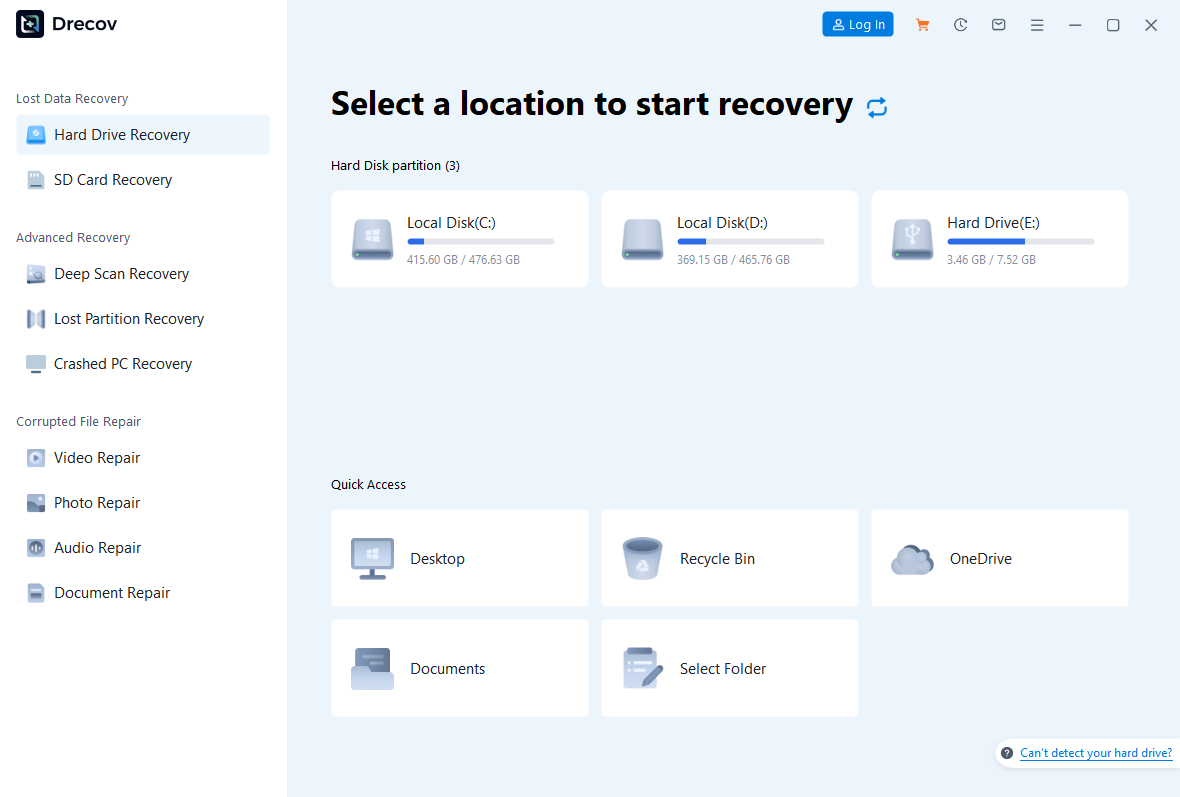
- Step 1: Select the target system partition where the deleted app was originally installed (this is typically your C:\ drive). Click the Scan button to initiate an advanced sector-by-sector system analysis.
- Step 2: Use the built-in search filters once the scan completes. Enter the specific application name or search for common application data extensions like .exe, .msi, .lnk, or configuration .json files.
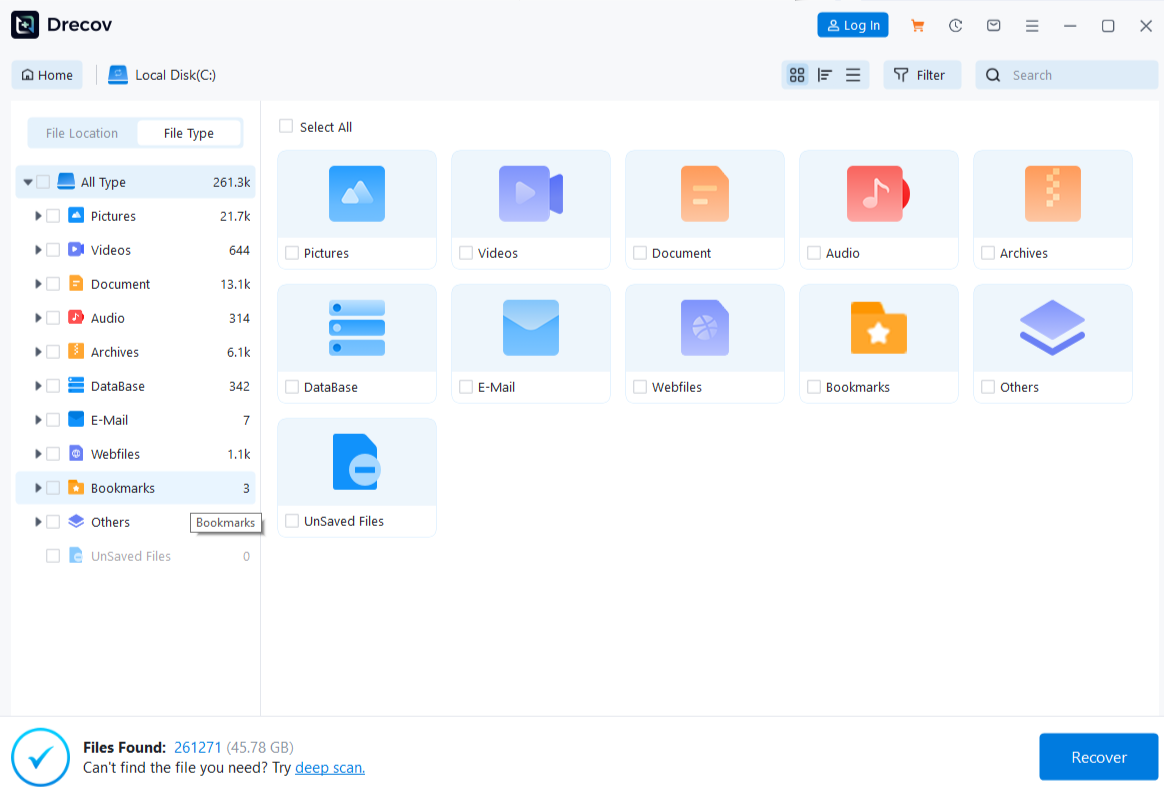
- Step 3: Inspect the file path architecture displayed within the results tree. Look specifically within hidden system folders like C:\Users\Username\AppData\Local\ or C:\ProgramData.
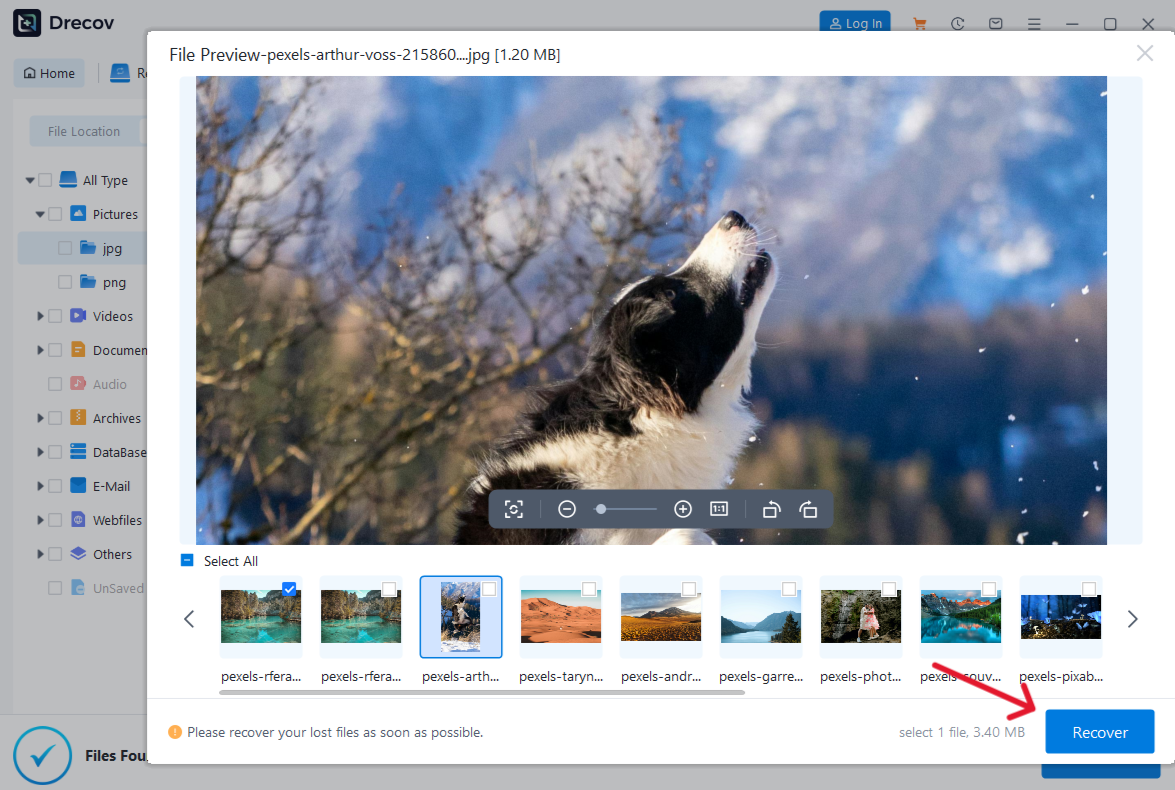
- Step 4: Check the checkboxes next to the application data folders you wish to salvage. Click the Recover button to safely extract the files to an external storage medium.
[Warning] Data Overwrite Risk: Once you realize an app or data cluster has been deleted, immediately minimize all browser downloads, streaming activities, and system update operations. The operating system constantly writes temporary files to your drive. If these new files occupy the sectors where your deleted application data is located, that historical information will be permanently unrecoverable.
Method 3: Advanced Command-Line and Forensic Logging Methods
For IT administrators, developers, or power users who require absolute precision regarding how to check recently deleted apps, graphical interfaces can sometimes be incomplete. Advanced system tracing requires direct querying of the Windows Event Log subsystem and the system registry.
1. Auditing Application Deletions via Windows Event Viewer
Every single installation, modification, and deletion executed by the Windows Installer engine generates a permanent, cryptographically sound log event inside the NT system journal.
- Step 1: Press the keyboard hotkey Windows Key + X to open the Power User Quick Link menu, then select Event Viewer.
- Step 2: In the left-hand console directory tree, expand the Windows Logs directory folder and select Application.
- Step 3: Move your cursor to the right-hand Actions pane and click on Filter Current Log….
- Step 4: Locate the Event sources drop-down filter, scroll down, and check the option for MsiInstaller.
- Step 5: In the field labeled , input the exact numerical identifier 11724. This specific ID is explicitly assigned by Microsoft to capture successful application removal operations. Click OK.
- Step 6: The central pane will now display a clean, filtered chronological log. Click on any log item to reveal the exact application name, the precise time of uninstallation, and the responsible user account security identifier (SID).
2. Querying Deletion Footprints Using Windows PowerShell
If you need to quickly scan an entire local machine or audit remote endpoints across an active network structure, running a targeted PowerShell script is the most efficient method available.
- Step 1: Right-click the Windows Start menu button and select Terminal (Admin) or Windows PowerShell (Admin).
- Step 2: Copy and paste the specialized pipeline query script provided below into your console window, then hit Enter:
PowerShell
Get-EventLog -LogName Application -Source "MsiInstaller" |
Where-Object {$_.EventID -eq 11724} |
Select-Object TimeGenerated, Message |
Format-Table -AutoSize
In this script:
- Get-EventLog -LogName Application directs the subsystem engine to scan the local core application logging databases.
- -Source “MsiInstaller” filters out background noise from irrelevant system alerts.
- Where-Object {$_.EventID -eq 11724} extracts only the explicit uninstallation confirmation blocks.
- Format-Table -AutoSize cleans up the output, presenting you with a clear, readable table of uninstalled apps and timestamps.
3. Tracking Registry Artifacts via Regedit
Even when an uninstallation script removes standard program entries, it often leaves behind residual configuration traces within the Windows Registry path.
- Step 1: Press Windows Key + R, type regedit, and hit Enter to launch the native Registry Editor.
- Step 2: Paste the following core location path directly into the top navigation bar:HKEY_LOCAL_MACHINE\SOFTWARE\Microsoft\Windows\CurrentVersion\Uninstall
- Step 3: Expand this folder directory tree to browse through the subkeys. Many applications will still display subkeys containing values like DisplayName, UninstallString, or InstallLocation. These remaining keys show you exactly what programs were previously active on the host machine.
Proactive Preservation: How to Prevent Untraceable App Deletions
Once you have successfully learned how to check recently deleted apps, it is highly recommended to take preventative measures. Setting up active tracking and security guardrails ensures you never have to deal with missing application data unexpectedly again.
1. Activating Advanced Audit Object Tracking Policies
Windows Pro, Enterprise, and Education editions feature a built-in Security Policy editor. This tool can track local file changes—including application uninstallation routines—in real time.
- Step 1: Press Windows Key + R, type secpol.msc, and press Enter to launch the Local Security Policy console window.
- Step 2: Expand the Advanced Audit Policy Configuration directory folder tree in the left pane.
- Step 3: Open System Audit Policies – Local Group Policy Object, then click on the Object Access category subfolder.
- Step 4: Double-click the policy option titled Audit File System.
- Step 5: Check both the Success and Failure verification options, then click Apply. Once active, any programmatic attempts to delete folder trees within C:\Program Files\ will be logged inside your Windows Security Log under Event ID 4663.
2. Utilizing Local Cloud Backup Configurations
Always back up your local systems to minimize data loss from accidental uninstallation routines. For external device data transfers, maintaining clean hardware media backups is vital. If you need assistance setting up external workflows, feel free to read this comprehensive master guide on how to transfer photos to a USB drive. It covers excellent backup habits that can save you a lot of troubleshooting time later on.
In addition, you can use this reference table to choose the best automatic backup strategy for your specific operating system:
| Platform Ecosystem | Primary Native Backup Tool | Core Action Functionality |
| Microsoft Windows | File History / System Restore Point | Takes periodic snapshots of your system registry settings and local app configurations. |
| Apple iOS | iCloud Backup Infrastructure | Securely backs up app configurations, application purchase histories, and sandbox application data nightly. |
| Google Android | Google One Cloud Backup Sync | Tracks active application installation configurations, Google Play Store histories, and application states automatically. |
Frequently Asked Questions
Can I find out how to check recently deleted apps if the device was wiped?
If a device undergoes a full factory reset, the local system logs, event tracking journals, and data registry keys are completely wiped out. In this scenario, your best option is to log into your cloud account history (such as your Apple Account or Google Account). Check the purchase and download ledgers within the official App Store or Google Play Store to quickly reconstruct your application stack.
Why do some uninstalled Windows programs still show up in my Event Viewer logs?
The Windows Event Viewer log database serves as a permanent, read-only system journal. When a program is uninstalled, its entry inside the Apps & Features list is removed, but the historical installation and uninstallation events remain securely written inside the application log files. This design ensures that system administrators can audit previous machine states during security reviews.
Is it possible for an app to completely bypass the App Store or Play Store download history lists?
Yes. If you sideload an application on an Android device using a standalone .apk package file, or install an unverified iOS package via an enterprise developer profile, those installations bypass official app store servers entirely. To track down these types of custom installations, you will need to scan your local storage download folders for remaining installer files or use an advanced file recovery tool like PandaOffice Drecov data recovery software to look for residual app data folders.
How long do mobile operating systems preserve data in the cloud install list?
Cloud-managed application purchase histories are generally tied permanently to your account identity. Unless you manually select the option to explicitly hide or delete an item from your purchase history dashboard, the application receipts will remain viewable inside your profile indefinitely, even if the software was uninstalled years ago.
Conclusion
Mastering how to check recently deleted apps across different platforms allows you to maintain total control over your digital environment and protect vital system configurations. While cloud accounts and built-in system logs provide quick tracking options, deploying a professional tool like PandaOffice Drecov data recovery software ensures that your residual application data and files are safely recovered before they are permanently overwritten.






