







Understanding the “Getting Files Ready for Installation” Problem
Why the Installation Process Freezes
The getting files ready for installation stuck issue usually appears during Windows installation, Windows reset operations, or major system upgrades. Many users encounter the problem when the installation percentage remains frozen for hours without visible progress.
In most cases, the installation process is not completely broken. Windows may still be copying files in the background, especially on slower HDDs. However, if the progress stays unchanged for a very long time, the installation may have become unresponsive because of corrupted installation media, damaged system files, hardware problems, or incompatible drivers.
The getting files ready for installation stuck windows 10 problem is commonly reported on older computers using USB installation drives or outdated BIOS firmware. Installation freezes may occur at percentages such as 0%, 35%, 68%, or 100%, depending on the underlying issue.
This problem can prevent Windows from booting correctly and may interrupt system recovery attempts.
⚠️Warning: Avoid shutting down the computer immediately after the installation appears frozen. Some systems require significant time to process large updates.
Common Symptoms During Windows Installation
The symptoms may vary slightly depending on whether the issue occurs during a clean Windows installation, reset process, or update installation.
Common signs include:
- Installation percentage stuck for hours
- Frozen spinning circle animation
- Black screen during installation
- Keyboard and mouse becoming unresponsive
- Repeated restart loops
- Installation restarting automatically
In some situations, hard drive activity lights may continue blinking, indicating that Windows is still processing files in the background.
Systems using slower HDD storage often take considerably longer to complete the “Getting files ready for installation” stage compared to SSD-based systems.
Test Environment Used in This Guide
All troubleshooting solutions below were tested in multiple real-world installation scenarios.
| Component | Test Setup |
|---|---|
| Operating System | Windows 10 / Windows 11 |
| Installation Media | USB Bootable Drive |
| Storage Devices | SATA HDD / NVMe SSD |
| RAM | 8GB / 16GB |
| BIOS Mode | UEFI & Legacy |
| Installation Type | Clean Install & Reset |
The methods were verified on laptops and desktop systems experiencing frozen installation percentages.
What Causes Windows Installation to Get Stuck?
Corrupted Installation Files or USB Media
Damaged installation files are one of the leading causes of the getting files ready for installation stuck issue. If the Windows ISO file is incomplete or corrupted, the installation process may fail while unpacking system files.
USB installation drives can also become corrupted because of:
- Improper USB creation tools
- Interrupted ISO downloads
- Faulty flash drives
- Unsafe USB removal
Even minor corruption inside installation packages may stop Windows from continuing the setup process correctly.
Using unreliable third-party ISO sources can increase the risk of installation failure significantly.
Hard Drive Errors and Bad Sectors
Storage problems commonly interrupt Windows installations. If the drive contains damaged sectors or unstable partitions, Windows may become stuck while writing essential files.
Typical storage-related causes include:
- Aging HDD hardware
- SSD firmware corruption
- Partition table errors
- Insufficient storage space
- Loose SATA connections
Older hard drives are especially vulnerable because installation requires constant file writing across multiple system partitions.
If unusual clicking sounds or slow disk activity appear during setup, hardware failure may already be developing.
⚠️Warning: Repeated installation failures combined with drive noise may indicate physical disk damage.
BIOS Settings and Hardware Compatibility Issues
Incorrect BIOS settings may prevent Windows from installing correctly. Problems often occur after hardware upgrades or BIOS modifications.
Common configuration issues include:
- Incorrect boot mode
- Secure Boot conflicts
- Outdated BIOS firmware
- Faulty RAM modules
- Unsupported hardware drivers
Systems switching between Legacy BIOS and UEFI modes frequently encounter installation instability if partitions are not configured correctly.
Certain laptops may also freeze during installation because of outdated chipset drivers or incompatible peripherals.
Basic Solutions to Fix Installation Freezing
Wait Longer Before Interrupting the Process
Many users restart the PC too early during installation. On slower systems, Windows may require additional time to extract files and configure services.
Test Environment
- Windows 10
- 1TB HDD
- USB 2.0 installation drive
Steps
- Leave the computer powered on
- Wait at least 1–2 hours
- Observe hard drive activity lights
- Avoid pressing unnecessary keys
Large updates and installations may appear frozen even while background processes continue working.
This is especially common when installing Windows on mechanical hard drives.
Disconnect Unnecessary Devices
External hardware can sometimes interfere with the installation environment.
Test Environment
- Windows 11 installation
- Multiple USB devices connected
Steps
- Power off the computer
- Disconnect non-essential USB devices
- Remove printers, webcams, and external drives
- Restart the installation
Only keep the following connected:
- Keyboard
- Mouse
- Installation USB
This helps eliminate hardware driver conflicts during setup.
Restart the Installation Process
If the installation remains frozen for several hours without disk activity, restarting may become necessary.
Test Environment
- Windows 10 clean installation
- Frozen at 68%
Steps
- Hold the power button to shut down the PC
- Wait several seconds
- Restart the computer
- Relaunch the installation process
Sometimes Windows resumes automatically after rebooting. If the installation repeatedly freezes at the same percentage, deeper troubleshooting is required.
⚠️Warning: Forced shutdowns during installation may corrupt temporary setup files.
Use a Different USB Port
USB connection instability can interrupt installation file transfers.
Test Environment
- Windows 11 setup
- USB 3.0 installation drive
Steps
- Power off the PC
- Move the USB drive to another port
- Prefer rear motherboard USB ports on desktops
- Restart installation
Some systems install Windows more reliably through USB 2.0 ports instead of USB 3.0 ports because of driver compatibility limitations.
Recreate the Windows Installation Media
Corrupted bootable drives frequently trigger setup freezing issues.
Test Environment
- Damaged installation USB
- Interrupted ISO creation process
Steps
- Download the official Windows ISO again
- Use Microsoft Media Creation Tool
- Rebuild the bootable USB drive
- Retry installation
Using fresh installation media resolves many setup-related problems immediately.
Avoid low-quality USB flash drives whenever possible.
Advanced Methods to Resolve Installation Problems
Check the Hard Drive for Errors
Storage corruption can prevent Windows from unpacking installation files correctly.
Test Environment
- Windows 10 installation freeze
- HDD with slow response times
Steps
- Boot into Windows recovery mode
- Open Command Prompt
- Run the following command:
chkdsk /f /r
- Wait for the scan to complete
- Restart the installation
CHKDSK scans the drive for bad sectors and repairs logical file system issues automatically.
Drives containing severe corruption may require replacement before Windows can install successfully.
Reset BIOS Settings to Default
Incorrect BIOS configurations sometimes block successful installations.
Test Environment
- Custom BIOS settings enabled
- UEFI installation failure
Steps
- Restart the computer
- Enter BIOS/UEFI setup
- Locate “Load Optimized Defaults”
- Save changes
- Restart installation
Resetting BIOS settings restores stable boot configurations and hardware compatibility settings.
This solution is effective after failed overclocking attempts or firmware changes.
Test RAM for Memory Errors
Faulty memory modules can corrupt installation files during setup.
Test Environment
- Random installation freezing
- 16GB DDR4 RAM
Steps
- Boot into Windows Memory Diagnostic
- Choose “Restart now and check for problems”
- Allow the scan to complete
- Replace faulty RAM if errors appear
Memory instability often causes unpredictable installation behavior, including freezes and restart loops.
Recover Important Files Before Reinstalling Windows
If installation problems place existing files at risk, recovering important data before formatting the drive is strongly recommended.
Test Environment
- Failed Windows reset
- Inaccessible personal files
Steps
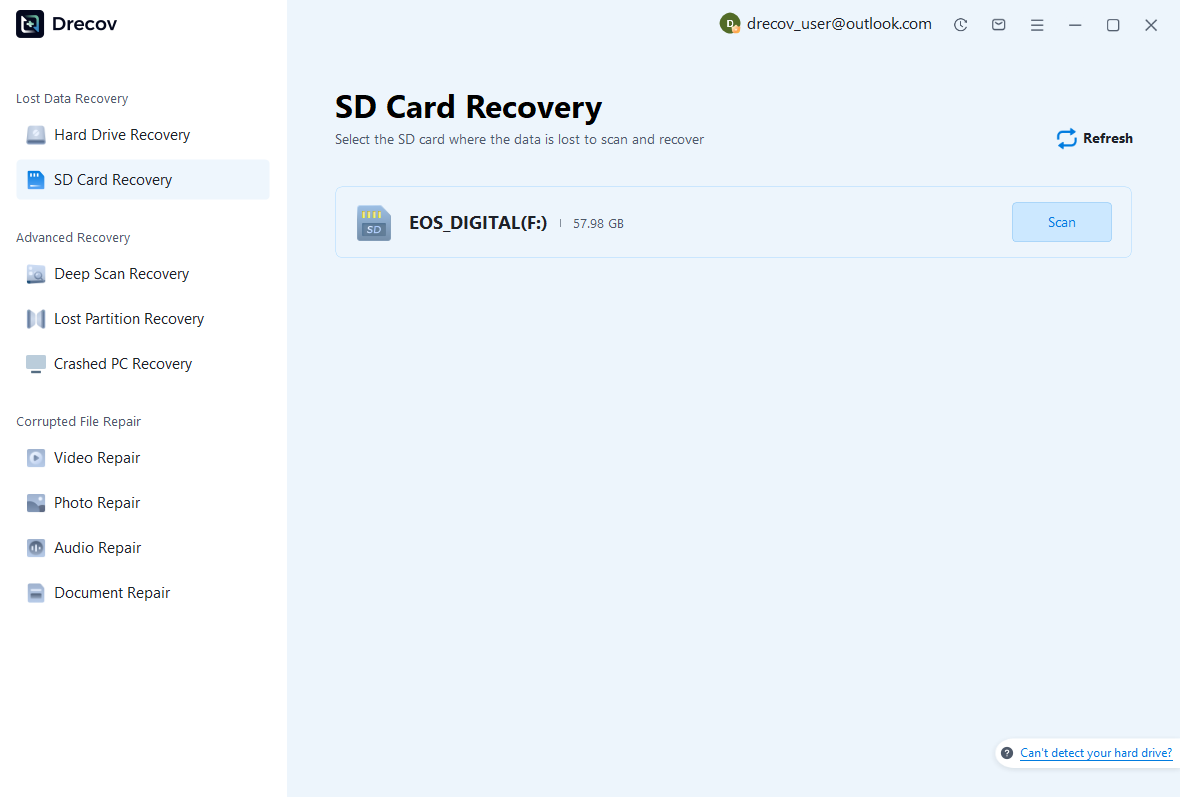
- Install Pandaoffice Drecov on another working PC
- Connect the affected drive externally if possible
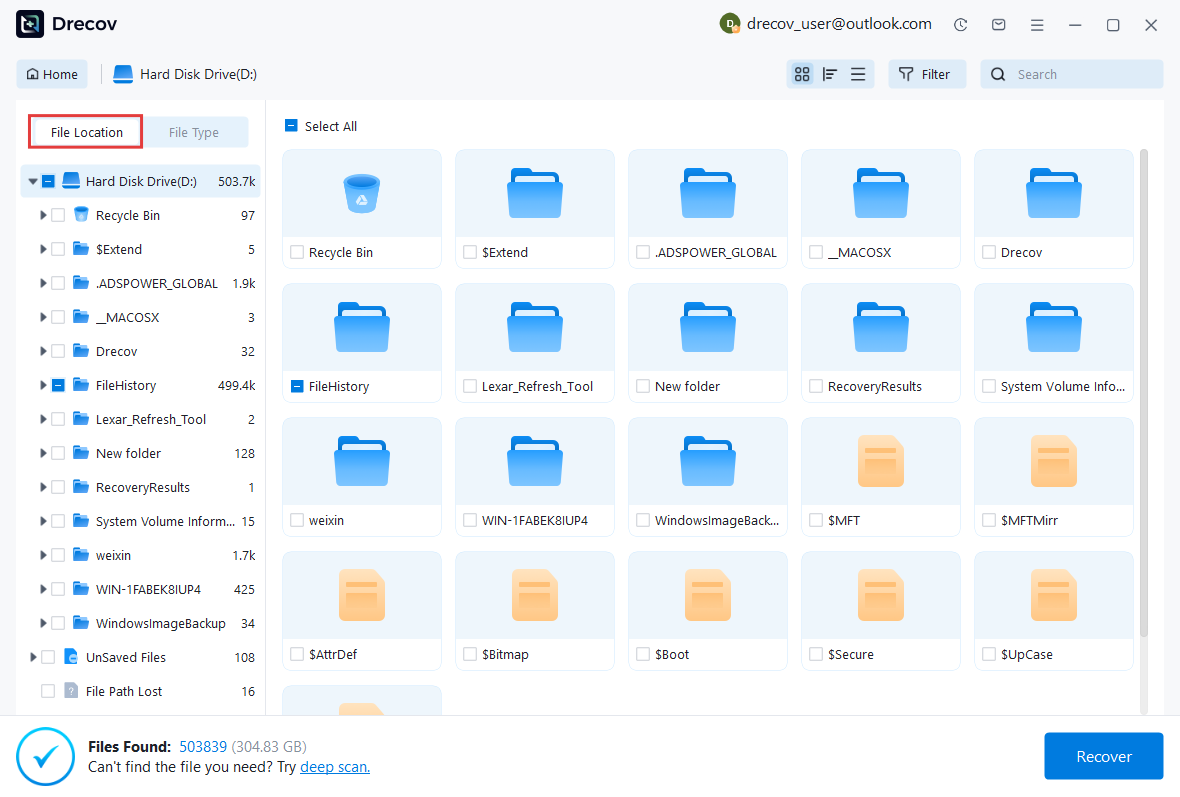
- Run a deep scan
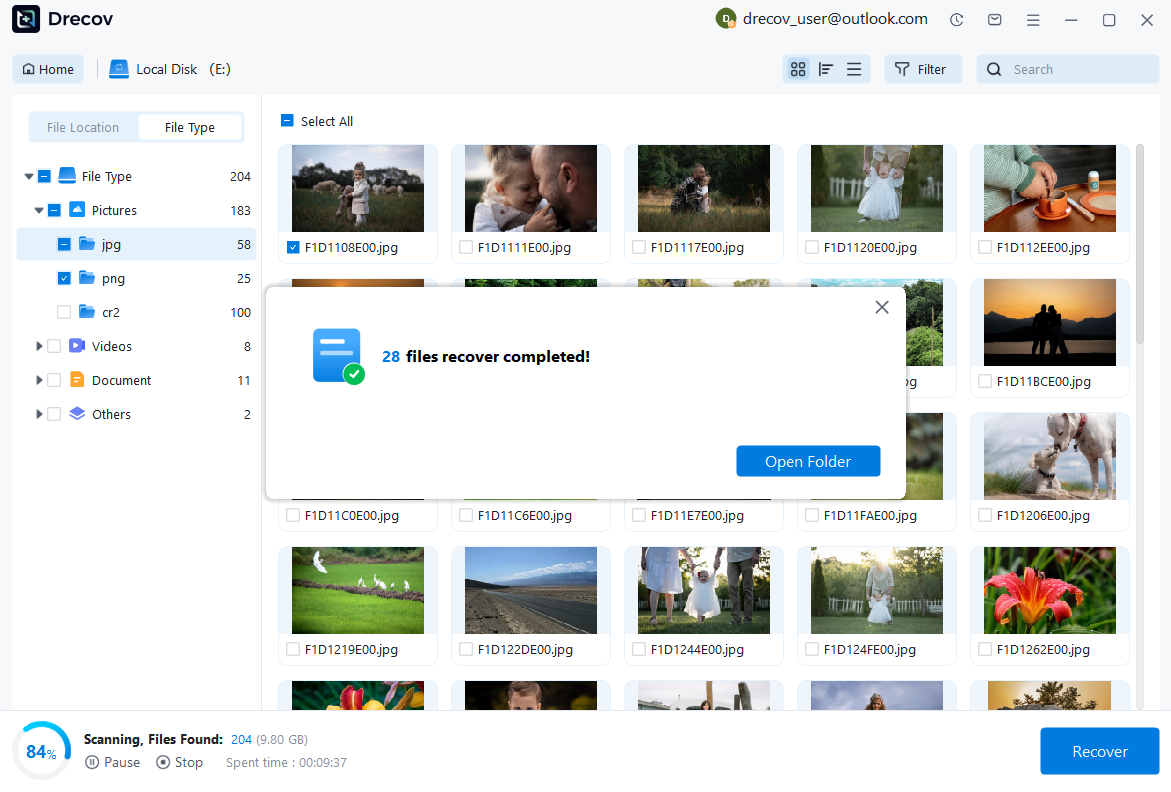
- Preview recoverable files
- Save recovered data to another drive
Pandaoffice Drecov can help recover documents, photos, videos, and system files from corrupted partitions or drives affected by failed Windows installations.
This is especially useful before performing clean installations or partition formatting.
Why Choose PandaOffice Drecov Recovery Software?
PandaOffice Drecov offers a fast, secure, and user-friendly solution for recovering lost files across multiple scenarios. Whether you need email recovery, ZIP File Recovery, format data recovery, or help to recover deleted drafts Outlook, the software provides reliable recovery performance for both personal and business users.
PandaOffice Drecov supports recovery from formatted hard drives, SSDs, USB drives, SD cards, and external storage devices. Its advanced scanning engine can locate deleted archives, damaged ZIP files, lost Outlook drafts, and accidentally removed documents with high accuracy. For users searching for how to find deleted messages in Teams, PandaOffice Drecov can also help recover exported chat files, attachments, and related local cache data when available.
Key advantages include:
- Deep scan technology for complex data loss situations
- Support for emails, archives, videos, photos, and office documents
- Recovery from accidental deletion, formatting, corruption, and system crashes
- Easy preview before restoring files
- Compatible with Windows and multiple storage devices
Unlike complicated enterprise recovery tools, PandaOffice Drecov keeps the recovery process simple. Users can scan, preview, and restore files in just a few steps without technical expertise.
Whether you are dealing with lost Outlook drafts, corrupted ZIP archives, formatted drives, or missing communication data, PandaOffice Drecov provides an efficient and practical recovery experience designed to minimize downtime and protect important files.
Convert the Disk Partition Style Correctly
Incorrect partition styles can trigger the getting files ready for installation stuck windows 10 issue during setup. Modern UEFI systems generally require GPT partitions, while older Legacy BIOS systems often use MBR.
Test Environment
- Windows 11 installation
- GPT/MBR conflict detected
- UEFI-enabled motherboard
Steps
- Boot from the Windows installation USB
- Open Command Prompt using Shift + F10
- Enter the following commands:
diskpart
list disk
select disk X
clean
convert gpt
- Replace “X” with the target drive number
- Restart the installation
If using Legacy BIOS mode instead of UEFI, use:
convert mbr
instead of GPT conversion.
This process removes all partitions from the selected drive, so backing up important data beforehand is essential.
⚠️Warning: The “clean” command permanently deletes existing partitions and files on the selected drive.
Disable Secure Boot Temporarily
Secure Boot conflicts may occasionally prevent installation files from loading correctly, especially when using older installation media.
Test Environment
- Windows 10 installation USB
- UEFI Secure Boot enabled
Steps
- Restart the computer
- Enter BIOS/UEFI settings
- Locate Secure Boot
- Disable the feature temporarily
- Save changes and restart
After Windows finishes installing successfully, Secure Boot can usually be re-enabled safely.
This solution is particularly effective on older motherboards or custom-built PCs using modified BIOS settings.
Free Up Storage Space Before Installation
Windows setup requires additional temporary storage during installation. Insufficient free space can interrupt the unpacking process and freeze installation progress.
Test Environment
- 128GB SSD
- Less than 10GB free space
Steps
- Remove unnecessary files from the target drive
- Delete old Windows installation folders if present
- Empty the Recycle Bin
- Retry the installation
Recommended free storage space:
| Windows Version | Suggested Free Space |
|---|---|
| Windows 10 | 20GB+ |
| Windows 11 | 30GB+ |
Systems with very limited storage may struggle during large cumulative updates and feature installations.
Update BIOS Firmware
Outdated BIOS firmware may contain compatibility issues affecting Windows installation stability.
Test Environment
- Older gaming motherboard
- Installation freezing repeatedly
Steps
- Identify the motherboard model
- Visit the manufacturer’s official website
- Download the latest BIOS firmware
- Follow official update instructions carefully
- Retry Windows installation
BIOS updates can improve:
- Hardware compatibility
- SSD support
- USB stability
- Memory management
- UEFI boot behavior
⚠️Warning: Interrupting a BIOS update may permanently damage the motherboard firmware.
Install Windows Using Minimal Hardware Configuration
Additional hardware components can sometimes introduce driver conflicts during setup.
Test Environment
- Desktop PC with multiple SSDs and expansion cards
Steps
- Disconnect secondary drives
- Remove unnecessary PCIe devices
- Keep only one RAM module installed if troubleshooting memory issues
- Retry installation
Installing Windows with minimal hardware simplifies the setup environment and reduces compatibility conflicts.
After Windows installs successfully, reconnect additional devices one at a time.
Run Startup Repair from Windows Recovery
Windows recovery tools may repair damaged installation components automatically.
Test Environment
- Failed installation loop
- Boot failure after interrupted setup
Steps
- Boot from the Windows installation USB
- Select “Repair your computer”
- Navigate to Troubleshoot
- Open Advanced Options
- Choose Startup Repair
Startup Repair scans boot files, startup services, and installation configurations for corruption.
This solution often resolves installation loops caused by interrupted updates or damaged boot records.
Prevent Windows Installation Freezing in the Future
Use Reliable USB Installation Media
Low-quality or aging USB drives frequently cause installation corruption.
For better installation reliability:
- Use branded USB drives
- Avoid damaged flash drives
- Download official Windows ISOs only
- Rebuild installation media periodically
USB 3.0 drives generally offer faster installation speeds, but older systems may perform more reliably with USB 2.0 ports.
Maintain Healthy Storage Drives
Drive health plays a major role in Windows installation success.
Recommended maintenance practices include:
- Monitoring SMART health status
- Replacing failing HDDs early
- Keeping SSD firmware updated
- Running periodic disk scans
Systems showing repeated installation failures often contain hidden storage problems even if normal file access still works temporarily.
Avoid Interrupting Updates and Installations
Power interruptions during installation commonly corrupt setup files and trigger repeated freezing.
To reduce risks:
- Keep laptops plugged into power
- Avoid forced shutdowns
- Do not disconnect installation media during setup
- Use stable power sources
Unexpected shutdowns during major updates may damage Windows boot files and system partitions.
Frequently Asked Questions About Installation Freezing
How Long Should “Getting Files Ready for Installation” Take?
The installation time depends heavily on storage speed and hardware performance.
Typical installation durations:
| Storage Type | Average Time |
|---|---|
| NVMe SSD | 10–25 minutes |
| SATA SSD | 20–40 minutes |
| HDD | 45–120 minutes |
If no visible progress or disk activity occurs for several hours, troubleshooting may be necessary.
Can Faulty RAM Cause Installation Freezing?
Yes. Unstable or damaged RAM can corrupt installation files during unpacking, causing freezes, restart loops, or blue screen errors.
Memory testing is recommended when installation problems occur repeatedly at random percentages.
Will Formatting the Drive Fix the Problem?
Formatting can resolve partition corruption and file system issues, but it will not repair failing hardware.
If the drive itself contains physical damage, installation problems may continue even after formatting.
Does Switching from HDD to SSD Help?
Yes. SSDs significantly improve installation speed and reliability compared to traditional hard drives.
Older HDDs often struggle during large Windows installations because of slower read/write performance and aging hardware components.
Key Takeaways for Fixing Windows Installation Stuck Errors
The getting files ready for installation stuck problem is usually caused by corrupted installation files, storage issues, BIOS configuration problems, faulty hardware, or damaged partitions.
Most users can resolve the issue by:
- Recreating installation media
- Checking the hard drive for errors
- Resetting BIOS settings
- Testing RAM stability
- Disconnecting unnecessary hardware
- Repairing startup files
The getting files ready for installation stuck windows 10 issue is especially common on older HDD-based systems and computers using corrupted USB installers.
Addressing hardware health early and using clean installation media greatly improves installation reliability while reducing the risk of failed Windows setups and data loss.






