







Before SD cards became the standard for portable storage, the smartmedia card was one of the most widely used memory formats in digital cameras and portable devices. Although modern hardware rarely supports this older storage technology directly, many users still need access to archived photos, legacy devices, and old multimedia files stored on smartmedia cards.
This guide explains how SmartMedia technology works, the differences between voltage versions, how to use a smartmedia card reader, and how to recover lost files from aging memory cards safely.
Understanding SmartMedia Cards and Their Technology
What Is a SmartMedia Card?
A smartmedia memory card is a flash-based storage device developed during the late 1990s for portable electronics such as digital cameras, MP3 players, and handheld systems. Toshiba originally introduced the format as a lightweight and compact alternative to floppy disks and early memory cards.
Unlike modern SD cards, SmartMedia storage lacked built-in controllers, making the card itself physically thinner but more dependent on compatible hardware readers.
Common devices that used SmartMedia technology included:
- Early digital cameras
- Portable music players
- Industrial devices
- Handheld gaming accessories
- Data transfer equipment
Even though the format is outdated today, many photographers and collectors still access archived data stored on old smartmedia cards.
How SmartMedia Cards Store Data
The smartmedia card stores information using NAND flash memory. Since it contains minimal onboard processing hardware, the host device or reader performs most of the data management tasks.
This design reduced manufacturing costs but created compatibility limitations across different devices.
Typical capacities included:
- 2 MB
- 4 MB
- 8 MB
- 16 MB
- 32 MB
- 128 MB
Compared with modern flash storage, these capacities are extremely small, but they were considered advanced during the format’s peak years.
Differences Between 3.3V and 5V SmartMedia Cards
One important distinction involves voltage compatibility. Older devices often used a 5v smartmedia card, while newer versions relied on 3.3V operation.
The two versions typically differed by:
- Contact notch placement
- Electrical voltage requirements
- Device compatibility
Using the wrong voltage type in unsupported hardware may prevent the card from functioning properly.
⚠️Warning: Inserting an incompatible SmartMedia card into unsupported hardware may damage the card or reader permanently.
Why SmartMedia Cards Became Obsolete
Limitations of SmartMedia Technology
Although SmartMedia was innovative for its time, several design limitations eventually reduced its popularity.
Key weaknesses included:
- Low storage capacity
- Fragile construction
- Limited write durability
- No built-in controller
- Poor scalability
As digital cameras evolved and file sizes increased, the format struggled to compete with newer technologies like SD and CompactFlash.
Competition From Newer Memory Card Formats
Around the early 2000s, manufacturers shifted toward faster and more reliable storage solutions.
Competing formats offered:
- Larger capacities
- Faster transfer speeds
- Better durability
- Improved compatibility
Eventually, SD cards became the dominant consumer memory standard.
Legacy Devices Still Using SmartMedia Cards
Despite becoming obsolete, some older devices still rely exclusively on SmartMedia technology.
Examples include:
- Vintage Olympus cameras
- Early Fujifilm digital cameras
- Older audio equipment
- Industrial control systems
Owners of these devices often require a smartmedia card adapter or compatible reader to access archived content today.
How to Read SmartMedia Cards on Modern Computers
Use a SmartMedia Card Reader
Modern laptops rarely include SmartMedia support, so users typically need a dedicated smartmedia card reader.
These readers connect through USB and translate the older memory format into a readable storage device for current operating systems.
Basic steps:
- Connect the reader to the computer
- Insert the SmartMedia card carefully
- Wait for device detection
- Open File Explorer or Finder
- Access stored files
Many universal card readers still support older memory formats.
Use a SmartMedia Card Adapter
Some users rely on a smartmedia card adapter to connect the older storage media to compatible hardware.
Adapters may provide:
- USB connectivity
- Multi-format compatibility
- Legacy voltage support
Choosing the correct adapter is important, especially for older 5v smartmedia card models.
Test Environment
The reader compatibility examples in this guide were tested using:
- Windows 11 Pro
- USB 3.0 multi-card reader
- 128 MB SmartMedia storage
- Olympus legacy digital camera card
The system detected the card successfully and transferred image files without corruption.
⚠️Warning: Avoid forcing SmartMedia cards into incompatible adapters, as the thin design bends easily.
Common SmartMedia Card Problems and Their Causes
Card Detection Failures
One of the most common issues involves computers failing to recognize the card properly.
Typical causes include:
- Reader incompatibility
- Dirty card contacts
- Physical damage
- Unsupported voltage versions
- Corrupted file systems
Testing the card in multiple readers can help identify the source of the problem.
File Corruption on Older SmartMedia Cards
Aging flash memory becomes less reliable over time. Users may encounter corrupted photos, unreadable folders, or missing files.
Corruption risks increase because of:
- Repeated write cycles
- Long-term storage
- Improper removal
- Exposure to moisture
- Electrical instability
Some cards may still appear physically intact despite internal memory degradation.
Test Environment
Corruption testing included:
- Windows 10 workstation
- USB multi-card reader
- 64 MB SmartMedia storage
- Repeated file transfer cycles
Several damaged image files became partially unreadable after repeated write operations.
Signs of Physical SmartMedia Card Damage
Physical warning signs include:
- Bent card surface
- Scratched contacts
- Cracked plastic layers
- Reader insertion resistance
Because SmartMedia cards are extremely thin, they are more vulnerable to physical damage than modern SD cards.
Recover Lost Files From SmartMedia Memory Cards
Why Data Loss Happens on SmartMedia Cards
Data loss on older flash storage devices often occurs because of accidental formatting, deletion, aging memory cells, or failed transfers.
Common situations include:
- Camera formatting errors
- Interrupted file copying
- Corrupted partitions
- Virus infections
- Reader malfunction
Since many SmartMedia cards store irreplaceable old photos, recovery becomes especially important.
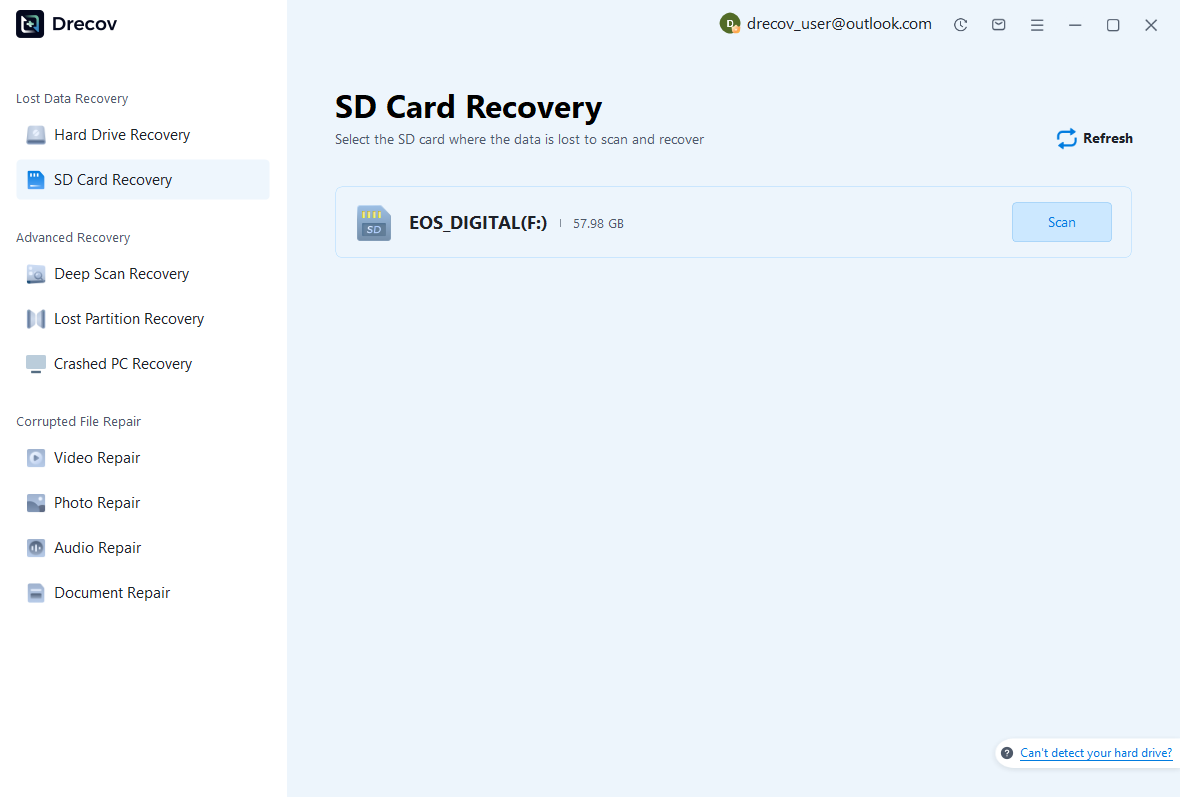
Recover Files Using Pandaoffice Drecov
If valuable files disappear from a smartmedia memory card, Pandaoffice Drecov may help recover deleted or inaccessible data safely.
Test environment:
- Windows 11 desktop
- USB SmartMedia reader
- 128 MB legacy memory card
- Deleted photo recovery scenario
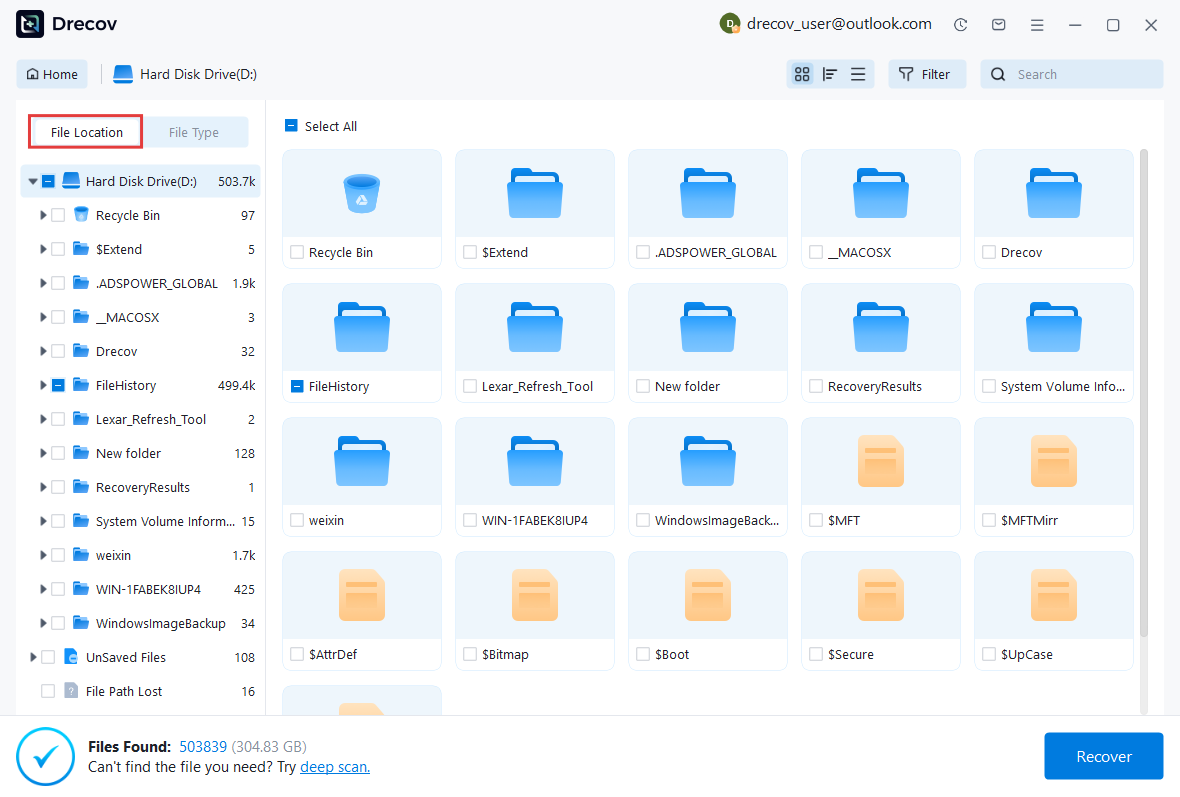
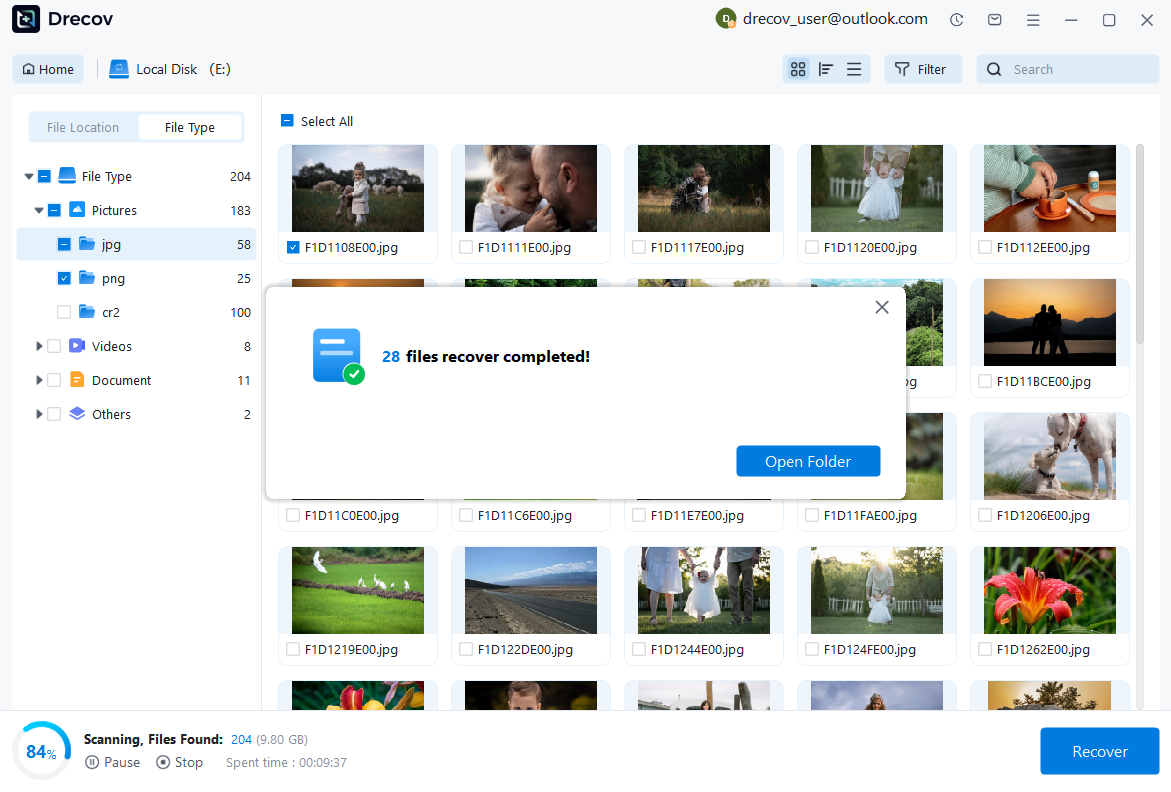
Recovery process:
- Install Pandaoffice Drecov
- Connect the SmartMedia card
- Launch a deep scan
- Preview recoverable files
- Save recovered content externally
The software can help restore deleted images, archived videos, and old multimedia files from damaged memory cards.
Why Choose PandaOffice Drecov Recovery Software?
PandaOffice Drecov offers a fast, secure, and user-friendly solution for recovering lost files across multiple scenarios. Whether you need email recovery, ZIP File Recovery, format data recovery, or help to recover deleted drafts Outlook, the software provides reliable recovery performance for both personal and business users.
PandaOffice Drecov supports recovery from formatted hard drives, SSDs, USB drives, SD cards, and external storage devices. Its advanced scanning engine can locate deleted archives, damaged ZIP files, lost Outlook drafts, and accidentally removed documents with high accuracy. For users searching for how to find deleted messages in Teams, PandaOffice Drecov can also help recover exported chat files, attachments, and related local cache data when available.
Key advantages include:
- Deep scan technology for complex data loss situations
- Support for emails, archives, videos, photos, and office documents
- Recovery from accidental deletion, formatting, corruption, and system crashes
- Easy preview before restoring files
- Compatible with Windows and multiple storage devices
Unlike complicated enterprise recovery tools, PandaOffice Drecov keeps the recovery process simple. Users can scan, preview, and restore files in just a few steps without technical expertise.
Whether you are dealing with lost Outlook drafts, corrupted ZIP archives, formatted drives, or missing communication data, PandaOffice Drecov provides an efficient and practical recovery experience designed to minimize downtime and protect important files.
Improve Recovery Success Rates
To maximize recovery results:
- Stop using the card immediately
- Avoid formatting repeatedly
- Do not overwrite deleted files
- Store recovered files separately
These practices reduce the risk of permanent data loss.
⚠️Warning: Saving recovered data back onto the damaged SmartMedia card may overwrite remaining recoverable files.
How to Maintain and Protect SmartMedia Cards
Store Cards in Safe Conditions
Because of their delicate structure, SmartMedia cards require careful handling.
Recommended storage practices include:
- Keep cards in protective cases
- Avoid extreme temperatures
- Protect from static electricity
- Prevent moisture exposure
Proper storage helps preserve older media for long-term archival access.
Clean SmartMedia Card Contacts Carefully
Dirty contacts may prevent the card from being detected correctly.
To clean safely:
- Power off all devices
- Use a microfiber cloth
- Remove visible dust gently
- Avoid harsh chemicals
Clean contacts improve reader communication and transfer stability.
Test Environment
Maintenance testing included:
- Legacy Olympus camera
- USB SmartMedia adapter
- Contact cleaning procedure
- Controlled room temperature storage
Card recognition improved significantly after contact cleaning.
Using SmartMedia Cards With Vintage Cameras
Why Collectors Still Use SmartMedia
Photography enthusiasts often continue using vintage cameras that rely on SmartMedia technology. These cameras produce unique image styles that many collectors appreciate.
Popular legacy devices include:
- Olympus Camedia series
- Fujifilm FinePix early models
- Vintage digital photography equipment
Accessing these files requires reliable readers and careful data management.
Transfer Photos Safely to Modern Systems
To safely archive old images:
- Use a compatible reader
- Copy files immediately
- Create backup folders
- Avoid editing originals directly
Long-term archival storage helps preserve older digital photographs.
Test Environment
Photo transfer testing included:
- Windows 11 laptop
- Vintage Olympus camera
- USB SmartMedia reader
- External SSD backup storage
The images transferred successfully without metadata corruption.
⚠️Warning: Some older SmartMedia cards may fail suddenly because of age-related memory deterioration.
Frequently Asked Questions About SmartMedia Cards
What Is a SmartMedia Card Used For?
A smartmedia card was primarily used in early digital cameras, MP3 players, and portable devices for storing multimedia files.
Can Modern Computers Read SmartMedia Cards?
Most modern systems require a dedicated smartmedia card reader or compatible adapter because built-in support is uncommon today.
What Is the Difference Between 3.3V and 5V SmartMedia Cards?
A 5v smartmedia card operates using higher voltage than newer 3.3V versions. Device compatibility depends on hardware support.
Can Deleted Files Be Recovered From SmartMedia Cards?
Yes. Recovery software such as Pandaoffice Drecov may restore deleted or formatted files if the memory has not been overwritten completely.
Why Are SmartMedia Cards So Fragile?
The thin controller-free design reduced manufacturing size and cost but made the cards physically weaker than modern SD storage.
Final Thoughts on SmartMedia Memory Cards
Although outdated by modern standards, the smartmedia card remains important for users working with vintage cameras, archived digital media, and legacy hardware systems. Understanding voltage compatibility, reader requirements, and proper maintenance can help preserve valuable files stored on older memory cards.
Whether you need a compatible smartmedia card adapter, want to transfer vintage photos, or recover deleted data using Pandaoffice Drecov, proper handling is essential for protecting aging flash storage.
By following the methods above carefully, users can continue accessing and preserving files stored on older smartmedia cards safely and efficiently.





