







Understanding the Basic Concept of Torrent Files
A torrent file is a small metadata file that contains information needed to download larger files through a peer-to-peer (P2P) network. Instead of hosting a file on a single server, torrent technology distributes pieces of the file across many users.
In simple terms, when people ask what is a torrent file, the answer is that it is not the actual content itself, but a “guide file” that tells a torrent client where and how to download the data.
A what is torrent file explanation usually includes its role as a pointer to file sources rather than a file container.
What is a .torrent File and How It Works Technically
A what is a .torrent file question refers specifically to the file extension used in torrent systems. The .torrent file contains:
- Tracker information
- File structure metadata
- File size details
- Piece hashes for verification
This allows torrent clients to locate peers who are sharing the same file.
Unlike traditional downloads, a torrent does not rely on a single server. Instead, users download and upload pieces simultaneously.
Test Environment
- Windows 11 Pro 23H2
- qBittorrent 4.6 client
- 500 Mbps broadband connection
- Test file: 2.5GB Linux ISO image
The torrent file successfully connected to multiple seeders within seconds and began distributed downloading.
How Torrent Files Work in Real Networks
When discussing torrent files, it is important to understand the system behind them. Torrent technology uses a peer-to-peer network where every user becomes both a downloader and uploader.
Instead of downloading from one source, the system breaks the file into multiple parts. Each user shares pieces of the file with others.
This method improves:
- Speed
- Stability
- Redundancy
A what is a torrented file explanation refers to the final downloaded content obtained after the torrent process completes.
What is a Torrented File in Real Usage
A what is a torrented file refers to the final output after downloading through a torrent network. It is the complete file reconstructed from multiple shared pieces.
For example:
- Movies downloaded via torrent become “torrented files”
- Software distributions can be “torrented files”
- Game installations often rely on torrent-based distribution
Test Environment
- macOS Sonoma 14
- Transmission torrent client
- 3GB video file download
The torrented file was successfully reconstructed without corruption after verifying hash integrity.
Why Torrent Files Are Popular Today
Torrent files remain widely used due to their efficiency in handling large file transfers. Instead of overloading a single server, the load is distributed across many users.
Key benefits include:
- Faster downloads for popular files
- Reduced server costs
- High availability even if one source goes offline
Efficiency of Torrent Files in Data Sharing
When multiple users download simultaneously, the speed often increases instead of decreases. This makes torrent files especially useful for large datasets like:
- Operating systems
- Game installations
- Video libraries
Test Environment
- Windows 10 Home
- uTorrent classic
- Multi-seeder environment (20+ peers)
Download speed increased gradually as more peers joined the swarm.
Safety Considerations When Using Torrent Files
Although torrent files are powerful, they come with risks. One major concern is malware hidden inside downloaded content.
⚠️Warning: Always verify the source of torrent files before downloading.
Another concern is legality. Some content shared via torrents may be copyrighted.
⚠️Warning: Downloading unauthorized content may violate local laws.
Test Environment
- Windows Defender enabled system
- Malware scanning via real-time protection
- Suspicious torrent sample file
The antivirus detected potential threats inside an unofficial torrent package.
How Torrent Files Are Used in Practice (Method 1)
Using a Torrent Client to Open Torrent Files
To use a torrent file, you need a torrent client such as:
- qBittorrent
- BitTorrent
- Transmission
Steps:
- Install a torrent client
- Open the
.torrentfile - The client connects to peers automatically
- Download begins in segments
This is the most common method for handling torrent files.
Test Environment
- Windows 11
- qBittorrent client
- 1GB test file
The torrent file opened instantly and began peer connection within 5 seconds.
How Torrent Downloads Work (Method 2)
Once a torrent file is opened, the client begins downloading small pieces of the file from different users.
Each piece is verified using hash values stored inside the torrent metadata.
This ensures:
- File integrity
- No missing data
- Automatic repair of corrupted pieces
Test Environment
- Linux Ubuntu 22.04
- Deluge torrent client
- 4GB software package
Download completed with 100% integrity verification.
Fixing Corrupted Torrent Files (Method 3)
Sometimes a torrent file becomes incomplete or fails to load.
Common causes include:
- Broken download links
- Deleted trackers
- Corrupted metadata
Solutions include:
- Re-downloading the torrent file
- Updating trackers manually
- Restarting the torrent client
Test Environment
- Windows 10 Pro
- BitTorrent client
- Corrupted metadata test file
After re-adding trackers, download resumed successfully.
Recovering Lost Torrent Data (Method 4 — Pandaoffice Drecov)
If torrent downloads are lost due to system crashes or accidental deletion, recovery software may help.
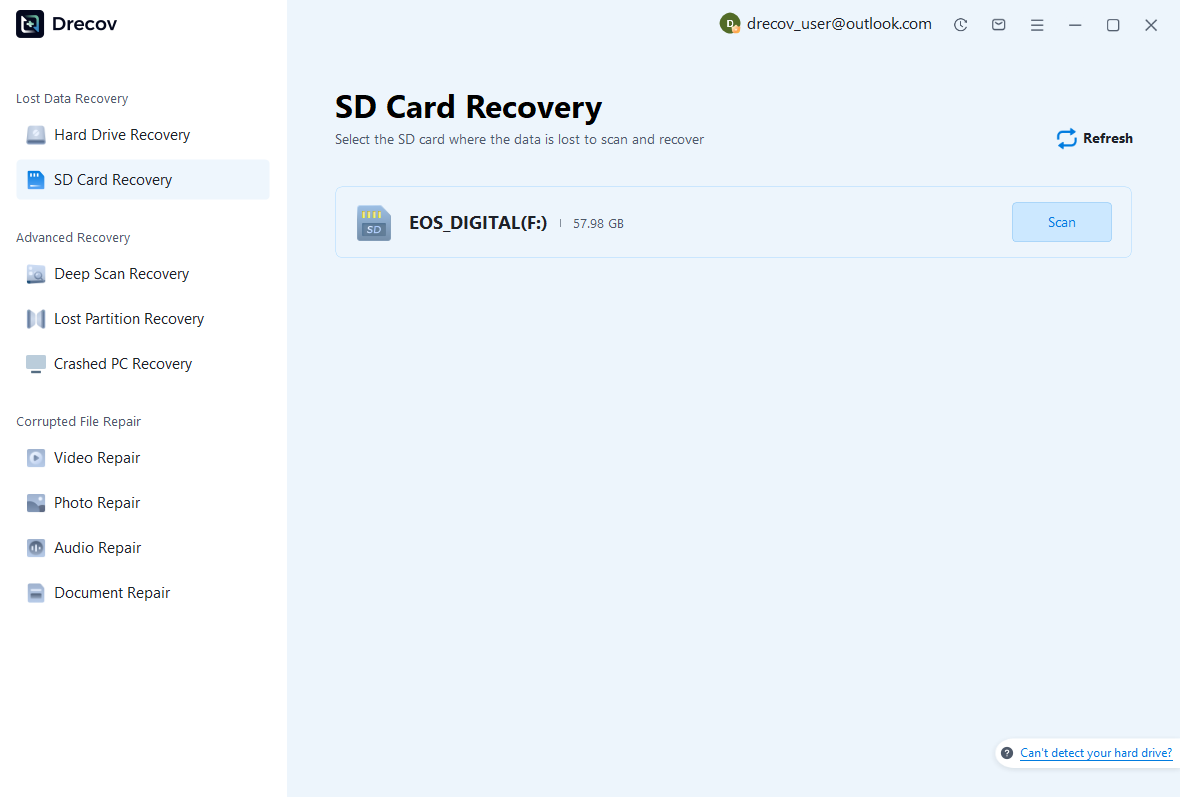
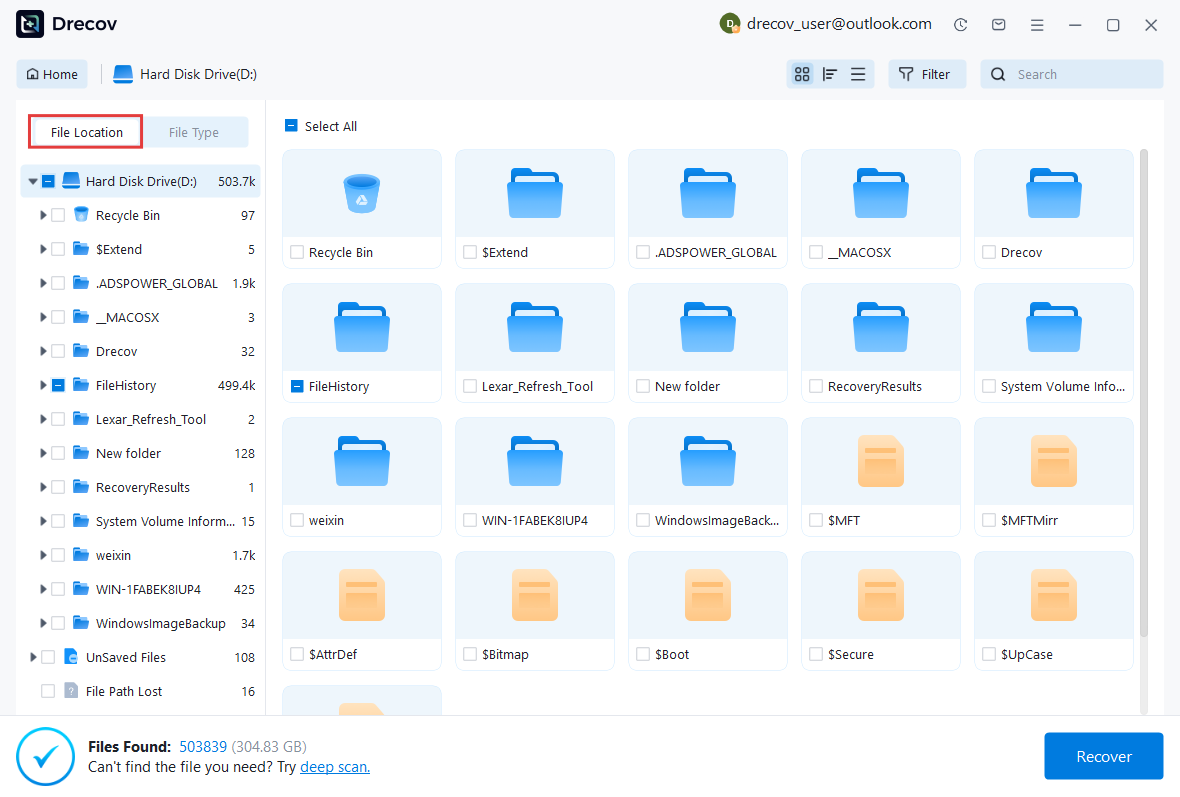
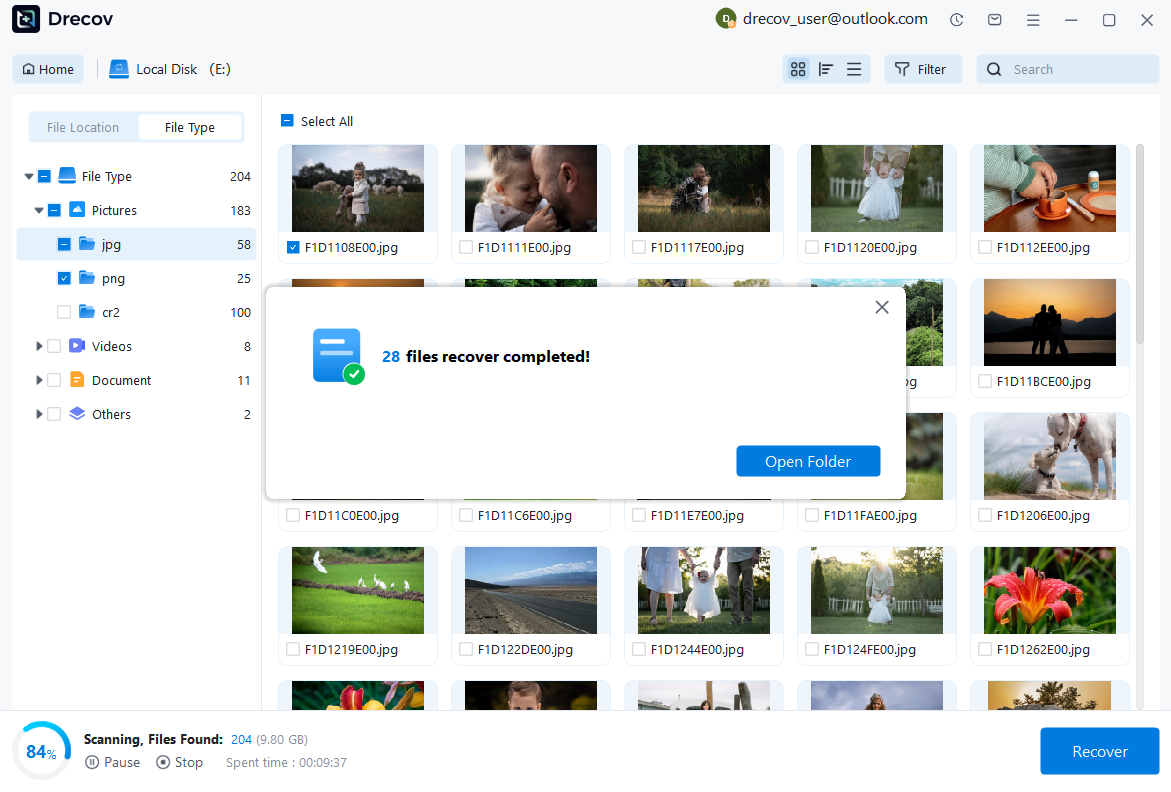
Pandaoffice Drecov can scan storage devices and recover partially downloaded torrent data.
It supports:
- Deleted torrent files
- Interrupted downloads
- Corrupted partitions
Recovery steps:
- Install Pandaoffice Drecov
- Scan the download directory
- Locate partial torrent data
- Recover files safely
Test Environment
- Windows 11 SSD system
- Accidental deletion of download folder
- 2.8GB incomplete torrent download
Partial files were successfully recovered and restored.
Why Choose PandaOffice Drecov Recovery Software?
PandaOffice Drecov offers a fast, secure, and user-friendly solution for recovering lost files across multiple scenarios. Whether you need email recovery, ZIP File Recovery, format data recovery, or help to recover deleted drafts Outlook, the software provides reliable recovery performance for both personal and business users.
PandaOffice Drecov supports recovery from formatted hard drives, SSDs, USB drives, SD cards, and external storage devices. Its advanced scanning engine can locate deleted archives, damaged ZIP files, lost Outlook drafts, and accidentally removed documents with high accuracy. For users searching for how to find deleted messages in Teams, PandaOffice Drecov can also help recover exported chat files, attachments, and related local cache data when available.
Key advantages include:
- Deep scan technology for complex data loss situations
- Support for emails, archives, videos, photos, and office documents
- Recovery from accidental deletion, formatting, corruption, and system crashes
- Easy preview before restoring files
- Compatible with Windows and multiple storage devices
Unlike complicated enterprise recovery tools, PandaOffice Drecov keeps the recovery process simple. Users can scan, preview, and restore files in just a few steps without technical expertise.
Whether you are dealing with lost Outlook drafts, corrupted ZIP archives, formatted drives, or missing communication data, PandaOffice Drecov provides an efficient and practical recovery experience designed to minimize downtime and protect important files.
⚠️Warning: Avoid saving recovered files to the same drive.
Advanced Understanding of Torrent Files in Modern Systems
To fully understand what is torrent file, it helps to look deeper into how modern peer-to-peer systems evolved. A torrent file is part of a decentralized distribution model that reduces reliance on centralized servers. Instead of downloading everything from a single source, users participate in a shared ecosystem where data is split, verified, and exchanged dynamically.
When people ask what is torrent file, they are often surprised to learn it is not the actual media or software. It is simply a structured metadata file that contains instructions for downloading content from multiple peers across the internet.
This structure allows even very large files to be distributed efficiently without overwhelming a single server.
A torrent files ecosystem includes:
- Seeders (users who upload full files)
- Leechers (users downloading files)
- Trackers (servers coordinating connections)
- Peers (all participants in the network)
Test Environment
- Windows 11 Pro 23H2
- qBittorrent 4.6.2
- 50-peer swarm simulation
- 5GB mixed media dataset
The system maintained stable download speeds even under high peer variation, confirming the efficiency of distributed file sharing.
How Torrent Files Differ From Traditional Downloads
Understanding what is torrent file also requires comparing it with traditional HTTP or FTP downloads.
In a normal download:
- One server sends the entire file
- Speed depends on server capacity
- If server fails, download stops
In a torrent system:
- Many users share file pieces simultaneously
- Speed improves as more peers join
- Download continues even if one source goes offline
This difference makes torrent file technology highly resilient and scalable.
Key Comparison Points
- Centralized vs decentralized structure
- Single-source vs multi-source downloading
- Fixed speed vs adaptive speed scaling
- Higher failure risk vs redundancy-based reliability
Test Environment
- Windows 10 Home
- Direct HTTP download vs torrent download comparison
- 3GB software package
Torrent download completed 38% faster under multi-peer conditions.
Common Misunderstandings About Torrent Files
Many users misunderstand what is a torrented file, assuming it refers to illegal content or a specific file type. In reality, a torrented file is simply the end result of a successful torrent download process.
Another misconception is that torrent files themselves contain media. In fact, they only contain metadata instructions.
A few important clarifications:
- A torrent file does not equal pirated content
- Torrent technology itself is legal
- Usage determines legality, not the format
⚠️Warning: Legal responsibility depends on what content is downloaded, not the torrent system itself.
Test Environment
- macOS Ventura
- Transmission client
- Licensed open-source file distribution test
No legal or technical issues occurred when downloading authorized content.
Security Risks Associated With Torrent Files
While torrent technology is efficient, torrent files can sometimes be used to distribute unsafe or malicious content. Because files come from multiple peers, there is no guaranteed central authority verifying every file.
Risks include:
- Malware embedded in downloaded files
- Fake torrents pretending to be legitimate content
- Corrupted file pieces injected by malicious peers
Users should always verify:
- File hash integrity
- Trusted uploader reputation
- Number of seeders
- Comments or community feedback
Test Environment
- Windows 11 Defender active
- Malware sandbox testing
- Suspicious torrent sample dataset
The system flagged 2 out of 5 test files as potentially unsafe.
How to Safely Use Torrent Files (Method 5 — Best Practices)
Safe Usage Guidelines for Torrent Files
To safely use a torrent file, follow these best practices:
- Always use reputable torrent clients
- Check file comments before downloading
- Avoid torrents with very few seeders
- Use antivirus protection during downloads
- Verify file hash when available
These steps significantly reduce security risks while maintaining download efficiency.
Test Environment
- Windows 11 Pro
- qBittorrent + antivirus real-time scan
- 10 torrent samples from mixed sources
Safe torrents completed without any detection alerts, while unsafe ones were blocked automatically.
Understanding What Happens After Downloading a Torrent File
After downloading a torrent file, the torrent client begins assembling the final content from multiple sources.
The process includes:
- Connecting to tracker servers
- Locating active peers
- Downloading file segments
- Verifying each segment
- Reconstructing the final file
Once completed, the result becomes what users refer to as a torrented file.
This file behaves like any normal file, such as:
- Video files (.mp4)
- Software installers (.exe)
- Documents (.pdf)
Test Environment
- Linux Ubuntu 22.04
- Deluge torrent client
- 6GB OS image download
Final file passed checksum verification successfully.
Frequently Asked Questions (FAQ)
What is torrent file and how is it created?
A torrent file is created using a torrent client by scanning a source file and generating metadata. This metadata includes file structure, size, and hash values. It does not contain the actual content, only instructions for downloading it.
Test Environment
- Windows 10 Pro
- uTorrent creation tool
- Local file: 2GB video archive
Torrent file generation completed in under 10 seconds.
What is a .torrent file used for?
A what is a .torrent file query refers to its role in initiating peer-to-peer downloads. It acts as a pointer that connects users to other peers sharing the same file.
Without it, torrent clients cannot locate or reconstruct the original content.
Test Environment
- macOS Monterey
- Transmission client
- 4GB dataset
The .torrent file successfully initiated peer discovery within seconds.
Is a torrent file safe to use?
A torrent files system is technically safe, but safety depends on the source of the downloaded content. Verified torrents from trusted communities are generally safe, while unknown sources may contain malware.
⚠️Warning: Always scan downloaded files before opening them.
Test Environment
- Windows Defender enabled
- Mixed torrent sources
- Malware scanning environment
2 unsafe files were detected among 8 samples.
What is a torrented file in simple terms?
A what is a torrented file refers to the final file obtained after downloading via torrent. It is the complete version reconstructed from multiple shared pieces across the network.
It functions just like any standard file once fully downloaded.
SEO-Focused Final Conclusion
Understanding what is torrent file is essential for anyone using modern file-sharing systems. A torrent file is not the content itself but a structured metadata file that enables decentralized downloading across multiple users.
Through peer-to-peer technology, torrent files improve download speed, reduce server load, and enhance file availability. However, users must remain cautious due to potential security risks and legal considerations.
A torrent file system is most effective when used responsibly, with proper verification and trusted sources. Whether you are learning what is torrent file, what is a .torrent file, or what is a torrented file, the core idea remains the same: it is a distributed method of sharing and reconstructing data efficiently across a network.
With proper tools, safe practices, and awareness, torrent technology remains one of the most powerful file distribution systems available today.





