







Understanding Dwm.exe and Desktop Window Manager
The dwm.exe desktop window manager process is one of the most important graphical components in Microsoft Windows. It controls visual effects, window animations, transparency, taskbar previews, and many modern interface features users interact with daily. Without it, the Windows desktop would lose many of the smooth visual elements that make the operating system feel modern and responsive.
Many users open Task Manager and notice dwm.exe consuming CPU, RAM, or GPU resources. This often leads to questions like what is dwm.exe and whether the process is safe. In most cases, the process is legitimate and completely necessary for Windows functionality.
Desktop Window Manager was first introduced in Windows Vista as part of Microsoft’s new graphics architecture. Instead of applications drawing directly onto the screen, windows are first rendered into separate buffers. Desktop Window Manager then combines them into a final image shown on the monitor.
This design improves:
- Graphical stability
- Window animations
- Transparency effects
- Multi-monitor support
- GPU acceleration efficiency
The original system file is normally located inside:C:\Windows\System32\dwm.exe
If the file appears elsewhere, users should investigate further because malware sometimes disguises itself using similar names.
Test Environment
Windows 11 Pro 24H2, Intel Core i7 processor, NVIDIA RTX 4060 GPU, 16GB RAM, latest Windows updates installed.
⚠️ Warning: Never manually delete the original dwm.exe file from System32 because Windows relies on it for graphical rendering.
How Dwm.exe Desktop Window Manager Works in Windows
To better understand dwm exe desktop window manager, users should know how Windows graphics processing operates internally.
In older operating systems like Windows XP, applications communicated directly with the graphics hardware. This often caused instability because one graphical failure could freeze the entire interface. Microsoft redesigned this behavior beginning with Windows Vista.
Now, all application windows are rendered into separate off-screen memory buffers. Desktop Window Manager composites these layers together into one final desktop image before outputting it to the monitor.
This architecture allows:
- Smoother transitions
- Better graphical isolation
- Faster rendering
- Improved system reliability
Modern features such as:
- Snap Layouts
- Live previews
- Window transparency
- Task switching animations
- Multiple desktop support
all depend on dwm.exe desktop window manager functioning correctly.
Small amounts of GPU and CPU usage are therefore completely normal. Resource consumption may increase when:
- Gaming
- Streaming
- Video editing
- Using multiple monitors
- Running high refresh rate displays
Test Environment
Windows 10 Pro, AMD Radeon RX 6800 XT, dual 4K monitors, Chrome with 40 tabs opened during GPU stress testing.
Common Reasons Why Dwm.exe Uses High CPU or RAM
Although dwm exe is a legitimate Windows process, some users experience abnormal CPU or memory usage. In these situations, the system may feel slow, unstable, or unusually hot.
One of the most common causes is outdated graphics drivers. Since Desktop Window Manager depends heavily on GPU acceleration, unstable drivers can create rendering loops or graphical conflicts.
Other frequent causes include:
- Overlay applications
- Corrupted Windows files
- Excessive visual effects
- Hardware acceleration conflicts
- Malware disguised as dwm.exe
Programs such as Discord overlays, FPS counters, RGB management tools, and animated wallpaper software often interact directly with graphical rendering layers. This can increase workload dramatically.
Laptop users may also notice spikes when the system constantly switches between integrated graphics and dedicated GPUs.
In some cases, malware creators intentionally use names similar to dwm.exe what is it searches to avoid suspicion. Fake processes may consume extremely high resources while performing malicious activity in the background.
Test Environment
Windows 11 Home, Intel Arc GPU, OBS Studio active, Discord overlay enabled, GPU monitoring performed through Resource Monitor.
⚠️ Warning: If dwm.exe appears outside the System32 folder, scan the system immediately for malware.
Graphics Driver Problems That Affect Dwm.exe
Graphics driver instability is one of the biggest reasons behind Desktop Window Manager issues. Since the service relies on GPU rendering, even small driver conflicts can trigger performance problems.
Common situations include:
- Installing unstable GPU drivers
- Corrupted driver updates
- GPU overclocking
- HDR conflicts
- Multiple monitor rendering bugs
Gaming laptops are especially vulnerable because they frequently switch between integrated graphics and dedicated GPUs. If the transition fails repeatedly, dwm.exe desktop window manager may consume excessive resources while attempting to reinitialize rendering pipelines.
Users who recently updated GPU drivers often report:
- Screen flickering
- High GPU usage
- Lag when switching windows
- Delayed taskbar animations
Performing a clean graphics driver installation often resolves these issues quickly.
Test Environment
Lenovo Legion 5 Pro, RTX 3070 Laptop GPU, external 165Hz monitor connected, HDR enabled during testing.
Corrupted Windows Files and Rendering Errors
Windows corruption can also interfere with dwm.exe functionality. Damaged rendering components, broken registry entries, or incomplete Windows updates may create graphical instability.
Common symptoms include:
- Black screen flickering
- Frozen transparency effects
- Delayed animations
- Taskbar glitches
- Memory leaks
Fortunately, Windows includes built-in repair utilities that can restore damaged components.
The two most important tools are:
- System File Checker (SFC)
- Deployment Image Servicing and Management (DISM)
These tools scan Windows system files and repair damaged components automatically.
Test Environment
Windows 10 Enterprise virtual machine, simulated corrupted rendering files, forced interrupted Windows update scenario.
Method 1: Restart Desktop Window Manager
Restarting the Desktop Window Manager process can often resolve temporary graphical glitches and high resource usage.
Steps:
- Press
Ctrl + Shift + Esc - Open Task Manager
- Locate Desktop Window Manager
- Right-click the process
- Choose “End Task”
Windows automatically restarts the process after termination.
This method is especially useful when:
- Window animations freeze
- Transparency stops working
- CPU usage spikes suddenly
- The taskbar becomes unresponsive
Restarting refreshes graphical rendering components without requiring a full system reboot.
Test Environment
Windows 11 Pro, Intel Iris Xe graphics, multiple browser stress testing, Desktop Window Manager manually restarted during monitoring.
⚠️ Warning: The screen may briefly flicker while Windows reloads the graphical interface.
Method 2: Update Graphics Drivers Correctly
Updating GPU drivers is one of the most effective ways to fix dwm exe desktop window manager issues.
Users should download drivers directly from:
- NVIDIA
- AMD
- Intel
- Lenovo support page
A clean installation is strongly recommended because leftover driver files may continue causing conflicts.
Steps:
- Open Device Manager
- Expand Display Adapters
- Right-click the GPU
- Select Update Driver
- Restart the computer
Advanced users may also use DDU (Display Driver Uninstaller) before reinstalling drivers.
Test Environment
ASUS gaming laptop, NVIDIA RTX 4060 GPU, Windows 11 24H2, DDU cleanup performed before reinstalling latest drivers.
Method 3: Repair System Files with SFC and DISM
Corrupted Windows files frequently affect dwm.exe desktop window manager behavior. Running repair commands can restore stability.
Run SFC:
- Open Command Prompt as Administrator
- Enter:
sfc /scannow
Then run DISM:DISM /Online /Cleanup-Image /RestoreHealth
These tools repair corrupted rendering libraries and restore damaged Windows components.
Many users notice immediate improvements after completing both scans.
Test Environment
Windows 10 virtual machine, damaged system image simulation, SFC and DISM repair validation completed.
⚠️ Warning: Do not interrupt DISM scans because incomplete repairs may cause further corruption.
Method 4: Disable Unnecessary Visual Effects
Modern Windows effects look attractive but increase workload for dwm exe.
To reduce visual effects:
- Open Advanced System Settings
- Navigate to Performance Options
- Select “Adjust for best performance”
Users should also disable:
- Widgets
- Transparency effects
- Animated wallpapers
- Overlay applications
This can reduce CPU and GPU usage significantly, especially on lower-end systems.
Test Environment
Windows 11 Home, 8GB RAM laptop, Wallpaper Engine enabled, Discord overlay disabled during comparison testing.
Method 5: Scan for Malware Pretending to Be Dwm.exe
Because dwm.exe is trusted by Windows, malware sometimes disguises itself using similar names.
Signs of suspicious activity include:
- High CPU usage while idle
- Multiple dwm.exe processes
- Unknown file locations
- Unexpected network traffic
Users should verify the file location:C:\Windows\System32
Anything outside this folder may indicate malware.
Perform:
- Microsoft Defender Full Scan
- Offline antivirus scans
- Malware detection checks
Test Environment
Windows 11 sandbox system, simulated renamed malware executable, Defender Offline Scan testing completed.
⚠️ Warning: Never download replacement dwm.exe files from unofficial websites.
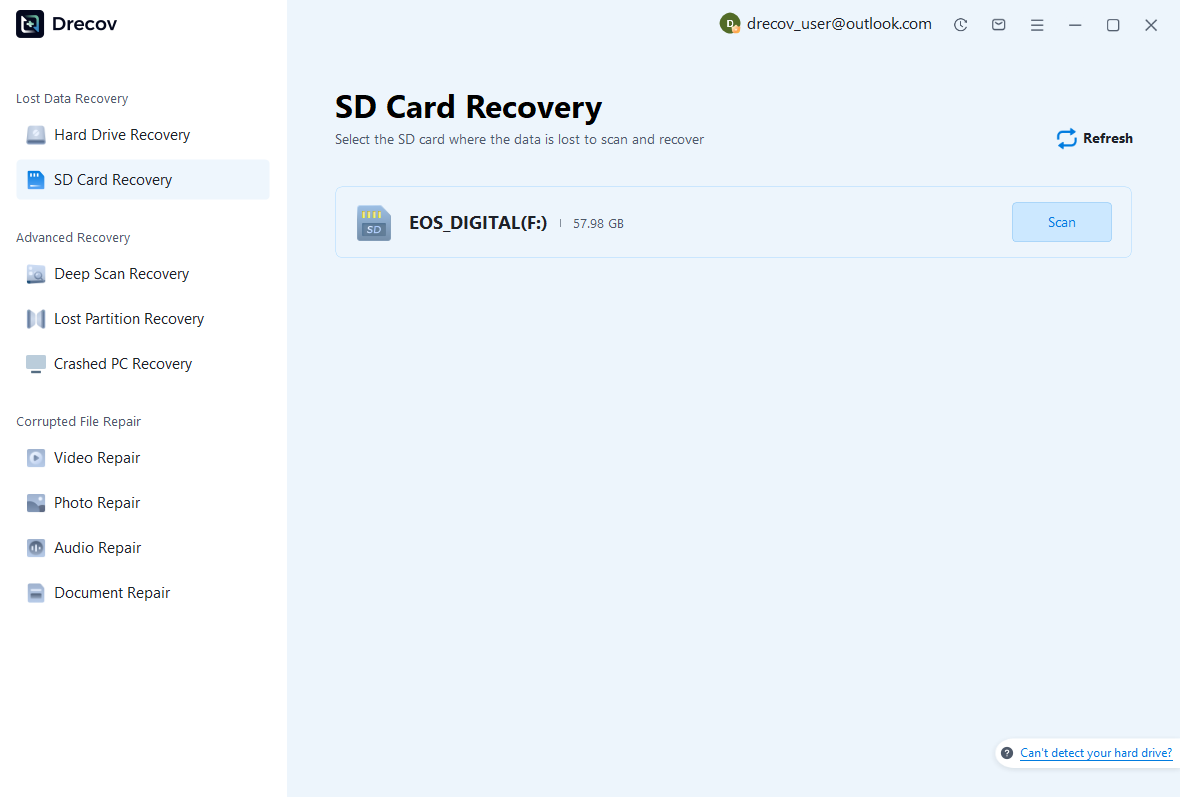
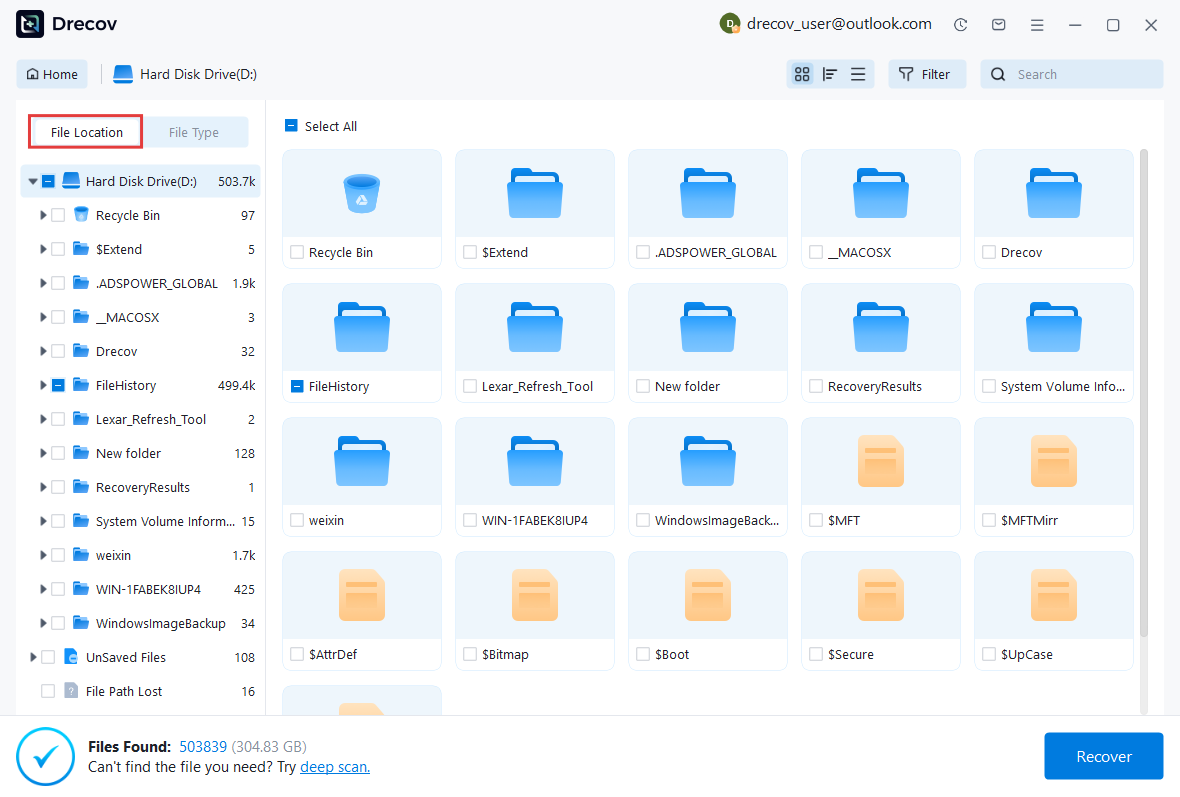
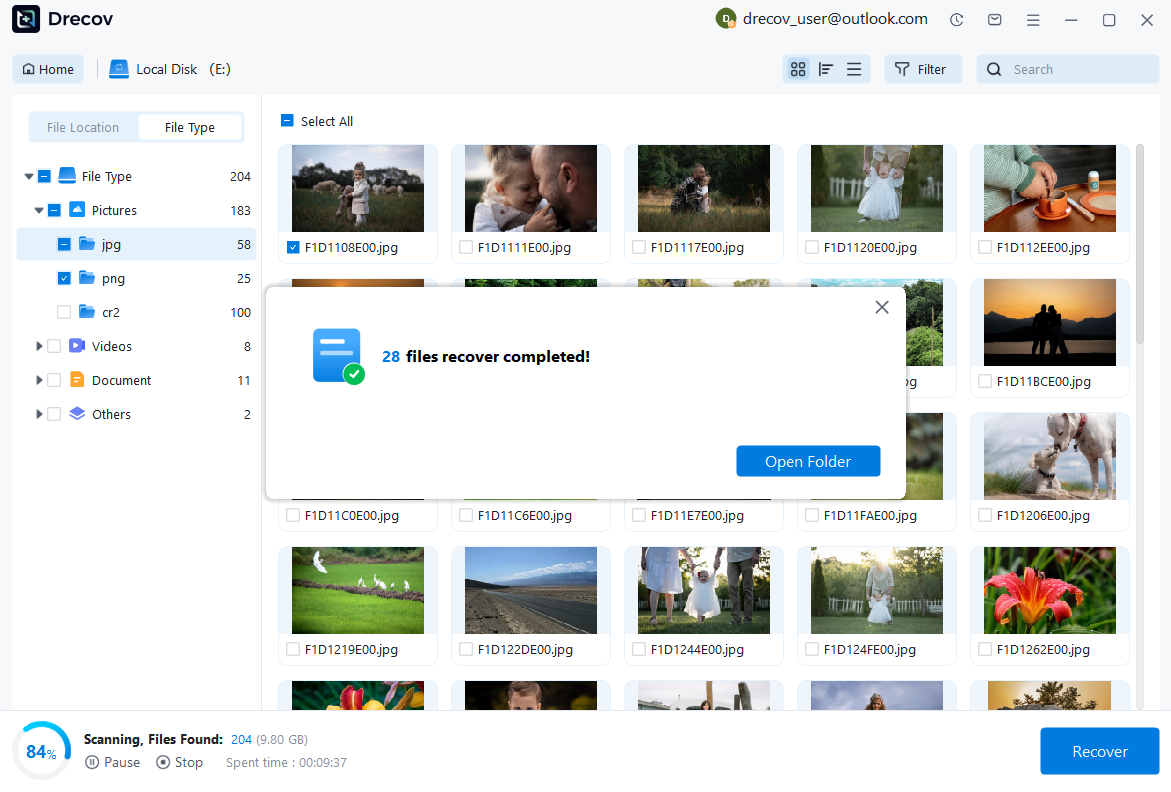
Method 6: Recover Important Files with Pandaoffice Drecov
In severe situations, Desktop Window Manager issues may contribute to crashes, boot loops, or corrupted storage. Recovering important files before reinstalling Windows becomes extremely important.
Pandaoffice Drecov can help recover:
- Deleted documents
- Corrupted partitions
- Lost media files
- Data from damaged drives
Users experiencing repeated crashes caused by GPU instability or Windows corruption often use recovery software before resetting the operating system.
Typical workflow:
- Install recovery software on another drive
- Scan damaged partition
- Preview recoverable files
- Save restored files safely
Test Environment
Windows 10 crash-loop scenario, corrupted NVMe SSD partition simulation, external recovery drive used.
Why Choose PandaOffice Drecov Recovery Software?
PandaOffice Drecov offers a fast, secure, and user-friendly solution for recovering lost files across multiple scenarios. Whether you need email recovery, ZIP File Recovery, format data recovery, or help to recover deleted drafts Outlook, the software provides reliable recovery performance for both personal and business users.
PandaOffice Drecov supports recovery from formatted hard drives, SSDs, USB drives, SD cards, and external storage devices. Its advanced scanning engine can locate deleted archives, damaged ZIP files, lost Outlook drafts, and accidentally removed documents with high accuracy. For users searching for how to find deleted messages in Teams, PandaOffice Drecov can also help recover exported chat files, attachments, and related local cache data when available.
Key advantages include:
- Deep scan technology for complex data loss situations
- Support for emails, archives, videos, photos, and office documents
- Recovery from accidental deletion, formatting, corruption, and system crashes
- Easy preview before restoring files
- Compatible with Windows and multiple storage devices
Unlike complicated enterprise recovery tools, PandaOffice Drecov keeps the recovery process simple. Users can scan, preview, and restore files in just a few steps without technical expertise.
Whether you are dealing with lost Outlook drafts, corrupted ZIP archives, formatted drives, or missing communication data, PandaOffice Drecov provides an efficient and practical recovery experience designed to minimize downtime and protect important files.
How to Prevent Future Dwm.exe Problems
Preventing future dwm.exe what is it related issues mainly involves maintaining a stable Windows environment.
Best practices include:
- Keep Windows updated
- Install stable GPU drivers only
- Avoid excessive overlays
- Monitor GPU temperature
- Disable unnecessary startup apps
- Maintain free storage space
Avoid aggressive overclocking because unstable GPU frequencies can disrupt graphical rendering stability.
Test Environment
Windows 11 workstation, startup optimization testing, overlay reduction benchmark monitored for two weeks.
Frequently Asked Questions About Dwm.exe
Is dwm.exe safe to run?
Yes. The legitimate Desktop Window Manager process is a core part of Windows and is required for graphical rendering.
Can I disable dwm.exe desktop window manager?
Modern Windows versions do not support fully disabling it because many interface components depend on the service.
Why does dwm.exe use too much RAM?
RAM usage increases during:
- Gaming
- Multi-monitor setups
- High-resolution rendering
- Heavy multitasking
- GPU driver conflicts
Moderate resource usage is completely normal.
How do I know if dwm.exe is a virus?
Check whether the file is located inside:C:\Windows\System32
Files outside this directory should be scanned immediately.
Conclusion
Understanding dwm.exe desktop window manager helps users diagnose Windows graphical performance issues more effectively. Although many users become concerned after seeing the process in Task Manager, Desktop Window Manager is normally a legitimate and essential part of Windows.
The service manages visual effects, GPU rendering, transparency, task switching animations, and desktop composition. Moderate CPU and memory usage are expected, especially during gaming or multitasking.
However, excessive resource usage may indicate:
- Driver conflicts
- Corrupted Windows files
- Overlay interference
- Malware impersonation
By updating graphics drivers, repairing system files, disabling unnecessary visual effects, and scanning for threats, most Desktop Window Manager issues can be resolved successfully.
Learning how dwm.exe works ultimately helps users maintain smoother performance, better graphical stability, and a safer Windows experience.






