







Lenovo Boot Menu Key Explained and Why It Matters
The Lenovo boot menu key is a special keyboard shortcut that allows users to access the temporary boot device selection screen during system startup. Instead of letting the computer automatically load the operating system installed on the internal drive, this function gives you control over where the system should boot from.
This feature is extremely useful in many practical situations. For example, if your operating system becomes corrupted, you can use a USB recovery drive. If you want to install Windows, Linux, or another OS, you need to boot from external media. In enterprise environments, IT technicians frequently rely on the boot menu key Lenovo systems provide to deploy software or perform diagnostics.
Unlike BIOS settings, which permanently store hardware and boot configuration, the boot menu is temporary. It only affects the current startup session and does not modify system settings. This makes it a safe and convenient tool for troubleshooting.
For most Lenovo devices, including ThinkPad, IdeaPad, Yoga, Legion, and ThinkCentre desktops, the boot menu plays a critical role in system recovery workflows. The most commonly used key is F12, but variations exist depending on the model and firmware version.
Test Environment
Lenovo ThinkPad T14 Gen 2, Windows 11 Pro, UEFI mode enabled, Secure Boot active, USB boot drive (Windows 11 installation media), external USB keyboard used for validation.
Understanding How Lenovo Boot Menu Works Compared to BIOS
To fully understand the Lenovo laptop boot menu key, it is important to distinguish between BIOS and Boot Menu functionality.
BIOS (or UEFI on modern systems) is the firmware interface that initializes hardware components and defines system-level configuration such as boot priority, CPU settings, and security options. It is a persistent configuration layer that affects every startup.
The boot menu, however, is a temporary override system. It allows users to choose a boot device once without changing permanent BIOS settings. For example, selecting a USB drive through the boot menu will only affect that single boot session.
This distinction is especially important when troubleshooting startup issues. Many users mistakenly enter BIOS when they actually need the lenovo pc boot menu key function. BIOS is used for configuration changes, while the boot menu is used for immediate action.
Another important difference is speed. The boot menu must be accessed immediately during startup, usually within a few seconds after pressing the power button. BIOS access typically uses a different key (such as F2 or Fn+F2) and allows more time for navigation.
Understanding this difference helps users avoid confusion and ensures faster system recovery when needed.
Test Environment
Lenovo IdeaPad 5 Pro 16, Windows 10 Home, UEFI boot mode, dual-boot configuration (Windows + Linux), fast boot disabled for testing.
Lenovo Boot Menu Key Across Different Devices
Although Lenovo devices share similar firmware architecture, the exact lenovo boot menu keys vary slightly depending on product category, generation, and motherboard design.
The most widely used key across modern Lenovo systems is F12. However, certain models may require function key combinations or hardware buttons.
ThinkPad Series Boot Menu Key
For business-oriented ThinkPad devices, the lenovo thinkpad boot menu key is typically F12. Users can press it repeatedly immediately after powering on the system to access the boot selection screen.
ThinkPad systems are designed for enterprise environments, meaning they prioritize reliability and consistency. As a result, the boot menu function is usually stable and consistent across generations.
However, some models require Fn + F12 depending on BIOS configuration settings such as “Hotkey Mode.”
Test Environment
ThinkPad X1 Carbon Gen 9, Windows 11 Pro, BitLocker enabled, Thunderbolt dock connected, USB-C boot device tested successfully.
⚠️ Warning: If BitLocker is enabled, booting from external media may require recovery key authentication.
IdeaPad, Yoga, and Legion Boot Menu Key Variations
Consumer-grade Lenovo laptops such as IdeaPad, Yoga, and Legion series also support the boot menu, but their input methods can vary more widely.
The most common options include:
- F12 (standard method)
- Fn + F12 (if function lock is enabled)
- Novo button (hardware emergency boot menu trigger)
The Novo button is a small pinhole or dedicated button on the side of the device. When pressed using a paperclip or pin, it launches a special startup menu that includes BIOS setup, boot menu, and system recovery options.
This method is especially useful when the keyboard is not responding or when fast boot prevents key detection.
Test Environment
Lenovo Legion 5 Pro, Windows 11, NVIDIA GPU active mode, external monitor connected via HDMI, USB recovery drive tested.
Lenovo Desktop Boot Menu Key (ThinkCentre and Others)
For desktop systems such as ThinkCentre and IdeaCentre, the lenovo pc boot menu key is most commonly F12.
Desktop systems tend to respond more reliably than laptops because they use full-sized keyboards and do not rely on laptop power management features.
Older desktop models may use F8, especially those running legacy BIOS instead of UEFI.
Test Environment
Lenovo ThinkCentre M720 Tower, Windows 10 Enterprise, SSD + HDD dual drive configuration, USB boot testing via rear USB 3.0 port.
Quick Reference for Lenovo Boot Menu Keys
To simplify usage, here is a consolidated view of common configurations:
ThinkPad series → F12
IdeaPad series → F12 or Fn + F12
Yoga series → Novo button or F12
Legion series → F12 or Fn + F12
Desktop PCs → F12 (older models may use F8)
This overview covers most lenovo boot menu key scenarios encountered in real-world usage. However, BIOS settings or firmware updates may slightly change behavior.
⚠️ Warning: Fast Boot or Secure Boot settings may prevent boot menu access if not configured properly.
How to Access Lenovo Boot Menu in Different Ways
There are multiple methods to access the boot menu depending on system state, hardware condition, and BIOS configuration.
Method 1: Using the Keyboard Shortcut
The most common approach is using the F12 key during startup. This method works on most Lenovo devices.
Steps:
- Fully shut down the computer
- Press the power button
- Immediately press F12 repeatedly
- Boot menu appears
- Select desired boot device
This is the standard method for most lenovo laptop boot menu key operations.
Test Environment
Lenovo Yoga Slim 7, Windows 11, fast boot disabled, USB 3.2 boot drive tested.
Method 2: Novo Button Boot Menu Access
Some Lenovo laptops include a physical Novo button designed for recovery and boot selection.
Steps:
- Turn off device
- Press Novo button using a pin
- Select “Boot Menu” from the screen
This method bypasses keyboard timing issues entirely and is highly reliable when normal shortcuts fail.
Test Environment
Lenovo IdeaPad 3, Windows 10, Novo button firmware verified, recovery partition intact.
Method 3: Access Through BIOS Interface
If boot menu shortcuts do not work, BIOS provides an alternative route.
Steps:
- Press F2 or Fn + F2 during startup
- Enter BIOS setup
- Navigate to Boot section
- Adjust boot priority or select device
This method is often used when configuring permanent boot behavior.
Test Environment
Lenovo ThinkPad T480, Ubuntu dual boot system, UEFI secure boot disabled for testing.
Method 4: Windows Advanced Startup Options
Windows also provides a software-based boot option.
Steps:
- Open Settings
- Go to Recovery
- Click Advanced Startup
- Choose boot device
This method is useful when keyboard access is not possible.
Test Environment
Windows 11 Pro, BitLocker enabled, system restart loop simulation.
Troubleshooting Lenovo Boot Menu Key Not Working
Even though the Lenovo boot menu key is usually reliable across most devices, there are situations where users press the correct key but nothing happens. This issue is common and usually related to system settings rather than hardware failure.
One of the most frequent causes is the Fast Boot feature. Fast Boot is designed to reduce startup time by skipping certain hardware initialization steps. However, this also shortens the time window in which the system detects keyboard input, which can prevent the boot menu key Lenovo function from registering.
Another possible cause is incorrect timing. The boot menu key must be pressed immediately after powering on the device. Waiting even a few seconds may cause the system to bypass the detection phase entirely.
Keyboard-related issues can also play a role. Wireless keyboards often fail to initialize in time during startup, especially if USB receivers are connected through hubs. In contrast, built-in laptop keyboards and wired USB keyboards are more reliable for accessing the lenovo laptop boot menu key function.
Test Environment
Lenovo IdeaPad Gaming 3, Windows 11 Home, Fast Boot enabled/disabled comparison, USB wireless keyboard vs internal keyboard tested.
⚠️ Warning: If Fast Boot is enabled, even repeated key pressing may not register in time.
BIOS and Firmware Settings That Affect Boot Menu Access
System firmware settings have a direct impact on whether the lenovo pc boot menu key works correctly. UEFI firmware, Secure Boot, and Fast Boot are the three most important factors.
Fast Boot reduces detection time for external input devices. Disabling it often restores normal boot menu access.
Secure Boot does not directly block the boot menu key, but it can prevent unauthorized boot devices from being selected. This may make it appear as if the boot menu is not working when in fact the device is rejecting the boot option.
UEFI vs Legacy mode also matters. Some older devices behave differently depending on boot mode configuration, especially when using external USB drives.
Adjusting these settings in BIOS often resolves persistent issues with lenovo boot menu keys not responding.
Test Environment
Lenovo ThinkCentre M75q Tiny, Windows 10 Pro, UEFI mode switching test, Secure Boot toggled ON/OFF, USB Linux boot media used.
Advanced Recovery Options When Boot Menu Fails
When standard boot menu access fails completely, advanced recovery methods may be required. These methods are especially useful when the system is corrupted or unresponsive.
The first approach is using a bootable USB recovery drive. This allows users to bypass internal storage and directly load a recovery environment. Even if the lenovo boot menu key does not respond, BIOS-level boot priority can still force USB startup.
Another approach is resetting BIOS to default settings. This restores original firmware configurations and removes any misconfigured boot restrictions.
In more severe cases, reinstalling system firmware or performing a system recovery from Lenovo’s built-in recovery partition may be required.
Test Environment
Lenovo Yoga 7i, corrupted Windows bootloader scenario, USB recovery drive (Windows PE), BIOS reset performed via CMOS settings.
System Recovery Using Professional Tools
When system files are damaged or the operating system cannot boot normally, recovery tools can help restore access to important data or repair boot-related issues.
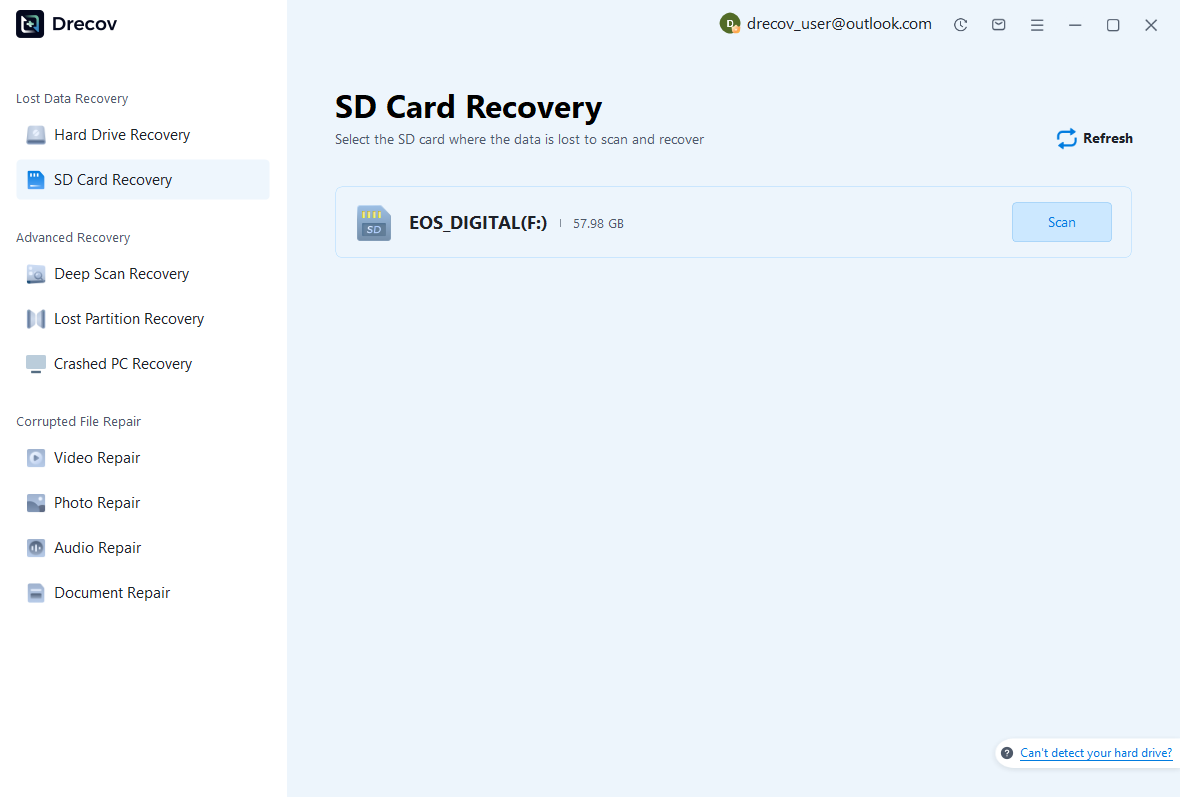
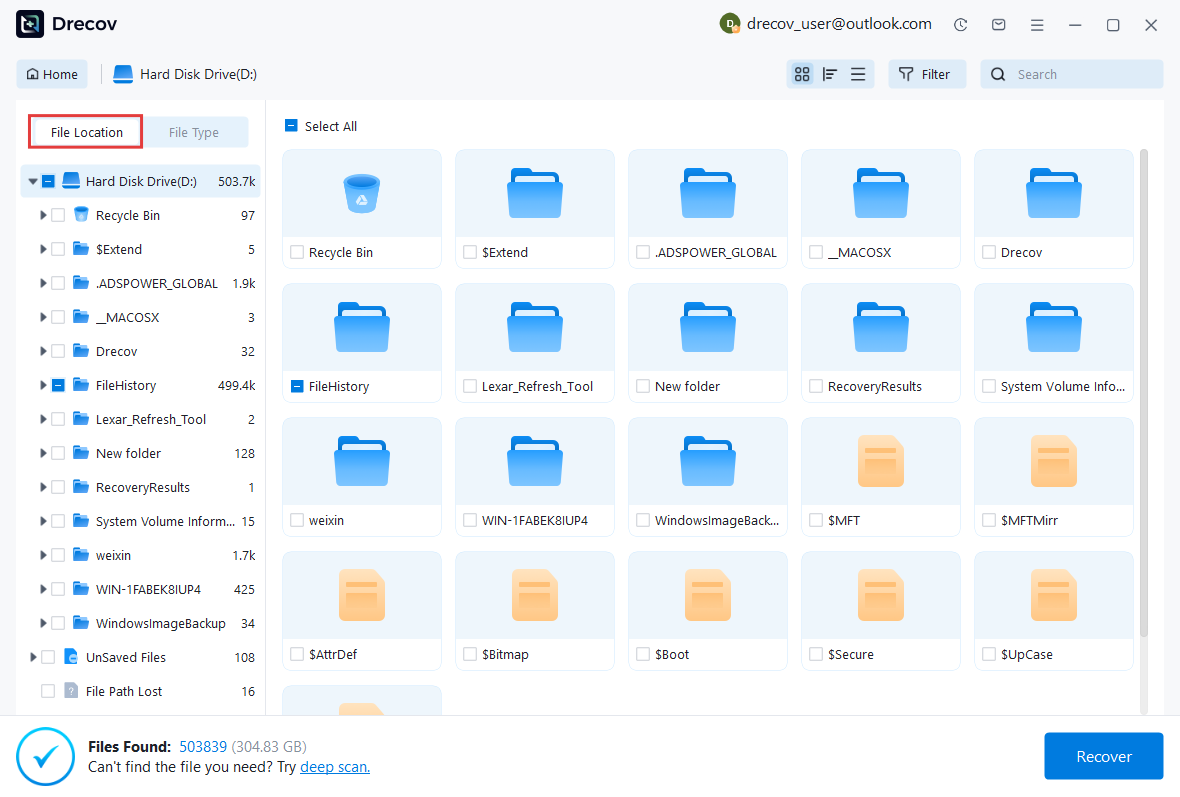
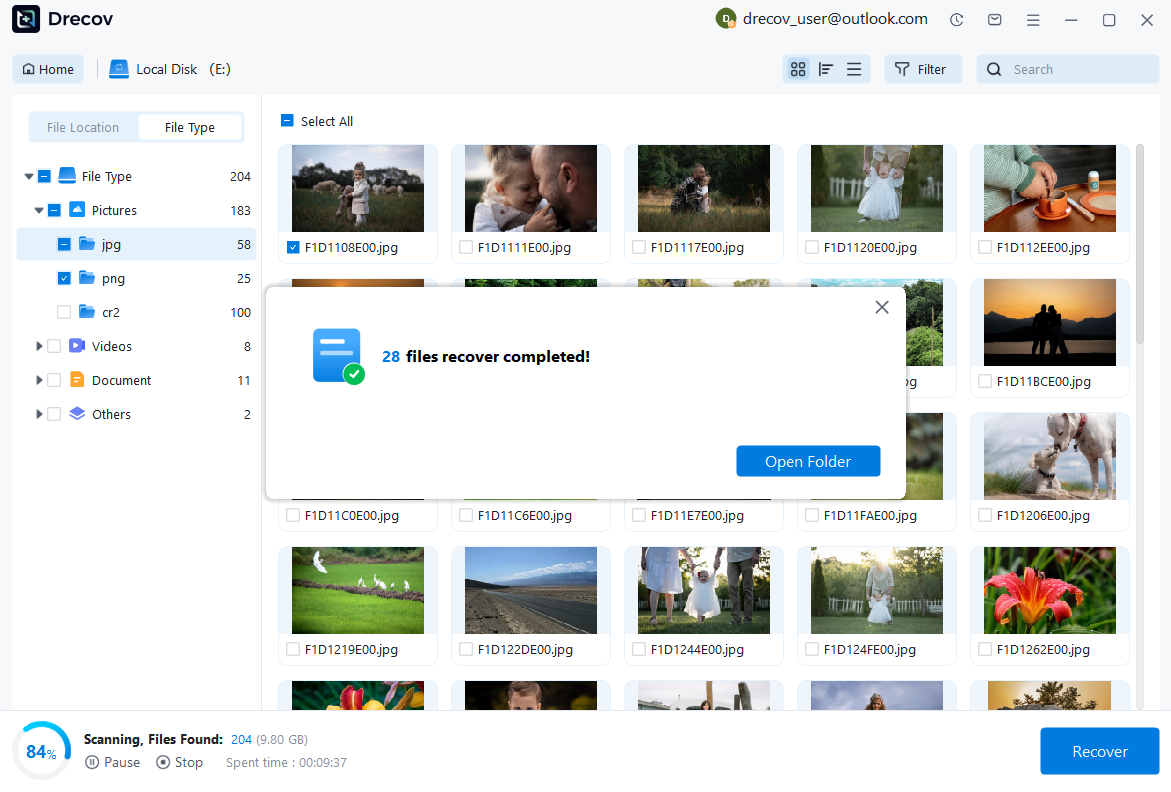
One such tool is Pandaoffice Drecov, which is used for scanning damaged storage devices, recovering lost files, and assisting in system recovery scenarios. It can be particularly useful when a system fails to boot even after using the lenovo laptop boot menu key or USB recovery options.
In real-world scenarios, users often rely on such tools when their system is stuck in a boot loop or when important files need to be recovered before reinstalling the OS. While it does not replace BIOS or boot menu functionality, it serves as a supplementary recovery solution.
Why Choose PandaOffice Drecov Recovery Software?
PandaOffice Drecov offers a fast, secure, and user-friendly solution for recovering lost files across multiple scenarios. Whether you need email recovery, ZIP File Recovery, format data recovery, or help to recover deleted drafts Outlook, the software provides reliable recovery performance for both personal and business users.
PandaOffice Drecov supports recovery from formatted hard drives, SSDs, USB drives, SD cards, and external storage devices. Its advanced scanning engine can locate deleted archives, damaged ZIP files, lost Outlook drafts, and accidentally removed documents with high accuracy. For users searching for how to find deleted messages in Teams, PandaOffice Drecov can also help recover exported chat files, attachments, and related local cache data when available.
Key advantages include:
- Deep scan technology for complex data loss situations
- Support for emails, archives, videos, photos, and office documents
- Recovery from accidental deletion, formatting, corruption, and system crashes
- Easy preview before restoring files
- Compatible with Windows and multiple storage devices
Unlike complicated enterprise recovery tools, PandaOffice Drecov keeps the recovery process simple. Users can scan, preview, and restore files in just a few steps without technical expertise.
Whether you are dealing with lost Outlook drafts, corrupted ZIP archives, formatted drives, or missing communication data, PandaOffice Drecov provides an efficient and practical recovery experience designed to minimize downtime and protect important files.
Test Environment
Lenovo Legion 5, Windows 10 corrupted system partition, external USB boot environment, secondary drive scan performed using recovery software.
⚠️ Warning: Always ensure data backup before performing system recovery or disk repair operations.
Frequently Asked Questions About Lenovo Boot Menu Key
The most commonly used lenovo thinkpad boot menu key is F12. Pressing it immediately after powering on the system will bring up the boot selection menu. Some models may require Fn + F12 depending on hotkey mode settings in BIOS.
Test Environment
ThinkPad T14 Gen 3, Windows 11 Pro, hotkey mode enabled/disabled comparison.
This usually happens due to Fast Boot being enabled or incorrect timing when pressing the key. In some cases, USB keyboards may not initialize quickly enough, especially on wireless setups.
Disabling Fast Boot or using a wired keyboard often resolves the issue and restores functionality of the boot menu key Lenovo.
Test Environment
Lenovo IdeaPad 5, Fast Boot ON vs OFF comparison, external wireless keyboard latency test.
The boot menu key itself cannot be reassigned, but BIOS settings can influence how it behaves. You can enable or disable hotkey mode, change boot order, or adjust startup delay settings to improve accessibility.
Is Boot Menu safe to use?
Yes, using the boot menu is completely safe. It does not modify system settings or affect installed files. It simply selects a temporary boot device for the current session.
Best Practices for Using Lenovo Boot Menu Keys
To ensure consistent access to the lenovo boot menu keys, users should follow a few best practices.
Always use a wired keyboard when possible, especially for desktop systems. This ensures immediate detection during startup. For laptops, make sure the internal keyboard is functioning properly.
Disable Fast Boot if you frequently use USB boot devices or recovery tools. This significantly improves detection reliability.
Keep BIOS updated to the latest version provided by Lenovo. Firmware updates often fix boot-related bugs and improve hardware compatibility.
Finally, practice timing when pressing F12. The boot menu window is short, so immediate action after powering on is essential.
Conclusion: Mastering Lenovo Boot Menu Key for Better System Control
Understanding the Lenovo boot menu key is essential for anyone who works with system installation, troubleshooting, or data recovery. Whether you are using a ThinkPad, IdeaPad, Yoga, or desktop PC, knowing the correct key and method ensures quick access to boot options when you need them most.
Most Lenovo systems rely on F12 as the primary boot menu key, but variations exist depending on hardware generation and configuration. When issues occur, they are usually caused by BIOS settings such as Fast Boot or keyboard detection timing rather than hardware failure.
By combining correct key usage with BIOS adjustments and recovery tools when needed, users can reliably control system startup behavior and resolve most boot-related problems efficiently.
In modern computing environments, mastering the lenovo boot menu key is not just a technical skill—it is a fundamental troubleshooting capability that saves time and prevents data loss.






