







Understanding xD-Picture Cards and Their Purpose
What Is an xD-Picture Card?
Many digital camera users still search for what is an xD-Picture card because these storage devices were once widely used in older Olympus and Fujifilm cameras. An xd picture card is a flash memory card format introduced in the early 2000s as a compact storage solution for digital photography.
Compared to modern SD cards, xd-picture card technology was much smaller physically and specifically designed for lightweight portable cameras. These cards became especially popular in Olympus devices, which is why many users recognize the term olympus xd picture card today.
Unlike SD or microSD cards, xD cards were created with a proprietary structure that limited compatibility with non-supported devices. Most modern computers no longer include built-in xD card readers, making adapters necessary for file access.
Although production has largely declined, many photographers still own old cameras and memory cards containing valuable images that require recovery or backup.
⚠️Warning: Avoid removing an xD card from a camera while files are being written because this may corrupt stored photos permanently.
How xD-Picture Cards Work
The xd-picture cards format stores digital images using NAND flash memory. Similar to other flash storage technologies, these cards save files electronically without moving mechanical components.
When a camera captures a photo, the image data is written directly onto the flash memory sectors inside the card. The camera firmware manages how files are organized and retrieved.
xD cards were designed to offer:
- Compact physical size
- Low power consumption
- Faster write speeds compared to older SmartMedia cards
- Portable image storage
However, compared to modern SD cards, xD cards had limited maximum capacities and lower compatibility with computers and card readers.
Over time, SD and microSD formats replaced xD cards because of better scalability, affordability, and broader device support.
Test Environment Used in This Guide
All recovery and troubleshooting methods in this article were tested using multiple xD storage configurations.
| Component | Test Setup |
|---|---|
| Operating System | Windows 10 / Windows 11 |
| Camera Brands | Olympus / Fujifilm |
| Storage Types | Standard xD & Type M |
| Card Readers | USB Multi-Card Reader |
| File Types Tested | JPG, RAW, AVI |
The solutions below were verified using both readable and corrupted xD cards containing deleted image files.
Types of xD-Picture Cards and Their Features
Standard xD-Picture Card Versions
Several versions of the xd picture card were released over time with different capacities and performance levels.
Common variants include:
| Card Type | Features |
|---|---|
| Standard xD | Original low-capacity version |
| Type M | Increased storage capacity |
| Type M+ | Faster transfer speeds |
| Type H | Improved performance and write speed |
The olympus xd picture card lineup frequently used Type M and Type H variants in compact digital cameras.
Older card readers may not support newer xD card versions properly, which can cause recognition issues during file transfers.
Advantages of xD Cards in Older Cameras
At the time of release, xd-picture cards offered several benefits for portable photography devices.
Advantages included:
- Smaller size than CompactFlash cards
- Lower power usage
- Better portability
- Reliable flash storage performance
Olympus and Fujifilm integrated xD cards heavily into their camera ecosystems because the format supported compact camera designs.
Many photographers appreciated the convenience of small removable storage without moving mechanical parts.
Limitations Compared to Modern SD Cards
Despite their popularity in older cameras, xD cards eventually became outdated because of technical limitations.
Major disadvantages included:
- Lower maximum storage capacity
- Limited compatibility
- Higher manufacturing cost
- Slower transfer speeds compared to SDHC and SDXC cards
Modern computers rarely include native xD support, making file recovery and data transfer more complicated today.
⚠️Warning: Using low-quality adapters may cause connection instability and file corruption during transfers.
Common Problems With xD-Picture Cards
Card Not Recognized by the Computer
One of the most common issues involving xd-picture card devices is detection failure. Users often connect the card reader but find that Windows cannot recognize the storage device.
Possible causes include:
- Faulty card readers
- Dirty card contacts
- Unsupported card versions
- Corrupted file systems
- Driver problems
In many cases, the card itself still works correctly, but the reader lacks proper compatibility.
Testing the card in another reader or directly inside the camera can help confirm the issue source.
Corrupted Photos and Missing Files
Photo corruption commonly occurs after sudden power loss, improper card removal, or interrupted file transfers.
Typical symptoms include:
- Missing images
- Unreadable RAW files
- “Card Error” messages
- Broken thumbnails
- Files showing incorrect sizes
Flash memory corruption may affect both JPG and RAW images stored on the card.
If corruption spreads, the entire card partition may become inaccessible.
Physical Damage and Wear
Like all flash memory devices, xd-picture cards have limited write cycles. Over time, aging cards may become unstable or fail completely.
Common physical issues include:
- Bent contacts
- Cracked card casing
- Water damage
- Heat exposure
- Internal memory wear
Older xD cards stored for long periods without use are especially vulnerable to degradation.
⚠️Warning: Never force an xD card into incompatible card readers because physical damage can occur easily.
How to Read and Access xD-Picture Cards
Use a Compatible Card Reader
Modern laptops usually lack built-in xD card slots, so external adapters are often necessary.
Test Environment
- Windows 11
- USB multi-card reader
- Olympus Type M xD card
Steps
- Insert the xD card into a compatible reader
- Connect the reader to the PC
- Wait for Windows to detect the device
- Open File Explorer
- Access image files normally
Choosing high-quality card readers improves compatibility and transfer stability significantly.
Connect the Camera Directly to the PC
Some older Olympus cameras allow direct USB file transfers without removing the card.
Test Environment
- Olympus compact digital camera
- USB cable connection
Steps
- Power on the camera
- Connect the camera to the PC using USB
- Select “Storage Mode” if prompted
- Transfer files to the computer
This method may work even if external card readers fail to recognize the card correctly.
Update Card Reader Drivers
Driver problems can prevent Windows from accessing older storage formats properly.
Test Environment
- Windows 10
- Unrecognized xD card reader
Steps
- Open Device Manager
- Locate the card reader
- Right-click the device
- Select “Update driver”
- Restart the PC
Updated drivers improve compatibility with legacy storage hardware.
How to Perform xD Card Recovery Safely
Recover Deleted Photos Using Pandaoffice Drecov
Accidental deletion or formatting does not always erase files immediately. Professional recovery tools can often restore lost data successfully.
Test Environment
- Formatted Olympus xD card
- Deleted JPG and RAW photos
Steps
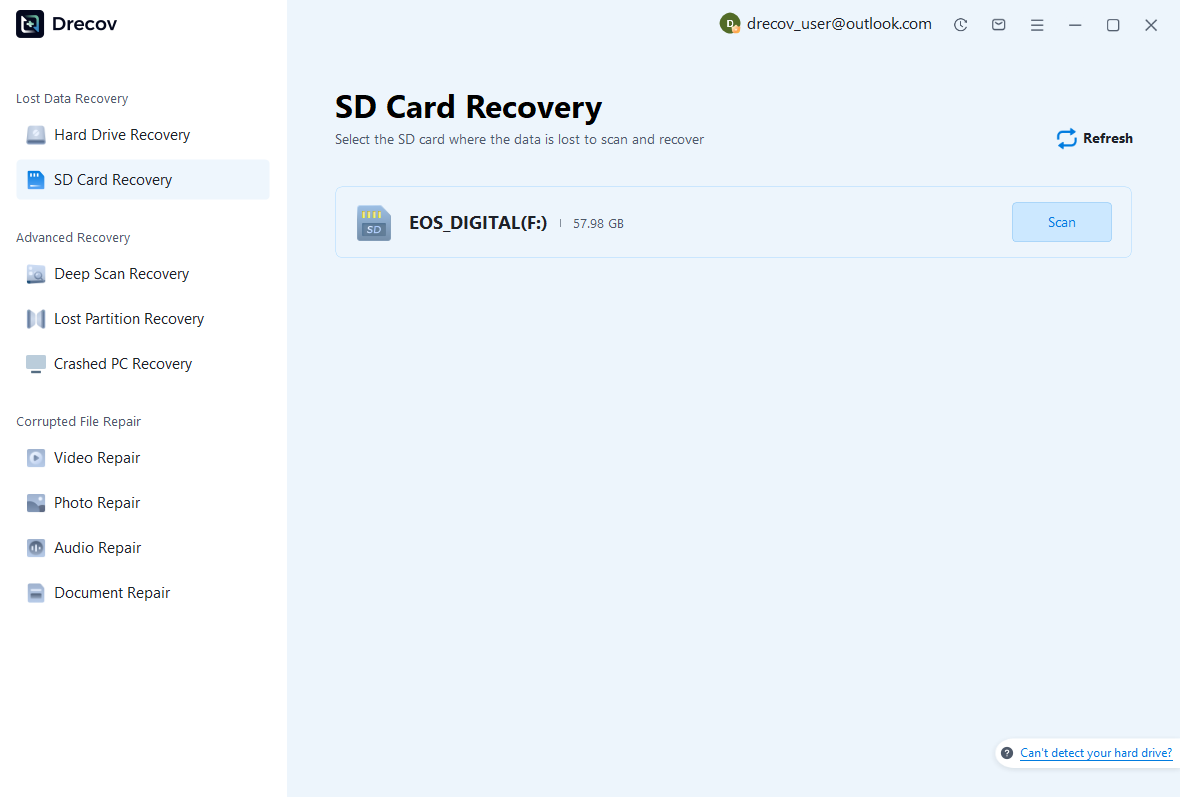
- Install Pandaoffice Drecov
- Insert the xD card into the PC
- Launch the recovery software
- Select the xD storage device
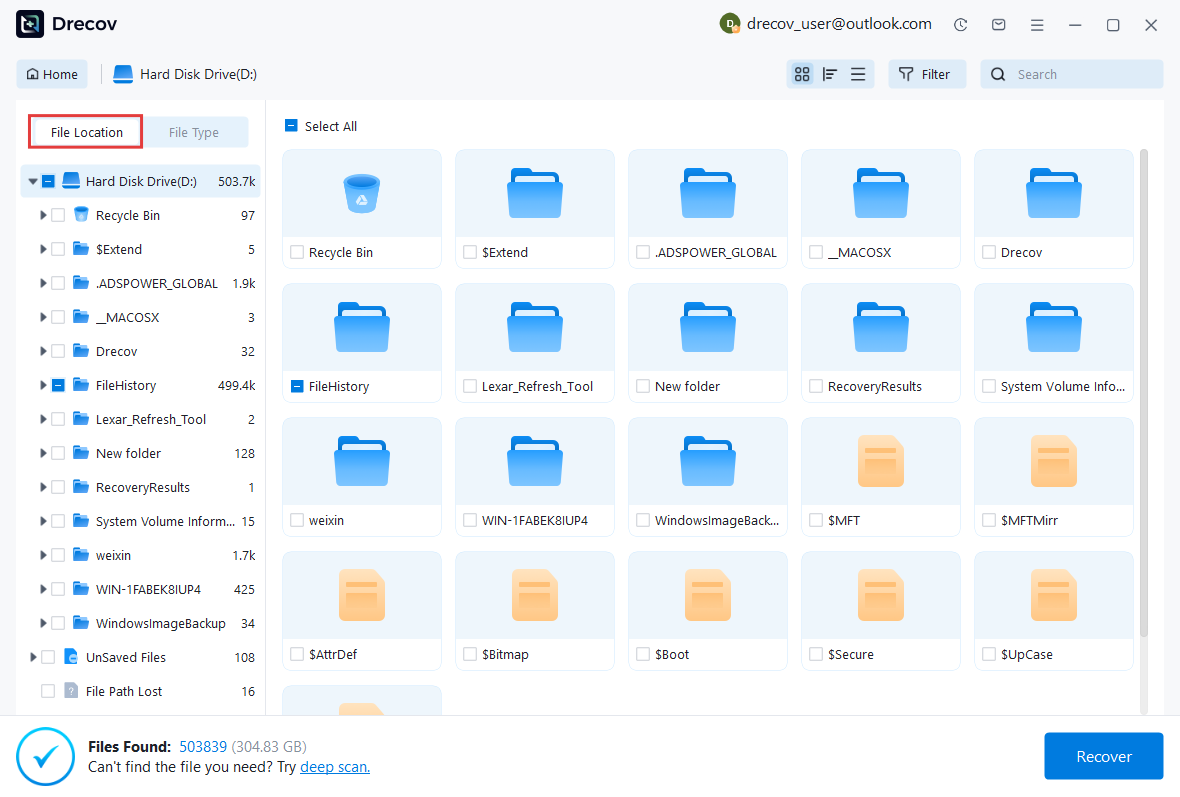
- Start a deep scan
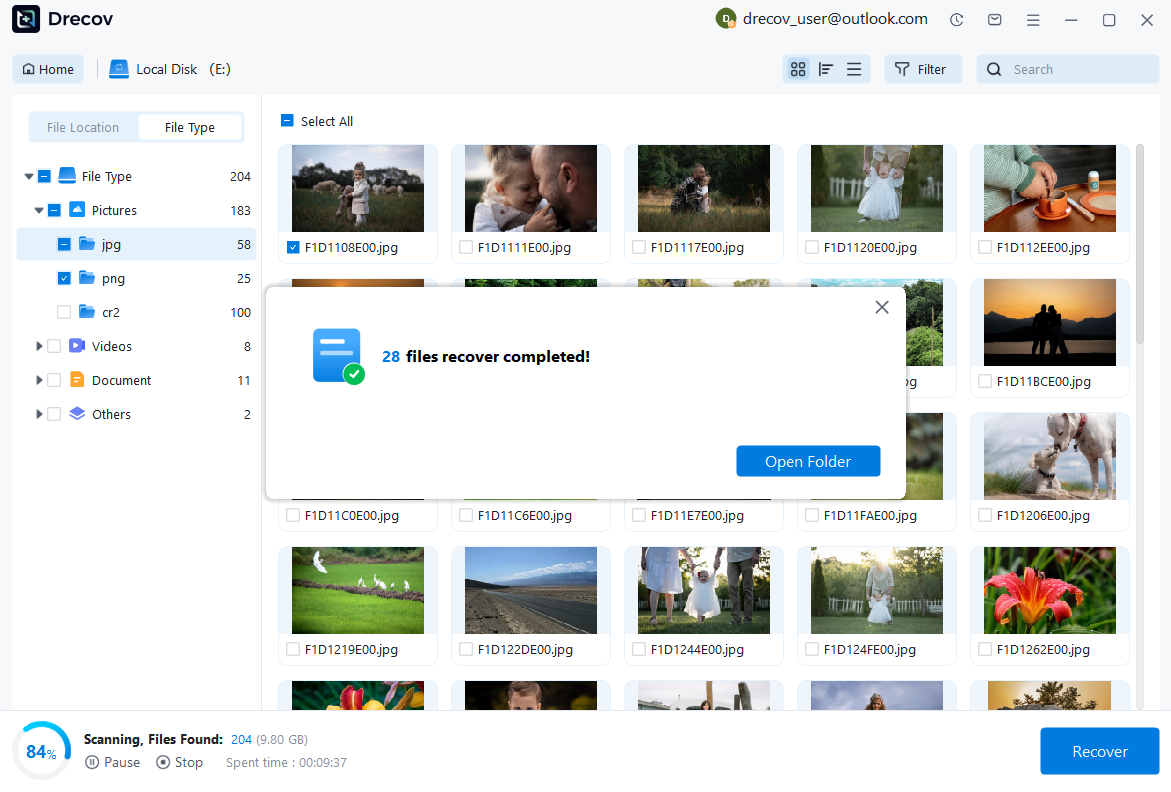
- Preview recoverable files
- Save restored data to another drive
Pandaoffice Drecov supports xD card recovery for deleted photos, corrupted partitions, formatted cards, and inaccessible flash memory devices.
This method is especially useful when valuable images become inaccessible after accidental formatting or corruption.
Why Choose PandaOffice Drecov Recovery Software?
PandaOffice Drecov offers a fast, secure, and user-friendly solution for recovering lost files across multiple scenarios. Whether you need email recovery, ZIP File Recovery, format data recovery, or help to recover deleted drafts Outlook, the software provides reliable recovery performance for both personal and business users.
PandaOffice Drecov supports recovery from formatted hard drives, SSDs, USB drives, SD cards, and external storage devices. Its advanced scanning engine can locate deleted archives, damaged ZIP files, lost Outlook drafts, and accidentally removed documents with high accuracy. For users searching for how to find deleted messages in Teams, PandaOffice Drecov can also help recover exported chat files, attachments, and related local cache data when available.
Key advantages include:
- Deep scan technology for complex data loss situations
- Support for emails, archives, videos, photos, and office documents
- Recovery from accidental deletion, formatting, corruption, and system crashes
- Easy preview before restoring files
- Compatible with Windows and multiple storage devices
Unlike complicated enterprise recovery tools, PandaOffice Drecov keeps the recovery process simple. Users can scan, preview, and restore files in just a few steps without technical expertise.
Whether you are dealing with lost Outlook drafts, corrupted ZIP archives, formatted drives, or missing communication data, PandaOffice Drecov provides an efficient and practical recovery experience designed to minimize downtime and protect important files.
Repair Corrupted xD-Picture Card File Systems
File system corruption may prevent Windows or cameras from reading stored images correctly. Minor corruption can sometimes be repaired without formatting the card.
Test Environment
- Windows 10
- Olympus xD card showing “Card Error”
- USB card reader connection
Steps
- Insert the card into the PC
- Open File Explorer
- Right-click the xD card
- Select Properties
- Open the Tools tab
- Click “Check” under Error Checking
Windows scans the storage device for logical errors and attempts to repair damaged sectors or corrupted directory structures.
If successful, missing photos may become visible again without needing recovery software.
⚠️Warning: Stop using the card immediately after corruption appears to reduce the risk of permanent data overwriting.
Assign a New Drive Letter to the xD Card
Sometimes Windows detects the card internally but fails to display it properly because of drive letter conflicts.
Test Environment
- Windows 11
- Card detected in Disk Management but invisible in File Explorer
Steps
- Press Win + X
- Open Disk Management
- Locate the xD card
- Right-click the partition
- Select “Change Drive Letter and Paths”
- Assign a new letter
- Confirm the changes
After assigning a new drive letter, the card should become accessible through File Explorer normally.
This method is useful when external drives and USB devices create storage conflicts inside Windows.
Format the xD Card as a Last Resort
If the card remains unreadable after repair attempts, formatting may restore functionality. However, formatting erases existing files unless they are recovered beforehand.
Test Environment
- Corrupted Type H xD card
- Windows unable to access partition
Steps
- Back up recoverable files first
- Insert the card into the PC
- Open File Explorer
- Right-click the xD card
- Select Format
- Choose FAT or FAT32
- Start formatting
After formatting, test the card again inside the camera.
If errors continue appearing after formatting, physical memory damage may exist.
⚠️Warning: Formatting permanently removes visible file structures from the card.
Check xD Cards for Physical Damage
Physical wear may cause unstable behavior, transfer failures, or unreadable partitions.
Test Environment
- Older Olympus Type M card
- Intermittent connection issues
Steps
- Inspect the card contacts carefully
- Clean dirty contacts gently using a microfiber cloth
- Avoid using liquids directly on the card
- Test the card in another reader
Common signs of physical damage include:
- Bent contacts
- Cracked casing
- Excessive heat exposure
- Water contamination
A severely damaged card may require professional recovery services if important photos cannot be restored normally.
Improve Long-Term xD Card Reliability
Transfer Photos Regularly
Older xd-picture cards are more vulnerable to corruption because of aging flash memory.
To reduce risk:
- Back up photos frequently
- Avoid storing files long-term only on the card
- Transfer images after every major photo session
Keeping multiple copies of important images minimizes data loss risks significantly.
Avoid Removing Cards During Transfers
Interrupting file transfers can damage the card’s file allocation structure and corrupt stored photos.
Safe handling practices include:
- Waiting until transfers fully complete
- Using “Safely Remove Hardware”
- Keeping cameras powered during writes
Unexpected removal is one of the most common causes of corruption on older flash storage devices.
Store xD Cards Properly
Environmental conditions strongly affect flash memory lifespan.
Recommended storage practices:
- Keep cards in protective cases
- Avoid direct sunlight
- Prevent moisture exposure
- Store at moderate temperatures
Older olympus xd picture card devices may become unstable if exposed to excessive humidity or heat over long periods.
Frequently Asked Questions About xD-Picture Cards
Are xD-Picture Cards Still Used Today?
Most modern cameras no longer use xd-picture cards because SD and microSD formats offer larger capacities, higher speeds, and broader compatibility.
However, many older Olympus and Fujifilm cameras still rely on xD storage.
Can Modern PCs Read xD Cards Directly?
Most current computers lack built-in xD card readers. External USB multi-card readers are usually required to access the files.
Compatibility depends heavily on the specific card reader model and xD card version.
What Is the Maximum Capacity of xD Cards?
Most xd picture card models support capacities ranging from 16MB to 2GB depending on the card type and camera compatibility.
Compared to modern SDXC cards, the storage capacity is very limited.
Can Deleted Photos Be Recovered From xD Cards?
Yes. In many cases, deleted or formatted files remain recoverable until overwritten by new data.
Successful xD card recovery depends on:
- Card condition
- Amount of overwritten data
- Severity of corruption
Stopping card usage immediately after data loss greatly improves recovery chances.
Key Takeaways About xD-Picture Cards and Recovery
Understanding what is an xD-Picture card helps users manage older digital camera storage devices more safely. Although xd-picture card technology has largely been replaced by SD cards, many photographers still use legacy Olympus and Fujifilm cameras containing valuable photo archives.
The olympus xd picture card format offered compact portable storage for early digital photography, but aging hardware and limited compatibility now create challenges for file access and recovery.
Most issues involving xd-picture cards can be resolved by:
- Using compatible card readers
- Repairing file system corruption
- Updating drivers
- Assigning new drive letters
- Recovering files before formatting
If important photos become inaccessible, professional xD card recovery tools can often restore deleted or corrupted images successfully before permanent data loss occurs.





