







Data Recovery Application For Android: Best Recovery Options And Safe Steps helps when users need to evaluate Android recovery apps, desktop tools, cloud restore, and card-reader recovery before choosing a method. The safest recovery plan does not start with a reset. It starts with checking access, confirming where Android stored the files, and choosing a method that protects the original storage.
The primary keyword for this article is data recovery application for android. The article uses that phrase naturally because the search intent is practical: users want to know which recovery option can solve their exact Android data problem without damaging the files that may still be recoverable.
Before You Use Any Android Recovery Tool
Stop using the phone as soon as you notice missing files. New downloads, app updates, photos, videos, and cache files can overwrite deleted data. If the phone uses a microSD card, power off the phone before removing the card when possible. Use a card reader instead of the damaged phone port if the card contains the missing files.
A data recovery application for Android can help with simple cases, but installing apps on the same phone can overwrite deleted files. Desktop scanning is often safer for removable cards. Before using software, check Google Photos, Google Drive, Samsung Cloud, OneDrive, WhatsApp, Telegram, and any app that might sync media. A backup restore is often safer than scanning the same storage repeatedly.
Warning: Do not factory reset, format, initialize, or flash the Android phone before recovery. These actions may remove file indexes, destroy app data, or make encrypted internal storage impossible to access.
How A Data Recovery Application For Android Should Work
Method 1: Restore Files From Android Backups First
Backup restore should come before recovery software because it avoids writing new data to the phone. Many Android users already have copies of photos, contacts, app data, and documents in cloud accounts, even if they do not remember turning sync on.
Best For: Users who synced photos, contacts, app data, or messages before deletion or device damage.
Tool Used: Google Account, Samsung Cloud, Google Photos, Google Drive, OneDrive, and app backup settings.
Steps
- Sign in to the Google or Samsung account used on the Android phone.
- Open Google Photos and check Photos, Albums, Archive, Locked Folder, and Trash.
- Open Google Drive and check backups, shared folders, and app-created folders.
- Check Samsung Cloud, OneDrive, or Smart Switch if the phone is a Samsung model.
- Open messaging apps on a computer or another phone to check media sync.
- Download important files to a computer and create a second backup.
What To Do If It Fails: Confirm the account. Many users have more than one Google account, and the backup may belong to another login.
Risk Level: Low. Backup restore does not modify the original phone storage.
Method 2: Copy Android Files Directly By USB
Direct USB copy works when the phone still starts, unlocks, and allows file transfer. This method is often faster than scanning because it copies visible files directly from Android storage.
Best For: Phones that still unlock and show folders normally.
Tool Used: Windows File Explorer, Android File Transfer, or Samsung Smart Switch.
Steps
- Unlock the Android phone.
- Connect the phone to the computer with a USB data cable.
- Select File Transfer or Transferring Files on the phone.
- Open the phone storage from the computer.
- Copy DCIM, Pictures, Download, Documents, Movies, and app media folders.
- Open several copied files to confirm the backup worked.
What To Do If It Fails: Try another cable and USB port. If the phone only charges, unlock it again and choose File Transfer from the USB notification.
Risk Level: Low. This method copies data without scanning or repairing storage.
Method 3: Use OTG Or External Display For Broken Screens
If the screen is cracked, black, or unresponsive, file recovery may still work if the phone powers on. OTG control and external display output can help you unlock the phone and approve file transfer.
Best For: Phones with damaged touch input, black display, or broken Samsung screen access.
Tool Used: USB-C hub, HDMI display, OTG adapter, mouse, and keyboard.
Steps
- Connect an OTG adapter and mouse if the display is visible but touch fails.
- Use the mouse pointer to unlock the phone.
- For supported USB-C phones, connect a hub to an external monitor.
- Attach a mouse and keyboard to control the phone on the monitor.
- Approve file transfer or open a cloud app to upload files.
- Copy important files before repair or reset.
What To Do If It Fails: Not every phone supports video output. A repair shop may need to connect a temporary screen without resetting the phone.
Risk Level: Low for data, medium for hardware compatibility.
Method 4: Recover Android Files With PandaOffice Drecov
Use this method when files are missing from a readable Android SD card or copied folders are incomplete. PandaOffice Drecov appears only in this recovery section so the article stays focused on solving the data problem.
Best For: Deleted Android photos, videos, documents, app media, and removable storage files.
Tool Used: PandaOffice Drecov.
Test Environment:
Operating System: Windows 11
Device Type: Android microSD card or readable removable phone storage
File System: FAT32 / exFAT
Problem Scenario: Missing Android files before repair or reset
Tool Used: PandaOffice Drecov
Steps
- Connect the Android SD card or readable storage device to the computer.
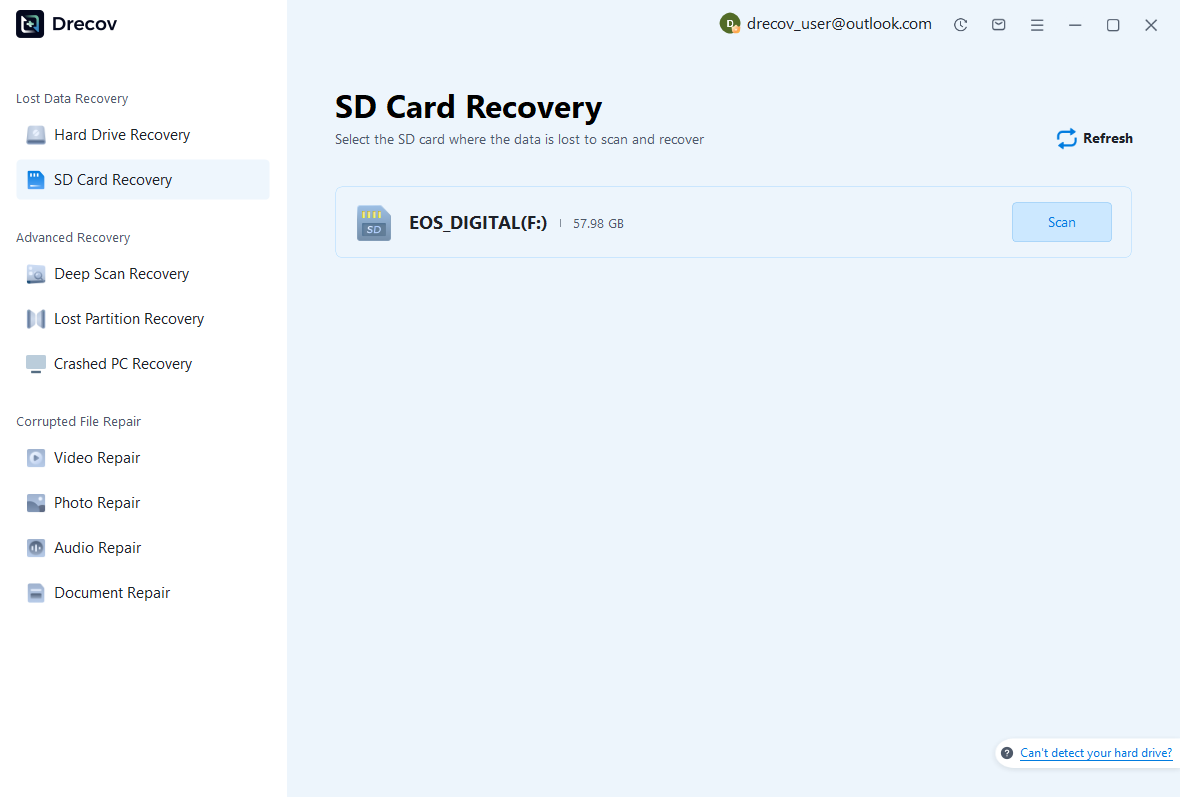
- Open PandaOffice Drecov and select the target storage device.
- Start the scan and wait for the quick scan and deep scan results.
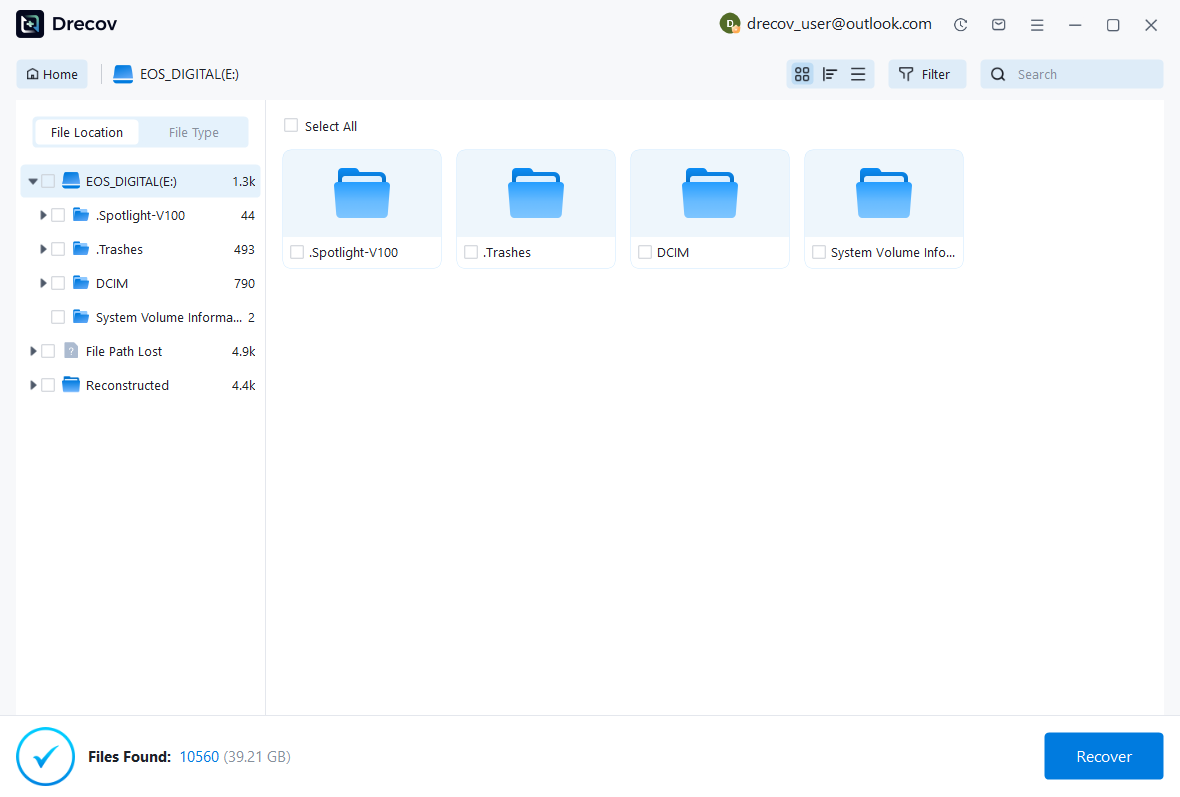
- Filter by photos, videos, documents, or the Android folder where the missing files belonged.
- Preview recoverable files before saving them.
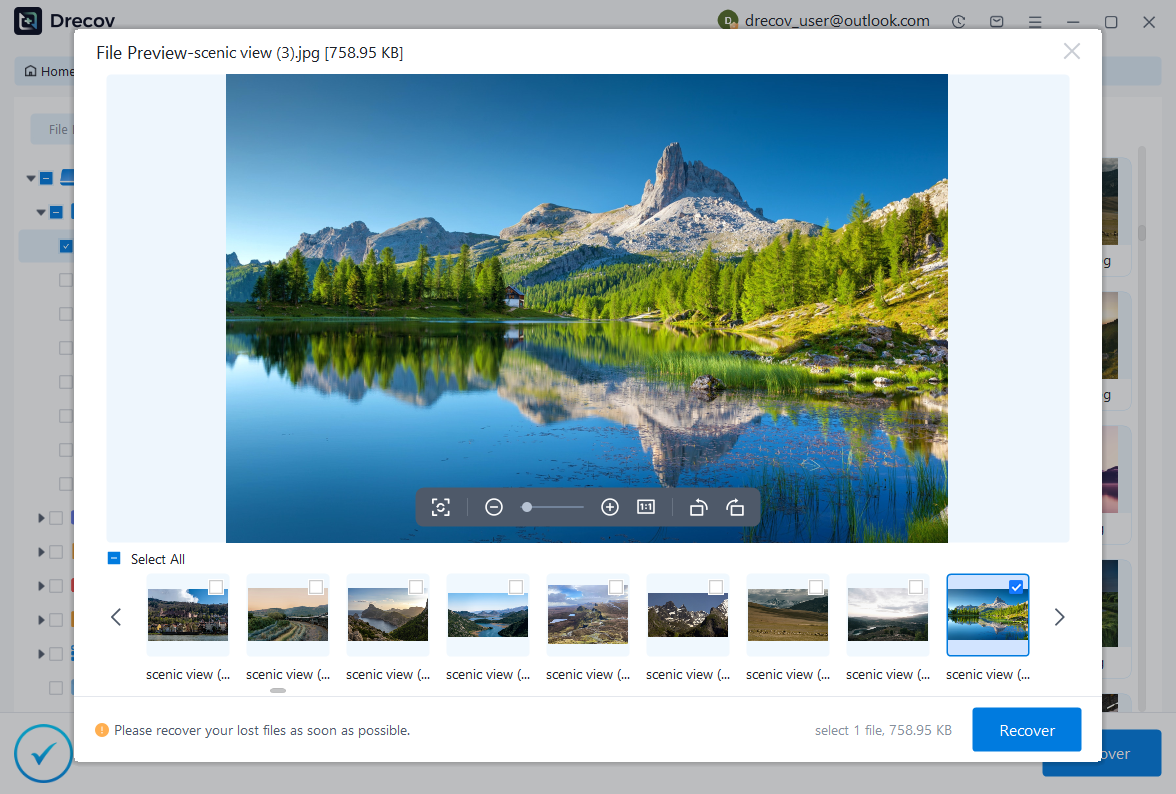
- Recover selected files to another healthy drive, not back to the original card.
What To Do If It Fails: If the files were in encrypted internal storage, regain phone access or use backups first. A scan cannot bypass Android encryption.
Risk Level: Low when recovered files are saved to another drive.
Method 5: Check App-Specific Recovery Paths
Some Android data does not live in normal folders. Messaging apps, social apps, note apps, and password-protected spaces often control their own backups and exports. Use the app’s official restore option before scanning random folders.
Best For: Chat media, drafts, app documents, downloaded social videos, and private folders.
Tool Used: App restore settings, account login, web version, and export tools.
Steps
- Open the app on a computer or replacement phone.
- Sign in with the same account used on the Android device.
- Check cloud sync, trash, archive, drafts, and export options.
- Download or export files to a computer.
- Back up exported files to a second location.
What To Do If It Fails: Check whether the app stores data only locally. If local storage matters, avoid uninstalling or resetting the original phone.
Risk Level: Low if you only check accounts and export files.
Related Recovery Guides
If the missing file is a social video or draft, this TikTok video recovery guide explains where to check app drafts, local storage, and cloud copies.
If you also lost a design project on your computer, this Illustrator file recovery guide gives a more specific workflow for creative files.
When recovered Android files need a safe backup location, make sure the destination drive works first. If a LaCie drive does not appear on Mac, use this LaCie hard drive not showing up on Mac guide before moving recovered data.
If your plan includes a Windows rollback or restore point, review how to restore a computer to an earlier date on Windows before changing system settings.
How To Avoid Choosing The Wrong Recovery Option
Do not choose software only because it promises a free scan. Start with the failure type. Deleted photos from an SD card, a locked Android phone, a broken Samsung screen, and missing app messages all need different recovery paths. The wrong method wastes time and can create new writes to the storage.
Also avoid installing several recovery apps onto the same Android phone. If the deleted files are on internal storage, every new app can overwrite recoverable space. If the files are on a card, remove the card and scan it from a computer instead.
When comparing tools, look for clear storage selection, file preview, file-type filters, and the ability to save recovered files to another drive. Avoid any tool that asks you to format the device before recovery.
Pre-Recovery Checklist
Write down what you need before scanning. Prioritize photos, videos, contacts, messages, work documents, voice notes, and app exports. Less important files such as thumbnails, cache files, and app installers can wait until after the main recovery finishes.
Prepare a safe destination. Use a computer folder, external drive, or trusted cloud account. Do not save recovered files back to the Android card during the same session. This protects remaining recoverable files from accidental overwrite.
Keep the original phone or SD card unchanged for a few days after recovery. If you later notice a missing folder, the original storage may still contain recoverable data.
After-Recovery Verification
Open several recovered files before declaring success. Check a large photo, play a short video, open a document, and confirm that file names and dates still make sense. A folder may look complete while some files are only thumbnails or incomplete copies.
Create two backups after recovery. Keep one copy on your computer and another on a separate drive or cloud account. This small step prevents the same recovery problem from happening again.
How To Compare Android Recovery Options
Compare recovery options by the type of data loss, not by the biggest promise on the download page. A deleted Gallery photo, a missing WhatsApp attachment, a damaged Samsung screen, and a corrupted SD card all need different recovery paths. The best option is the one that touches the original storage the least while giving you a real chance to copy or preview files.
Look for four practical signs before trusting a recovery workflow. First, the method should explain which storage source it scans. Second, it should allow preview when possible. Third, it should save recovered files to another drive. Fourth, it should warn you before formatting, resetting, or writing new data. These details matter more than broad claims about recovering every Android file.
Free tools and trial scans can help you check whether files appear, but they do not remove Android encryption limits. If the phone cannot unlock and the missing files sit in internal storage, the unlock method, screen access, and backups become more important than scanning. If the files sit on a microSD card, a desktop scan through a card reader usually gives a cleaner recovery path.
When You Should Stop And Ask For Repair Help
Stop software recovery if the phone overheats, smells unusual, restarts constantly, or has a swollen battery. These signs point to hardware risk. Continuing to test the phone can damage the board, battery, port, or storage connection. In that situation, tell a repair shop that data recovery matters more than reinstalling the system.
Repair help also makes sense when you cannot approve USB file transfer because the screen is black. A temporary screen connection may let you unlock the phone, approve file transfer, open Secure Folder, or export app data. Ask the technician not to factory reset the phone and not to flash firmware before you confirm a backup.
If the phone fell into water, avoid repeated charging attempts. Corrosion can spread, and each power attempt may create new damage. Drying the outside of the phone does not guarantee that the board is safe. Professional inspection gives you a better chance to preserve storage access.
How To Protect Recovered Files After The Scan
After recovery, organize files before deleting anything from the source. Sort photos and videos by date and size. Full-resolution photos usually have larger file sizes than thumbnails. Videos should play for more than a few seconds. Documents should open in the correct app. This review helps you separate useful files from cache, previews, and duplicates.
Create a simple folder structure on the computer: Photos, Videos, Documents, Messages, App Exports, and Unsure. Put questionable files in Unsure instead of deleting them quickly. Some recovered files may lose their original names, so sorting by file type and preview status is safer than relying only on folder names.
Finally, create two backups. Keep one local copy and one copy on another drive or trusted cloud service. Recovery is stressful once; it should not become a repeated workflow. A second backup protects the recovered files if the original phone, SD card, repair process, or computer fails later.
Final Safety Notes Before Publishing Or Repair
Before you hand the phone to another person, remove the SD card if the files are already copied and the card is not needed for testing. Keep passwords, recovery codes, and account access under your control. If a technician needs the unlock code, ask why and confirm that the device will not be reset.
For business or client files, record the recovery date, storage source, and destination folder. This simple note helps you track which copy is final and prevents confusion if several recovery attempts create duplicate folders.
Publish only after checking the copied article, image display, internal links, and metadata in WordPress preview.
FAQ
Can Android Recovery Software Recover Internal Storage?
Sometimes, but modern Android encryption limits internal storage recovery when the phone cannot unlock. Backups, screen access, and app sync often matter more than scanning.
Can I Recover Deleted Android Pictures After A Factory Reset?
Usually not from encrypted internal storage. Check Google Photos, Samsung Cloud, app backups, and removable SD cards instead.
Should I Root The Phone For Recovery?
Rooting is risky for normal users. It can weaken security, change storage, and overwrite data. Try backup restore, USB transfer, and SD card recovery first.
Where Should I Save Recovered Android Files?
Save them to a computer, external drive, or cloud folder. Do not save them back to the same phone storage or SD card during recovery.
Conclusion
Data Recovery Application For Android: Best Recovery Options And Safe Steps should start with careful diagnosis. Check backups, copy visible files, restore screen access if needed, and scan removable storage only when normal access fails. A recovery-first workflow protects Android files before repair, reset, or formatting creates new risk.





