







If files or pictures are missing on Android, they may still exist. A file manager setting may hide them, a private album may contain them, a .nomedia file may block them from Gallery, cloud sync may archive them, or an app may keep them in its own folder. Learning how to view hidden files on android helps you confirm what still exists before you try recovery.
This guide explains how to view hidden files, how to view hidden pictures on Android, and what to do if the phone will not let you delete pictures or access files normally. It also clarifies when unrelated issues such as no volume on YouTube Android need separate handling from data recovery.
Why Android Files May Be Hidden
Android uses hidden files and restricted folders to keep apps and system functions stable. A folder that contains a .nomedia file will not appear in many gallery apps. Some photo apps also include Archive, Locked Folder, Hide Album, or Secure Folder features. In other cases, the files are not hidden; another app folder stores them or cloud account.
If your phone says it cannot delete pictures, the issue may involve sync, permissions, read-only SD card errors, or a damaged media database. Viewing hidden files can help you understand where Android stores the pictures before you delete, move, or recover them.
Warning: Do not remove Android system files to free space unless you know exactly what they are. Deleting app data folders can cause app data loss.
Before You View or Change Hidden Files
Back up important files before renaming folders, deleting .nomedia files, or moving app data. If you are working with an SD card, copy the card contents to a computer first. If the missing pictures are valuable, avoid taking new photos or downloading new files until you know whether you need recovery.
Use the correct account when checking cloud services. Google Photos, Samsung Gallery sync, OneDrive, and app backups may each store different copies of your media.
Before you delete or move hidden files, confirm whether they are originals or previews. Android folders may contain thumbnails that look like your photos but are only small cached versions. Full-size files are usually larger, have clearer previews, and often keep the original date or camera naming pattern.
If the phone uses an SD card, check whether Android mounts the card correctly. A loose card, read-only card, or damaged file system can make pictures vanish, reappear, or refuse to delete. Copy important files before running repair tools or formatting the card. If the same kind of visibility issue happens with an external Mac backup drive, this guide to fixing a LaCie hard drive that is not showing up on Mac is a useful reference.
How to View Hidden Files on Android
Method 1: Turn On Show Hidden Files
This is the quickest method for viewing hidden folders and files directly on the phone. The exact setting name varies by Android brand, but it is usually inside the file manager settings.
Best for: Hidden folders, dot files, downloads, and files not shown in basic view.
Tool used: Android Files app, Samsung My Files, or built-in file manager.
Test Environment:
Operating System: Android 13
Device Type: Android phone with working screen
File System: Internal storage and SD card
Problem Scenario: User cannot view hidden downloads and pictures
Tool Used: Built-in file manager
Steps
- Open the phone’s file manager.
- Tap the menu or three-dot icon.
- Open Settings.
- Enable Show hidden files or Show system files.
- Browse Internal Storage and SD card folders.
- Copy important hidden files to a visible folder before editing them.
What to do if it fails: Try another trusted file manager or connect the phone to a computer. Some folders remain restricted on newer Android versions.
Risk level: Low if you only view and copy files.
Once hidden files are visible, review them carefully. Names beginning with a dot can be normal app data, while recognizable file names such as IMG_2026, Screenshot, VID, or exported document names are more likely to be personal files. Copy personal files first and leave unknown app files alone.
Method 2: View Hidden Pictures in Gallery and Google Photos
Hidden pictures may be in Archive, Locked Folder, Secure Folder, Gallery Trash, or a hidden album. These locations are often missed because they are not shown in the main photo timeline.
Best for: Users searching how to view hidden pictures on Android.
Tool used: Gallery, Google Photos, Samsung Secure Folder, or similar privacy feature.
Test Environment:
Operating System: Android 14
Device Type: Android phone with gallery privacy features
File System: Internal storage with synced media
Problem Scenario: Photos hidden from main gallery view
Tool Used: Google Photos and Samsung Gallery
Steps
- Open Google Photos.
- Check Library, Archive, Locked Folder, and Trash.
- Open the default Gallery app and check Albums.
- Look for Hide albums, Select albums to show, or Private album settings.
- On Samsung phones, open Secure Folder and check Gallery and My Files inside it.
- Restore, move, or export the pictures you need.
What to do if it fails: Sign in with the correct Google or Samsung account. Hidden picture locations are account-specific.
Risk level: Low.
If the same picture appears in multiple places, check whether one copy is cloud-only and another stays stored locally. Deleting a synced photo in the wrong place may remove it from every connected device. Download a local backup before cleaning up duplicates.
Method 3: View Android Hidden Files on Windows
Windows can help you search Android folders by file type. This is useful when you do not know the exact folder, but you know whether you are looking for photos, videos, PDFs, or documents.
Best for: Searching many visible folders quickly.
Tool used: Windows File Explorer.
Test Environment:
Operating System: Windows 11
Device Type: Android phone connected by USB
File System: MTP-accessible storage
Problem Scenario: Pictures visible in one app but not another
Tool Used: File Explorer
Steps
- Unlock the Android phone.
- Connect it to the computer with a USB data cable.
- Select File Transfer on the phone.
- Open the phone under This PC.
- Search for extensions such as .jpg, .jpeg, .png, .mp4, .pdf, or .zip.
- Copy found files to the computer before deleting or moving anything on the phone.
What to do if it fails: If File Explorer shows no storage, unlock the phone and approve file transfer. If the screen is broken, use OTG or external display access first.
Risk level: Low.
Windows may not show every protected Android folder, but it is useful for locating user media. Search by extension and then sort results by date modified or size. This makes it easier to find recent camera files, large videos, and documents that sit deep inside app folders.
Method 4: Fix Pictures That Will Not Delete
If your phone wont let me delete pictures, the issue may be sync, SD card write protection, file permissions, or a gallery database error. Do not assume the files are hidden or damaged until you check where Android stores them.
Best for: Photos that reappear after deletion or resist deletion.
Tool used: Gallery, Google Photos, Files app, SD card adapter, and Windows error checking.
Test Environment:
Operating System: Android 13 and Windows 11
Device Type: Android phone with SD card
File System: Internal storage and exFAT SD card
Problem Scenario: Pictures reappear after deletion
Tool Used: Gallery, Google Photos, File Explorer
Steps
- Check whether Google Photos, OneDrive, or another cloud app syncs the pictures.
- Delete the pictures from the syncing app if the cloud copy is the source.
- Open Files and locate the actual folder that contains the picture.
- If the picture is on an SD card, remove the card and check the lock switch on the adapter.
- Connect the SD card to Windows and run drive error checking from Properties if the card behaves abnormally.
- After deleting, restart the phone and check whether the gallery database updates.
What to do if it fails: Back up the card, replace it if errors continue, and avoid formatting until important files are safe.
Risk level: Medium because deletion and repair actions can affect files. Back up first.
If photos keep returning after deletion, the source is often cloud sync. Open the sync app and confirm whether it restores the picture automatically. If the file is on an SD card and will not delete from any app, the card may be failing or locked in read-only mode.
Method 5: Recover Missing Hidden Files with PandaOffice Drecov
If hidden files or pictures no longer appear on an SD card, scan the storage before reusing it. PandaOffice Drecov can help recover supported file types from removable Android storage when files are missing or deleted.
Best for: Missing hidden photos, deleted SD card files, and files lost after a media folder error.
Tool used: PandaOffice Drecov.
Test Environment:
Operating System: Windows 11
Device Type: Android SD card connected through a card reader
File System: FAT32 / exFAT
Problem Scenario: Hidden pictures disappeared after gallery cleanup
Tool Used: PandaOffice Drecov
Steps
- Stop using the Android phone or SD card.
- Remove the SD card if you stored the missing files there.
- Connect the card to the computer with a card reader.
- Open PandaOffice Drecov and select the SD card. If you want the official desktop instructions while scanning, use the PandaOffice recovery guidance page.
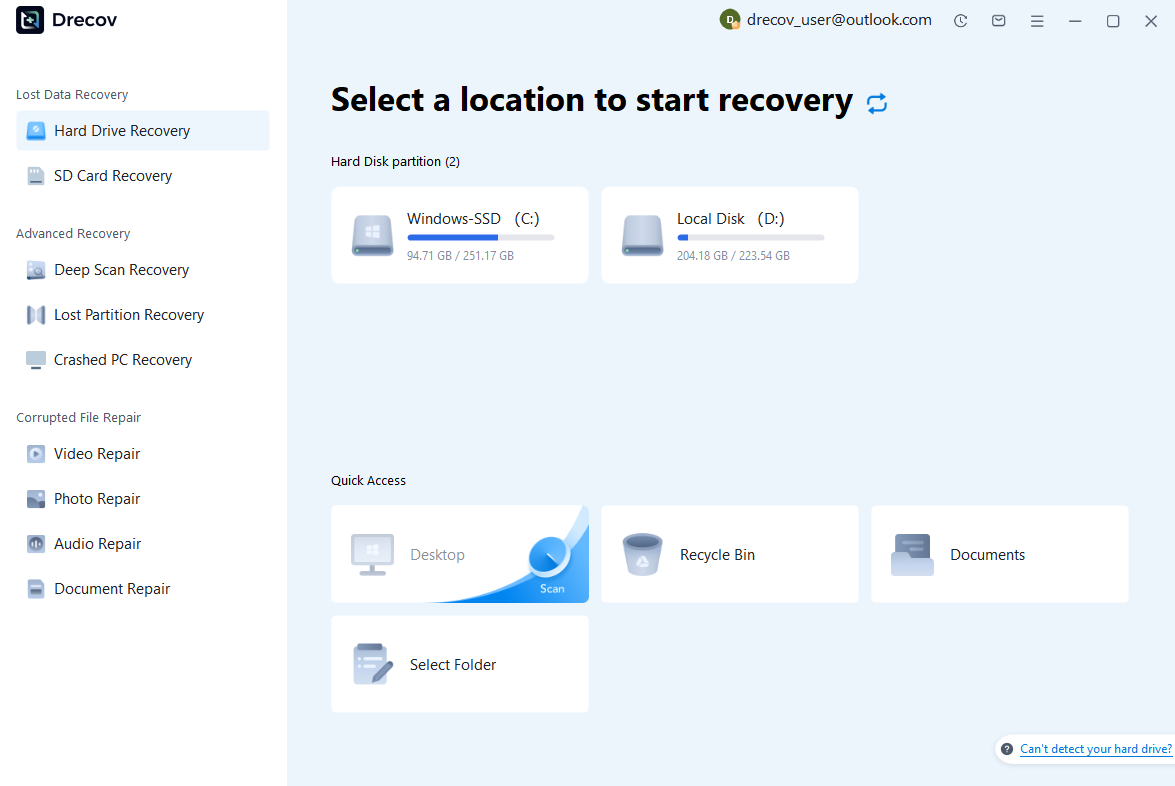
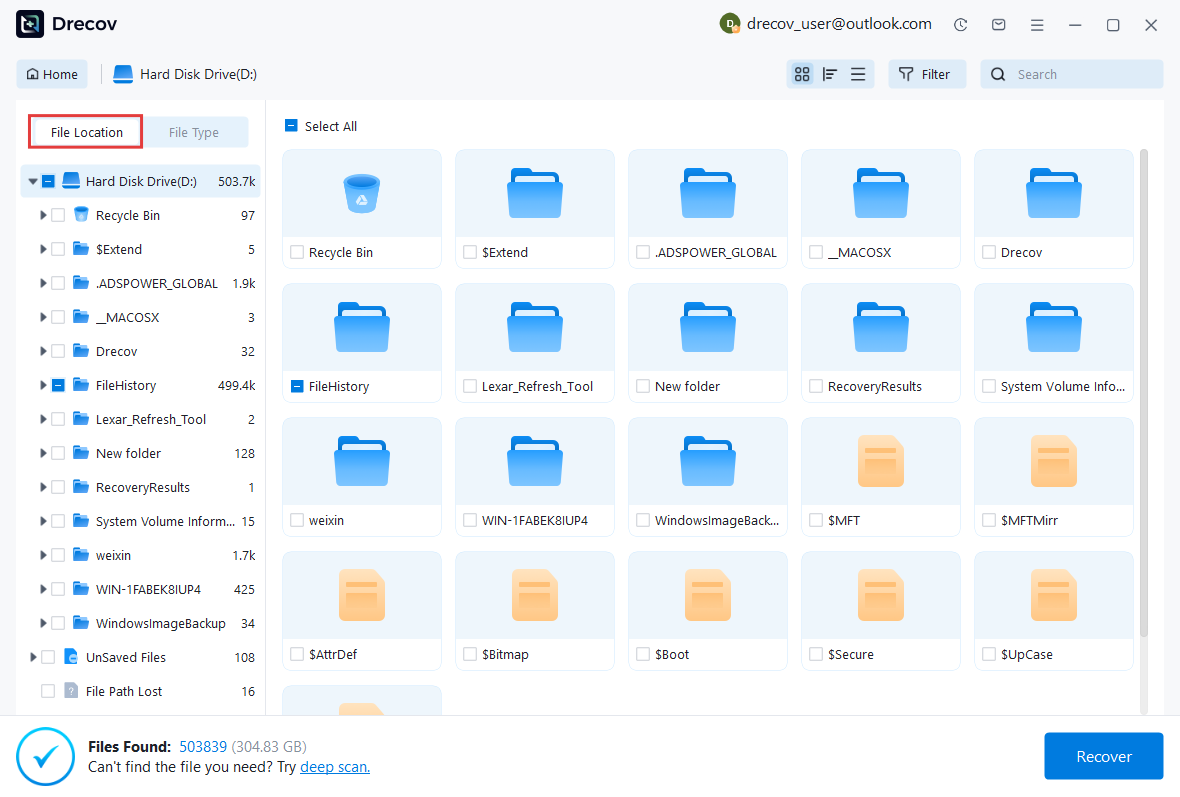
- Start a scan and filter results by file type.
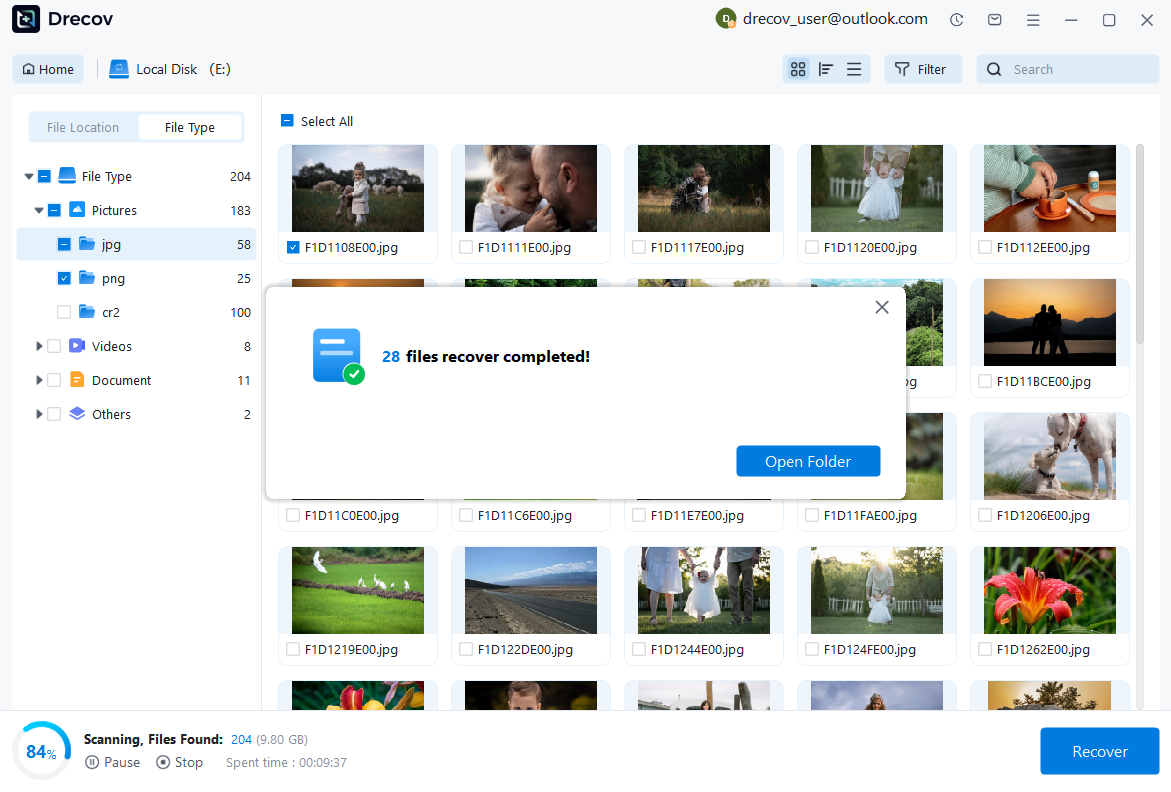
- Recover files to a different healthy drive, not the original card.
What to do if it fails: If the files were in internal encrypted storage, use phone access, cloud backup, or app restore options instead of SD card recovery.
Risk level: Low if you save recovered files elsewhere.
What If There Is No Volume on YouTube Android?
No volume on YouTube Android is usually an audio setting or app issue, not a hidden file issue. Check media volume, Bluetooth output, YouTube mute controls, Do Not Disturb, and app cache. Test sound in another app. If you dropped the phone and sound, display, and storage issues started together, back up important files before repair.
If sound issues appear after installing an app or connecting Bluetooth devices, disconnect Bluetooth, restart the phone, and test speaker audio again. This troubleshooting is separate from hidden files, but it is worth mentioning because users often discover multiple Android problems at the same time and need to decide which issue is urgent.
FAQ
Use the built-in file manager and enable Show hidden files in settings. On many phones, this is enough to reveal dot folders and hidden local files.
Only delete files you clearly recognize and no longer need. Hidden folders often support apps, galleries, downloads, and offline content. If storage space is the problem, back up personal files first and use Android’s built-in storage cleanup tools.
Why can I see pictures in Google Photos but not Gallery?
The pictures may live only in the cloud, sit in Archive, belong to a different account, or fail to appear because local media scanning skipped them. Download them or move them to a visible local folder if needed.
Only delete files you recognize. Hidden app and system files may help for normal Android or app behavior.
Sometimes, especially if they were on an SD card and have not been overwritten. Check Trash and backups first, then use recovery from supported removable storage if needed.
The file manager is revealing app and system folders that were previously hidden for clarity. You can view them, but you should only copy or edit files you recognize.
Back up camera photos, screenshots, downloaded documents, exported app files, and any media from private albums. Keep the backup on a computer, external drive, or cloud account separate from the phone.
An app may recreate cache files, sync may restore cloud media, or an SD card may enter read-only mode. Identify the source before deleting again. For synced pictures, remove the cloud copy only after saving a separate backup. If you plan to use a Windows restore point or system rollback, review how to restore a computer to an earlier date on Windows before changing system settings.
Viewing files is safe. Problems usually happen when users delete, rename, or move app and system files. Copy personal files first, leave unknown folders alone, and avoid cleanup apps that remove hidden data without explaining what they will delete.
The files may sit inside a restricted app folder, require account permission, or live on a failing SD card. Try exporting from the original app, copying through USB file transfer, or moving the files to a normal folder first. If the source is an SD card, copy what you can read before attempting repair.
Copy the important files to a computer, open a few samples, create a second backup, and only then clean up the phone. This order protects the data before you delete duplicates, remove .nomedia files, clear cache, or troubleshoot gallery sync problems.
Yes. Some apps include hidden media, offline files, or databases in their own backup system. Check the app’s backup and export settings before deleting local folders. A file that looks unnecessary in storage may still be part of a project, chat, or saved workspace.
Back up private or hidden pictures whenever they are important enough that losing them would matter. Use at least one location outside the phone, such as a computer, external drive, or secure cloud folder, so a broken screen or failed SD card does not become the only copy. Review that backup after major phone updates.
Conclusion
To view hidden files on Android, enable hidden-file display, check gallery privacy areas, search from a computer, and inspect sync or SD card problems carefully. If files are missing rather than hidden, stop using the storage and recover before formatting or saving new data. A steady, copy-first workflow helps you avoid turning a hidden-file problem into permanent data loss.





