







The steam deck recovery process is an effective way to solve many software-related problems on Valve’s handheld gaming device. Although Steam Deck is designed to provide a smooth gaming experience, users may still encounter issues such as boot failures, corrupted system files, failed updates, black screens, or problems caused by incorrect system modifications. In these situations, restoring the device with the official recovery tools can help bring the system back to a working condition.
Unlike traditional computers, Steam Deck does not include a built-in recovery partition like many Windows laptops. Instead, users need to prepare an external recovery drive with the official SteamOS image. This allows the device to start a separate repair environment even when the main operating system cannot load.
A steam deck recovery image contains the necessary SteamOS files required to reinstall or repair the system. By creating a bootable recovery drive, users can access the recovery environment, reinstall SteamOS, and troubleshoot startup problems. This guide explains the complete recovery process, including preparing a steam deck recovery image download, entering steam deck recovery mode, and following detailed steam deck recovery instructions to restore your device.
Before beginning any recovery operation, it is important to understand that different recovery options have different effects on stored data. Some methods may preserve personal files, while others may completely erase internal storage. Choosing the correct solution based on your situation can prevent unnecessary data loss.
⚠️Warning: Always back up important screenshots, saved files, and personal data before performing system recovery whenever possible.
What Is Steam Deck Recovery and When Should You Use It
Steam Deck recovery is a system repair process that allows users to restore SteamOS when the device experiences serious software problems. The recovery environment works independently from the normal Steam interface, which means users can access repair tools even when the operating system fails to start.
Many Steam Deck issues are caused by software errors rather than hardware damage. For example, interrupted system updates may leave important files incomplete, modified system settings may prevent normal startup, or corrupted partitions may stop SteamOS from loading correctly. In these situations, reinstalling or repairing the operating system through recovery tools can often solve the problem.
The recovery process is also useful when users want to return their Steam Deck to a clean system state. For example, if a device has been heavily customized with unofficial software, changing back to the original SteamOS environment may require a complete recovery.
However, recovery should not be considered a universal solution for every problem. If the internal SSD or external SD card has physical damage, reinstalling SteamOS may not fix the issue. In these cases, additional storage diagnosis or file recovery methods may be required.
Common Situations That Require Steam Deck Recovery
There are several situations where performing a recovery process can help restore normal Steam Deck operation. One of the most common problems is when the device becomes stuck during startup. Users may see the Steam logo repeatedly without reaching the main interface, which often indicates damaged system files or an incomplete update.
Another common reason is failed SteamOS updates. Although updates are designed to improve stability and add features, unexpected shutdowns, insufficient storage space, or connection interruptions during installation may cause system corruption.
Recovery may also be necessary after changing system configurations. Advanced users sometimes modify Steam Deck settings through desktop mode, install additional software, or adjust system files. Incorrect changes can occasionally affect normal operation.
Test Environment:
- Device model: Steam Deck LCD 512GB
- Operating system: SteamOS
- Problem tested: System stuck on boot screen
- Recovery method: External recovery USB drive
- Power source: Original Steam Deck charger
In these situations, preparing a recovery environment provides a reliable way to reinstall system components and restore the device without replacing the hardware.
Preparing the Steam Deck Recovery Image Before Restoration
A steam deck recovery image is an official system package that contains the files needed to create a recovery drive. This image allows Steam Deck to start from an external storage device and access repair options when the internal system cannot boot.
Before starting the recovery process, users need to prepare several items. A USB flash drive or external storage device is required to store the recovery files. The drive should have enough available space and should not contain important information because the preparation process will erase existing data.
A computer is also required to download and write the recovery image. Users can prepare the drive on Windows, macOS, or Linux systems by using a suitable image-writing tool. After the process finishes, the USB drive becomes a bootable recovery device that can start the Steam Deck recovery environment.
It is recommended to use a reliable USB drive because slow or unstable storage may increase recovery time or cause installation errors. Connecting the Steam Deck to a charger during recovery is also important because the installation process can take a significant amount of time.
⚠️Warning: Do not remove the recovery drive or disconnect power while SteamOS is being installed. Interrupting the process may create additional system problems.
Downloading and Creating a Bootable Steam Deck Recovery Drive
To begin, users need to complete the steam deck recovery image download process and save the recovery package to a computer. After downloading the image file, the next step is transferring it to a USB drive so the Steam Deck can recognize it during startup.
The writing process is different from simply copying files. The recovery image must be written directly to the storage device using an image creation utility. This creates the correct boot structure required by Steam Deck.
After creating the recovery drive, users should safely disconnect it from the computer and connect it to the Steam Deck through a USB-C adapter or docking station. The device will then be ready to enter the recovery environment.
Test Environment:
- Preparation computer: Windows 11 PC
- Steam Deck model: Steam Deck OLED 512GB
- Recovery storage: 32GB USB flash drive
- Connection method: USB-C hub
- Recovery image type: Official SteamOS recovery package
A properly prepared recovery drive is the foundation of successful system restoration. If the Steam Deck cannot detect the drive, users should check the USB connection, recreate the image, or try another storage device.
Accessing Steam Deck Recovery Mode for System Repair
The steam deck recovery mode provides access to recovery tools without loading the normal SteamOS interface. This special startup environment is useful when the device cannot boot normally or when users need to reinstall the operating system.
Entering recovery mode requires the Steam Deck to be completely powered off first. After connecting the prepared recovery USB drive, users can start the device using the appropriate button combination to open the boot selection menu. From this menu, the external recovery device can be selected.
Once recovery mode loads, users will see a desktop-based recovery environment. This interface provides several options for repairing the system. Depending on the problem, users can choose between reinstalling SteamOS, restoring the system, or accessing troubleshooting tools.
The recovery environment is separate from the main Steam interface, so problems affecting the normal operating system usually do not prevent access. This makes it a valuable solution when standard troubleshooting methods fail.
Using Steam Deck Recovery Instructions to Restore SteamOS
Following the correct steam deck recovery instructions is important because each recovery option has different consequences. Users should carefully review the available choices before confirming any operation.
The recovery environment normally provides multiple restoration options. Some options focus on reinstalling system files, while others completely reset the device. If the goal is only fixing startup problems, a less destructive option may be preferred.
During recovery, the Steam Deck may restart several times. The installation duration depends on the speed of the recovery drive and the condition of the internal storage. Users should wait until the process finishes completely before removing external devices.
Test Environment:
- Device: Steam Deck OLED model
- Internal storage: 1TB SSD
- Recovery drive: USB 3.0 flash storage
- Recovery process: SteamOS reinstallation
- Network connection: Required after installation for account setup
After successful restoration, the Steam Deck will return to the initial setup screen. Users can sign in again, download games, and restore personal settings from available backups.
Recovering Lost Data from Steam Deck Storage After System Problems
A successful system restoration can repair SteamOS issues, but it does not always bring back deleted or missing personal files. When users lose screenshots, downloaded files, configuration backups, or game-related data stored on internal drives or external SD cards, a separate file recovery process may be necessary.
Data loss on Steam Deck can happen for many reasons. Accidentally formatting a microSD card, removing files through desktop mode, interrupted file transfers, corrupted partitions, or unexpected system failures may make stored data inaccessible. In many cases, deleted files are not immediately removed from the storage device. Instead, the system marks the space as available for new data, which means recovery may still be possible if the storage device is not overwritten.
Before attempting any recovery operation, users should stop saving new files to the affected storage device. Installing games, downloading updates, or copying new files may overwrite the lost data and reduce the possibility of successful recovery.
For users who need to recover lost files from Steam Deck storage devices, PandaOffice Drecov can help scan compatible storage media through a Windows computer. The software supports recovering various file types from drives such as SD cards, SSDs, and external storage devices. Users can preview detected files before restoring them and save recovered files to another location.
Steps:
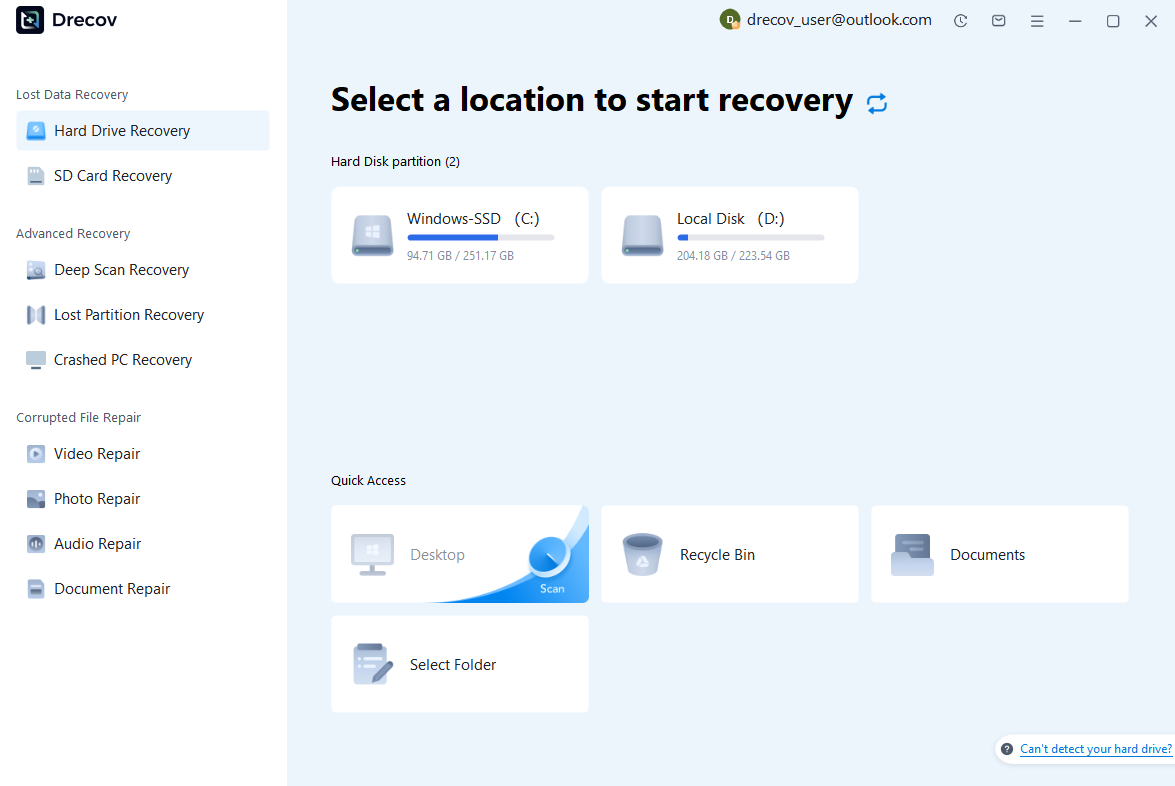
Step 1: Connect the Drive / USB)
Connect your device (SD card, HDD/SSD, or USB drive) to your computer and launch PandaOffice Drecov. Select the target device and start the scan. The software will perform a quick scan and deep scan to detect lost or deleted data.
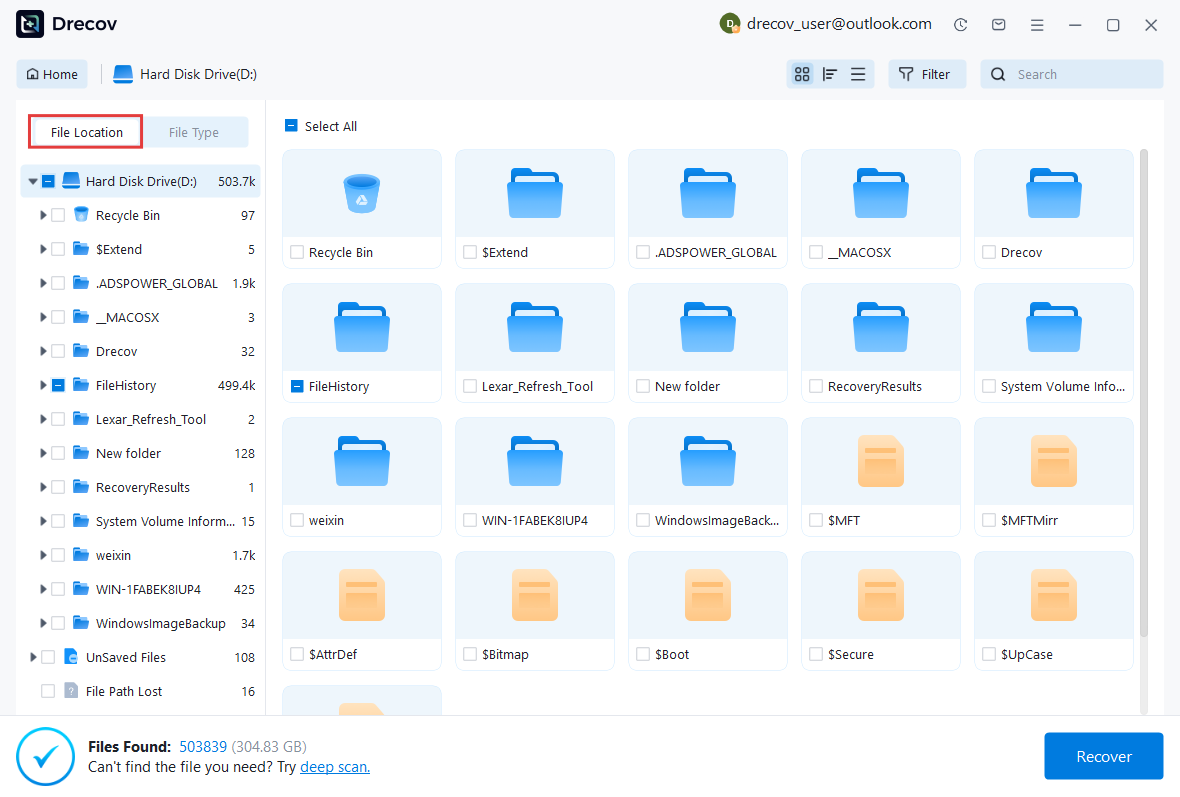
Step 2: Locate and Preview Lost Files
After scanning, browse the detected files and use the preview feature to check recoverable data. You can preview documents (Word, Excel, PDF), photos, and videos to ensure file integrity before recovery.
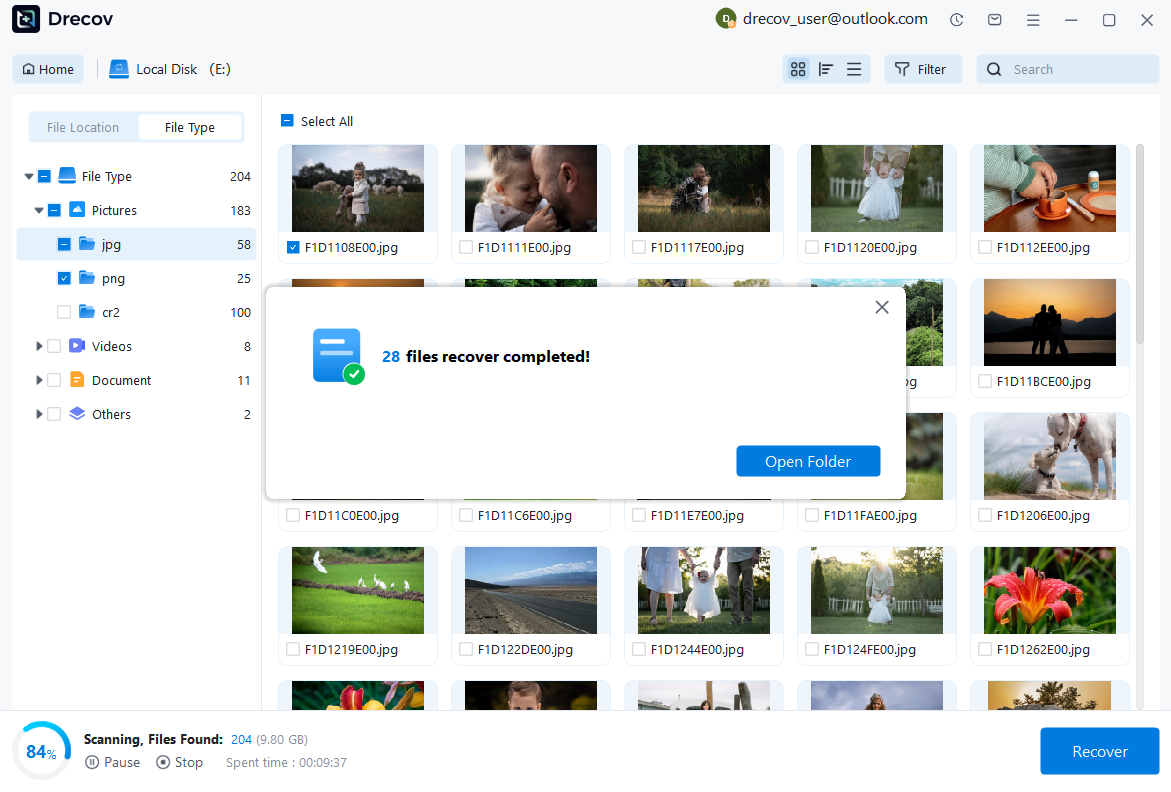
Step 3: Recover and Save to a New Location
Select the files you want to restore and click recover. Save all recovered data to a different drive or location (not the original device) to avoid overwriting lost data.
Some questions you may be interested in:
how to format a hard drive windows 11
how to recover deleted drafts in outlook
what is healthy recovery partition
how to make steam not open on startup
Test Environment:
- Steam Deck model: Steam Deck LCD 256GB
- Affected storage: 128GB microSD card
- Lost data type: Screenshots, videos, documents
- Recovery computer: Windows 11 desktop
- Recovery tool: PandaOffice Drecov
Recovering Files from Steam Deck SD Cards After Accidental Deletion
Many Steam Deck users expand storage with microSD cards because modern games often require large amounts of storage space. Although SD cards are convenient, they can also experience problems such as accidental formatting, file corruption, or unexpected removal during data transfer.
When an SD card becomes unreadable or files disappear, users may first try reconnecting the card, restarting the Steam Deck, or checking the card through desktop mode. If the files are still missing, the problem may involve damaged file system information rather than complete data destruction.
A recovery process can analyze the storage structure and search for recoverable files that are no longer visible through normal access. The success rate depends on factors such as how much new data has been written after deletion and whether the card has physical damage.
Before scanning an SD card, remove it from the Steam Deck and connect it to a computer using a card reader. Avoid formatting the card immediately, even if the system displays a message asking for initialization. Formatting may remove important information needed during recovery.
Test Environment:
- Device: Steam Deck OLED 512GB
- Storage device: Samsung 256GB microSD card
- Problem: Game folder and screenshots disappeared
- Computer system: Windows 10 laptop
- Connection method: External SD card reader
After recovering important files, users should consider regularly backing up their Steam Deck storage. Keeping copies of screenshots, personal files, and important configurations can reduce the impact of future storage problems.
Repairing Steam Deck Boot Problems Without Complete System Reset
Not every Steam Deck startup problem requires a complete system reinstall. Some boot issues are caused by temporary software conflicts, incorrect settings, or damaged temporary files. Before choosing a full recovery option, users can try several less destructive troubleshooting methods.
The first step is checking whether the device can enter normal startup options. Restarting the Steam Deck completely and reconnecting accessories may resolve simple loading problems. External devices such as USB drives, hubs, or modified accessories can occasionally interfere with startup.
If the problem continues, users can access the recovery environment and choose repair options that do not immediately erase the internal drive. This approach allows users to attempt system restoration while reducing the risk of losing personal information.
Another possible cause is insufficient storage space. Steam Deck requires available storage for system updates and temporary files. If the internal SSD is nearly full, updates may fail and create unexpected startup behavior.
Test Environment:
- Device: Steam Deck LCD 64GB model
- Issue tested: Device frozen during startup
- Storage condition: Less than 5GB free space remaining
- Troubleshooting method: Recovery environment repair
- External tools: USB keyboard and recovery drive
Keeping sufficient free storage and avoiding unnecessary system modifications can reduce the chance of future boot failures.
Choosing Between SteamOS Reinstallation and Full Recovery
When using the recovery environment, users need to decide which restoration option matches their situation. Different recovery choices have different effects on stored information, so understanding each option before proceeding is important.
A SteamOS reinstallation is generally suitable when the operating system itself is damaged but the internal storage is still functioning properly. This option focuses on replacing system files and restoring the operating environment.
A complete system reset is more aggressive. It removes existing system data and returns the Steam Deck to a factory-like condition. This method may be useful when the device has severe software corruption or when users want to prepare the device for another owner.
The correct choice depends on the cause of the problem. For example, a failed update may only require system repair, while extensive file corruption may require a full reinstall.
Test Environment:
- Device: Steam Deck OLED 1TB
- Issue: Failed SteamOS update
- Selected recovery option: SteamOS reinstallation
- Recovery media: USB recovery drive
- Backup status: Game saves synchronized through Steam Cloud
Users should always check available backups before selecting destructive recovery options. Steam Cloud can restore many game saves, but personal files stored outside supported locations may not be automatically recovered.
Common Steam Deck Recovery Errors and How to Solve Them
Although the recovery process is designed to be simple, some users may encounter errors during preparation or installation. Understanding common problems can help avoid repeated failures.
One frequent issue is that the Steam Deck does not recognize the recovery USB drive. This may happen because the recovery image was not written correctly, the USB device is incompatible, or the connection adapter has problems. Recreating the recovery drive or trying another USB device can often solve the issue.
Another problem occurs when installation stops during the recovery process. This may be related to unstable storage, insufficient power, or corrupted recovery files. Ensuring that the Steam Deck remains connected to power and using a reliable recovery drive can improve success rates.
Network-related problems may also appear after reinstalling SteamOS. The recovery itself may complete successfully, but users may need a stable internet connection to download updates, verify accounts, and reinstall games.
Test Environment:
- Device: Steam Deck LCD 512GB
- Recovery problem: USB drive not detected
- USB device: 64GB flash drive
- Solution tested: Recreated recovery media
- Final result: Recovery environment loaded successfully
⚠️Warning: If recovery repeatedly fails on different USB drives, the issue may involve hardware problems rather than software corruption.
Advanced Troubleshooting Methods After Steam Deck Recovery Fails
Although using a recovery environment can solve many SteamOS problems, some situations require additional troubleshooting. If the Steam Deck still cannot boot after reinstalling the operating system, users should check whether the issue comes from storage devices, accessories, or hardware-related failures.
One important step is testing the Steam Deck without external devices connected. USB hubs, external drives, and accessories may sometimes interfere with startup detection. Removing unnecessary accessories can help determine whether the problem is caused by external hardware rather than the operating system.
Users should also check the condition of the internal SSD. If the recovery process repeatedly fails, freezes during installation, or shows storage-related errors, the internal drive may have problems. A damaged SSD can prevent SteamOS files from being installed correctly even when the recovery image is prepared properly.
For devices using microSD cards, removing the card during system recovery is recommended. A corrupted SD card can sometimes create confusion during startup or installation. After SteamOS is restored successfully, users can reconnect the SD card and check whether it can be recognized normally.
Test Environment:
- Device: Steam Deck LCD 512GB
- Recovery issue: Installation repeatedly failed
- Internal storage: 512GB NVMe SSD
- External storage: 256GB microSD card removed during testing
- Troubleshooting method: Hardware isolation test
If recovery continues failing after checking storage and accessories, users may need to consider professional hardware inspection. Software recovery methods cannot repair physically damaged components.
How to Protect Steam Deck Data and Avoid Future Recovery Problems
Preventing data loss is often easier than repairing a damaged system. Although Steam Deck provides recovery tools, regular backups can significantly reduce the impact of unexpected problems.
One of the most important steps is keeping game saves synchronized. Many Steam games support cloud synchronization, allowing saved progress to be restored after reinstalling SteamOS. However, users should remember that not all files are automatically backed up. Screenshots, downloaded files, emulator data, and custom configurations may require manual backup.
Users should also avoid interrupting system updates. Turning off the Steam Deck during an update or forcing shutdowns when the system is installing important files can increase the risk of corruption.
Managing storage space is another useful prevention method. Keeping some free space on the internal SSD allows SteamOS to complete updates and temporary operations more reliably. Users should regularly remove unused games and unnecessary files.
Test Environment:
- Device: Steam Deck OLED 512GB
- Storage management method: Manual file cleanup
- Backup method: Steam Cloud and external storage backup
- Usage scenario: Regular gaming and desktop mode operation
Creating a backup routine ensures that even if a future steam deck recovery process becomes necessary, important personal data remains protected.
Frequently Asked Questions About Steam Deck Recovery
Can I Recover My Steam Deck Without Losing Games?
Whether games remain after recovery depends on the recovery option selected. Some repair methods focus on restoring system files and may preserve installed data, while a complete reset removes everything stored on the internal drive.
Games purchased through Steam are linked to the user’s account, so they can usually be downloaded again after signing in. However, downloaded game files, screenshots, and personal data stored locally may not automatically return.
Before choosing a recovery option, users should check whether important files are backed up. If the device still starts normally, copying important data to another storage location is recommended.
Test Environment:
- Device: Steam Deck LCD 256GB
- Recovery scenario: SteamOS repair
- Backup checked: Steam Cloud saves
- Data reviewed: Installed games and screenshots
Where Can I Get a Steam Deck Recovery Image Download?
A steam deck recovery image download should always come from a trusted source to avoid corrupted or incomplete files. The recovery image contains important SteamOS system files, so using unofficial versions may cause installation problems.
After obtaining the recovery image, users need to write it correctly to a USB drive instead of simply copying the files. The Steam Deck recognizes the drive only when it has the correct boot structure.
Test Environment:
- Preparation system: Windows 11 computer
- Storage device: 32GB USB flash drive
- Recovery preparation: Bootable image creation
- Target device: Steam Deck OLED
Using the correct recovery image and properly creating the recovery drive are essential steps for successful restoration.
Why Can’t My Steam Deck Enter Recovery Mode?
If the Steam Deck cannot enter recovery mode, the problem may come from the recovery drive, connection method, or startup process. Users should first confirm that the USB drive was created correctly and that the Steam Deck recognizes the connected device.
Trying another USB port, adapter, or flash drive may solve detection problems. Some USB devices may not work properly during startup, even if they function normally on a computer.
Test Environment:
- Device: Steam Deck LCD
- Problem: Recovery menu unavailable
- Tested solutions: Different USB drives and adapters
- Result: Recovery drive detected after recreation
If the issue continues, users should verify that the recovery image was downloaded completely and recreate the recovery media.
How Long Does Steam Deck Recovery Take?
The recovery time depends on several factors, including USB drive speed, internal SSD condition, and the selected recovery option. A simple system repair may complete relatively quickly, while a full SteamOS reinstall can take longer.
Users should keep the device connected to power throughout the process and avoid pressing buttons unnecessarily. Interrupting recovery can lead to incomplete installation.
Test Environment:
- Device: Steam Deck OLED 1TB
- Recovery drive: USB 3.0 storage
- Operation: SteamOS reinstall
- Power condition: Charger connected
Waiting patiently until the process completes is important for successful recovery.
Final Thoughts on Steam Deck Recovery and System Restoration
Steam Deck recovery provides an effective solution for repairing operating system problems, restoring SteamOS, and resolving many startup issues. By preparing a proper steam deck recovery image, accessing steam deck recovery mode, and following the correct steam deck recovery instructions, users can restore their devices without immediately replacing hardware.
The recovery process is especially useful for problems caused by failed updates, corrupted system files, or incorrect software changes. However, users should understand that system recovery and file recovery are different processes. Restoring SteamOS may repair the device but does not always bring back deleted personal files.
For storage-related data loss, users should stop using the affected storage device as soon as possible and consider dedicated recovery solutions. Maintaining regular backups, keeping enough storage space available, and avoiding unnecessary system modifications can reduce future problems.
A carefully prepared recovery drive is one of the most valuable tools for Steam Deck owners. Whether fixing a boot issue or preparing the device for a fresh installation, understanding the recovery process allows users to handle common problems more confidently and safely.
With the right preparation and recovery approach, most software-related Steam Deck issues can be resolved efficiently while protecting important personal data.






