







Plugging a flash drive into a computer is second nature for most users today. However, disposing of an old flash drive or donating it requires a serious security measure. Many users erroneously believe that clicking delete or formatting a drive completely removes the data. Meanwhile, advanced recovery tools can easily piece those files back together, exposing your sensitive information. Learning how to wipe a usb drive properly ensures your private data remains permanently unrecoverable.
When you need to clean a drive, using specialized software is often the most reliable route. PandaOffice Drecov data recovery software stands out as a premier tool for managing drive data, allowing users to verify data status before executing a permanent wipe. This comprehensive guide will walk you through the precise steps to clean your portable storage while maintaining absolute data integrity.
Understanding the Basics of How to Wipe a USB Drive
When you delete a file, the operating system merely removes the pointer to that file and marks the space as available. The actual blocks of data reside on the flash memory until new files overwrite them. Consequently, standard deletion leaves you vulnerable to data theft. To counter this risk, a true data wipe overwrites the entire storage area with binary zeroes or random patterns.
Common Technical Challenges
Users face several common hurdles when attempting to clear portable storage:
- Write Protection Errors: The operating system restricts access, preventing any formatting or wiping actions.
- File System Corruption: Broken partition tables make the drive unrecognizable to standard file explorers.
- Hidden Partitions: Standard formatting tools only clear the visible partition, leaving cached or recovery data intact.
Introducing PandaOffice Drecov Data Recovery Software
Before performing a destructive overwrite, verifying what is on the device is a vital safety step. PandaOffice Drecov data recovery software provides the deep scanning capabilities needed to review existing and lost files. This ensures you do not permanently destroy invaluable files during the sanitization process. Furthermore, it allows you to back up crucial items before executing a total erase.
For more insights on handling various storage and file system hitches, you can read about solutions to common file explorer layout issues.
⚠ Warning: Install it on a drive different from the one where your data was lost to prevent overwriting.
Proven Solutions: How to Wipe a USB Stick and Fix Common Drive Issues
Managing your removable storage effectively requires a structured, secure approach. Below, you will find the definitive methods to address your drive cleaning needs using powerful manual system tools alongside advanced utility management.
Whether you need to bypass stubborn write-protection errors or completely sanitize your flash storage before disposal, these step-by-step techniques provide the ultimate fix. By following these industry-standard protocols, you can easily master how to wipe a usb drive while maintaining absolute control over your digital footprint.
Method 1: Using Windows Built-in Command Prompt
The most robust native method to clean a drive involves the Windows Command Line. This utility bypasses standard file explorer limitations to clear hidden partitions.
- Step 1: Press the Windows Key + R on your keyboard to open the Run dialog box.
- Step 2: Type
cmdinto the open field and press Ctrl + Shift + Enter to launch the Command Prompt with full administrative privileges. - Step 3: Type
diskpartand press Enter to start the disk partitioning utility. - Step 4: Input
list diskto display all storage drives connected to your system. Identify your flash drive number by looking at the storage capacity column. - Step 5: Type
select disk Xreplacing X with the actual number of your flash drive. - Step 6: Input
clean alland press Enter. This command writes zeroes to every sector of the drive, making data recovery impossible. - Step 7: Type
create partition primaryfollowed byformat fs=ntfs quickto make the storage usable again.
Method 2: Data Pre-Verification with PandaOffice Drecov Data Recovery Software
Wiping a flash drive is completely irreversible, which means you must ensure no critical data is lost forever. To avoid devastating data loss, deploying PandaOffice Drecov data recovery software provides the perfect safety net before you execute a permanent drive erase.
Engineered with advanced deep-scanning algorithms, PandaOffice Drecov excels at parsing corrupt file systems, raw partitions, and fragmented storage sectors. This highly responsive utility allows you to reconstruct, preview, and safely extract hidden or deleted files prior to the final overwrite. Whether you are dealing with forgotten family photos or essential business documents, checking your drive with this reliable recovery tool ensures your peace of mind before you permanently master how to wipe a usb drive.
⚠ Warning: Install it on a drive different from the one where your data was lost to prevent overwriting.
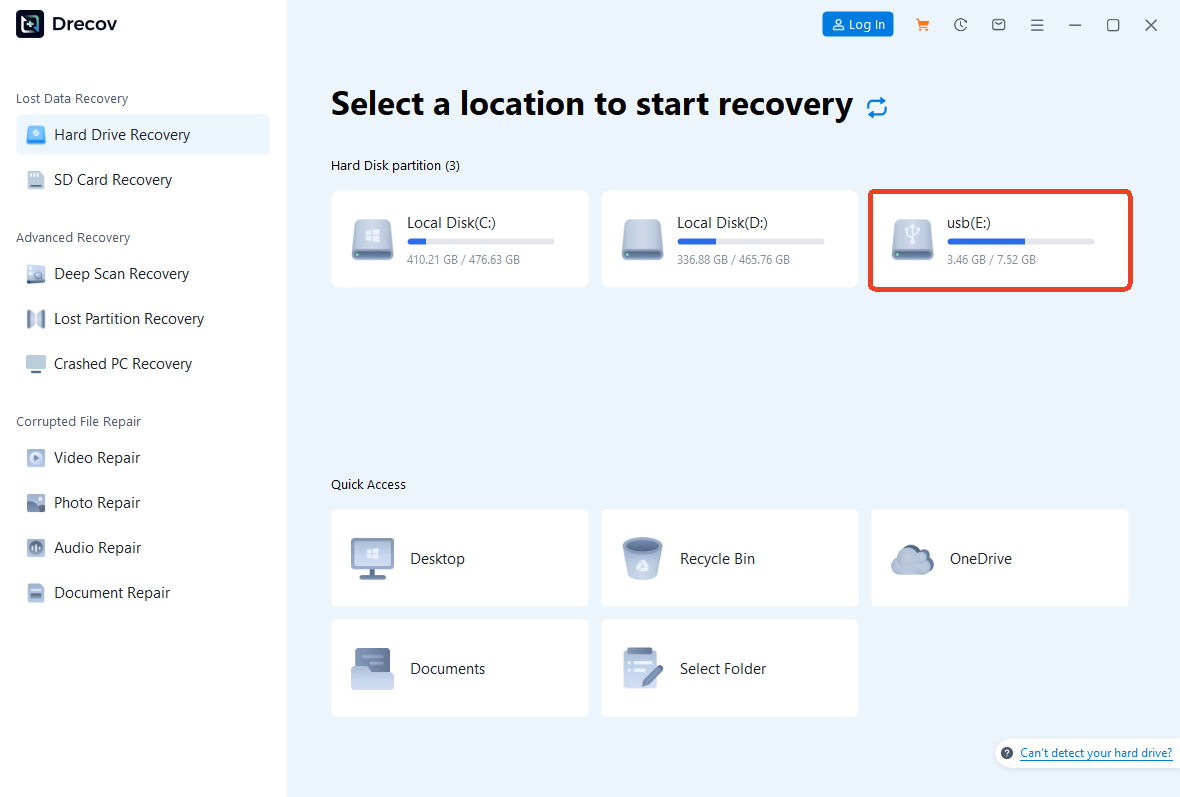
- Step 1: Launch the application and select your removable drive from the primary dashboard storage list.
- Step 2: Click the Scan button to initiate a deep sector scan of the flash memory.
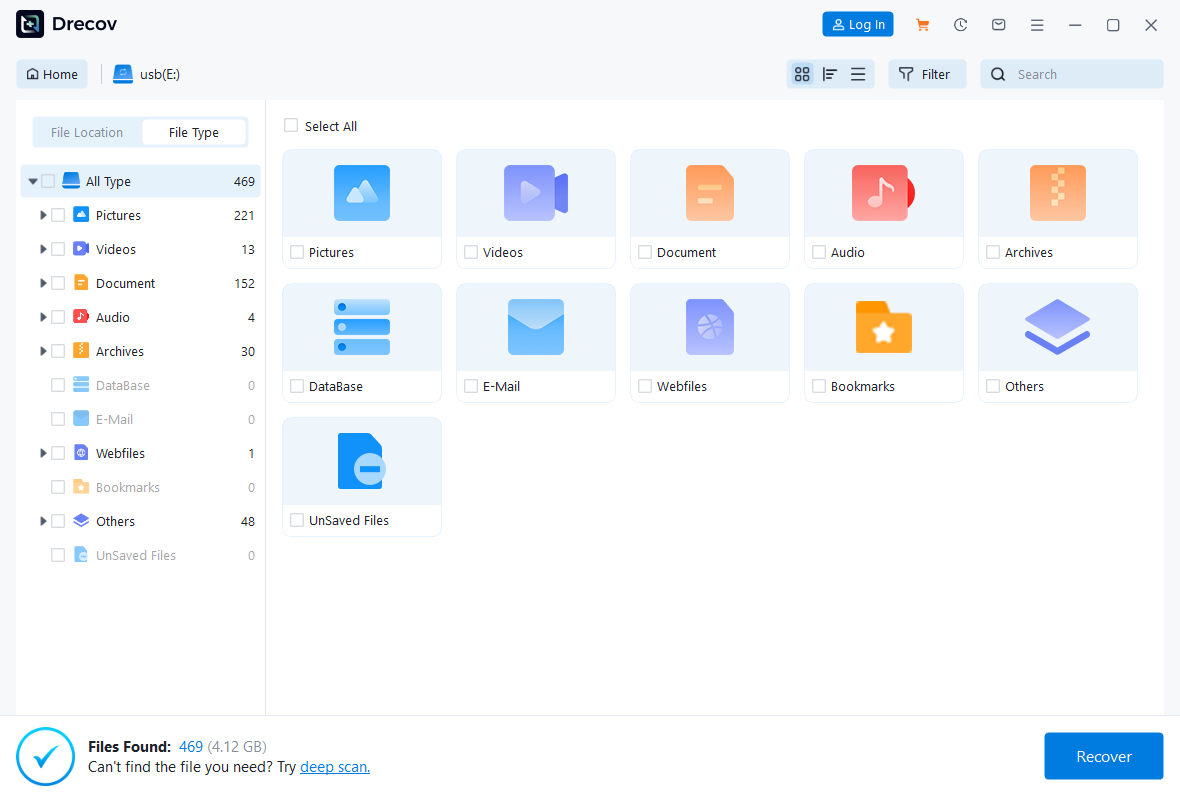
- Step 3: Browse the generated file preview list to check for critical documents.

- Step 4: Select the required files and click Recover to save them securely to your local hard drive.
If you happen to lose data on other platforms during your cleanup process, you can consult this guide on restoring web browser data. For a broader look at flash storage management, check out the comprehensive guide to recovering files from USB flash drives.
Alternative or Complementary Methods
Aside from the command line, users can employ alternative manual strategies depending on their operating system.
| Method | Pros | Cons |
|---|---|---|
| Windows Disk Management | Graphical interface, easy to navigate, no syntax memorization required. | Cannot perform a secure multi-pass overwrite; fails on corrupt drives. |
| macOS Disk Utility | Native to Mac systems, includes security sliders for multiple overwrites. | Incompatible with certain Windows-specific file systems without reformatting. |
| Third-Party Erasure Tools | Provides military-grade shredding algorithms like DoD 5220.22-M. | Requires downloading external software, potential bloatware risks. |
Mac users can leverage the native Disk Utility by selecting the target storage device and clicking Erase. Within that menu, the Security Options slider allows you to choose between a quick erase and a secure 7-pass overwrite.
Tips & Best Practices
Securing your storage hardware involves adhering to strict technical protocols. Follow these professional guidelines to maintain data security:
- Always Verify Drive Letters: Double-check your target drive letter using the
wmic logicaldisk get captioncommand before running destructive actions. - Avoid Physical Destruction Prematurely: Do not microwave or crush drives unless they are physically broken, as software wiping is sufficient for standard recycling.
- Check Device Health: Use S.M.A.R.T. monitoring utilities to ensure the flash drive memory sectors are stable before running full-disk overwrites.
- Understand Wear Leveling: Flash memory uses internal controllers that move data around, meaning a single-pass wipe might occasionally miss block fragments.
For detailed official standards on data sanitization, you can refer to the NIST Guidelines for Media Sanitization to understand corporate compliance requirements.
Frequently Asked Questions
How to wipe a usb stick on Windows 11 quickly?
You can right-click the drive in File Explorer and select Format. Ensure you uncheck the Quick Format box to force Windows to run a full erasure pass over the storage sectors.
Can PandaOffice Drecov data recovery software recover files after a clean all command?
No, the clean all command writes zeroes across the entire device. No software tool can restore data once those storage blocks are entirely overwritten.
How long does it take to finish wiping a portable drive?
The duration depends on the drive size and connection speed. A standard 16GB drive using a USB 3.0 port typically takes around fifteen minutes for a full single-pass zero overwrite.
Is formatting the same as wiping a storage device?
No, a quick format only deletes the file system index table. Wiping actually modifies the underlying data blocks to ensure old files cannot be read.
What file system should I choose after clearing my drive?
Choose exFAT if you plan to use the storage device on both Windows and macOS systems. Choose NTFS if you only intend to use the drive on Windows computers.
Conclusion
Mastering how to wipe a usb drive is an essential skill for protecting your digital privacy. Standard deletion methods are simply insufficient to keep your files out of the wrong hands. Utilizing the Windows Diskpart tool or macOS Disk Utility ensures that your storage sectors are completely overwritten.
In addition, incorporating PandaOffice Drecov data recovery software into your routine ensures you never accidentally destroy valuable data during a cleanup. Prioritize proactive data management by inspecting your storage contents thoroughly before executing any permanent erasure commands.





