







When your computer refuses to boot or suffers from a catastrophic system crash, knowing how to perform a windows restore from usb is a critical skill. Operating system failures can happen without warning due to corrupted system files, malware attacks, or hardware degradation. Consequently, users often find themselves locked out of their desktops, facing the daunting prospect of data loss.
Fortunately, utilizing a recovery drive can bring your system back to life. While native recovery tools are helpful, they sometimes fall short if the system drive itself is severely corrupted. In such critical scenarios, a specialized solution like PandaOffice Drecov data recovery software becomes indispensable to safeguard your files before executing a full system reinstall. This comprehensive guide will walk you through the entire recovery process safely and efficiently.
Understanding the Basics of Windows Restore From USB
What Does It Mean to Restore Windows from a USB?
A windows restore from usb involves booting your computer using an external flash drive that contains the necessary installation or recovery files. This method bypasses a corrupted internal hard drive, allowing you to access advanced recovery environments, apply system restore points, or reinstall the operating system entirely.
Common Issues and Challenges
Attempting to make windows 10 restore usb media or executing the restore process can come with several technical hurdles:
- BIOS UEFI Boot Order Errors: The computer may ignore the USB drive and attempt to boot from the broken internal drive.
- Media Creation Failures: The USB drive might not be formatted correctly, rendering it unbootable.
- Data Overwriting: A full clean installation will wipe existing user files on the primary partition.
The Role of PandaOffice Drecov Data Recovery Software
Before you attempt to fix system files, extracting your important documents is the safest priority. This is where PandaOffice Drecov data recovery software excels. It is a professional data rescue tool designed to scan deep within corrupted, unbootable, or formatted storage drives to retrieve lost files.
For instance, you can use it when a Windows update fails and leaves your PC in an endless boot loop. Furthermore, if you need related troubleshooting assistance during this stressful process, you can read about solutions to common browser issues or learn how to optimize your system layout to prevent future file organization mishaps.
⚠ Warning: Install it on a drive different from the one where your data was lost to prevent overwriting.
Solutions to Windows Restore From USB Issues
Method 1: Using the Native Windows Recovery Environment
If your computer can still read the USB drive, you can use the built-in Microsoft tools to repair the operating system.
Step 1: Create the Recovery Media
You must find a working computer to download the Windows Media Creation Tool from the official Microsoft website. Insert a blank USB drive with at least 8GB of space. Run the tool and follow the prompts to make windows 10 restore usb media.
Step 2: Boot from the Windows Restore USB Drive
Insert the newly created windows restore usb drive into the crashed computer. Power on the machine and immediately press the system boot menu key. This hotkey is typically F12, F11, or F8 depending on your motherboard manufacturer. Select the USB drive from the list.
Step 3: Access Advanced Options
Choose your language and keyboard layout on the initial setup screen. Click Repair your computer in the bottom left corner instead of clicking Install now. Navigate to Troubleshoot and then select Advanced Options. From here, choose System Restore to revert your system to a functional state.
Method 2: Emergency Data Extraction via PandaOffice Drecov Data Recovery Software
If the native restore process fails or threatens to delete your files, you should immediately use PandaOffice Drecov data recovery software to salvage your data.
Step 1: Connect the Target Storage
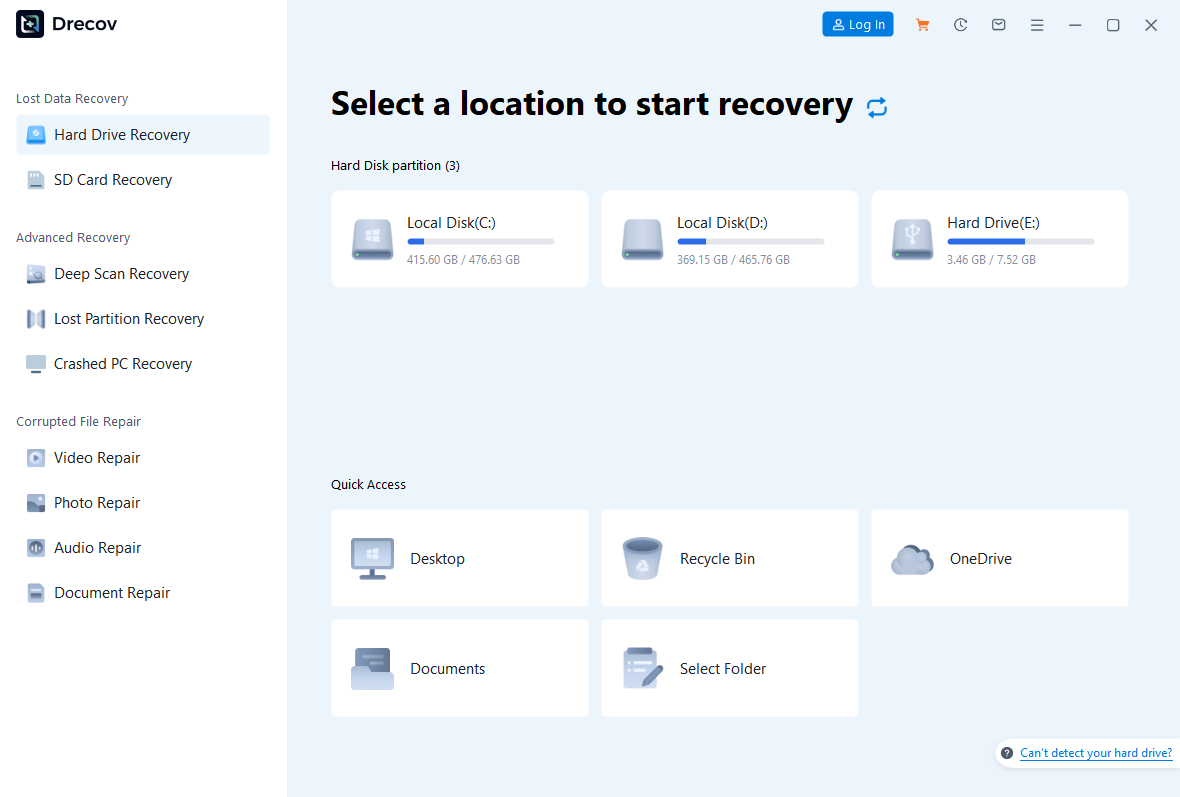
Remove the hard drive from the unbootable PC and connect it to a working computer using a SATA to USB adapter. Alternatively, insert your windows restore usb drive if you are recovering data directly from a failing external source. Launch PandaOffice Drecov data recovery software on the functional computer.
Step 2: Select and Scan the Location
Choose the connected drive from the list of available storage devices within the software interface. Click the Scan button to initiate a comprehensive sector-by-sector analysis of the drive.
Step 3: Preview and Recover Your Files
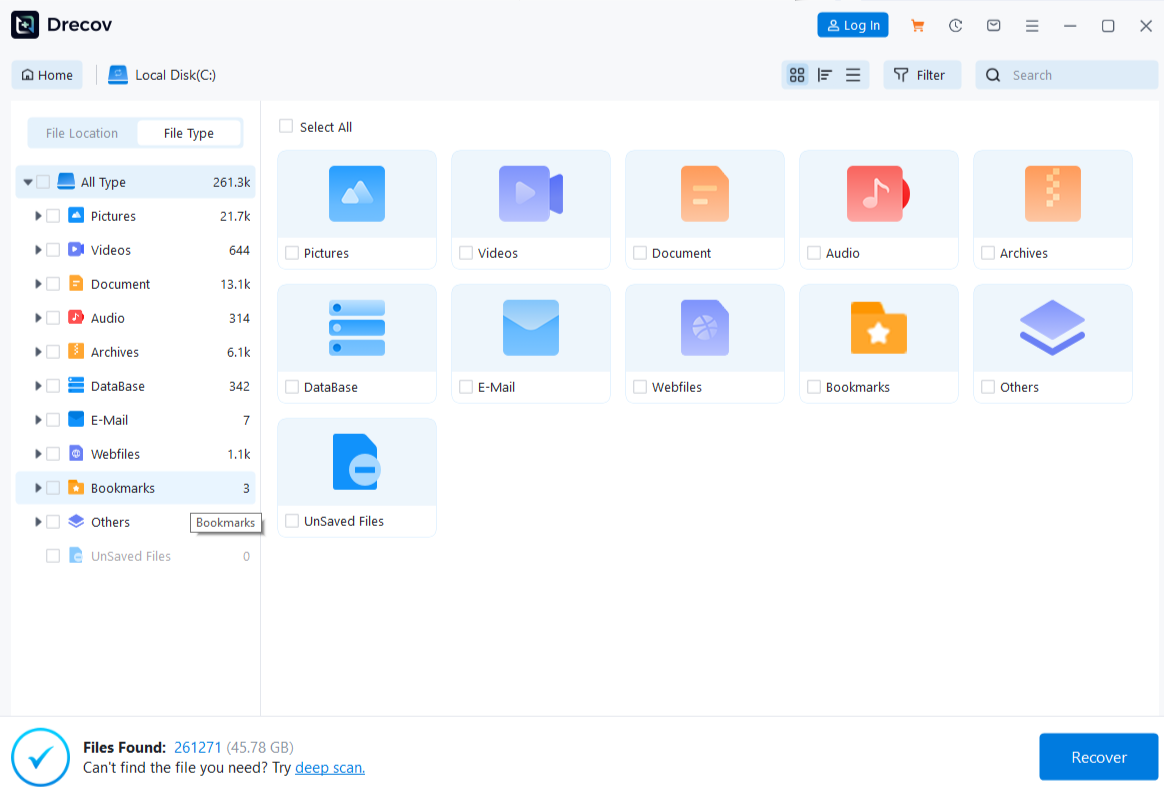
Browse through the scanned files once the analysis completes. Mark the folders you wish to save and click the Recover button. Ensure you save these files to a secure location, such as a local drive on the working computer. For a deeper understanding of this specific workflow, check out the complete guide to recovering deleted files from a USB flash drive.
Alternative or Complementary Methods
While standard recovery drives are excellent, alternative solutions exist for diverse technical situations.
| Recovery Method | Pros | Cons |
| Windows Recovery Drive | Free, native tool, preserves system settings if restore points exist | Requires proactive creation, fails if system corruption is severe |
| PandaOffice Drecov | Pre-boot data rescue, high recovery success rate, user-friendly | Requires a secondary working computer for setup |
| Manual Command Prompt Repair | No external tools required if recovery partition is intact | Requires high technical knowledge, risk of typing wrong commands |
Meanwhile, manual command line repairs via Bootrec commands can fix master boot records without a full reinstall. However, this method requires a steep learning curve compared to automated software solutions.
Tips & Best Practices
Optimizing your recovery success requires adherence to specific technical protocols.
- Verify File Systems: Always format your USB drive to FAT32 when creating bootable media for UEFI systems.
- Avoid Data Overwriting: Never install data recovery software onto the exact same drive partition that contains the lost data.
- Utilize High Quality Media: Use a reliable, name-brand windows restore usb drive to prevent read errors during the operating system installation.
- Disconnect Secondary Storage: Unplug all external hard drives except the target boot drive during a restoration to prevent accidental formatting.
Frequently Asked Questions
How do I make windows 10 restore usb drives on a different operating system?
You can use third-party ISO burning tools like Rufus on Windows or Etcher on macOS. You must download the official Windows ISO file first and then flash it to your USB drive using these applications.
Will a windows restore from usb erase my personal files?
A standard system repair or system restore point will not delete your files. However, a clean installation or a full system image recovery will completely overwrite the target partition.
What should I do if my PC does not recognize the windows restore usb drive?
You must enter the BIOS settings by pressing Del or F2 during startup. Furthermore, you need to ensure that Secure Boot is temporarily disabled and that USB Boot is enabled in the configuration menu.
Can PandaOffice Drecov data recovery software recover files from a formatted USB drive?
Yes, the advanced scanning algorithms can locate file signatures even after a quick format command has been performed on the drive.
Why does the media creation tool fail halfway through the process?
This issue usually occurs due to unstable internet connections or background antivirus software interfering with the file writing process. You should temporarily disable your antivirus software and try running the tool as an administrator.
Conclusion
Successfully executing a windows restore from usb is the ultimate way to reclaim control over a malfunctioning computer. Whether you use native recovery tools or need to make windows 10 restore usb media from scratch, preparing ahead of time mitigates the stress of a system crash.
In addition, incorporating PandaOffice Drecov data recovery software into your emergency toolkit ensures that your irreplaceable files are never lost permanently during a system overhaul. Implement a regular backup schedule today to maintain peak data integrity and protect your digital life. For official insights into maintaining Windows health, you can consult the Microsoft Support Documentation.





