







How to recover deleted videos from phone storage depends on the device, app, and storage source. Android phones can keep videos in Gallery, Google Photos, app folders, SD cards, Secure Folder, and cloud accounts. Start with the source that creates the least risk.
Map Where The Video Came From
A camera video, TikTok draft, WhatsApp attachment, screen recording, and downloaded movie do not live in the same place. Before scanning, write down where the video came from and when it disappeared. This makes recovery faster and reduces unnecessary storage changes.
Camera Or Screen Recording
Check DCIM, Movies, Gallery Trash, and Google Photos.
Messaging Or Social App Video
Check app folders, app cloud sync, web versions, drafts, and account downloads.
Voice Messages And Voicemail
Deleted voice messages may belong to messaging apps or carriers. Check the app export feature and carrier voicemail app before scanning storage.
Recovery Methods
Method 1: Restore Recent Deletions
Open Gallery, Photos, and file manager Trash. Restore the video and play it before removing the original from Trash.
Method 2: Search Phone Folders From A Computer
Connect the phone with USB file transfer. Search for MP4, MOV, MKV, 3GP, and M4V. Copy all likely folders before cleanup.
Method 3: Recover From App And Cloud Accounts
Open Google Photos, OneDrive, Samsung Cloud, WhatsApp, Telegram, TikTok, and other apps on another device. Download anything that still appears online.
Recover Files From Android SD Card With PandaOffice Drecov
Use this method only when the missing files are on a readable Android SD card or removable storage device. PandaOffice Drecov is included here as one practical recovery method, not as a repeated mention across every solution.
Best For: Deleted photos, videos, documents, voice files, app media, and SD card folders that no longer appear on Android.
Tool Used: PandaOffice Drecov.
Test Environment:
Operating System: Windows 11
Device Type: Android microSD card through card reader
File System: FAT32 / exFAT
Problem Scenario: Deleted phone videos or voice media on removable Android storage
Tool Used: PandaOffice Drecov
Steps
- Power off the Android phone and remove the SD card if the missing files were stored there.
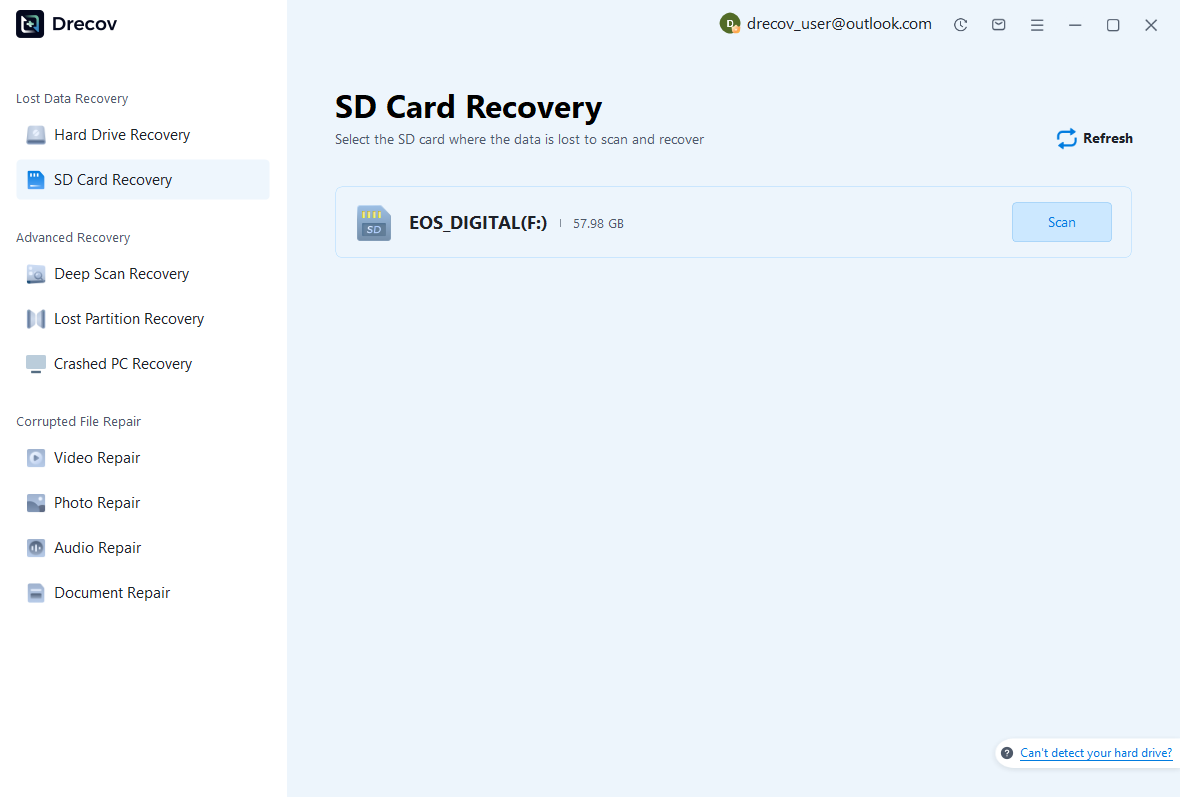
- Connect the card to the computer with a reliable card reader.
- Open PandaOffice Drecov and select the target storage device.
- Start the scan and wait for the quick scan and deep scan results.
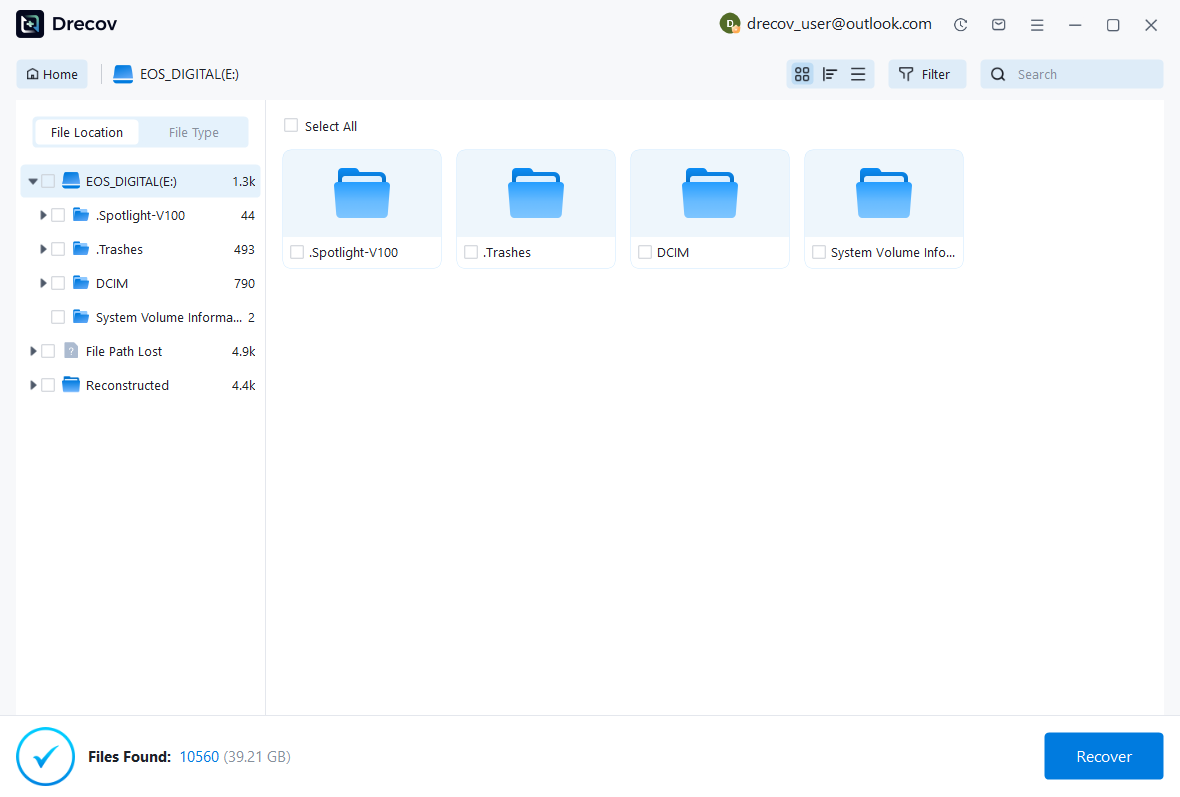
- Filter results by photos, videos, documents, or audio files.
- Preview recoverable files before saving them.
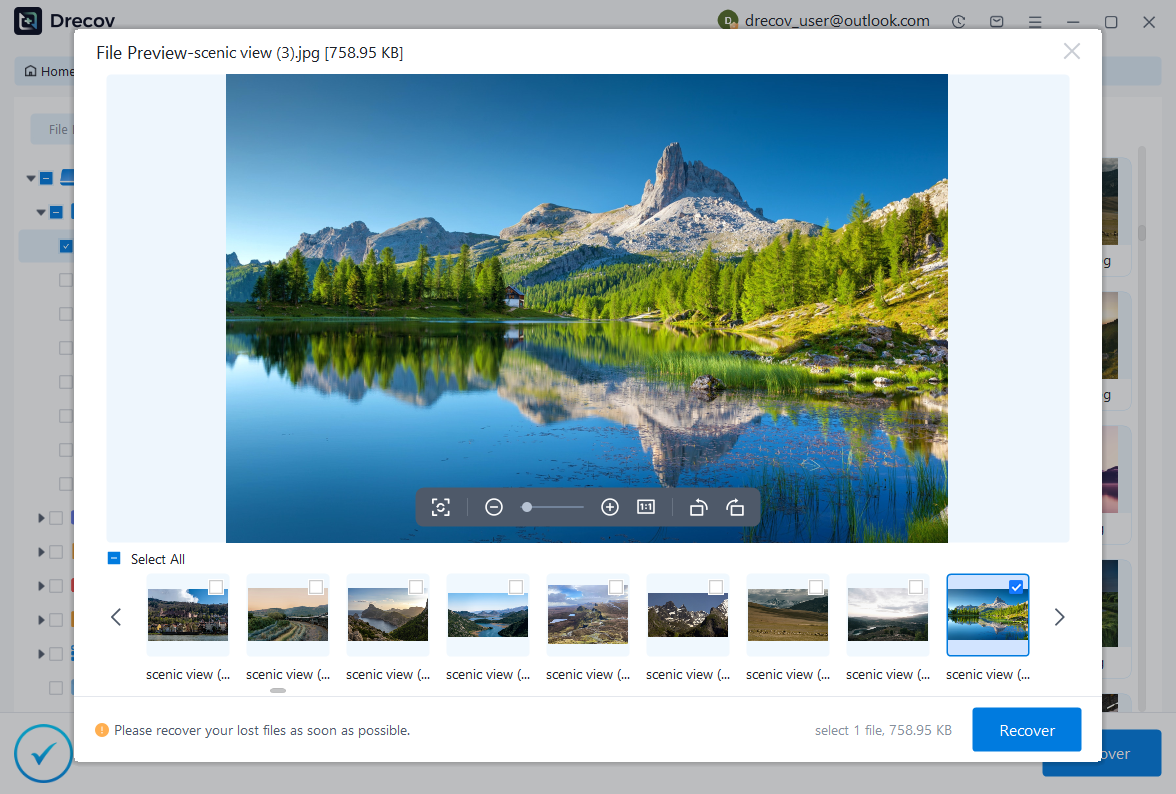
- Recover selected files to a computer folder or external drive, not back to the original SD card.
What To Do If It Fails: Check backups, app sync, Google Photos, Samsung Cloud, or a repair service that can restore temporary phone access. A desktop scan cannot bypass encrypted internal storage.
Risk Level: Low when recovered files are saved to another drive.
Video And Voice Message Recovery Limits
Videos are large and overwrite easily. Voice messages may not exist as normal files if the carrier stores them on a server. App voice notes may require the original app, account, or export option. This is why phone video recovery and voicemail recovery need different checks.
If you want to recover deleted voice messages on Android, check the messaging app first. For carrier voicemail, contact the carrier quickly because deleted voicemail retention may be short. Local file recovery may not help if the message never lived as a normal file on the phone.
Phone Video Recovery By Device Condition
The best way to recover deleted videos from phone storage depends on the current condition of the device. If the phone unlocks and works normally, start with Trash, cloud sync, app folders, and a full folder copy to a computer. If the screen is broken but the phone still powers on, try a USB-C display adapter, mouse, or trusted computer connection before repair. If the phone cannot boot, focus on backups and professional repair because encrypted internal storage usually needs the phone to function.
Do not treat a broken phone as a normal deleted-file case. Repair steps can change data, and a factory reset during repair can remove local files permanently. Before sending the device away, ask whether the repair process preserves data. If the answer is unclear, recover what you can from cloud accounts, SD cards, and previously synced folders first.
When The Phone Still Unlocks
Open the Gallery or Photos app, restore from Trash, then connect the phone to a computer. Copy DCIM, Movies, Download, Pictures, and app media folders. After that, check cloud Trash from a browser. This order gives you a local backup before any app update, cleanup, or account sync changes the phone.
When The Screen Is Broken
If touch still works, connect the phone to a computer and approve File Transfer. If touch does not work but the phone supports external display, use an adapter and mouse. If the phone has an SD card, remove the card and scan it separately. Do not approve a repair that includes reset until you have checked every backup option.
When The Phone Was Reset
A reset changes the situation. For modern Android phones, encryption usually blocks normal recovery of old internal files after reset. Check Google Photos, Samsung Cloud, OneDrive, WhatsApp backups, device backups, and computer copies instead. If videos were on an SD card and the card was not formatted, scan the card from a computer.
How To Reduce Damage During Recovery
- Stop recording new videos on the phone.
- Turn off automatic downloads from messaging and social apps.
- Avoid phone cleaner apps and storage optimization tools.
- Do not format an SD card when a prompt appears.
- Save recovered files to a computer, external drive, or cloud folder.
- Keep a copy of damaged video files before trying repair tools.
These actions protect both recoverable data and the files you already found. They also make the recovery story easier to understand if you later need help from a repair shop or data recovery technician.
Video Recovery Results You Should Expect
A perfect result restores the original video name, folder path, duration, resolution, and audio. A partial result may restore the video but lose the original name or date. A damaged result may show a thumbnail but fail during playback. A failed result may show only fragments or no preview. Users should know these outcomes before they spend time testing tools.
If you recover multiple versions of the same video, keep the largest playable copy first. Then compare smaller copies, edited exports, and compressed social versions. A compressed social copy may be lower quality, but it can still solve the user’s actual problem when the original camera file no longer works.
Related Recovery Guides
If your deleted video came from TikTok, use this TikTok recovery guide.
For computer design files, use this Illustrator file recovery guide.
For external Mac backup storage, see this LaCie hard drive guide.
If Windows restore is part of your recovery plan, read how to restore a computer to an earlier date on Windows.
Troubleshooting Video Recovery From Phone Storage
The Phone Connects But Shows Empty Folders
Unlock the phone, pull down the USB notification, and choose File Transfer instead of charging. If the screen is damaged, try a trusted computer, external display, or USB mouse if the device supports it. Empty folders often mean the phone has not granted transfer access yet.
The Video Was Deleted From A Messaging App
Open the messaging app and check the chat, saved media, downloads, and local folders. Some apps keep media in private storage and only export a copy when you save it to Gallery. If the sender still has the file, asking for a resend may recover a clean copy faster than scanning the phone.
The Recovered Video Has No Sound
No sound can mean partial recovery, unsupported codec, or a damaged audio stream. Test the file in another player before you judge it. Keep the original recovered file and create a copy for repair. Do not overwrite the recovered copy while testing converters.
How To Store Recovered Phone Videos Safely
After recovery, do not save the only copy back to the same phone immediately. Put one copy on a computer, one copy in cloud storage, and one copy on an external drive if the video matters. Then open each copy and confirm playback. A backup that never opens is only a hope, not a confirmed recovery.
Rename recovered videos after verification. Use dates, event names, or project names that make sense later. If the recovery tool preserved original paths, keep that information in a folder name or note. It can help you identify where the loss started and which app or storage setting needs change.
FAQ
Can I Recover Deleted Videos On Samsung?
Yes, check Samsung Gallery Trash, Google Photos, OneDrive sync, Secure Folder, My Files, and SD card recovery.
Can I Recover Deleted Voice Messages On Android?
Sometimes. Check the messaging app, carrier voicemail app, backups, and export options quickly.
Can I Recover Images From Android With These Steps?
Yes. The same safe order works for images: Trash, cloud backup, folder copy, and SD card scanning.
Conclusion
How to recover deleted videos from phone storage starts with identifying the source. Check Trash, apps, cloud accounts, folders, and SD cards before formatting or resetting. Save recovered files to another device and confirm playback.





