







A data restore app for Android can help in some recovery cases, but it should not be the first button you tap after data loss. Android phones use cloud sync, app-specific storage, removable cards, and encrypted internal storage. Each source needs a different recovery path.
This guide explains how to choose a restore app, when a desktop recovery tool makes more sense, how to check deleted pictures Android Gallery, and how to protect files before a reset. The goal is to recover data without making the phone write new files over the missing ones.
What A Data Restore App For Android Can Actually Do
A restore app can help locate files that still exist in Trash, local app folders, cloud sync, or removable media. It can also guide users toward backup restore. However, installing a new app on the same Android phone can create new data. If deleted files sit in internal storage, this extra writing may reduce recovery chances.
Use Android apps for low-risk checks first. Gallery Trash, Google Photos Trash, Samsung Cloud, and app archives are safer than installing multiple recovery tools. If the target files sit on a microSD card, remove the card and scan it from a computer instead of writing more data to the phone.
Choose The Right Restore Path
For Deleted Pictures In Android Gallery
Open Gallery Trash, Google Photos Trash, albums, archive, and locked folders. Many photos appear deleted in one view while another app still stores a copy. If you use Samsung Gallery sync, also check OneDrive. Download the recovered pictures to a computer before cleaning the phone.
For Deleted Texts Or Voice Files
Deleted voicemail recovery Android usually depends on the carrier or phone app, not normal file recovery. Open the Phone app, check Voicemail, and review carrier app options. For voice notes, check the recorder app, cloud backups, and exported folders before scanning storage.
For SD Card Files
Stop using the card. Do not format it when Windows asks. Copy readable folders first, then scan the card if files are missing. This is the safest workflow for file recovery in Android when the files were on removable storage.
Practical Recovery Methods
Method 1: Restore From Google Or Samsung Backup
Best For: Photos, contacts, app settings, and files synced before deletion.
Tool Used: Google Photos, Google Drive, Samsung Cloud, OneDrive, and app backup settings.
Steps
- Sign in to the same Google or Samsung account.
- Check Photos, Drive, Gallery Trash, Archive, and backup folders.
- Open messaging apps on a computer to check synced media.
- Download important files to a computer.
- Create a second backup before resetting the phone.
Risk Level: Low. Backup restore does not change original phone storage.
Method 2: Copy Visible Files Before Using Any App
If the phone still unlocks, connect it to a computer and choose File Transfer. Copy DCIM, Pictures, Download, Documents, Movies, and app media folders. This gives you a safety copy before any recovery app scans, repairs, or changes storage.
Method 3: Use A Desktop Scan For Removable Storage
A desktop scan is safer than installing another app when the lost files are on an SD card. Use a card reader, scan the card, preview files, and save recovered items to a different drive. This avoids new writes to the Android device.
Recover Files From Android SD Card With PandaOffice Drecov
Use this method only when the missing files are on a readable Android SD card or removable storage device. PandaOffice Drecov is included here as one practical recovery method, not as a repeated mention across every solution.
Best For: Deleted photos, videos, documents, voice files, app media, and SD card folders that no longer appear on Android.
Tool Used: PandaOffice Drecov.
Test Environment:
Operating System: Windows 11
Device Type: Android microSD card through card reader
File System: FAT32 / exFAT
Problem Scenario: Deleted Android files on removable storage before app restore
Tool Used: PandaOffice Drecov
Steps
- Power off the Android phone and remove the SD card if the missing files were stored there.
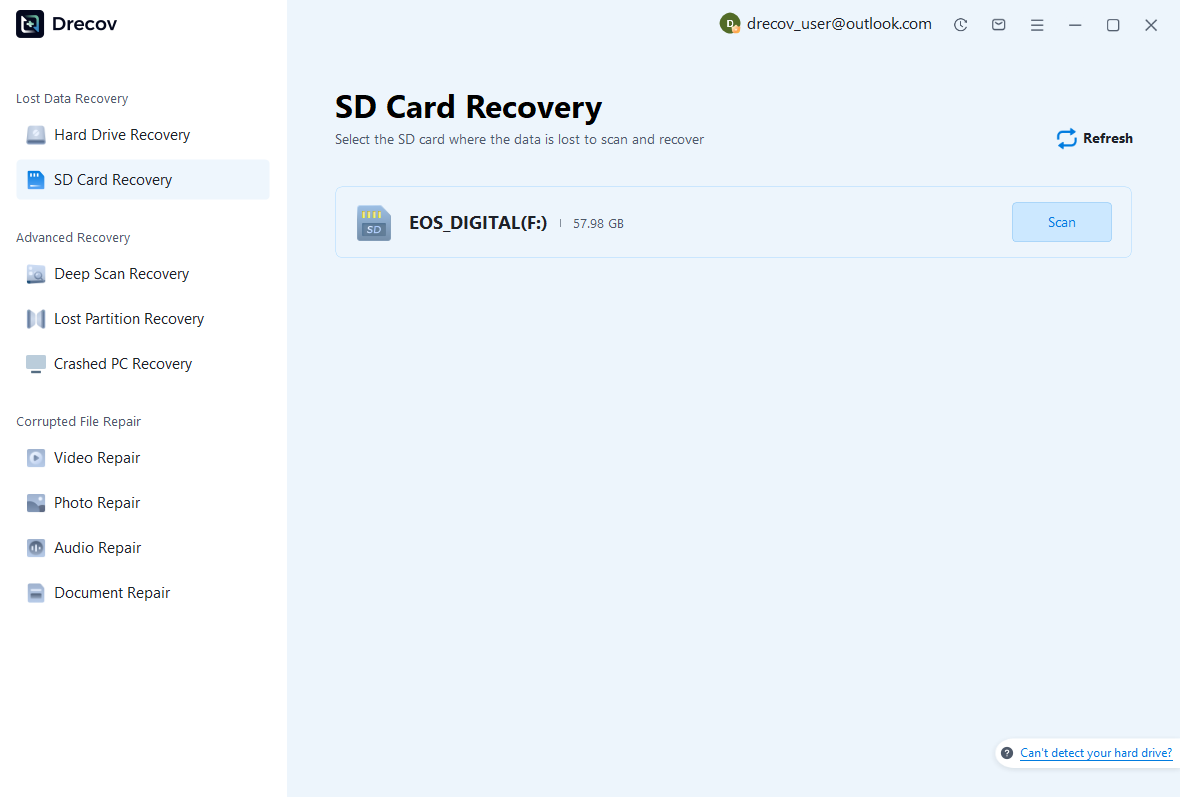
- Connect the card to the computer with a reliable card reader.
- Open PandaOffice Drecov and select the target storage device.
- Start the scan and wait for the quick scan and deep scan results.
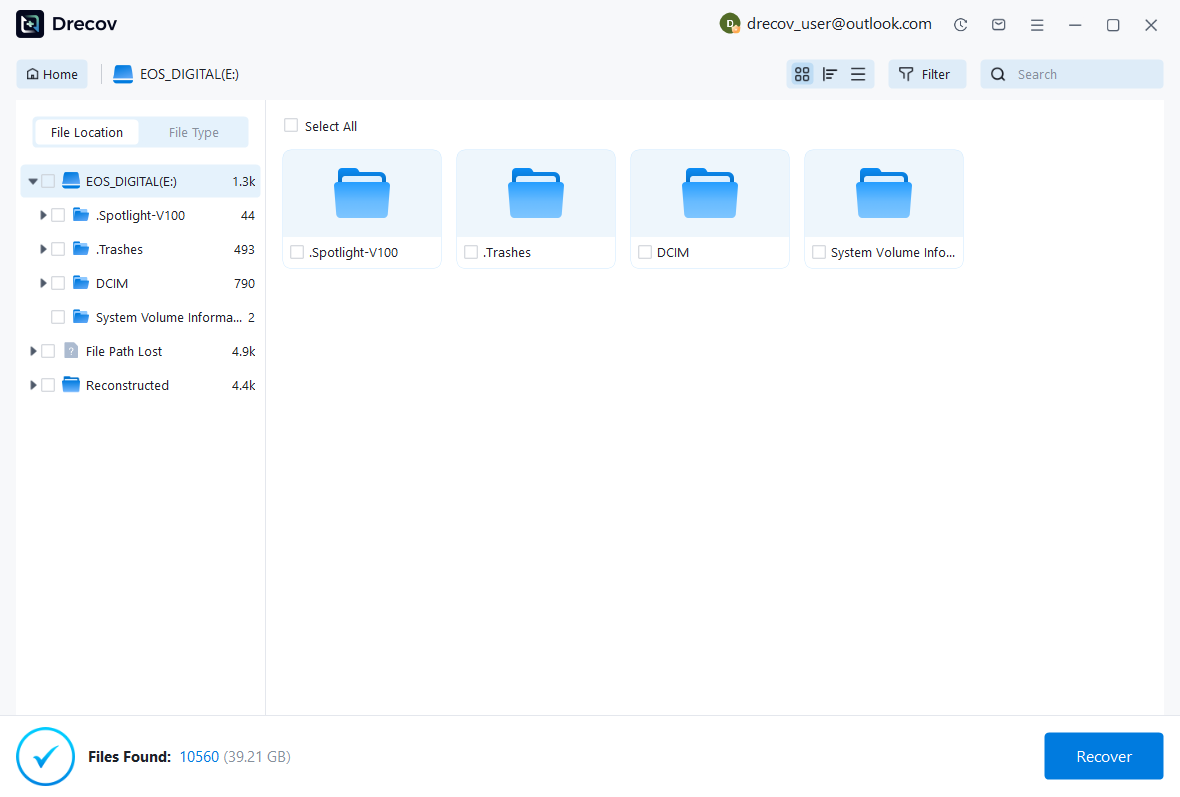
- Filter results by photos, videos, documents, or audio files.
- Preview recoverable files before saving them.
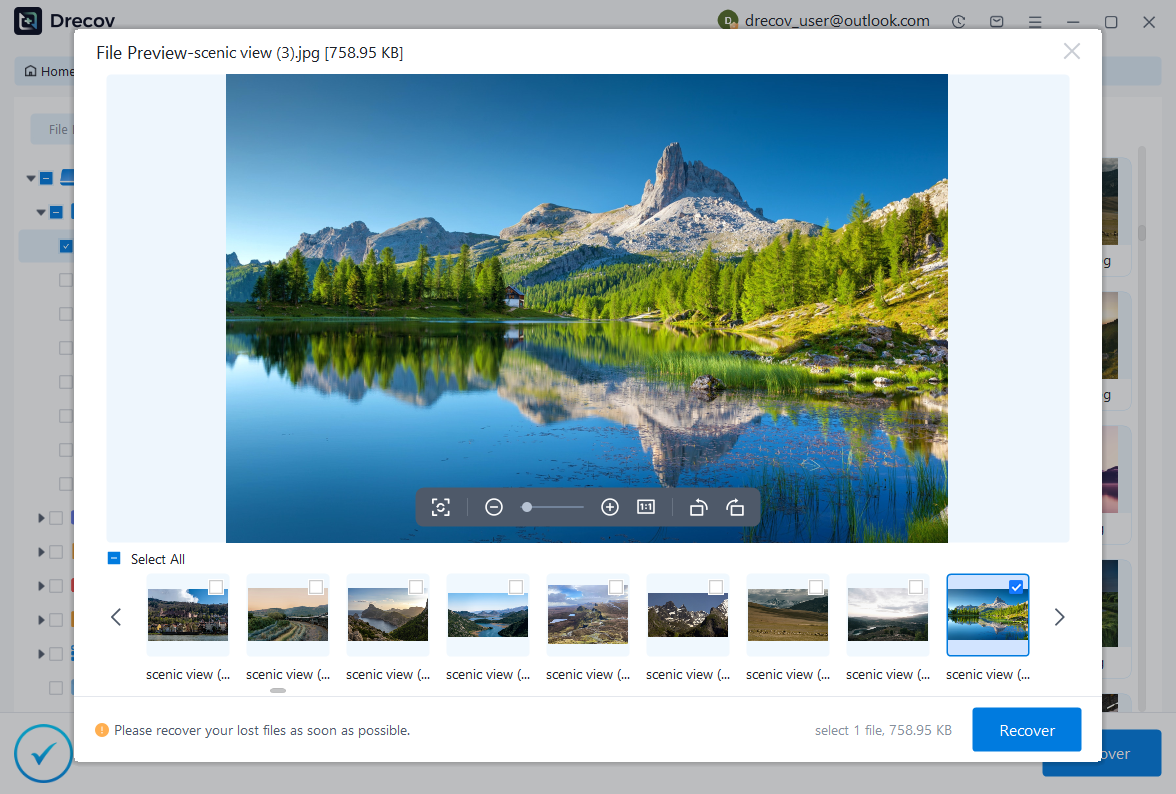
- Recover selected files to a computer folder or external drive, not back to the original SD card.
What To Do If It Fails: Check backups, app sync, Google Photos, Samsung Cloud, or a repair service that can restore temporary phone access. A desktop scan cannot bypass encrypted internal storage.
Risk Level: Low when recovered files are saved to another drive.
How To Judge A Data Restore App Before You Trust It
Many users search for a data restore app for Android after a stressful deletion, then install the first result that looks simple. That reaction is understandable, but it can create a second problem. A restore app needs storage access, media access, and sometimes notification or account access. Before you grant those permissions, check what the app can realistically reach.
If the deleted file was in Google Photos Trash, Samsung Gallery Trash, or a messaging app attachment folder, an Android app may only guide you back to those locations. It does not need broad device permissions for that. If the file was on a removable SD card, a desktop scan usually gives you a safer path because it avoids new writes on the phone. If the file was in encrypted internal storage and you already lost access to the phone, no normal app can simply break that encryption.
Use This Quick App Checklist
- Storage source: The app should explain whether it checks Trash, cloud backup, local folders, or removable media.
- Preview support: A useful recovery workflow should let you preview photos, videos, or documents before saving.
- Save location: Recovered files should go to a computer, cloud folder, or different drive whenever possible.
- Permission scope: Be careful with apps that ask for contacts, SMS, call logs, or accessibility access when you only need photo recovery.
- Reset warning: Do not trust a tool that tells you to reset the phone before you have copied or recovered important data.
Recovery Paths By File Type
Different Android files disappear in different ways, so the best recovery path should match the file type. Deleted pictures from Android Gallery often stay in Trash for a limited time. Downloaded PDFs may sit in the Download folder, a browser folder, or a cloud app. Voice recordings may belong to the Recorder app rather than a general media folder. Voicemails usually depend on carrier retention, so fast action matters more than deep scanning.
For photos and videos, start with Gallery Trash, Google Photos Trash, album filters, Archive, Locked Folder, and synced cloud folders. For documents, check Downloads, Files by Google, Drive, OneDrive, WhatsApp Documents, Telegram files, and email attachments. For audio, open the Recorder app, Voice Memos equivalent, WhatsApp Voice Notes, and carrier voicemail. This file-type route keeps the work practical and prevents you from scanning the wrong location for hours.
When Free Android Data Recovery Is Enough
Free Android data recovery can be enough when the file still exists in a Trash folder, cloud backup, or visible app folder. It can also help when a free scan identifies recoverable files on a removable SD card. However, free recovery becomes less useful when internal storage encryption, phone damage, or overwrite activity blocks access. In those cases, the safest move is to stop using the phone, copy what you can, and recover from a backup or removable storage source.
When To Stop And Escalate
Stop trying new apps if the phone becomes hot, storage fills quickly, files start changing names, or the SD card asks for formatting. Also stop if the target files are business documents, legal files, client photos, or irreplaceable voice evidence. Repeated scans and installs can reduce the chance of a clean recovery. A controlled desktop scan or a repair-first workflow gives you better evidence and fewer surprises.
Safe Workflow After A Failed Restore App
- Turn on airplane mode to reduce sync changes and new downloads.
- Stop taking photos, recording videos, installing apps, or clearing cache.
- Copy visible files from DCIM, Pictures, Download, Documents, Movies, and app folders to a computer.
- Check Google, Samsung, OneDrive, and app-specific Trash folders from a browser.
- If an SD card contains the lost data, remove it and scan it from a computer.
- Save recovered files to a different healthy drive, then verify the file opens.
- Only reset or repair the phone after you have a confirmed backup of recovered data.
This workflow also helps reduce Yoast-style readability issues because each action has a clear subject and direct verb. More importantly, it gives users a sequence they can actually follow instead of a generic software recommendation.
Related Recovery Guides
If your missing file is a TikTok draft or video, this TikTok video recovery guide explains app-specific checks.
For design files on a computer, use this Illustrator file recovery guide instead of an Android workflow.
If you plan to move recovered files to a Mac backup drive and the drive does not appear, read this LaCie hard drive not showing up on Mac guide.
If recovery overlaps with a Windows rollback, review how to restore a computer to an earlier date on Windows first.
How To Avoid Bad Recovery Apps
A bad recovery app promises too much, asks for risky permissions, or tells you to reset the phone before recovery. Avoid tools that cannot explain what they scan. A useful tool should name the storage source, let you preview files when possible, and save recovered data to another location.
Free Android data recovery claims also need caution. A free scan may show whether files exist, but recovery quality depends on storage condition, overwrite level, file type, and whether encryption blocks access. Do not assume a free app can recover internal storage from a locked phone.
Troubleshooting Common Restore App Results
The App Finds Thumbnails Only
Thumbnails are small preview images, not always the original photos or videos. If a restore app only finds thumbnails, do not assume the original file is safe. Check Google Photos, Samsung Gallery, and the SD card folder that held the original file. If the original file was a video, a thumbnail alone cannot rebuild the full clip.
The App Shows File Names But Cannot Open Them
This usually means the app found old file records but not enough readable data. Save the result to a different drive if the app allows it, then test the files on a computer. For documents, try the native app first. For photos and videos, test with more than one viewer. Do not delete the scan result until you confirm which files work.
The Phone Says Storage Is Almost Full
Low free space increases recovery risk. Android may create cache, update apps, or sync files in the background. Stop downloads, disable automatic app updates, and copy visible files to a computer. If the missing data is on an SD card, remove the card so the phone cannot keep writing to it.
How To Plan A Safer Restore Before Reset
Many users try recovery because they want to reset a slow or broken phone. Before reset, make a small checklist. Confirm the Google account, Samsung account, WhatsApp backup date, photo sync status, and SD card status. Then copy local folders to a computer. Only after you have proof of a backup should you reset the device.
Do not rely on the phrase “backup complete” without checking the content. Open the cloud account from a browser and look for the exact photos, videos, documents, and audio files you care about. Backup dashboards sometimes count app settings but skip large videos, downloads, or files stored outside standard folders.
FAQ
Can A Data Restore App For Android Recover Everything?
No. It may help with backups, Trash, and some storage cases, but encryption and overwritten data can block recovery.
Should I Install A Recovery App On The Same Phone?
Only for low-risk backup checks. For deleted files on storage, avoid new installs and scan removable media from a computer.
Can I Recover Deleted Voicemails On Android?
Sometimes. Check the Phone app, carrier voicemail app, and carrier support quickly because voicemail retention may be limited.
Conclusion
A data restore app for Android works best as part of a careful workflow. Check backups first, copy visible files, scan removable storage from a computer, and avoid reset until important files are safe.





