







How can I recover deleted files on Android? Start by checking backups and Trash before installing any recovery app. Android data can live in Gallery, Google Photos, downloads, app folders, cloud storage, or a removable SD card. The best recovery method depends on where the deleted files were stored.
This article uses a question-and-answer structure because users usually arrive with urgent questions: how can I retrieve deleted pictures from my phone, how do I retrieve deleted videos from my phone, and what should I avoid before recovery?
Quick Answer
You can recover deleted Android files if they remain in Trash, cloud backup, app sync, removable storage, or recoverable space that new data has not overwritten. The safest order is: check Trash, check cloud accounts, copy visible files, scan SD card storage, then consider repair or professional help.
First Checks That Do Not Risk Overwriting
Check Gallery Trash And Google Photos
Open Gallery Trash, Google Photos Trash, Archive, Locked Folder, and Albums. Deleted photos may stay there for a limited time. Download recovered pictures to a computer before clearing Trash.
Check Downloads And App Folders
Open Files or My Files and check Download, Pictures, Movies, Documents, DCIM, WhatsApp, Telegram, Discord, and browser folders. Some files are not deleted; they simply sit outside Gallery.
Check Account Sync
Sign in to the same Google, Samsung, OneDrive, or app account on a computer. If the files appear online, download them before trying software recovery.
Recovery Methods For Deleted Android Files
Method 1: Restore From Trash Or Cloud Backup
Best For: Recently deleted photos, videos, and documents.
Steps
- Open Google Photos and check Trash.
- Open Gallery and check Recently Deleted or Trash.
- Open Google Drive and search by file type.
- Restore or download files to a computer.
- Create a second backup.
Method 2: Recover From A MicroSD Card
If deleted files were stored on an SD card, stop using the card immediately. Remove it from the phone, connect it to a computer, copy readable files, and scan only if normal folders are incomplete.
Recover Files From Android SD Card With PandaOffice Drecov
Use this method only when the missing files are on a readable Android SD card or removable storage device. PandaOffice Drecov is included here as one practical recovery method, not as a repeated mention across every solution.
Best For: Deleted photos, videos, documents, voice files, app media, and SD card folders that no longer appear on Android.
Tool Used: PandaOffice Drecov.
Test Environment:
Operating System: Windows 11
Device Type: Android microSD card through card reader
File System: FAT32 / exFAT
Problem Scenario: Deleted Android files on SD card after Gallery cleanup
Tool Used: PandaOffice Drecov
Steps
- Power off the Android phone and remove the SD card if the missing files were stored there.
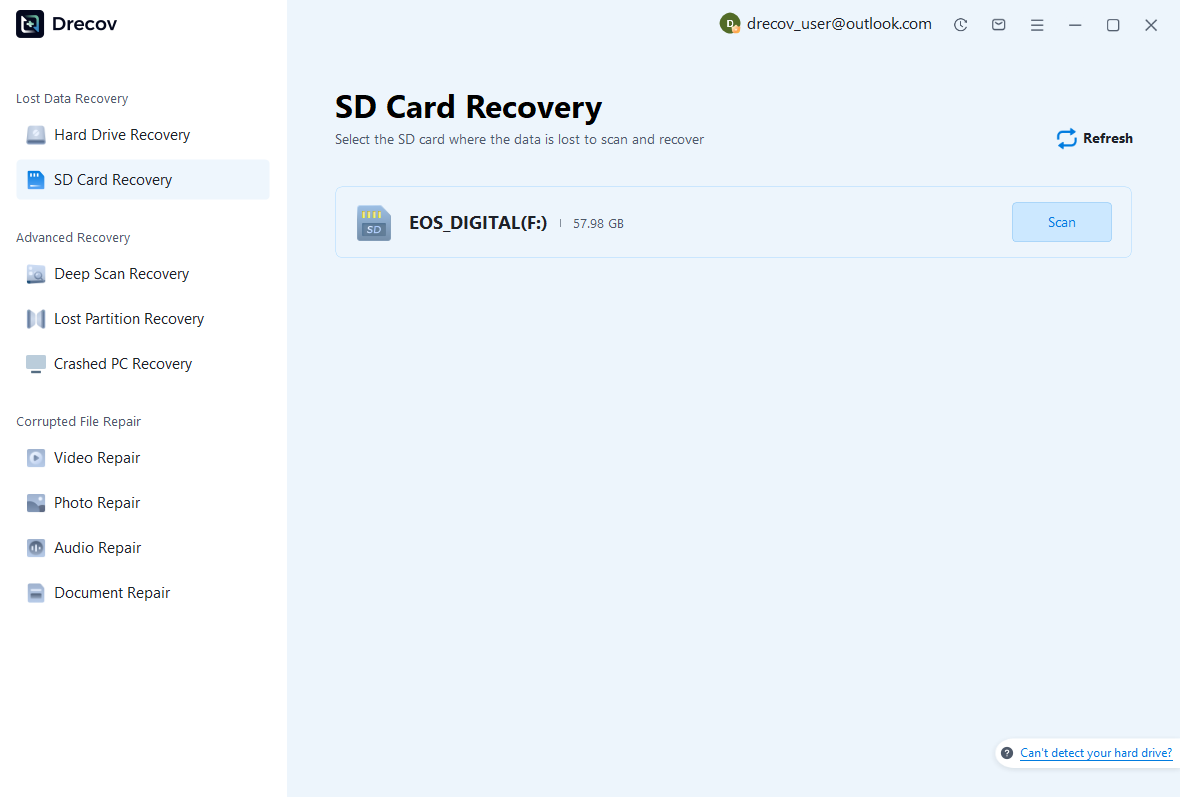
- Connect the card to the computer with a reliable card reader.
- Open PandaOffice Drecov and select the target storage device.
- Start the scan and wait for the quick scan and deep scan results.
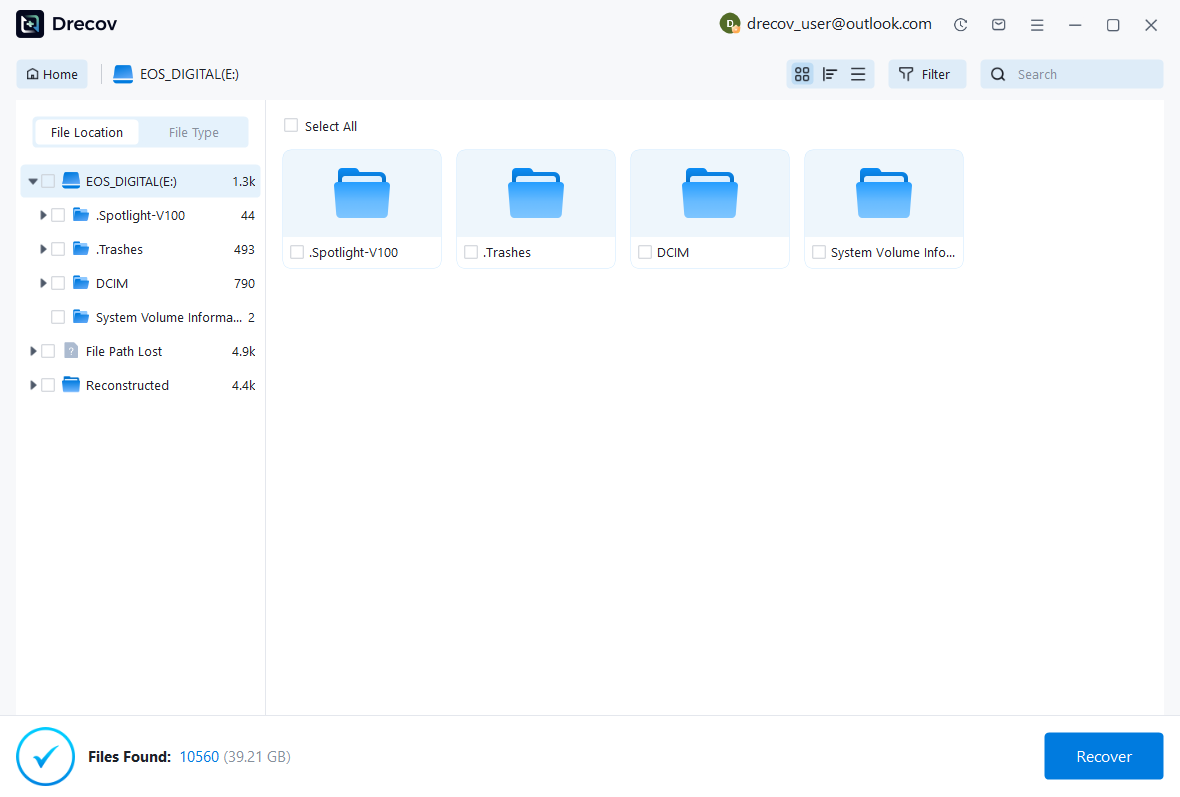
- Filter results by photos, videos, documents, or audio files.
- Preview recoverable files before saving them.
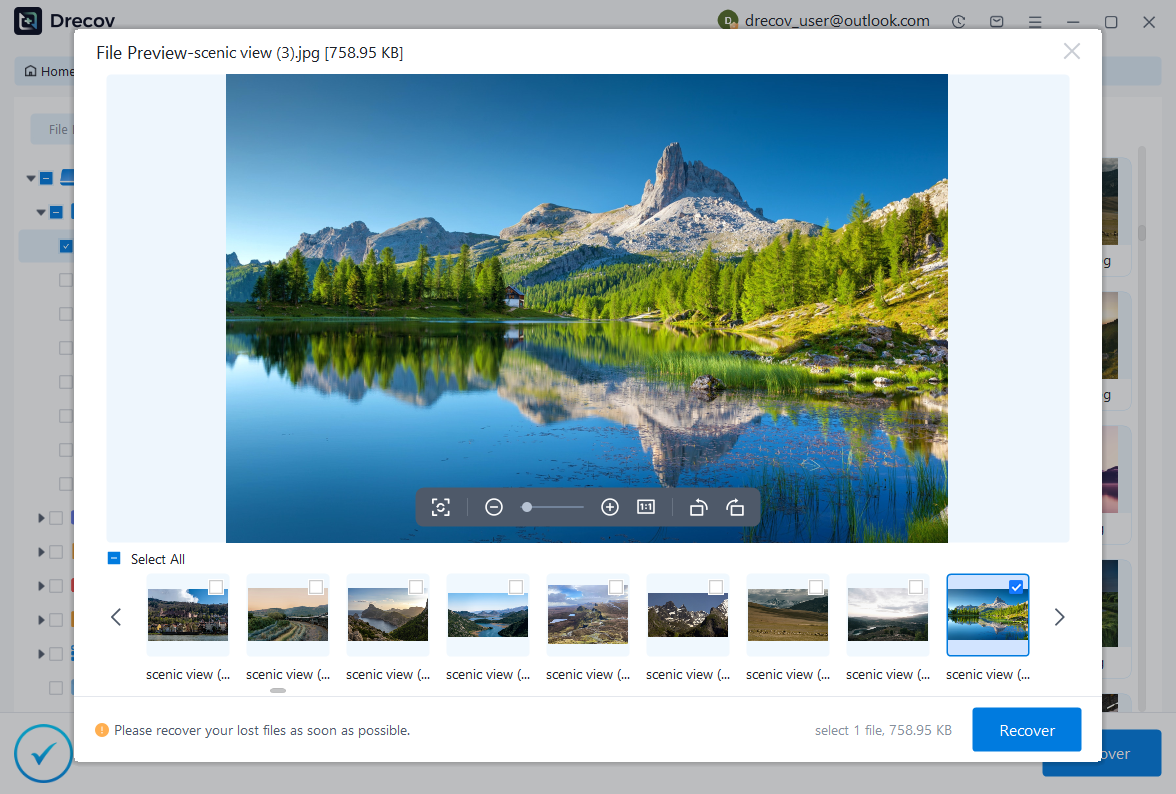
- Recover selected files to a computer folder or external drive, not back to the original SD card.
What To Do If It Fails: Check backups, app sync, Google Photos, Samsung Cloud, or a repair service that can restore temporary phone access. A desktop scan cannot bypass encrypted internal storage.
Risk Level: Low when recovered files are saved to another drive.
Method 3: Recover App Media From The App Account
Messaging and social apps often keep media in accounts rather than normal folders. Open the same account on another device and check downloads, drafts, saved messages, archive, and web versions.
What Not To Do After Android File Deletion
Do not take new photos, record videos, install large apps, or run cleanup tools. These actions write new data. Do not factory reset the phone unless backups already contain every important file. Do not save recovered files back to the source card.
A Decision Tree For Android File Recovery
The question “how can I recover deleted files on Android” has more than one answer because Android stores data in several places. Use a decision tree before you choose a tool. First, ask whether the file was synced. If yes, check Google, Samsung, OneDrive, WhatsApp, Telegram, or the app that created the file. Second, ask whether the file was on an SD card. If yes, remove the card and scan it from a computer. Third, ask whether the phone still unlocks. If yes, copy visible folders before you run any recovery tool. Fourth, ask whether the file was inside encrypted internal storage after a factory reset. If yes, normal recovery chances drop sharply.
This decision tree keeps the article practical. It also prevents the common mistake of treating every deleted Android file as the same case. A deleted PDF from Downloads, a missing WhatsApp image, a removed Samsung Gallery video, and a lost voicemail all need different checks.
If The File Came From A Messaging App
Open the chat app before scanning the phone. Many messaging apps keep media in their own folders or cloud history. In WhatsApp, check the contact chat, WhatsApp Images, WhatsApp Video, and local backup dates. In Telegram, open Saved Messages, cache settings, and the Telegram folder. In Messenger or Instagram, check whether the file still exists in the conversation. Export important media to a computer once you find it.
If The File Was A Document
Documents often hide in Downloads, email attachments, Drive, OneDrive, Office apps, browser folders, or a work profile. Check the Files app with filters for PDF, DOCX, XLSX, PPTX, ZIP, and TXT. Also sort by modified date instead of file name. If the document came from a computer and later synced to Android, recovery may work better on the original computer or cloud account than on the phone.
If The File Was A Photo Or Video
Photos and videos need fast action because new camera files can overwrite free space. Check Gallery Trash, Google Photos Trash, Archive, Locked Folder, SD card DCIM, and cloud albums. If the phone saves camera media to an SD card, do not record new videos. Remove the card, connect it to a computer, and scan it before Android writes thumbnails or cache files to the card.
What Not To Do After Deletion
Do not clear storage to “make room” before recovery. That can erase caches, thumbnails, temporary files, and app databases that still point to missing content. Do not format an SD card when Windows or Android asks. A format can overwrite file system records that recovery tools need. Do not install several recovery apps one after another on the same phone. Each install writes new data and may push deleted file fragments farther out of reach.
Also avoid factory reset unless you only want to restore from a known backup. A reset is not a recovery method for files that were not backed up. It usually removes app data, account state, and local storage references. If you must repair the phone, copy files first and document what you tried so you do not repeat risky steps later.
How To Verify Recovered Android Files
- Open recovered photos at full size, not only thumbnail view.
- Play recovered videos from start to end and check audio sync.
- Open documents in the correct app and confirm the latest edits exist.
- Sort recovered folders by original path when the recovery tool provides that data.
- Rename only after verification, so you can still compare recovered files with scan results.
- Create a second copy on an external drive or cloud folder before deleting anything from the phone.
Verification matters because a recovery result can look successful while a file remains partially damaged. A careful check helps users avoid uploading broken media or deleting the only remaining readable copy.
Related Recovery Guides
Deleted social videos need app-specific checks. See this TikTok video recovery guide for draft and deleted video paths.
If the missing file is an Adobe Illustrator project, use the Illustrator file recovery guide instead.
If your backup destination is a LaCie drive on Mac, this LaCie hard drive guide can help when the drive does not show up.
If Windows backup restore is part of the plan, read how to restore a computer to an earlier date on Windows.
Troubleshooting When Android Files Still Do Not Appear
Search By Extension Instead Of File Name
Android users often remember a file type more clearly than the exact file name. Search for JPG, PNG, HEIC, MP4, PDF, DOCX, XLSX, ZIP, M4A, and OPUS in the Files app. Also search by app folder. A file may lose its friendly name after download, export, or transfer, but the extension and size can still reveal it.
Check Work Profile And Secure Spaces
Some Android devices separate personal and work data. A deleted work document may not appear in the personal Files app. Open the work profile, company storage app, or secure container and check its own Trash or recent file list. If the phone uses Samsung Secure Folder or a similar private space, open that space before assuming the file is gone.
Look For App Copies
Apps often create copies when users edit, send, or export files. A missing image may still exist in a chat attachment folder. A deleted PDF may remain in an email attachment. A video edited in a mobile editor may still exist as an export or project preview. These copies may not have the original quality, but they can solve the immediate problem.
Recovery Notes For Different Android Versions
Newer Android versions use stricter storage permissions. That improves privacy but limits what a normal app can scan. Older Android phones may expose more folders through USB, while newer phones often show only media and document areas. This difference explains why a recovery method that worked on an old phone may not work on a newer model.
Encryption also changes expectations. If the phone is locked, reset, or badly damaged, a software tool cannot simply read old internal files without the working device and correct credentials. In those cases, backups and removable storage matter most. Users should check Google account data, Samsung account data, app backups, and SD card contents before spending time on broad scans.
FAQ
How Can I Retrieve Deleted Pics From My Phone?
Check Gallery Trash, Google Photos Trash, cloud backups, app folders, and SD card recovery options.
How Can I Retrieve Deleted Videos From My Phone?
Check Google Photos, Gallery Trash, app folders, and removable storage. Stop recording new videos until recovery finishes.
Can Deleted Android Files Return After A Reset?
Usually only through backups. Modern Android encryption makes internal storage recovery after reset very limited.
Conclusion
How can I recover deleted files on Android? Use the least risky path first. Restore from Trash and backups, copy visible folders, scan SD cards from a computer, and avoid reset until the files are safe.





