







How to get deleted videos back on Android depends on timing. Videos are large, so new recordings, downloads, and app updates can overwrite recoverable space quickly. Stop using the phone first, then check Trash, cloud sync, app folders, and removable storage.
Start With The Fastest Safe Checks
Open Gallery Trash, Google Photos Trash, Files, Download, Movies, DCIM, and app folders. Then check cloud accounts from a computer. These checks do not require installing new apps and often solve the problem faster than scanning.
Video Recovery Paths By Storage Source
Camera Videos
Camera videos usually live in DCIM/Camera. Check Gallery Trash and Google Photos first.
Downloaded Videos
Downloaded videos may live in Download, browser folders, Telegram, WhatsApp, or social app folders.
SD Card Videos
SD card videos should be recovered from a computer with a card reader. Do not format the card if the computer reports an error.
Methods To Recover Deleted Android Videos
Method 1: Restore From Trash
- Open Gallery or Photos.
- Open Trash or Recently Deleted.
- Select videos.
- Tap Restore.
- Confirm playback after restore.
Method 2: Restore From Cloud Or App Accounts
Sign in to Google Photos, OneDrive, Samsung Cloud, Telegram, TikTok, or other apps. Download videos to a computer before clearing the phone.
Method 3: Copy Existing Video Folders
If the phone still unlocks, connect it to a computer and copy DCIM, Movies, Download, and app folders. Some videos are not deleted; they are only hidden from Gallery.
Recover Files From Android SD Card With PandaOffice Drecov
Use this method only when the missing files are on a readable Android SD card or removable storage device. PandaOffice Drecov is included here as one practical recovery method, not as a repeated mention across every solution.
Best For: Deleted photos, videos, documents, voice files, app media, and SD card folders that no longer appear on Android.
Tool Used: PandaOffice Drecov.
Test Environment:
Operating System: Windows 11
Device Type: Android microSD card through card reader
File System: FAT32 / exFAT
Problem Scenario: Deleted Android videos on SD card before overwrite
Tool Used: PandaOffice Drecov
Steps
- Power off the Android phone and remove the SD card if the missing files were stored there.
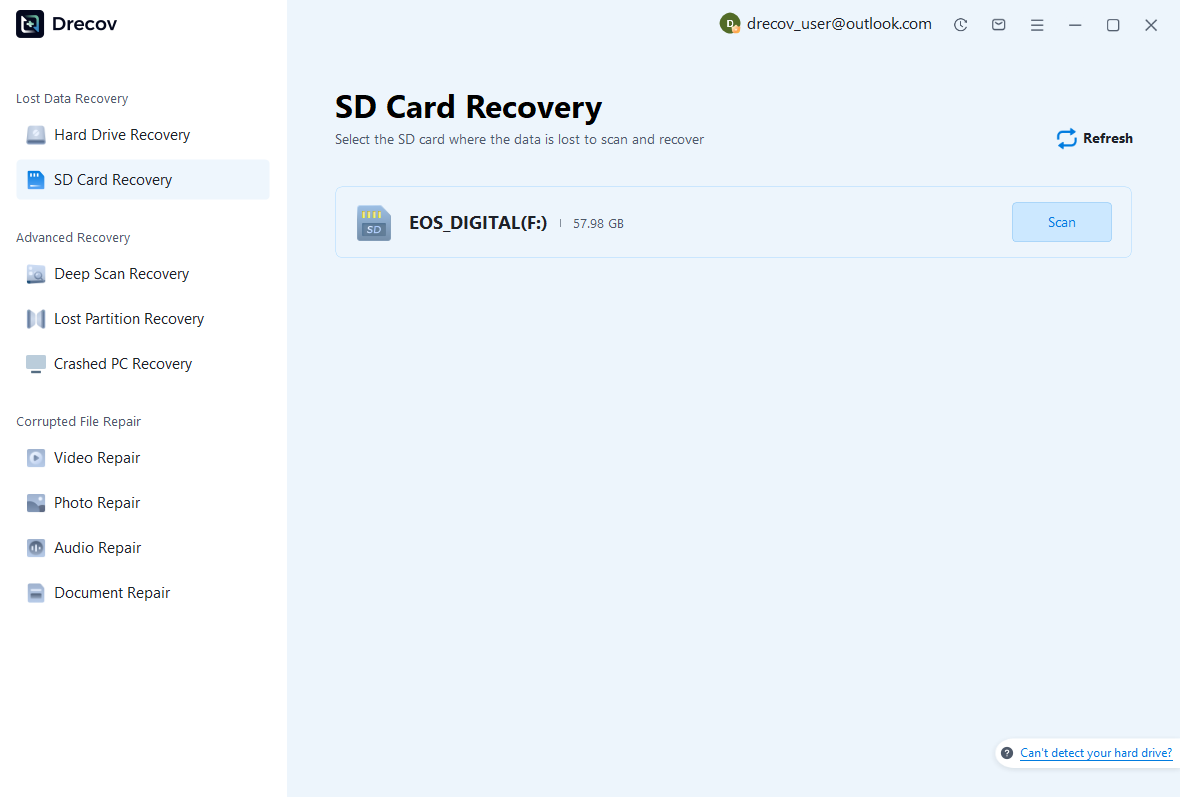
- Connect the card to the computer with a reliable card reader.
- Open PandaOffice Drecov and select the target storage device.
- Start the scan and wait for the quick scan and deep scan results.
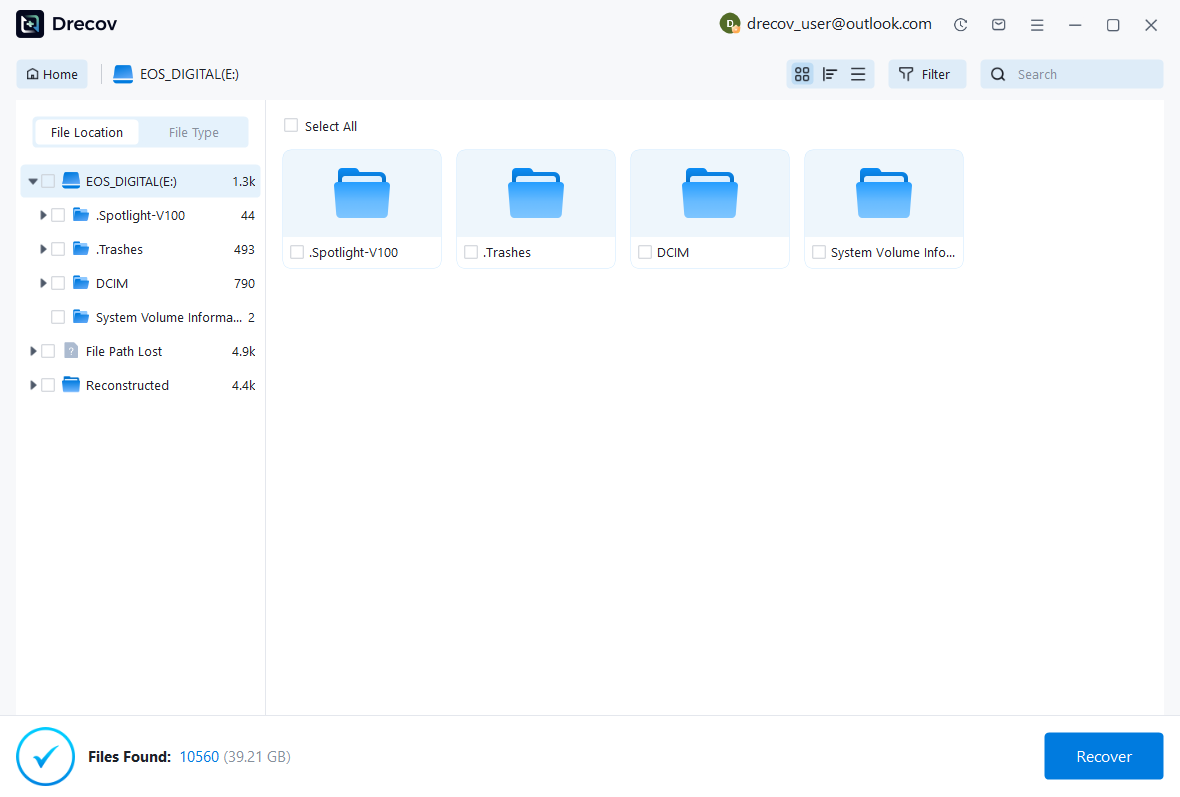
- Filter results by photos, videos, documents, or audio files.
- Preview recoverable files before saving them.
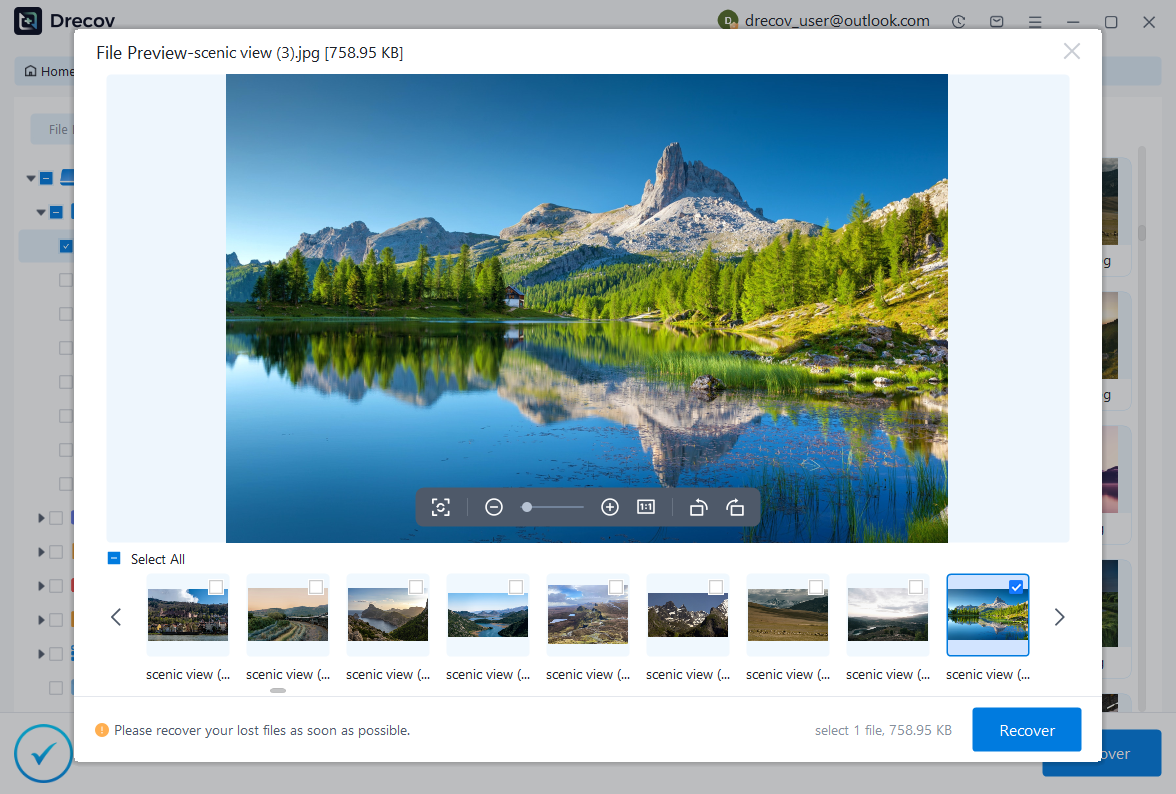
- Recover selected files to a computer folder or external drive, not back to the original SD card.
What To Do If It Fails: Check backups, app sync, Google Photos, Samsung Cloud, or a repair service that can restore temporary phone access. A desktop scan cannot bypass encrypted internal storage.
Risk Level: Low when recovered files are saved to another drive.
How To Improve Video Recovery Results
Recover videos to another drive. Sort results by size because thumbnails are much smaller than full videos. Play a few seconds from the beginning, middle, and end of each recovered video. A file that opens but stops early may be incomplete.
If the phone belongs to a Samsung user, also check Samsung-specific folders and Secure Folder. If the video came from social apps, check drafts, app cache, cloud sync, and web versions before scanning.
Choose A Recovery Route By Video Source
To get deleted videos back on Android, first identify where the video came from. A camera video, a screen recording, a downloaded clip, a TikTok draft, and a WhatsApp video do not share the same recovery path. Camera videos usually live in DCIM/Camera or an SD card. Screen recordings may sit in Movies or a dedicated screen recording folder. Downloaded clips may stay in Download, browser folders, or app folders. Social drafts often remain inside the app until cache cleanup or reinstall removes them.
This source-first method keeps the article from sounding generic. It also gives the user a practical way to avoid unnecessary scans. If the video still exists in an app draft, exporting it is better than running recovery software. If it sits on an SD card, a desktop scan is safer. If it was only in internal storage and you continued using the phone, recovery becomes less predictable.
Camera Videos
Open Gallery Trash, Google Photos Trash, Archive, Locked Folder, DCIM/Camera, and cloud albums. If your camera saves to SD card, stop using the card immediately. Large camera videos are easy to overwrite because Android keeps creating thumbnails, logs, and cache files.
Screen Recordings
Search for “screen”, “recording”, “movies”, and common video extensions in the Files app. Some Android brands save recordings outside DCIM. If a recording app created the file, open that app and check export history or project folders.
Social App Videos
Open the social app before clearing cache. TikTok, Instagram, WhatsApp, Telegram, and video editors may hold drafts, exports, or compressed copies. If you find the clip, export it to a computer or cloud folder right away. Reinstalling the app can remove the only remaining local copy.
What Changes Recovery Chances
Time matters, but phone activity matters more. A phone that sat unused after deletion gives you a better chance than a phone used for filming, gaming, updating apps, and downloading media. Video files are large, so partial overwrite is common. A recovered video may open but skip, freeze, or lose audio if part of the file changed.
Storage type also matters. Removable SD cards usually offer the most practical recovery path because a computer can scan them directly. Internal Android storage uses encryption and app-controlled access. A locked, reset, or damaged phone may block normal file recovery even when the physical memory still exists.
After Recovery: Build A Video Backup Habit
- Keep camera videos synced to Google Photos, OneDrive, or another trusted cloud service.
- Export social drafts before clearing app cache or reinstalling apps.
- Copy important project videos to a computer at the end of each editing session.
- Use a separate SD card for high-value recording sessions, then back it up before reuse.
- Keep at least one backup outside the phone so a reset or screen failure does not remove every copy.
A backup habit sounds ordinary, but it solves the exact problem most users face after video loss: the phone becomes both the lost-data source and the active daily device. Separating important videos from that single point of failure makes future recovery less urgent and less risky.
Related Recovery Guides
For TikTok drafts and deleted clips, read this TikTok video recovery guide.
For design files, this Illustrator recovery guide is more relevant.
For Mac backup drives, check the LaCie drive not showing up guide.
For Windows restore points, review how to restore Windows to an earlier date.
Why Deleted Android Videos Sometimes Come Back Damaged
Video files are larger than photos and documents, so they face a higher risk of partial overwrite. Android may reuse the space for thumbnails, app cache, downloaded updates, or new recordings. When that happens, a recovery tool may find the old file name and some video data but not the complete stream. The result may freeze, skip, lose sound, or stop before the original ending.
This is why you should stop recording as soon as you notice the loss. A single new 4K clip can use a large amount of storage. If the deleted video sits on an SD card, remove the card. If it sits in internal storage, reduce phone activity and check cloud copies first.
How To Test A Recovered Video
- Copy the recovered video to a computer.
- Open it in a standard player and watch the first minute.
- Jump to the middle and final section.
- Check whether audio stays synchronized.
- Compare file size with similar videos from the same phone.
- Keep the recovered file unchanged before repair or conversion.
Backup Settings To Change After Recovery
After you recover the deleted videos, adjust the phone so the same problem becomes easier next time. Turn on cloud sync for camera videos, but confirm whether mobile data upload is allowed. Large videos may wait for Wi-Fi and never upload if the phone does not connect long enough. Also check whether your cloud account has enough space.
For social and editing apps, export important drafts at the end of each session. Drafts are not the same as normal gallery videos. They may disappear after reinstall, cache cleanup, account switch, or failed app update. Exporting gives you a normal video file that you can copy and back up.
FAQ
Can I Recover Deleted Videos From My Phone After Reset?
Usually only through backups. Internal storage recovery after reset is very limited on modern Android.
Can I Recover Deleted Images The Same Way?
Yes, start with Trash, cloud backups, folders, and SD card recovery. Images are smaller and may survive longer than videos.
Should I Keep Recording Before Recovery?
No. New videos can overwrite deleted video data quickly.
Conclusion
How to get deleted videos back on Android starts with safe checks, not panic. Use Trash, cloud accounts, folder copy, SD card scanning, and careful preview before you reset or reuse storage.





