







I bought a new Windows 11 laptop and I’m planning to donate a Windows 10 device to a local church and want to make sure the hard drive is securely erased before handing it over. I understand that simply deleting files or formatting the drive may not be enough to fully protect my data from being recovered. What is the best way to secure erase hard drive in Windows 10 so that no personal information can be retrieved? I’m looking for an easy-to-follow solution that ensures the data is irrecoverable.—Microsoft
Introduction to Wiping Hard Drives
Why wiping a hard drive is necessary
Knowing how to wipe a hard drive safely is critical when selling, donating, or repurposing a computer. Simply deleting files or formatting does not fully remove sensitive data; remnants can still be recovered using professional tools.
Understanding how to completely wipe a hard drive ensures that personal, financial, or business information cannot be accessed by unauthorized users. This is particularly important for Windows 10 users and businesses handling confidential files.
Additionally, learning how to wipe a computer hard drive can improve system performance in some cases by clearing cluttered data and restoring the drive to a clean state.
⚠️Warning: Improper wiping may leave recoverable data behind, putting sensitive information at risk.
When and Why You Need to Wipe Your Hard Drive
Common scenarios for full data erasure
You may need to wipe a hard drive clean in several situations:
- Selling or donating a laptop or desktop
- Upgrading to a new drive or system
- Reinstalling Windows or other operating systems
- Protecting personal or corporate data
Learning how to wipe a hard disk drive correctly prevents unauthorized recovery and ensures compliance with data privacy regulations. In business environments, secure erasure of hard drives is often mandatory before disposal or reassignment.
Test Environment:
- Device: Windows 10 laptop, 512GB SSD
- Scenario: Preparing for resale
- Outcome: Drive fully wiped with no recoverable files
Preparation Before Wiping Your Drive
Steps to take for safe and effective erasure
Before attempting to wipe a hard drive Windows 10, prepare your system:
- Backup important data: Save files to an external drive, cloud storage, or NAS.
- Ensure power stability: Wiping is resource-intensive; sudden shutdowns can corrupt the drive.
- Confirm drive selection: Make sure you choose the correct drive to avoid accidental data loss.
- Select a wiping method: Options include built-in OS tools, third-party software, or professional solutions.
Test Environment:
- Device: 1TB SATA HDD in desktop PC
- Setup: Stable OS environment, backed-up critical files
- Result: Ready for safe erasure
Step-by-Step Methods to Wipe a Hard Drive
Method 1: Using Windows 10 Reset Feature
Windows 10 offers a built-in method for how to wipe a hard drive clean:
- Go to Settings → Update & Security → Recovery → Reset this PC.
- Choose Remove everything for complete erasure.
- Optionally select Clean the drive to prevent recovery of deleted files.
- Follow the prompts to start the process.
This approach is simple and effective for most users and eliminates the need for external software.
Test Environment:
- Device: Windows 10 laptop, 256GB SSD
- Result: Full OS reinstall with secure file deletion
Method 2: Using Disk Management and Format
For how to wipe a hard disk drive, you can format partitions manually:
- Open Disk Management via Control Panel.
- Right-click the target drive → Format.
- Select a file system (NTFS recommended) and uncheck Quick Format for thorough erasure.
- Apply changes to complete the wipe.
This method effectively removes data and prepares the drive for reuse or reinstallation of OS.
Test Environment:
- Device: Desktop PC with multiple HDDs
- Scenario: Wiping secondary storage
- Result: Partition cleared and data unrecoverable by casual methods
Method 3: Using Command Prompt for Secure Erasure
Command-line users can use diskpart and format for how to completely wipe a hard drive:
- Open Command Prompt as administrator.
- Enter
diskpart→list disk→select disk X(replace X with your disk number). - Use
clean allto overwrite every sector with zeros, fully erasing the drive.
This approach provides a thorough wipe and is particularly useful for IT professionals managing multiple systems.
Test Environment:
- Device: Windows 10 desktop, 1TB HDD
- Result: All sectors overwritten, no recoverable files
⚠️Warning: This process is irreversible. Ensure the correct disk is selected.
Method 4: Recover Data Before Wiping with Pandaoffice Drecov
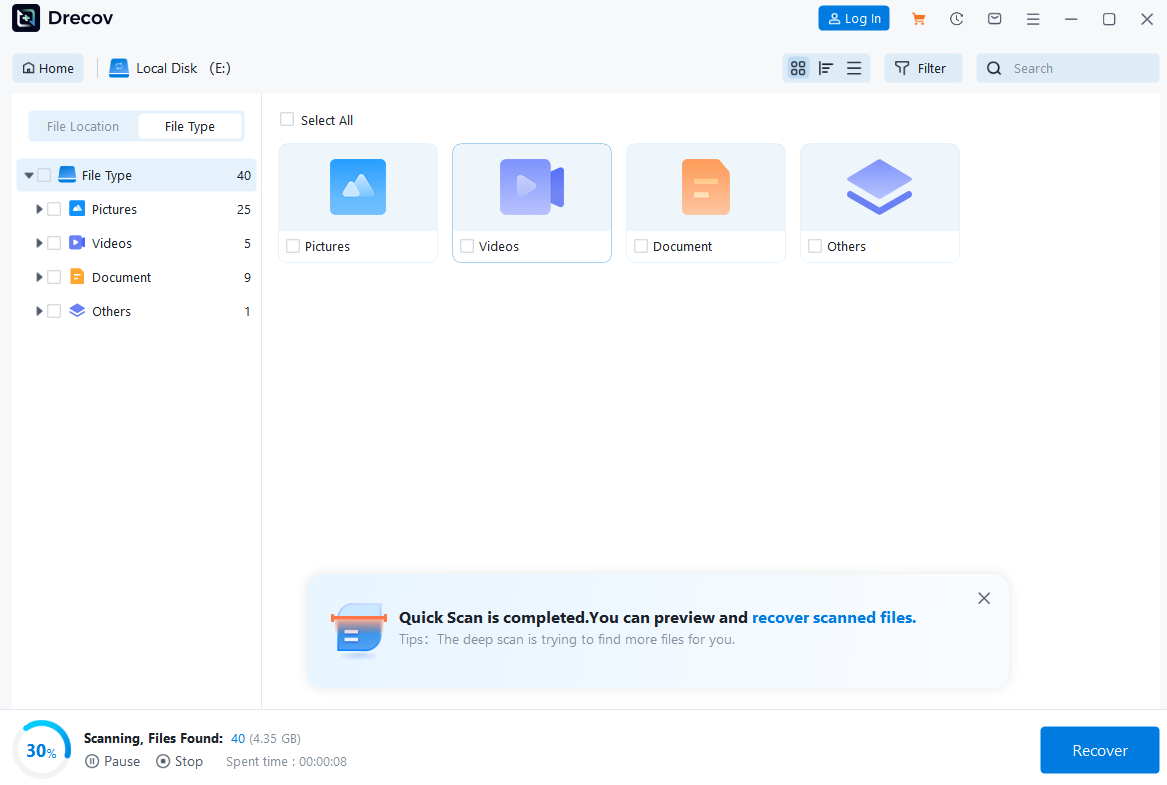
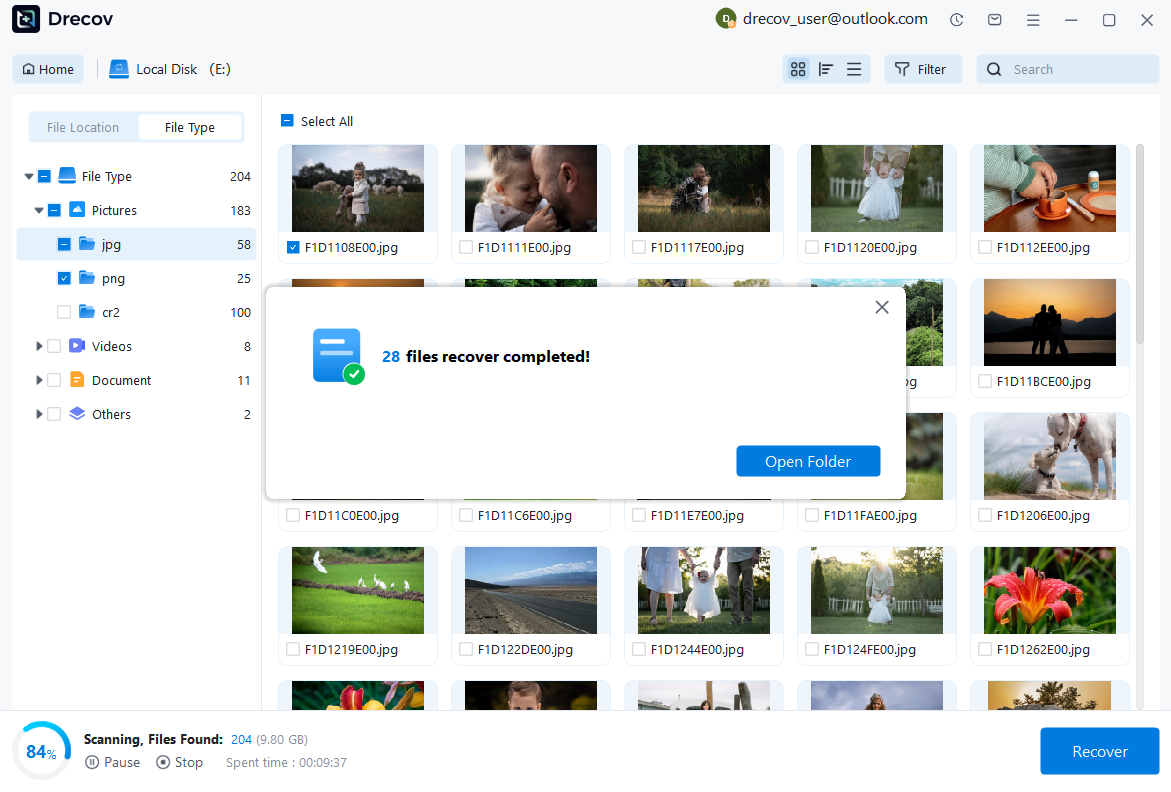
Before wiping a drive, you may need to recover important files from old or corrupted disks. Pandaoffice Drecov is a professional data recovery software that allows you to retrieve files before performing a complete wipe.
Download Drecov- Launch Pandaoffice Drecov and select the drive.
- Perform a deep scan to locate recoverable files.
- Preview and save critical documents, photos, or videos to a safe location.
This ensures you do not lose valuable data when performing a how to wipe a computer hard drive operation.
Test Environment:
- Device: 500GB HDD from an old laptop
- System: Windows 10
- Result: Successfully recovered 95% of critical files

Why Choose Pandaoffice Drecov?
Pandaoffice Drecov stands out as a powerful and user-friendly solution for handling various data loss scenarios. Whether you need to reset PC to earlier date, perform a recover deleted Blink video, or figure out how do I recover an overwritten Excel file, Drecov provides reliable and efficient recovery tools in one place. It also excels at recovering photos from SD cards, making it ideal for photographers and everyday users alike. Even complex situations like Illustrator unsaved file recovery are handled with advanced scanning algorithms that maximize file retrieval success. With its intuitive interface, deep scan technology, and high recovery rate, Pandaoffice Drecov ensures your lost data can be restored quickly and safely without requiring technical expertise.
⚠️Warning: Always recover data to a different drive before wiping the original.
Method 5: Using Third-Party Data Wiping Software
For users seeking more control over how to wipe a hard drive Windows 10, third-party tools offer multiple erasure standards and overwrite passes.
Steps:
- Download and install a trusted data-wiping program.
- Select the target drive for erasure.
- Choose the wiping method, such as DoD 5220.22-M or NIST 800-88, which perform multiple passes for higher security.
- Start the process and wait until completion.
These tools ensure a complete wipe that prevents recovery even with advanced software.
Test Environment:
- Device: 1TB SATA HDD
- Tool: Professional third-party data erasure software
- Result: Disk securely wiped with multiple overwrite passes
⚠️Warning: Ensure that backups exist; data recovery after multi-pass overwriting is impossible.
Method 6: Physically Destroying the Drive
Physical destruction is the ultimate method when security is paramount. To completely wipe a hard drive, you can:
- Remove the drive from the computer.
- Use a hammer, drill, or shredding machine to destroy the platters.
- Dispose of the remnants according to local electronic waste regulations.
This method is typically used by organizations handling sensitive or classified data. It ensures no data can be recovered, even by advanced forensic methods.
Test Environment:
- Device: 2TB HDD
- Scenario: End-of-life disposal
- Result: Disk physically destroyed, data irretrievable
⚠️Warning: Wear protective gear when performing physical destruction.
Method 7: Using Diskpart Clean Command for SSDs
For how to wipe a hard disk drive on SSDs, diskpart is effective:
- Open Command Prompt as administrator.
- Enter
diskpart→list disk→select disk X. - Run
clean allto overwrite the SSD completely.
Note: SSDs have limited write cycles. Avoid frequent full wipes; consider using built-in secure erase commands provided by the manufacturer for repeated use.
Test Environment:
- Device: 500GB NVMe SSD
- Result: SSD fully wiped, ready for reuse
FAQ About Wiping Hard Drives
How do I wipe a hard drive clean?
Use built-in OS tools, command-line utilities, or professional software to overwrite all sectors. Ensure backups exist before erasing.
How to wipe a computer hard drive safely?
Follow step-by-step procedures, use secure erasure methods, and optionally recover data first with Pandaoffice Drecov.
Can I wipe a hard drive without affecting other drives?
Yes. Always confirm the drive selection in your wiping tool. Most software allows you to choose the exact disk.
Does formatting completely erase a drive?
No. Quick formatting only removes file tables; data may still be recoverable. Use full format or professional wiping methods for complete erasure.
Test Environment:
- Device: Windows 10 laptop with dual drives
- Result: Only target drive erased; other drive remained intact
Best Practices for Wiping Hard Drives
Prevent accidental data loss and ensure security
- Backup everything: Before wiping, ensure important files are safe.
- Select the correct drive: Double-check target disk.
- Choose appropriate method: Use built-in tools for simple wipes, multi-pass overwriting for sensitive data.
- Recover critical files if needed: Use Pandaoffice Drecov before wiping if files may be needed.
- Follow safety protocols: For physical destruction, wear protective gear.
Test Environment:
- Device: Mixed HDDs and SSDs
- Scenario: Multiple wipe operations in lab environment
- Result: Secure data erasure without mistakes
Conclusion: Ensure Complete Data Security
Key takeaways for wiping hard drives
Knowing how to wipe a hard drive is essential for data privacy and security. Whether using Windows tools, command-line utilities, third-party software, or physical destruction, each method has its place depending on your needs.
Always remember to:
- Backup critical data
- Confirm drive selection
- Use secure wiping methods or professional recovery solutions like Pandaoffice Drecov before erasure
- Monitor the process to completion
By following these guidelines, users can protect sensitive information, prevent unauthorized recovery, and maintain data security for personal or business purposes.






