







What stop code VIDEO_TDR_FAILURE means in Windows systems
The stop code video tdr failure error is a common Blue Screen of Death (BSOD) problem in Windows computers. It usually appears when the graphics processing unit (GPU) stops responding properly and Windows cannot recover the display driver in time.
TDR stands for:
- Timeout
- Detection
- Recovery
Windows uses this mechanism to monitor GPU activity. When the graphics driver becomes unstable, crashes, or fails to respond, the system may display the stop code video_tdr_failure message and automatically restart.
This issue is especially common during:
- Gaming
- Video rendering
- GPU-intensive editing
- Driver updates
- Multiple monitor usage
In many cases, the error references files such as:
- nvlddmkm.sys (NVIDIA)
- atikmpag.sys (AMD)
- igdkmd64.sys (Intel graphics)
Understanding the cause is important before attempting repairs.
Why VIDEO_TDR_FAILURE errors happen frequently in Windows 10
The stop code video tdr failure windows 10 issue can occur because of both hardware and software problems. Graphics drivers are usually the main cause, but overheating, corrupted system files, or unstable GPU settings can also trigger crashes.
Common causes include:
- Corrupted graphics drivers
- Outdated GPU software
- Overheating graphics cards
- Faulty RAM modules
- Damaged Windows system files
- Overclocked GPU settings
- Power supply instability
Test environment
- Device: Gaming desktop with NVIDIA RTX GPU
- System: Windows 10 Pro
- Problem: VIDEO_TDR_FAILURE during gaming sessions
In this environment, outdated GPU drivers caused repeated blue screen crashes during high-load rendering tasks.
⚠️Warning: Frequent BSOD crashes may eventually corrupt system files or stored data if ignored for long periods.
Common symptoms before VIDEO_TDR_FAILURE crashes appear
Before the actual BSOD appears, users often notice warning signs indicating graphics instability.
Typical symptoms include:
- Screen flickering
- Random freezes
- Black screen flashes
- GPU fan running abnormally
- Display driver crashes
- Games suddenly closing
- Windows lag during video playback
Test environment
- Device: ASUS gaming laptop
- GPU: NVIDIA RTX 3060
- System: Windows 11
- Issue: screen flicker before VIDEO_TDR_FAILURE crash
These early signs usually indicate GPU communication problems that eventually trigger system failure.
How VIDEO_TDR_FAILURE affects system stability
Repeated BSOD crashes can negatively affect overall Windows stability. Unexpected shutdowns may damage open files, corrupt system updates, or interrupt storage operations.
Users attempting how to fix stop code video tdr failure should begin troubleshooting as soon as possible to avoid deeper operating system corruption.
Potential long-term risks include:
- Corrupted Windows installations
- File system errors
- Damaged application data
- GPU hardware stress
- Boot failures
⚠️Warning: Forcing repeated restarts after BSOD crashes may worsen existing driver corruption.
Effective methods to fix stop code VIDEO_TDR_FAILURE
Update or reinstall graphics card drivers
Corrupted or outdated GPU drivers are the most common cause of the stop code video_tdr_failure error.
Test environment
- Device: MSI desktop PC
- GPU: NVIDIA RTX 3070
- System: Windows 10
- Issue: VIDEO_TDR_FAILURE after Windows update
Steps to reinstall GPU drivers
Open Device Manager
Press:
Windows + XThen choose:
Device ManagerExpand Display Adapters
Locate the installed graphics card.
Uninstall the GPU driver
Right-click the device and select:
Uninstall DeviceRestart the computer
Windows automatically reinstalls basic drivers after reboot.
Install the latest official driver
Download the newest stable driver from the GPU manufacturer website.
This method resolves many stop code video tdr failure windows 10 crashes caused by unstable drivers.
Boot Windows into Safe Mode for troubleshooting
Safe Mode loads Windows with minimal drivers and services, making it easier to diagnose BSOD problems.
Test environment
- Device: Lenovo gaming laptop
- System: Windows 11
- Issue: BSOD loop preventing normal startup
Steps to enter Safe Mode
Open Windows Recovery Environment
Force shutdown the PC several times during boot until recovery mode appears.
Select:
Troubleshoot → Advanced Options → Startup SettingsRestart the computer
Choose:
Enable Safe ModeTroubleshoot drivers safely
Remove problematic GPU software or recent updates.
Safe Mode is useful when the stop code video tdr failure prevents normal Windows access.
Repair corrupted Windows system files
Damaged Windows files may interfere with graphics driver communication and trigger BSOD crashes.
Test environment
- Device: HP Pavilion desktop
- System: Windows 10
- Problem: VIDEO_TDR_FAILURE after unexpected shutdown
Repair process
Launch Command Prompt as administrator
Search for “cmd” and choose Run as Administrator.
Run System File Checker
sfc /scannowRepair Windows image files
DISM /Online /Cleanup-Image /RestoreHealthRestart the computer
Allow Windows to complete repairs before testing GPU stability again.
This method helps repair damaged operating system components contributing to BSOD errors.
Recover lost files after BSOD crashes using PandaOffice Drecov
PandaOffice Drecov can help recover files lost after unexpected BSOD crashes, system freezes, or corrupted partitions caused by repeated VIDEO_TDR_FAILURE errors.
Test environment
- Device: Windows gaming PC
- Storage: 1TB NVMe SSD
- Problem: inaccessible project files after repeated BSOD crashes
Recovery process
Connect the affected drive
Ensure the SSD or hard drive is recognized by Windows.
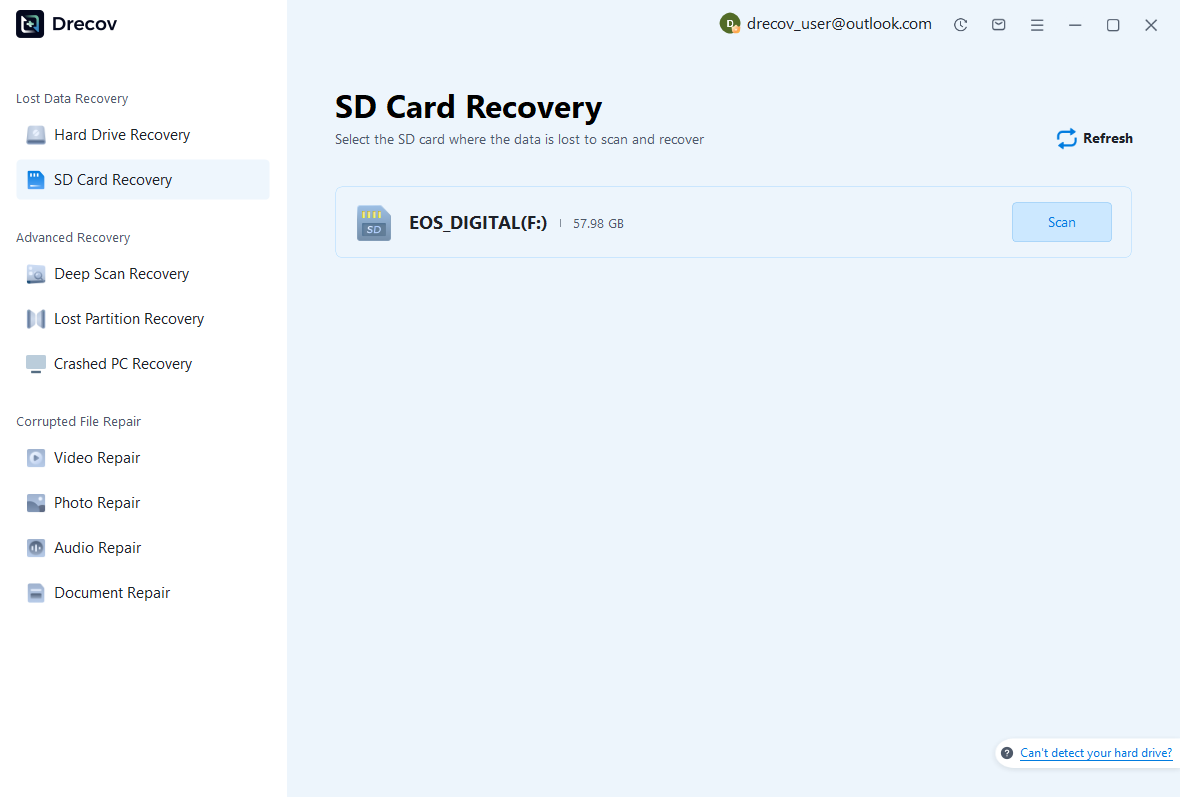
Launch PandaOffice Drecov
Open the recovery software and select the affected partition.
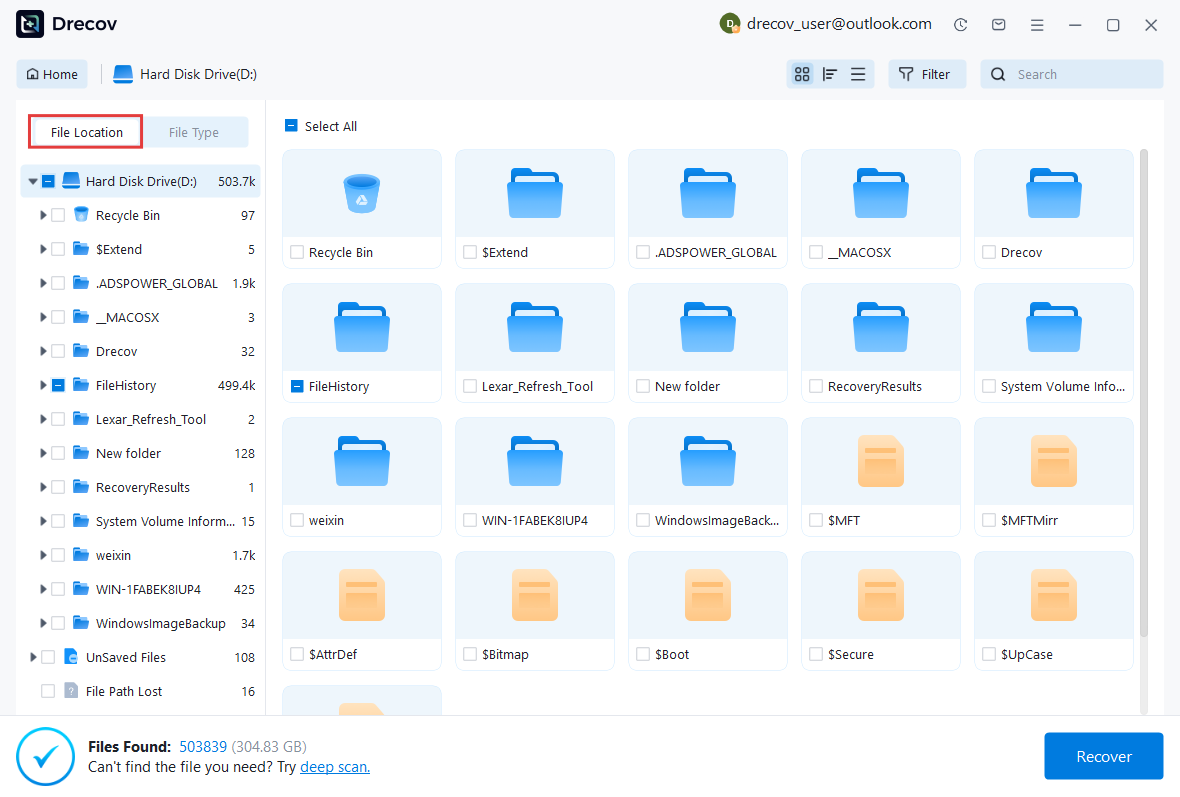
Start deep scanning
Scan the storage device for missing or corrupted files.
Preview recoverable data
Check detected files before recovery.
Save restored content safely
Export recovered files to another healthy drive.
This method is especially useful when BSOD crashes damage important documents, videos, or project files.

Why Choose PandaOffice Drecov Recovery Software?
PandaOffice Drecov offers a fast, secure, and user-friendly solution for recovering lost files across multiple scenarios. Whether you need email recovery, ZIP File Recovery, format data recovery, or help to recover deleted drafts Outlook, the software provides reliable recovery performance for both personal and business users.
PandaOffice Drecov supports recovery from formatted hard drives, SSDs, USB drives, SD cards, and external storage devices. Its advanced scanning engine can locate deleted archives, damaged ZIP files, lost Outlook drafts, and accidentally removed documents with high accuracy. For users searching for how to find deleted messages in Teams, PandaOffice Drecov can also help recover exported chat files, attachments, and related local cache data when available.
Key advantages include:
- Deep scan technology for complex data loss situations
- Support for emails, archives, videos, photos, and office documents
- Recovery from accidental deletion, formatting, corruption, and system crashes
- Easy preview before restoring files
- Compatible with Windows and multiple storage devices
Unlike complicated enterprise recovery tools, PandaOffice Drecov keeps the recovery process simple. Users can scan, preview, and restore files in just a few steps without technical expertise.
Whether you are dealing with lost Outlook drafts, corrupted ZIP archives, formatted drives, or missing communication data, PandaOffice Drecov provides an efficient and practical recovery experience designed to minimize downtime and protect important files.
Lower GPU temperature to prevent VIDEO_TDR_FAILURE crashes
Overheating is one of the most overlooked causes of the stop code video tdr failure error. When GPU temperatures rise too high, the graphics driver may stop responding, causing Windows to trigger a BSOD restart.
Test environment
- Device: Custom gaming desktop
- GPU: NVIDIA RTX 3080
- System: Windows 10
- Issue: VIDEO_TDR_FAILURE during extended gaming sessions
Steps to reduce GPU overheating
Clean dust from cooling components
Remove dust buildup from GPU fans, heatsinks, and case airflow vents.
Improve case ventilation
Add additional cooling fans or optimize airflow direction inside the PC case.
Monitor GPU temperatures
Use monitoring software to track GPU load and heat levels during gaming or rendering.
Replace thermal paste if necessary
Older graphics cards may suffer from dried thermal paste that reduces cooling efficiency.
After reducing GPU temperatures, system stability improved significantly during high-performance tasks.
⚠️Warning: Running a GPU consistently above safe temperatures may permanently damage hardware components.
Disable overclocking to stabilize the graphics driver
Many gaming systems use GPU or RAM overclocking to improve performance. However, unstable overclock settings often trigger the stop code video_tdr_failure error under heavy workloads.
Test environment
- Device: Overclocked gaming PC
- GPU: AMD Radeon RX 6800 XT
- System: Windows 11
- Issue: BSOD crashes during rendering tasks
Steps to disable overclocking
Open BIOS or overclocking software
Access MSI Afterburner, BIOS settings, or GPU tuning utilities.
Restore default GPU clock speeds
Reset GPU core and memory frequencies to factory settings.
Disable unstable voltage adjustments
Remove custom voltage or fan tuning profiles.
Restart the computer
Test the system under load after resetting hardware settings.
This solution often stabilizes systems experiencing frequent stop code video tdr failure windows 10 crashes.
Update Windows to improve GPU compatibility
Outdated Windows builds may contain compatibility problems with modern graphics drivers. Installing the latest updates can improve system stability and reduce BSOD frequency.
Test environment
- Device: Dell gaming laptop
- System: Windows 10 version 21H2
- Problem: VIDEO_TDR_FAILURE after installing new GPU driver
Steps to update Windows
Open Windows Settings
Navigate to:
Settings → Update & SecurityCheck for updates
Click:
Check for UpdatesInstall pending updates
Allow Windows to complete all available updates and restart the device.
Test graphics stability
Run GPU-intensive tasks again after the update process completes.
Updated system components often improve driver communication and reduce BSOD conflicts.
Faulty RAM can indirectly trigger graphics driver crashes because corrupted memory affects communication between the GPU and operating system.
Test environment
- Device: ASUS desktop PC
- RAM: 32GB DDR5
- System: Windows 11
- Issue: random VIDEO_TDR_FAILURE BSOD events
Memory diagnostic process
Open Windows Memory Diagnostic
Press:
Windows + RType:
mdsched.exeRestart and scan memory
Choose:
Restart now and check for problemsReview scan results
Windows automatically checks RAM integrity after rebooting.
Replacing unstable memory modules resolved repeated BSOD crashes in this test environment.
Adjust TDR settings in Windows Registry
Windows includes TDR timeout settings that determine how long the system waits before restarting the graphics driver. Increasing this timeout may reduce BSOD frequency in some situations.
Test environment
- Device: Video editing workstation
- GPU: NVIDIA RTX A4000
- System: Windows 10 Pro
- Issue: VIDEO_TDR_FAILURE during 4K rendering
Registry modification process
Open Registry Editor
Press:
Windows + RType:
regeditGo to:
HKEY_LOCAL_MACHINE\SYSTEM\CurrentControlSet\Control\GraphicsDriversCreate a new DWORD value
Create:
TdrDelaySet the value to:
8Restart the computer
Apply changes and test system stability.
⚠️Warning: Incorrect registry modifications may cause additional Windows problems. Create a backup before editing the registry.
Frequently Asked Questions About VIDEO_TDR_FAILURE
What does stop code VIDEO_TDR_FAILURE mean?
The stop code video tdr failure error indicates that the graphics driver stopped responding and Windows could not recover it successfully.
This usually involves GPU drivers, overheating, hardware instability, or corrupted system files.
Why does stop code video_tdr_failure happen repeatedly?
Repeated crashes typically indicate deeper issues such as:
- Faulty graphics drivers
- GPU overheating
- Power supply instability
- Corrupted Windows files
- Defective RAM or GPU hardware
Identifying the root cause is essential for permanent repair.
Can stop code video tdr failure windows 10 damage files?
Yes. Frequent BSOD crashes may interrupt file operations and damage open documents, video projects, or Windows system files.
Users experiencing repeated crashes should back up important data immediately.
How to fix stop code video tdr failure permanently?
Permanent fixes depend on the underlying cause, but the most effective solutions include:
- Updating GPU drivers
- Reducing overheating
- Disabling unstable overclocking
- Repairing Windows system files
- Testing hardware stability
- Updating Windows builds
In severe cases, failing GPUs or RAM modules may require replacement.
Final Thoughts on Fixing VIDEO_TDR_FAILURE Errors
The stop code video tdr failure error is one of the most frustrating Windows BSOD problems because it directly affects graphics stability, gaming performance, and creative workflows. Fortunately, most cases can be resolved through proper driver management, cooling improvements, system repairs, and hardware diagnostics.
This guide explained:
- Causes of stop code video_tdr_failure
- Common symptoms before crashes occur
- Effective repair methods for stop code video tdr failure windows 10
- Advanced GPU troubleshooting techniques
- Safe ways to protect files after BSOD crashes
By maintaining updated drivers, monitoring GPU temperatures, and avoiding unstable overclock settings, users can greatly reduce future VIDEO_TDR_FAILURE crashes and improve overall Windows stability.






