







USB ports are one of the most important parts of any computer. Whether you connect a keyboard, mouse, printer, webcam, gaming controller, external hard drive, or smartphone, USB ports make everything work together. Many people eventually ask the same question: “how many usb ports does my motherboard have?” It sounds simple, but the answer depends on several factors including the motherboard model, the computer case, internal headers, and the type of USB technology supported.
Modern motherboards are designed with a wide range of USB options. Some basic office PCs may only have six or eight USB ports, while high-end gaming motherboards can offer more than fifteen total connections when internal headers are included. On top of that, not all USB ports are equal. Some are slower USB 2.0 ports, while others are ultra-fast USB 3.2 or USB-C connections capable of handling high-speed data transfers and charging.
Why USB Ports Matter on a Motherboard
USB ports are like the doors of your computer. Every external device enters through them. Without enough ports, your setup can quickly become cluttered and inconvenient. Think about a modern desk setup. You may already use a mouse, keyboard, headphones, webcam, microphone, phone charger, and external SSD. Suddenly, six USB ports no longer seem like enough.
The motherboard acts as the central nervous system of your PC. It controls how all components communicate, including USB devices. The number of USB ports available depends largely on the motherboard chipset and design. Manufacturers decide how many ports to include based on the target audience. Budget motherboards usually focus on essential connectivity, while premium boards are loaded with advanced features and extra USB options.
USB ports are not only about quantity. Speed also matters. A USB 2.0 port works fine for a keyboard or mouse, but transferring large video files through USB 2.0 can feel painfully slow. USB 3.0 and newer versions dramatically improve transfer rates, making them ideal for gaming accessories, external drives, and high-performance devices.
How to Check How Many USB Ports Your Motherboard Has
One of the easiest ways to check your motherboard USB ports is by physically inspecting the back of your computer. The rear I/O panel contains the built-in external USB ports connected directly to the motherboard. You can count them manually and identify their types by looking at their colors and labels.
Here is a simple breakdown:
| USB Type | Common Color | Typical Speed |
| USB 2.0 | Black | 480 Mbps |
| USB 3.0 / 3.2 Gen 1 | Blue | 5 Gbps |
| USB 3.2 Gen 2 | Red or Teal | 10 Gbps |
| USB-C | Varies | Up to 20+ Gbps |
However, the rear panel does not always tell the whole story. Most motherboards also include internal USB headers. These headers connect to the USB ports on the front of your computer case. That means your PC may support more USB ports than what you see on the back.
Another reliable method is checking your motherboard model online. If you know your motherboard name, visit the manufacturer’s website and review the specifications page. You will usually find detailed information about:
- Rear USB ports
- Internal USB headers
- USB-C support
- USB speed versions
- Total USB connectivity
If you do not know your motherboard model, Windows makes it fairly easy to find. Open the Command Prompt and type:
wmic baseboard get product,Manufacturer
This command displays your motherboard manufacturer and model number. Once you have that information, searching online becomes simple. You can also use third-party software like CPU-Z or Speccy. These programs provide detailed hardware information including motherboard specifications and chipset details.
Expansion Solutions: Using a USB Port Splitter
If you have performed the check and realized your connectivity is lacking, don’t worry. You don’t necessarily need a new motherboard. A common solution is using a usb port splitter or a USB hub. These devices act like a power strip for your USB connections, allowing one port to host multiple devices.
When choosing a usb port splitter, it is essential to consider whether you need a “passive” or “powered” version. Passive splitters draw power directly from the motherboard. If you connect high-draw devices like external hard drives or webcams, the port might become overloaded. A powered hub, which plugs into a wall outlet, ensures that every device receives the necessary voltage to operate correctly without straining your motherboard’s internal circuitry.
The Risk of Data Loss During Hardware Connectivity Issues
While we focus on the question of how many usb ports does my motherboard have, we must also address what happens when these ports fail or when a connection is interrupted. Data recovery often becomes necessary when a USB device—like a flash drive or external hard drive—is unplugged improperly or fails due to a faulty port.
When a USB port experiences a power surge or a physical disconnect during a write operation, the file system on the connected device can become corrupted. This is a nightmare scenario for anyone storing important documents or photos. This leads us to the technical side of managing your data when hardware fails.
Mastering Data Recovery with PandaOffice Drecov Data Recovery Software
If your USB connectivity issues have led to “Drive not formatted” errors or missing files, you need a professional-grade solution. Using PandaOffice Drecov data recovery software is one of the most reliable ways to retrieve lost information from USB-connected devices.
Whether your computer failed to recognize the drive because of a faulty motherboard header or you accidentally deleted a partition, this software can reconstruct the file paths and recover your data. It supports a wide range of file formats and storage devices, making it a staple for IT professionals and home users alike.
⚠ Warning: Install it on a drive different from the one where your data was lost to prevent overwriting.
Step-by-Step Guide to Recovering Data from USB Devices
If you have lost data due to a connection failure, follow these steps to use PandaOffice Drecov data recovery software:
Step 1: Connect the Targeted USB Drive
Plug your device into the most stable port available. If you suspect a front-panel port is failing, plug it directly into a rear I/O port on the motherboard for maximum stability.

Step 2: Launch PandaOffice Drecov and Select the Drive
Open the application. On the main dashboard, you will see a list of all detected drives. Select the USB drive that contains the lost data.
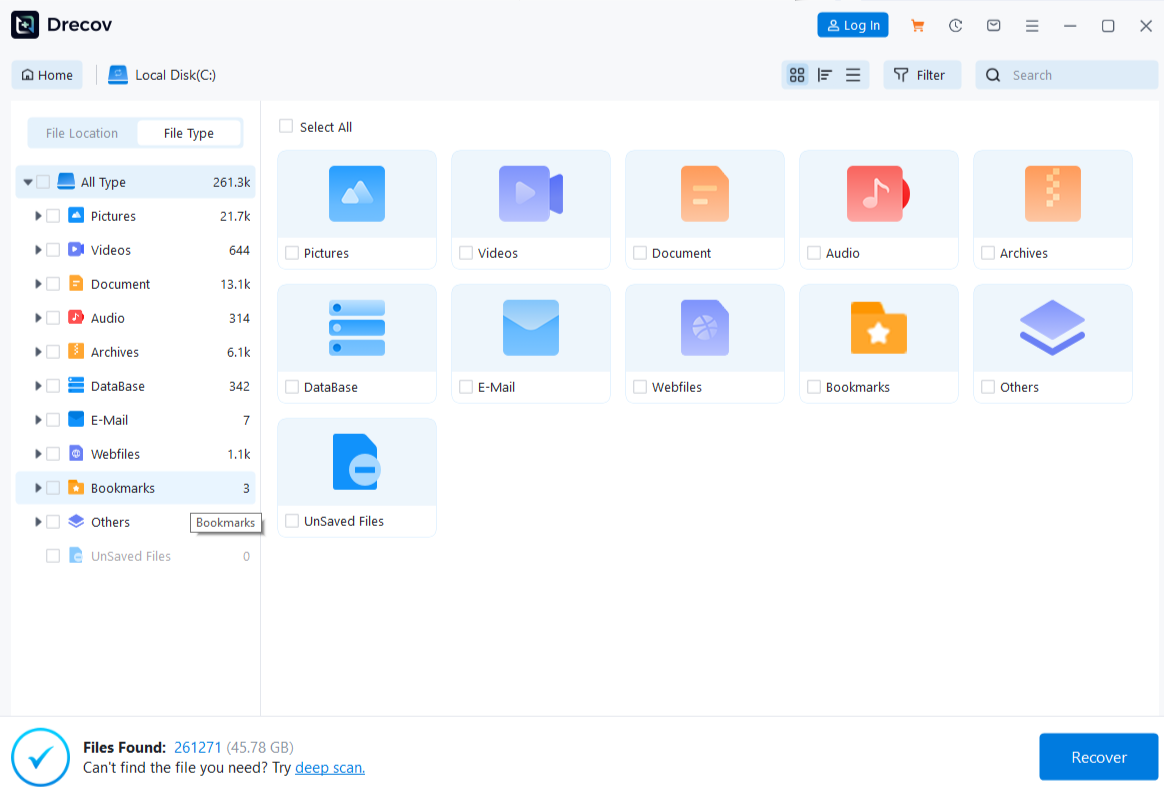
Warning: If the drive does not appear at all, it may have a physical hardware failure rather than a logical one.
Step 3: Initiate the Scan
Click on the “Scan” button. The software will perform a Quick Scan followed by a Deep Scan to locate every recoverable fragment of data. This process can take anywhere from a few minutes to several hours depending on the size of the drive.
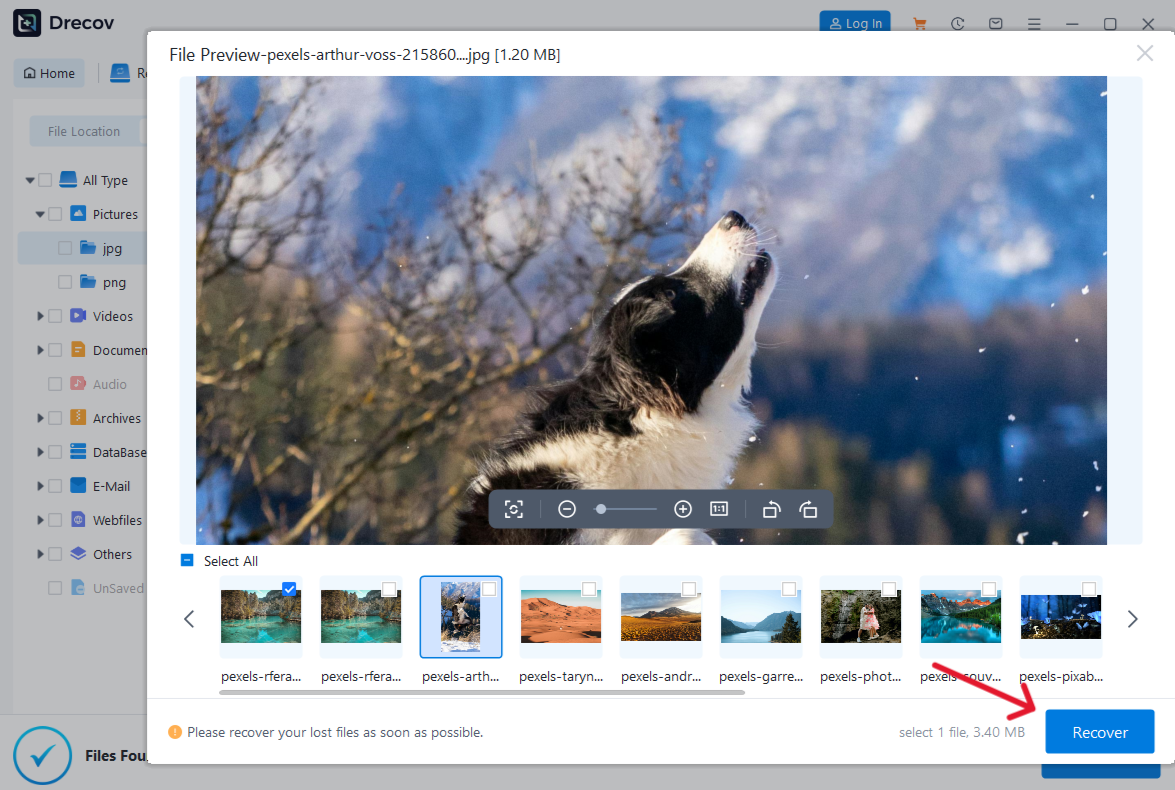
Step 4: Preview and Recover
Once the scan is complete, you can browse the found files. Use the preview function to check the integrity of images or documents. Finally, select the files you need and click “Recover” to save them to a different storage location.
After Recovery: Essential Maintenance Links
Once you have successfully recovered your data, it is vital to ensure your system remains stable and your future files are protected. Here are some helpful resources for managing your Windows environment:
- Create a Windows 10 Recovery Disk: A complete guide to ensuring you can boot your system even if the primary drive fails.
- Formatting Hard Drives on Windows 11: Learn how to properly wipe and reset a drive once your data is safe.
- Locate Firefox Bookmarks: Understand where your browser data is stored to include it in your manual backups.
Understanding Rear USB Ports vs Internal Headers
Many people confuse visible USB ports with total motherboard USB support. That is where internal headers become important. A motherboard may physically show eight rear USB ports but support twelve or more total connections through internal headers.
Rear USB ports are permanently mounted on the motherboard’s I/O shield. These are the ports you access directly from the back of your computer. They are convenient for devices that stay connected all the time, such as keyboards, mice, printers, or Ethernet adapters.
Internal USB headers are different. They are connectors located directly on the motherboard itself. These headers connect to the front USB ports on your PC case using cables. Some modern cases include:
- Front USB-A ports
- USB-C ports
- Fast charging ports
- RGB controller USB connections
For example, a motherboard may include:
| Connection Type | Quantity |
| Rear USB Ports | 8 |
| Front Panel USB Headers | 4 |
| Internal USB 2.0 Headers | 2 |
In this situation, the motherboard supports far more devices than what appears externally. Gaming motherboards often include extra internal headers specifically for accessories like liquid coolers, RGB hubs, fan controllers, and wireless adapters.
Different USB Versions Explained
Not all USB ports perform the same way. One of the biggest mistakes users make is assuming every USB port offers identical speed and power delivery. In reality, USB technology has evolved dramatically.
USB 2.0
USB 2.0 is the oldest version still commonly found on modern motherboards. It offers speeds up to 480 Mbps, which is fine for simple devices like keyboards, mice, and printers. However, transferring large files through USB 2.0 can feel painfully slow compared to newer standards.
USB 3.0 and USB 3.2 Gen 1
USB 3.0 introduced a major speed improvement with transfer rates up to 5 Gbps. This version is excellent for external hard drives, SSDs, and gaming accessories. Many blue-colored USB ports on motherboards are USB 3.0 or USB 3.2 Gen 1.
USB 3.2 Gen 2 and Gen 2×2
USB 3.2 Gen 2 increases speeds to 10 Gbps, while Gen 2×2 can reach 20 Gbps. This is ideal for professional workloads such as video editing and large data transfers. Many premium motherboards include multiple high-speed USB 3.2 ports.
USB-C and Thunderbolt
USB-C is becoming the standard for modern devices. Unlike older rectangular USB ports, USB-C uses a reversible connector. USB-C also supports:
- Faster charging (Power Delivery)
- Higher transfer speeds
- Video output (DisplayPort Alt Mode)
- Docking stations
Technical Breakdown: How to Count Your Total Ports
To truly answer how many usb ports does my motherboard have, you must perform a technical audit of three specific areas:
1. The Back Panel (Rear I/O)
Count every rectangular (Type-A) and oval (Type-C) port on the back. Note the colors. If you see a BIOS Flashback port, this is still a usable USB port once the PC is running.
2. The Internal Headers
Open your PC case and look at the motherboard.
- USB 2.0 Headers: These are usually 9-pin blocks. Each header supports two USB ports.
- USB 3.0/3.1 Headers: These are larger, 19-pin rectangular sockets, usually with a blue plastic border. Each supports two ports.
- USB-C (Key-A) Headers: These are small, vertical metal-shrouded sockets. Each supports one USB-C port.
3. The Chipset Limitations
Even if a motherboard has many physical headers, the CPU and Chipset have a limited number of “lanes” for USB. You can verify the maximum supported ports by visiting the official Intel chipset ark or AMD motherboard product pages. This is the “hard limit” of your hardware.
Advanced Solutions for Power Users
If you find that the question how many usb ports does my motherboard have leads to a disappointing answer, there are professional hardware upgrades available beyond a simple usb port splitter.
PCIe USB Expansion Cards
Desktop PCs can install PCIe USB expansion cards directly into the motherboard. These cards add extra USB-A or USB-C ports and are popular among gamers and professionals. Because they plug directly into the PCIe lanes, they offer much higher bandwidth than a standard hub.
USB Port Mapping for Power Management
For users on Windows, you can manage how your ports are utilized to prevent data loss.
- Step 1: Press
Win + Xand select Device Manager. - Step 2: Expand the Universal Serial Bus controllers section.
- Step 3: Right-click on a “USB Root Hub” and select Properties.
- Step 4: Go to the Power Management tab and uncheck “Allow the computer to turn off this device to save power.”This ensures your external drives don’t disconnect unexpectedly, which helps avoid the need for PandaOffice Drecov data recovery software in the first place.
Signs You Need to Upgrade Your USB Connectivity
You may not realize how badly you need additional USB ports until your setup becomes inconvenient. Common signs include:
- Constantly unplugging devices to make room for others.
- Using multiple daisy-chained adapters.
- Slow external drive performance due to using a 2.0 port for a 3.2 drive.
- Lack of USB-C support for modern smartphones and peripherals.
- Cable clutter causing physical strain on the motherboard ports.
Modern users often underestimate connectivity requirements. A professional streaming setup alone can require a keyboard, mouse, headset, microphone, webcam, capture card, lighting controller, and a stream deck. That list already exceeds the USB capacity of many budget PCs.
Conclusion
So, how many usb ports does my motherboard have? The answer is a combination of what you see on the back, what is hidden inside on the headers, and what the chipset can handle. By using tools like PandaOffice Drecov data recovery software to protect your data and high-quality hardware like a usb port splitter to expand your reach, you can master your PC’s connectivity.
Remember to always check your motherboard manual or manufacturer’s website for the most accurate port count. Whether you are a gamer, a creative professional, or a casual user, understanding your hardware is the first step toward a more efficient and safer computing experience. Don’t let a lack of ports slow you down—expand wisely and keep your data backed up.






