







Understanding video clipping with VLC media player
The VLC media player is one of the most widely used free tools for playing and editing videos. Many users rely on it not only for playback but also for basic editing tasks such as trimming or learning how to create a video clip without using complex software.
Although VLC is mainly a player, it also allows users to create video clips from video clips already stored on their device. This makes it a convenient option for quick editing tasks like cutting highlights or saving short segments.
To get started, users often begin with a vlc media player download, which is available for Windows, macOS, and Linux. Once installed, VLC can handle most common formats and is also known as a reliable video VLC media player for lightweight editing.
Test environment
- Device: Windows 11 desktop
- Software: VLC media player 3.0.20
- Video format: MP4 (1080p)
- Task: trimming a 5-minute video into a 30-second clip
In this environment, VLC was used to extract short segments without re-encoding.
Why creating video clips in VLC sometimes becomes difficult
Although VLC is powerful, users often face challenges when trying to create video clips or learning how to create video clips efficiently.
The main issue is that VLC is not a dedicated video editor, so its clipping features are limited compared to professional software.
Common problems include:
- No clear timeline editing interface
- Confusion when using record function
- Inconsistent output quality after trimming
- Codec compatibility issues with certain files
- Difficulty in precise frame cutting
In many cases, users trying to create clips from video find that VLC requires manual timing rather than visual editing tools.
Test environment
- Device: Laptop (Intel i7, 16GB RAM)
- Video format: MKV 4K file
- Issue: inaccurate trimming using VLC record tool
The results showed slight frame delays when exporting clips.
⚠️Warning: VLC does not provide professional timeline-based editing, so precision trimming may not be frame-perfect.
Method 1: Create video clips using VLC playback trimming
This is the simplest way to create video clips from video clips using VLC’s built-in playback and recording function.
Test environment
- Device: Windows 10 PC
- VLC version: 3.0.20
- File type: MP4 720p video
Steps:
Open video in VLC media player
Launch VLC media player download version and load your video file.
Enable advanced controls
Go to View → Advanced Controls to activate the record button.
Start playback and record
Play the video and click the record button at the start of your desired segment.
Stop recording
Click record again at the end point to save the clip.
This method is widely used for basic how to create a video clip tasks.
Method 2: Use VLC recording feature for manual clip creation
Another way to create video clips is by using VLC’s hidden recording function, which allows users to capture segments in real time.
Test environment
- Device: macOS Ventura system
- File: 1080p MOV video
- Task: extracting multiple short clips
Steps:
Open video file in VLC
Load your source video using video VLC media player interface.
Activate record function
Enable recording through the View menu.
Play and capture segment
Start playback and record only the desired portion.
Save output automatically
VLC stores the clip in the default Videos folder.
This method is useful for users who want to quickly create video clips without re-encoding.
Method 3: Convert and extract clips using VLC export workflow
For more stable results, VLC can also be used as a converter to create clips from video by exporting selected segments.
Test environment
- Device: High-performance desktop
- Video format: 4K MP4 file
- Task: exporting high-quality short clips
Steps:
Open media conversion tool
Go to Media → Convert/Save.
Select input file
Choose the video you want to edit.
Set start and end points
Define segment range for clipping.
Export video clip
Save output in MP4 format.
This method provides better quality control for users learning how to create video clips with VLC.
Optional recovery support for damaged video files
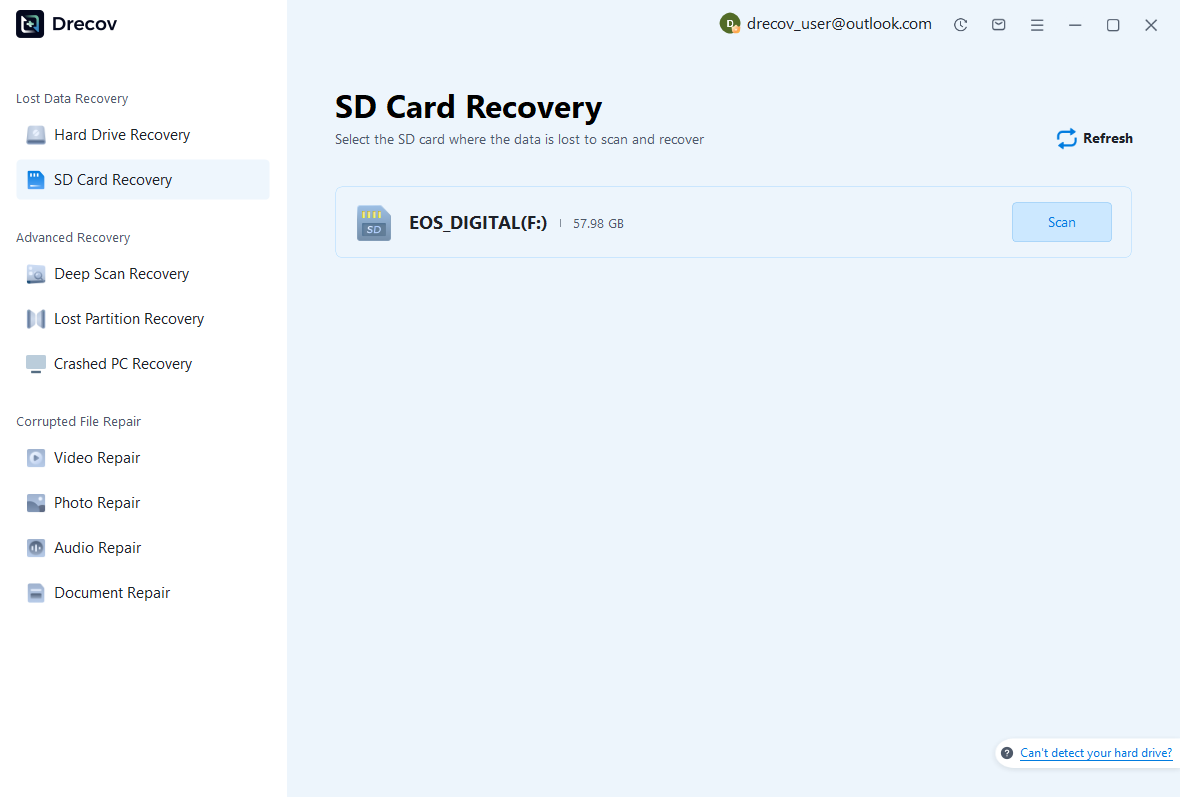
Sometimes users cannot create clips because the original video file is corrupted. In such cases, recovery tools may help restore usable footage before editing.
PandaOffice Drecov can repair damaged video files before using VLC for clipping or editing.
Test environment
- Device: Windows 11 workstation
- File: corrupted MP4 video
- Issue: VLC fails to open source file
After repair, the video became usable again for clipping in VLC media player.
Why Choose PandaOffice Drecov Recovery Software?
PandaOffice Drecov offers a fast, secure, and user-friendly solution for recovering lost files across multiple scenarios. Whether you need email recovery, ZIP File Recovery, format data recovery, or help to recover deleted drafts Outlook, the software provides reliable recovery performance for both personal and business users.
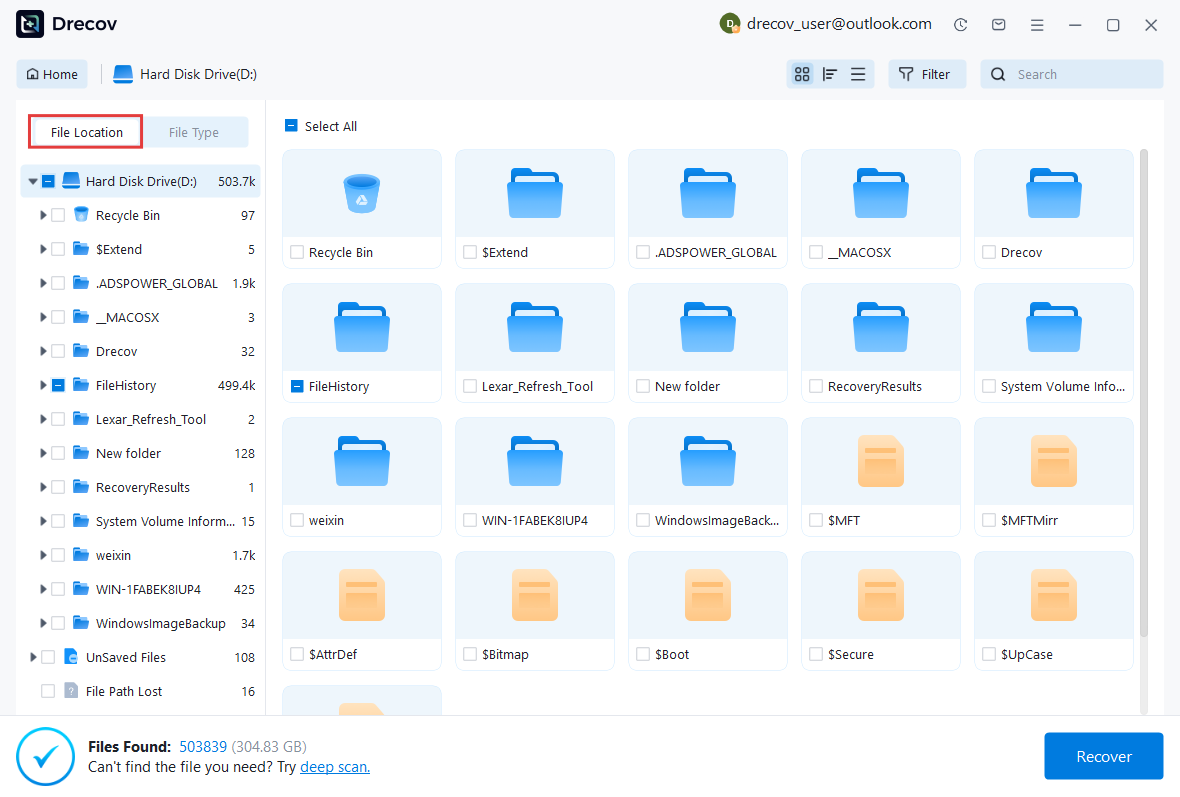
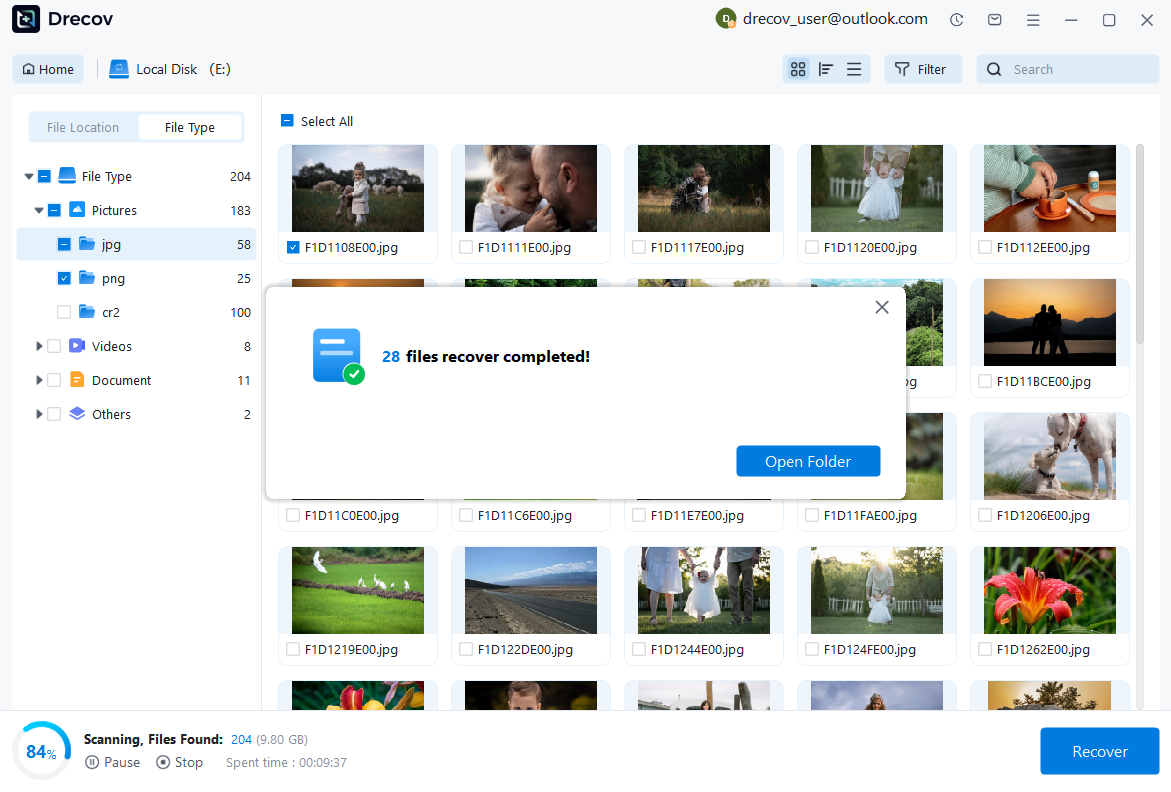
PandaOffice Drecov supports recovery from formatted hard drives, SSDs, USB drives, SD cards, and external storage devices. Its advanced scanning engine can locate deleted archives, damaged ZIP files, lost Outlook drafts, and accidentally removed documents with high accuracy. For users searching for how to find deleted messages in Teams, PandaOffice Drecov can also help recover exported chat files, attachments, and related local cache data when available.
Key advantages include:
- Deep scan technology for complex data loss situations
- Support for emails, archives, videos, photos, and office documents
- Recovery from accidental deletion, formatting, corruption, and system crashes
- Easy preview before restoring files
- Compatible with Windows and multiple storage devices
Unlike complicated enterprise recovery tools, PandaOffice Drecov keeps the recovery process simple. Users can scan, preview, and restore files in just a few steps without technical expertise.
Whether you are dealing with lost Outlook drafts, corrupted ZIP archives, formatted drives, or missing communication data, PandaOffice Drecov provides an efficient and practical recovery experience designed to minimize downtime and protect important files.
⚠️Warning: Always repair corrupted files before attempting to edit them in VLC, or clipping may fail completely.
FAQ: Common questions about creating video clips in VLC
Can VLC media player really create video clips?
Yes. The VLC media player can be used to create video clips from video clips already stored on your device. It does not function like a full video editor, but it includes a recording feature that allows you to capture selected segments while playing a video.
This is why many users search for how to create a video clip using VLC when they need a quick and free solution instead of installing heavy editing software.
Test environment
- Device: Windows 10 laptop
- Software: VLC media player 3.0.20
- File: MP4 1080p tutorial video
- Task: extract 20-second highlight clip
In this setup, VLC successfully captured short segments using its record function.
What is the easiest way to create video clips in VLC?
The easiest method to create video clips in VLC is to use the built-in “Record” function during playback. You simply start recording at the beginning of the segment and stop it at the end.
This approach is commonly used by beginners learning how to create video clips because it requires no advanced settings.
However, it is important to note that VLC is primarily a video VLC media player, so precision editing is limited compared to professional tools.
Test environment
- Device: macOS laptop
- Video format: MOV 4K file
- Scenario: trimming travel footage into short clips
The method worked well, but frame accuracy was slightly off by a few milliseconds.
Why VLC sometimes fails when creating video clips
Even though VLC is reliable, users may face issues when trying to create clips from video due to its design limitations.
Common reasons include:
- Lack of timeline-based editing tools
- Codec incompatibility with certain formats
- Large 4K or HEVC files causing lag
- Incorrect use of recording controls
- System performance limitations
These issues often lead users to believe VLC is not working, when in fact it is simply not optimized for advanced editing workflows.
Test environment
- Device: Gaming desktop
- Video format: 4K HEVC file
- Issue: delayed recording start in VLC
This shows that performance depends heavily on system hardware.
⚠️Warning: VLC may struggle with high-bitrate 4K videos during real-time clipping.
What is the role of VLC media player download in video editing?
Before users can create video clips, they must first complete a vlc media player download from the official website. This ensures they are using a stable and updated version of the software.
Once installed, the video VLC media player can handle playback, format conversion, and basic recording functions.
Keeping VLC updated is important because newer versions improve codec support and fix bugs related to video processing.
Final thoughts on creating video clips with VLC
Using the VLC media player to create video clips is a practical solution for quick and simple editing tasks. While it is not a professional editing tool, it is widely accessible and completely free, making it useful for basic trimming needs.
For users who only need to create video clips from video clips, VLC provides a lightweight workflow without requiring additional software installation.
Key takeaways:
- VLC can handle basic clipping through recording tools
- It is useful for learning how to create a video clip quickly
- Performance depends on file size and system capability
- It is best suited for simple, non-professional editing tasks
⚠️Warning: For precise or professional video editing, dedicated editing software is still recommended instead of relying solely on VLC.






