







Understanding a Crashed Hard Drive and Why It Matters
What Happens When a Hard Drive Crashes
A crashed hard drive is a storage device that has stopped working properly due to physical damage, logical errors, or system corruption. When a crash occurs, users often lose access to important files such as photos, documents, and videos. In more severe cases, the operating system may fail to boot entirely.
Hard drive failures can be temporary or permanent. Logical crashes, such as file system corruption, are often reversible, while physical damage may require advanced intervention. Knowing how to recover data from the crashed hard drive is crucial, especially when the stored information is valuable.
Many users assume that once a drive crashes, the data is permanently lost. However, with proper techniques, it is often possible to perform crashed hard drive recovery and retrieve files successfully. Acting quickly and avoiding further damage is the key to improving recovery success rates.
Common Hard Drive Crash Symptoms You Should Never Ignore
Warning Signs That Indicate Drive Failure
Recognizing hard drive crash symptoms early can help you take action before complete failure occurs. Some of the most common warning signs include:
- Strange clicking or grinding noises
- Frequent system freezing or crashing
- Files suddenly disappearing
- Slow performance when accessing data
- Error messages about unreadable drives
These symptoms often indicate underlying problems that can worsen over time. Mechanical noises typically point to internal hardware failure, while file corruption suggests logical issues.
⚠️ Warning: Ignoring these symptoms can lead to permanent data loss and make file recovery crashed hard drive efforts much more difficult.
System-Level Indicators of a Crashed Hard Drive
In addition to physical signs, your system may also show software-related issues, such as:
- Blue screen errors during startup
- Operating system failing to load
- Missing or unallocated partitions
- Repeated disk repair prompts
These signs usually appear when the system cannot properly communicate with the drive. At this stage, continuing to use the device may worsen the damage, reducing the chances to recover data from crashed hard drive.
Main Causes Behind Hard Drive Crashes
Physical Damage and Mechanical Failures
Physical damage is one of the most serious causes of a crashed hard drive. This can result from:
- Dropping the device
- Exposure to extreme heat or moisture
- Dust entering internal components
- Wear and tear over time
Mechanical failures often affect the internal read/write heads or spinning platters. Once these components are damaged, accessing the data becomes more complex, and specialized tools may be required to retrieve data from crashed hard drive.
Logical Errors and Software Issues
Not all drive crashes are caused by hardware problems. Logical failures are also common and include:
- Corrupted file systems
- Virus or malware attacks
- Accidental deletion or formatting
- Software conflicts
These issues are usually less severe than physical damage and can often be resolved with recovery tools. Many users successfully recover data from crashed hard drive when dealing with logical errors.
⚠️ Warning: Avoid installing recovery tools directly on the affected drive, as this may overwrite lost data and reduce recovery success.
External Factors That Lead to Drive Failure
External conditions can also contribute to drive crashes, such as:
- Sudden power outages
- Improper removal of external drives
- Overheating due to poor airflow
- Aging hardware components
These factors may not cause immediate failure but can gradually degrade the drive’s performance. Over time, they increase the risk of a complete crash and complicate hard drive crash recovery.
How to Recover Data from a Crashed Hard Drive
Method 1 – Use Professional Recovery Software (Recommended)
Test Environment:
- Operating System: Windows 11
- Drive Type: External HDD (logically damaged)
- Scenario: Drive is detected but files are inaccessible
Using professional recovery software is one of the most effective ways to perform crashed hard drive recovery. Tools like PandaOffice Drecov are designed to scan damaged drives and locate recoverable files.
Steps:
- Install PandaOffice Drecov on a healthy computer.
- Connect the crashed hard drive to the system.
- Launch the software and select the affected drive.
- Perform a deep scan to locate lost data.
- Preview files before recovery.
- Save recovered files to a different storage device.


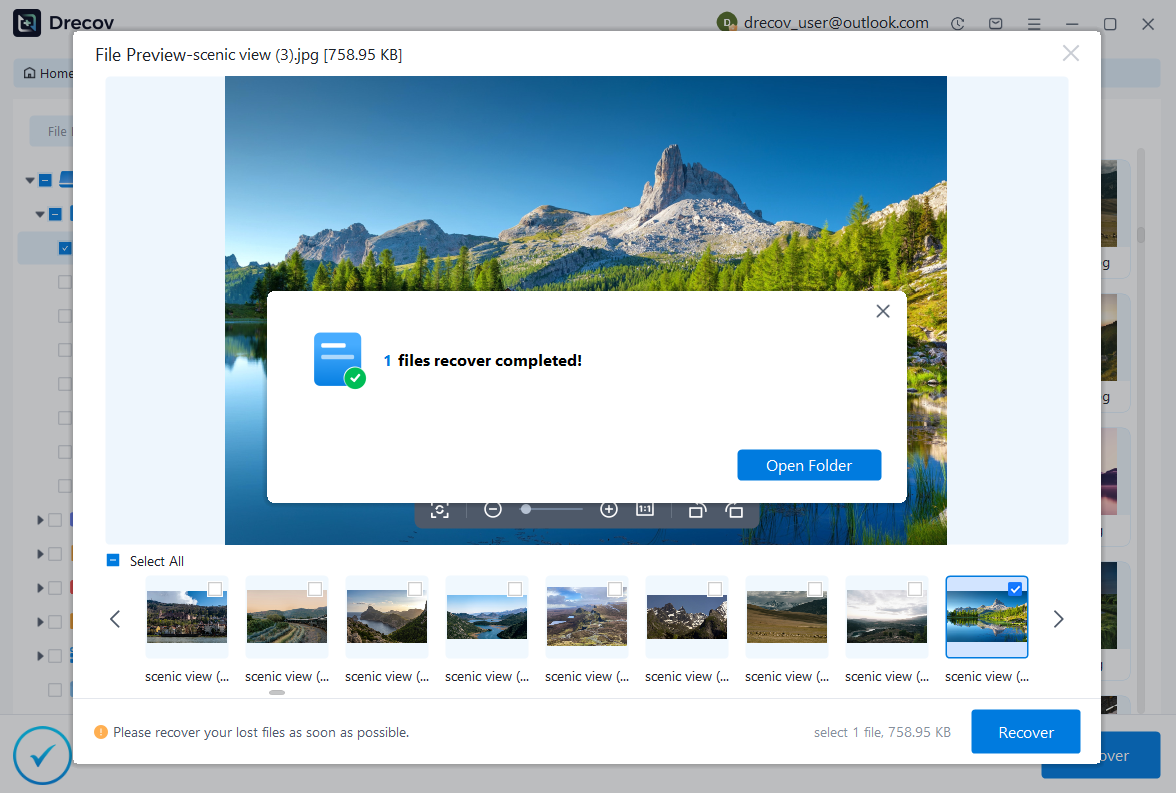
Why Choose PandaOffice Drecov?
PandaOffice Drecov is a versatile and reliable solution for recovering a wide range of lost or inaccessible files. Whether you need audio recovery, video recovery, or excel recovery files, PandaOffice Drecov provides fast and efficient results, ensuring your important data is safely restored.
For creative professionals, it supports file recovery Illustrator projects, allowing designers to retrieve unsaved or accidentally deleted artwork without compromising file integrity. Businesses and individuals can also benefit from its restore Windows previous date feature, which helps recover documents or spreadsheets that were lost due to system errors or accidental deletions.
When external storage devices fail, such as a Lacie hard drive not showing up, PandaOffice Drecov can detect and restore files from these drives, ensuring you do not lose critical data. Even deleted files in the recycle bin can be recovered using its advanced recycle bin recovery software capabilities.
Additionally, the software supports recovering data from lost partitions, making lost partition recovery straightforward and reliable. Its intuitive interface allows users to perform audio recovery, video recovery, and excel recovery effortlessly, even for large or complex files.
This method is ideal for logical failures and allows users to efficiently recover data from crashed hard drive without advanced technical knowledge.
⚠️ Warning: Always save recovered files to another drive to avoid overwriting existing data.
Method 2 – Repair File System Errors Using CHKDSK
Test Environment:
- Operating System: Windows 10
- Drive Type: Internal HDD
- Scenario: File system corruption
Windows provides a built-in utility to repair disk errors:
Steps:
- Open Command Prompt as Administrator.
- Enter the command:
chkdsk X: /f /r - Press Enter and wait for the scan to complete.
- Restart the system if required.
This method helps fix logical issues and may restore access to files. While it may not fully retrieve data from crashed hard drive, it can stabilize the drive for further recovery steps.
Method 3 – Restore Data from Backup
Test Environment:
- Operating System: Windows 11
- Backup Type: Cloud and external drive
- Scenario: Drive completely inaccessible
If backups are available, recovery becomes straightforward:
Steps:
- Access your backup storage.
- Locate the latest backup version.
- Restore files to a new or repaired drive.
This is the safest and fastest way to recover files without performing complex file recovery crashed hard drive operations.
Method 4 – Assign a New Drive Letter
Test Environment:
- Operating System: Windows 10
- Drive Type: External HDD
- Scenario: Drive not visible in File Explorer
Sometimes the issue is simply a missing drive letter:
Steps:
- Open Disk Management.
- Find the affected drive.
- Right-click and select “Change Drive Letter and Paths.”
- Assign a new letter and confirm.
This quick fix can restore access without requiring advanced hard drive crash recovery techniques.
Method 5 – Use Disk Imaging Before Recovery
Test Environment:
- Operating System: Windows 11
- Drive Type: Failing internal HDD with bad sectors
- Scenario: Drive partially readable but unstable
When dealing with an unstable crashed hard drive, creating a disk image is a safer first step. Disk imaging copies the entire drive sector by sector into a stable file, allowing recovery attempts without further damaging the original drive.
Steps:
- Connect the damaged drive to a working computer.
- Use disk imaging software to create a full image of the drive.
- Save the image to a healthy storage device.
- Run recovery tools on the disk image instead of the original drive.
This method helps preserve the current state of the drive and prevents further degradation. It is especially useful when the drive has bad sectors or intermittent read errors.
⚠️ Warning: Attempting recovery directly on a failing drive without imaging may worsen damage and reduce chances to recover data from crashed hard drive.
Method 6 – Recover Data via Safe Mode or Another System
Test Environment:
- Operating System: Windows 10 (Safe Mode)
- Drive Type: Internal HDD
- Scenario: System fails to boot normally
If your computer cannot boot due to a crashed hard drive, accessing it through Safe Mode or another system may help.
Steps:
- Restart your computer and enter Safe Mode.
- Try accessing files from the affected drive.
- If unsuccessful, remove the drive and connect it to another computer using a SATA-to-USB adapter.
- Copy accessible files to a secure location.
This approach can sometimes allow partial file recovery crashed hard drive, especially when the issue is related to system boot errors rather than complete drive failure.
Method 7 – Use BIOS/UEFI to Detect the Drive
Test Environment:
- System: Desktop PC BIOS interface
- Drive Type: Internal HDD
- Scenario: Drive not recognized in OS
If the operating system cannot detect the drive, checking BIOS or UEFI settings is essential.
Steps:
- Restart the computer and enter BIOS/UEFI.
- Locate the storage or boot section.
- Check if the crashed hard drive is listed.
- Enable the drive if it is disabled.
- Save changes and restart.
If the drive appears in BIOS but not in the OS, the issue is likely logical rather than physical. This increases the likelihood of successful hard drive crash recovery using software methods.
Method 8 – Seek Professional Data Recovery Services
Test Environment:
- Scenario: Physically damaged HDD (clicking sound)
- Drive Type: External HDD with mechanical failure
When all other methods fail, professional services may be required to retrieve data from crashed hard drive.
These services use specialized cleanroom environments and advanced equipment to repair damaged components and extract data. This is often the only solution for severe physical damage.
Steps:
- Power off the drive immediately.
- Avoid further attempts to access it.
- Contact a certified data recovery service provider.
- Ship or deliver the drive for evaluation.
Although this option can be expensive, it offers the highest success rate for physically damaged drives.
⚠️ Warning: Opening a hard drive yourself can permanently destroy data. Always rely on professionals for physical repairs.
Frequently Asked Questions About Crashed Hard Drive Recovery
Can I recover data from a completely crashed hard drive?
Yes, in many cases, it is possible to recover data from crashed hard drive, even if the drive appears completely unusable. The success rate depends on whether the damage is logical or physical. Logical issues can often be resolved with software, while physical damage may require professional tools.
How long does crashed hard drive recovery take?
The time required for crashed hard drive recovery varies depending on the severity of the issue. Simple logical recovery may take a few hours, while complex cases involving bad sectors or physical damage can take several days.
Is it safe to use free recovery tools?
Free tools can help in minor cases, but they may lack advanced features needed for serious file recovery crashed hard drive scenarios. Incomplete recovery or further damage is possible if the tool is not reliable.
What should I do immediately after a hard drive crash?
The first step is to stop using the drive immediately. Continued usage can overwrite lost data and reduce the chances to retrieve data from crashed hard drive. Then, choose an appropriate recovery method based on the type of failure.
Best Practices to Prevent Hard Drive Crashes in the Future
Maintain Regular Backups
Backing up your data regularly is the most effective way to avoid data loss. Use both local and cloud backups to ensure redundancy. This eliminates the need for complex hard drive crash recovery processes.
Handle Storage Devices Carefully
Physical damage is a leading cause of drive failure. Always handle devices with care, avoid dropping them, and keep them away from extreme conditions.
Monitor Drive Health
Use monitoring tools to check the health of your drive. Early detection of issues can help prevent a complete crashed hard drive scenario.
Ensure Proper Cooling and Power Stability
Overheating and power surges can damage internal components. Use cooling systems and surge protectors to minimize risks.
⚠️ Warning: Ignoring overheating issues can gradually lead to permanent drive failure.
Conclusion: Key Takeaways for Hard Drive Crash Recovery
A crashed hard drive can be a stressful experience, especially when important data is at risk. However, understanding the symptoms, causes, and recovery methods can significantly improve your chances of success.
From recognizing hard drive crash symptoms early to applying effective recovery techniques, every step plays a crucial role. Whether you use software tools, restore from backups, or seek professional help, the goal is to safely recover data from the crashed hard drive without causing further damage.
Remember that prevention is just as important as recovery. Regular backups, proper device handling, and system maintenance can help you avoid future crashes.
By acting quickly and choosing the right approach, you can successfully recover data from crashed hard drive and minimize data loss, even in challenging situations.






