







Losing critical data is a stressful experience that almost every computer user faces at some point. Whether you accidentally hit the wrong hotkey, formatted a drive by mistake, or suffered a sudden system crash, the immediate panic is the same. Fortunately, understanding how to restore files deleted from your system is not as complex as it seems. Data is rarely gone instantly; instead, the operating system simply marks the space as available for new information.
To maximize your chances of a successful recovery, you need a reliable, professional tool designed to safely extract that hidden data before it gets overwritten. PandaOffice Drecov data recovery software is a premier solution built specifically for these high-stakes scenarios. In this comprehensive guide, we will walk you through the exact technical steps to rescue your data and explore the best practices to keep your files safe.
Understanding the Basics of How to Restore Files Deleted
When you delete a file on Windows or macOS, the operating system does not immediately erase the actual binary data from your storage drive. Instead, it alters the file system pointer and marks that specific storage sector as “unallocated space.”
Consequently, the original data remains entirely intact until new data is written directly over it. This window of time is your golden opportunity to achieve a complete recovery.
Common Data Recovery Challenges
- Data Overwriting: Using your computer to browse the web, download files, or even stream music can write new data to the drive, permanently destroying the old files.
- File Fragmentation: Large files are often scattered across different sectors of a hard drive, making manual reconstruction highly complex.
- Solid-State Drive (SSD) TRIM Commands: Modern SSDs use a command called TRIM, which actively wipes deleted data sectors during idle times to maintain drive performance, shrinking the recovery window significantly.
Introducing PandaOffice Drecov Data Recovery Software
To combat these technical hurdles, PandaOffice Drecov data recovery software utilizes advanced deep-scanning algorithms. It bypasses standard operating system limitations to read raw data sectors directly.
⚠ Warning: Install it on a drive different from the one where your data was lost to prevent overwriting.
Whether you are dealing with an accidental Shift + Delete command, a corrupted partition, or an unexpected power outage, this utility provides an intuitive interface paired with enterprise-grade recovery capabilities.
Solutions: How Can We Restore Deleted Files Safely?
Depending on how the data was lost and your level of technical comfort, you can use several different approaches. Below, we break down the recovery process into beginner, intermediate, and advanced methodologies.
Method 1: Checking Native Storage
Before launching dedicated software, always check the system’s temporary storage repositories. This is the simplest answer to how can we restore deleted files.
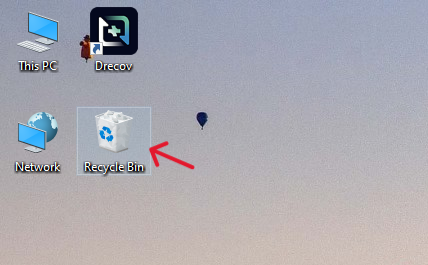
- Step 1: Double-click the Recycle Bin icon on your Windows Desktop (or the Trash icon on macOS).
- Step 2: Locate your missing file by typing its name into the search bar in the upper-right corner.
- Step 3: Right-click the file and select Restore. The system will immediately return the file to its original file path.
Method 2: The Recommended Solution PandaOffice Drecov Data Recovery Software
If you emptied the Recycle Bin or used a permanent deletion hotkey, native tools will not work. In this scenario, PandaOffice Drecov data recovery software is the most effective choice.
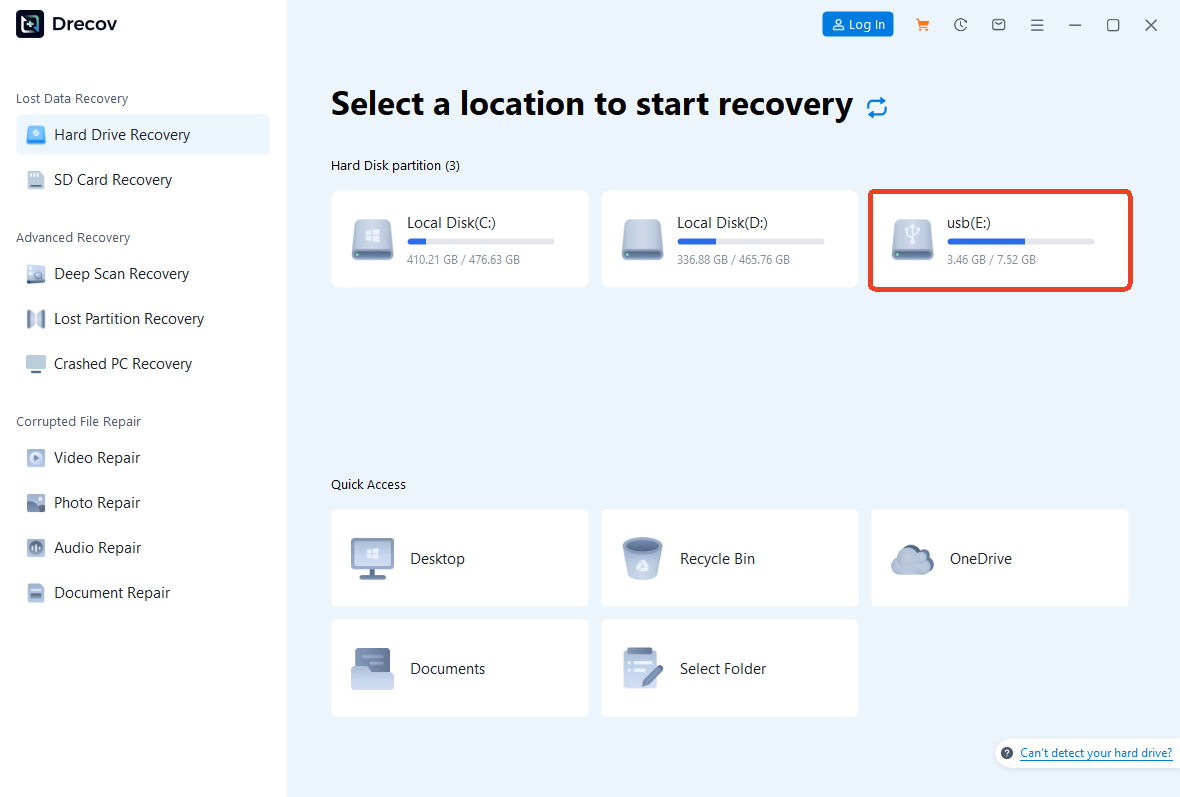
- Step 1: Launch the application, select the specific drive or folder where your files were originally stored, and click Scan.
- Step 2: Browse the real-time preview window to verify file integrity.

- Step 3: Select the checkboxes next to the items you need, click Recover, and save them to an external storage device.
Method 3: Windows File History
If you previously enabled local automated backups, you can leverage the built-in Windows File History feature.
- Step 1: Press the Windows Key + S, type
Control Panel, and hit Enter. - Step 2: Navigate to System and Security > File History, then click Restore personal files in the left-hand menu.
- Step 3: Use the green arrow buttons at the bottom to cycle through historical snapshots, select your desired folder version, and click the circular Restore icon.
Method 4: Command Prompt & Shadow Copies
For system administrators dealing with severe system corruption, the Windows Command Prompt can sometimes recover files from Volume Shadow Copies.
- Step 1: Press Windows Key + X and select Terminal (Admin) or Command Prompt (Admin).
- Step 2: Type
vssadmin list shadowsto view available system restore points and shadow copies. - Step 3: If a relevant shadow copy exists, utilize the deployment image tool or native symbolic links to map the shadow volume and extract your raw files.
Alternative or Complementary Methods
While dedicated software yields the highest success rates, you can also explore manual configuration changes or alternative system tools to restore deleted files.
Manual System Rollbacks
Windows System Restore points can revert your system configuration files to an earlier state. However, keep in mind that System Restore is primarily designed to protect system files, drivers, and registry settings, rather than personal user data like documents or photos.
| Recovery Method | Success Rate | Technical Difficulty | Risk Factor |
| PandaOffice Drecov | Extremely High | Low | Zero |
| Windows File History | High | Medium | Low |
| Command Prompt | Moderate | High | High |
Tips & Best Practices for File Recovery
Successfully learning how to restore the deleted files requires adhering to strict data preservation protocols. Mistakes made during the recovery phase can result in permanent data loss.
Optimizing Recovery Success
- Stop Using the Drive Immediately: Freezing all write operations on the affected storage drive is the single most important action you can take.
- Recover to a Separate Device: Always save recovered files to an external hard drive, a USB flash drive, or cloud storage. Never save them back to the source drive.
- Run Read-Only Scans: Ensure your chosen data recovery tool does not modify your storage sectors during its analysis phase.
Maintaining Data Integrity
Furthermore, regularly running check-disk operations (chkdsk /f) can prevent logical file system errors before they lead to severe data corruption. Meanwhile, creating a structured 3-2-3 backup strategy—retaining three copies of your data across two different media types, with one stored offsite—remains the ultimate defense against accidental data deletion.
Warning: Avoid downloading unverified, cracked recovery tools from peer-to-peer networks. These files frequently contain ransomware that can maliciously encrypt your remaining data. For safe data practices, consult the official Microsoft Support Documentationon data preservation.
How to restore files deleted FAQs
How to restore files deleted permanently without backup software?
If files are permanently deleted and no backup exists, your only option is to use dedicated file recovery software like PandaOffice Drecov. Native operating system tools cannot access unallocated space once the Recycle Bin is cleared.
How can we restore deleted files if the drive is formatting?
If a drive undergoes a Quick Format, the file directory is rebuilt, but the data sectors remain intact. You can launch PandaOffice Drecov data recovery software, select the formatted drive, and run a Deep Scan to rebuild the lost file paths.
Does Windows 11 have a native file recovery tool?
Yes, Microsoft offers a command-line utility called Windows File Recovery via the Microsoft Store. However, it lacks a graphical user interface, requires precise syntax knowledge, and is less effective on heavily fragmented drives compared to professional consumer software.
Can I recover files that were deleted several months ago?
It depends entirely on drive activity. If the drive has seen minimal use, the sectors might still hold the original data. However, if the drive has been used continuously, those sectors have almost certainly been overwritten.
Conclusion
Mastering how to restore files deleted from your storage media is a vital skill in our increasingly digital world. While accidental deletions can be incredibly stressful, tools like PandaOffice Drecov data recovery software ensure that your valuable photos, documents, and business files are never truly out of reach. Remember to act quickly, stop using the affected drive immediately, and always restore your files to an external device. By maintaining proactive backup habits today, you can eliminate the fear of data loss tomorrow.






