







Slow transfer rates can be incredibly frustrating when you are trying to move important files. Understanding the speed of a usb is essential for maintaining an efficient workflow. However, performance drops or sudden drive failures can put your data at risk. Meanwhile, software solutions like PandaOffice Drecov data recovery software ensure that your files remain safe even if your drive malfunctions during a transfer.
Understanding the Basics of the Speed of a USB
The speed of a usb refers to how fast data transfers between a flash drive and a host device. This rate depends heavily on the hardware generation, ranging from USB 2.0 to the latest USB4 standards.
Common USB Speed Issues and Challenges
Many users experience sudden slowdowns or complete drive freezes during large file transfers. These issues are often caused by file system corruption, outdated device drivers, or hardware degradation. Consequently, these performance drops can lead to data corruption or accidental file loss.
Introducing PandaOffice Drecov Data Recovery Software
When a drive slows down or fails, PandaOffice Drecov data recovery software provides a reliable way to retrieve your files. It is an advanced utility designed to handle complex data loss scenarios. For instance, it works seamlessly whether you lose files due to an interrupted usb speed test or a complete drive crash.
You can use PandaOffice Drecov when:
- A flash drive speed test crashes midway and corrupts the file allocation table.
- A flash drive checker identifies bad sectors that render your files inaccessible.
- You need to perform a deep usb drive speed tesy fix after data becomes unreadable.
To expand your technical knowledge on storage management, check out this guide on how to repair corrupted usb flash drive without losing data.
⚠ Warning: Install it on a drive different from the one where your data was lost to prevent overwriting.
How to Fix Slow USB Speeds and Recover Missing Files
Method 1: Optimizing USB Speed via Device Manager
You can alter the transfer policy in Windows to maximize the performance and speed of a usb drive.
- Connect the flash drive to an open USB port.
- Press the Windows Key + X shortcut and select Device Manager.
- Expand the Disk drives category, right-click your flash drive, and choose Properties.
- Navigate to the Policies tab and select Better performance.
Method 2: Recovering Data Using PandaOffice Drecov Data Recovery Software
If your attempts to optimize the usb flash drive speed result in data loss, PandaOffice Drecov data recovery software can recover your files in just a few steps. This tool is fully optimized for Windows 11 version 23H2 and older editions.
⚠ Warning: Install it on a drive different from the one where your data was lost to prevent overwriting.
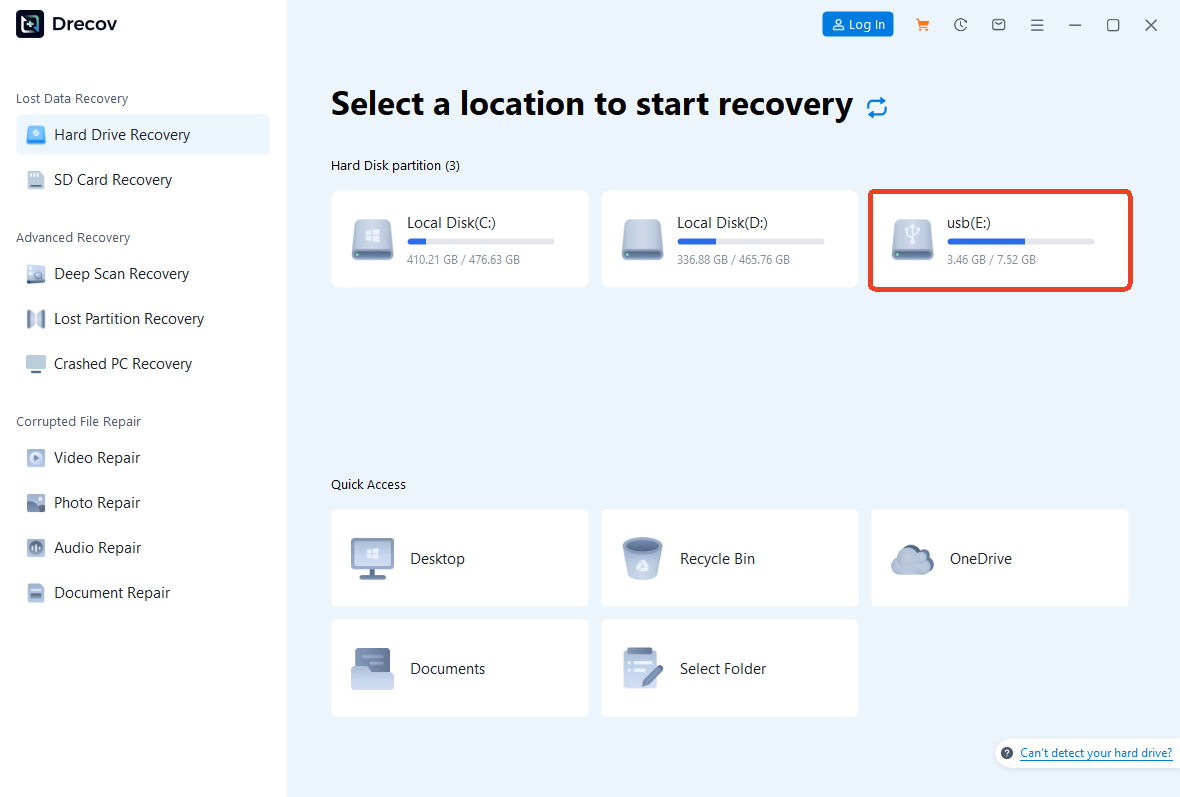
Step 1: Select the Target USB Drive
Launch the software on your computer. Select the connected flash drive from the list of available logical drives to begin the recovery process.
Step 2: Scan for Lost Files
Click the Scan button to initiate a sector-by-sector analysis. The software will bypass file system errors to locate missing data.
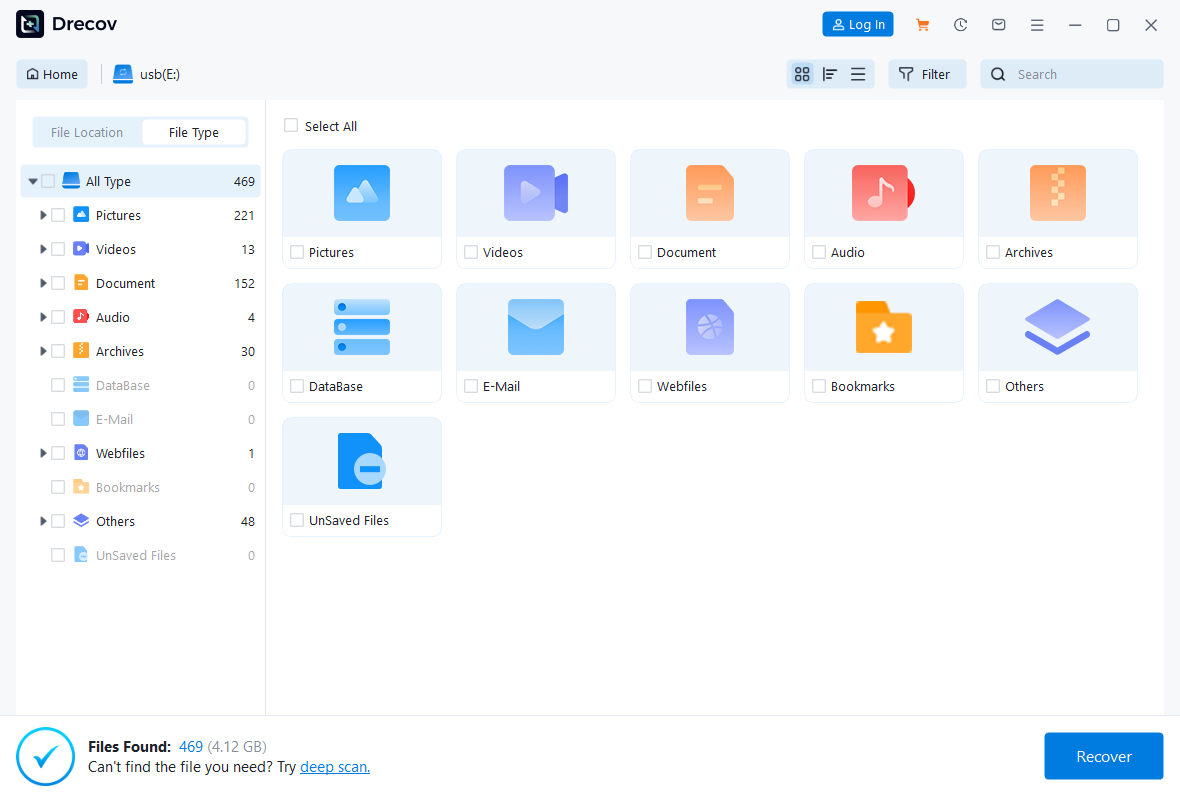
Step 3: Preview and Recover Your Data
Browse the list of recoverable files after the scan finishes. Select the items you need, click Recover, and save them to a secure local hard drive.
Warning: Never save recovered files back onto the same USB drive during this process, because doing so can overwrite the remaining unrecovered data blocks.
For further insights into system file storage locations, you can read about where are firefox bookmarks stored on your pc.
Alternative Methods to Test USB Speed and Check Drive Health
There are several other ways to run a usb speed test or perform a check usb drive routine to evaluate storage health.
Using Command Prompt for a Flash Drive Checker Routine
Windows includes native tools to evaluate drive health and fix minor file system errors without requiring third-party applications. Consequently, you can run the built-in Check Disk utility via the command line interface to ensure your device is functioning correctly.
- Press the Windows Key, type cmd, and choose Run as administrator.
- Type
chkdsk E: /fand press Enter, replacing E: with your actual drive letter.
Comparing Third-Party Benchmarking Software
Dedicated benchmark tools help determine the exact usb drive speed tesy metrics and verify overall performance. However, different software utilities serve completely different purposes depending on whether you need diagnostics or data retrieval.
| Method | Pros | Cons |
| PandaOffice Drecov | Restores lost data and secures files | Focuses on recovery rather than benchmarking |
| Command Prompt CHKDSK | Free built-in Windows utility | Does not provide transfer speed metrics |
| CrystalDiskMark | Offers precise usb flash drive speed read/write data | Cannot fix drive errors or recover lost files |
Furthermore, if you use multiple storage types, you might find this complete guide to toshiba hard disk data recovery helpful for maintaining external drives.
Tips & Best Practices
Achieving the best speed of a usb requires regular maintenance and safe usage habits.
- Always Use Safe Removal: Click the Safely Remove Hardware icon in the system tray before unplugging your device to prevent data corruption.
- Match USB Generations: Plug a USB 3.0 drive into a blue USB 3.0 port because using an older USB 2.0 port will bottleneck your transfer speeds.
- Avoid Constant Stress Tests: Running a flash drive speed test too frequently can wear out the flash memory cells prematurely.
To understand more about industry standards for USB interface specifications and technical speed ratings, you can review the official benchmarking guidelines on the Kingston USB Flash Drive Guide.
Frequently Asked Questions
How can I run a reliable usb speed test on my drive?
You can use third-party benchmarking tools like CrystalDiskMark or run a manual file transfer test in Windows to see the real-time MB/s rate.
What should I do if a check usb drive command shows errors?
You should immediately backup your files or use PandaOffice Drecov data recovery software to extract the data before the drive fails completely.
Can a flash drive checker repair a slow drive?
It can fix software-level file system errors, but it cannot fix physical wear that limits the speed of a usb.
Is a flash drive speed test safe to run?
Yes, occasional tests are safe, but continuous testing can shorten the lifespan of the flash memory.
Why does my usb drive speed tesy report low write speeds?
Slow write speeds usually happen when transferring many small files or when the drive is formatted with an inefficient file system like FAT32 instead of exFAT.
Conclusion
Managing the speed of a usb is key to maintaining fast and safe data transfers. When hardware degradation or formatting errors disrupt your workflow, PandaOffice Drecov data recovery software offers a reliable safety net to protect your information. Combining proactive drive diagnostics with a solid recovery plan ensures your files remain secure and accessible at all times.






