







Losing hours of progress on a crucial Microsoft Word file can be incredibly stressful. Whether a sudden crash occurred, you accidentally saved over your file, or you simply need to roll back to an earlier draft, knowing how to restore a previous version of a word document is a vital skill. Fortunately, your work is rarely gone forever because multiple native and professional tools exist to reverse these mistakes.
While Microsoft Word provides built-in safety nets like AutoRecover, these features sometimes fail if files become corrupted or completely deleted. This guide will walk you through every reliable method to bring back your text. Furthermore, we will explore how a professional data recovery tool like PandaOffice Drecov data recovery software can rescue your documents when standard Windows options fall short.
Understanding the Basics of How to Restore a Previous Version of a Word Document
Before diving into the recovery steps, it helps to understand how Microsoft Word manages your file history. Word typically tracks changes through temporary files and cloud backups. However, users frequently run into roadblocks when trying to find these historical versions.
Common challenges include:
- Disabled AutoRecover: If the automatic saving feature was never turned on, Word will not have any local backups stored.
- Unsaved File Overwrites: Accidental saves can replace your original content, making it difficult to figure out how to see previous versions of a word document.
- Drive Corruption: Hardware glitches can damage the temporary folder where Word stores background drafts.
When these native obstacles arise, dedicated recovery software becomes essential. PandaOffice Drecov data recovery software is engineered specifically to scan your storage drives for deep-seated remnants of lost, overwritten, or older versions of files. This tool is highly effective in scenarios where a system crash wiped out your AppData folder, an external drive was improperly disconnected, or a virus corrupted your local documents directory.
⚠ Warning: Install it on a drive different from the one where your data was lost to prevent overwriting.
Solutions to How to Restore a Previous Version of a Word Document Issues
Method 1: Using Native Microsoft Word Version History
If your file is saved on OneDrive or a SharePoint library, Microsoft automatically tracks your changes. This is the most straightforward way to address how do i recover previous versions of word documents.
- Open the current Microsoft Word document that you need to roll back.
- Navigate to the top menu bar and click File, then select Info.
- Click on the Version History button to open a side panel showing all past timestamps.
- Browse the listed dates, select the version you want, and click Restore.
Method 2: Recovering with PandaOffice Drecov Data Recovery Software
When local backups are missing, PandaOffice Drecov data recovery software provides a deep-scan solution to extract hidden or deleted fragments of your document cache. This software ensures you can achieve a complete recover previous version of word document process even after a major system failure.
⚠ Warning: Download and install PandaOffice Drecov data recovery software on a drive separate from where your Word files were stored to prevent overwriting data.
- Step 1: Launch the application and select the specific drive or folder, such as
C:\Users\Username\AppData\Roaming\Microsoft\Word, where your temporary files usually reside.
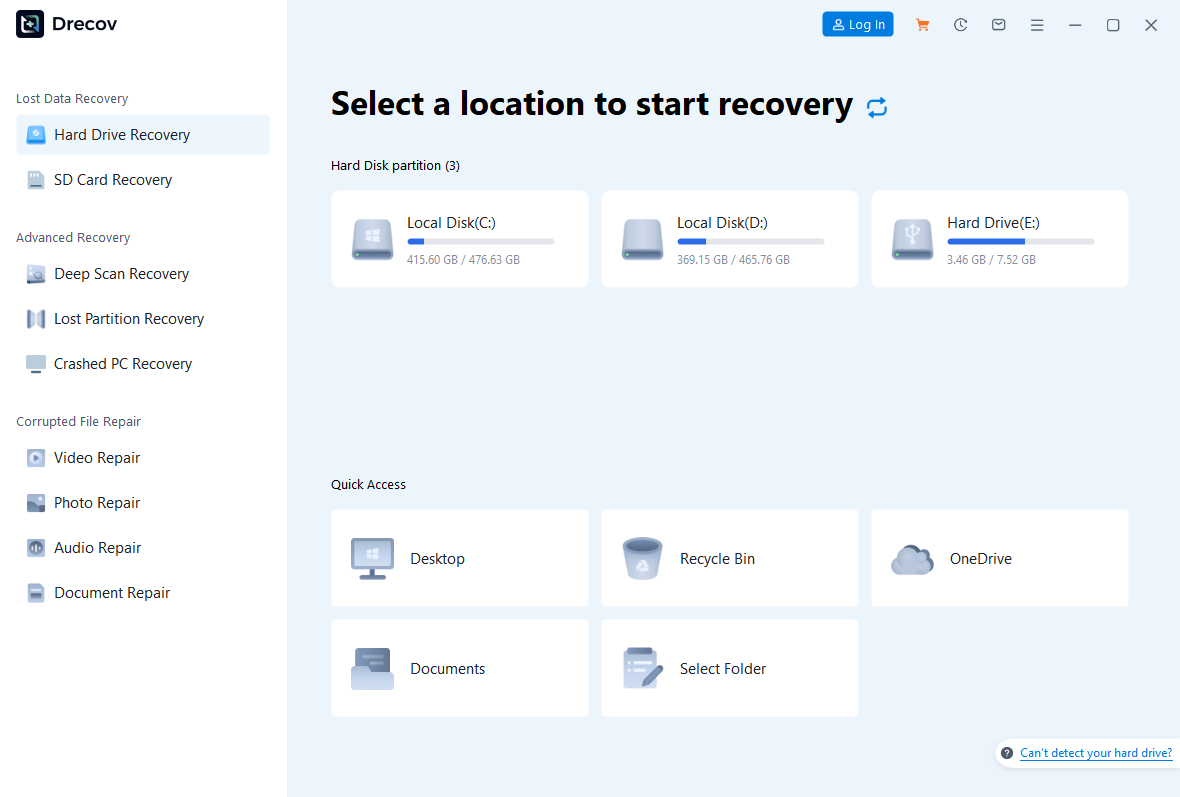
- Step 2: Click the Scan button to let the algorithm locate deleted temporary files and older file states.
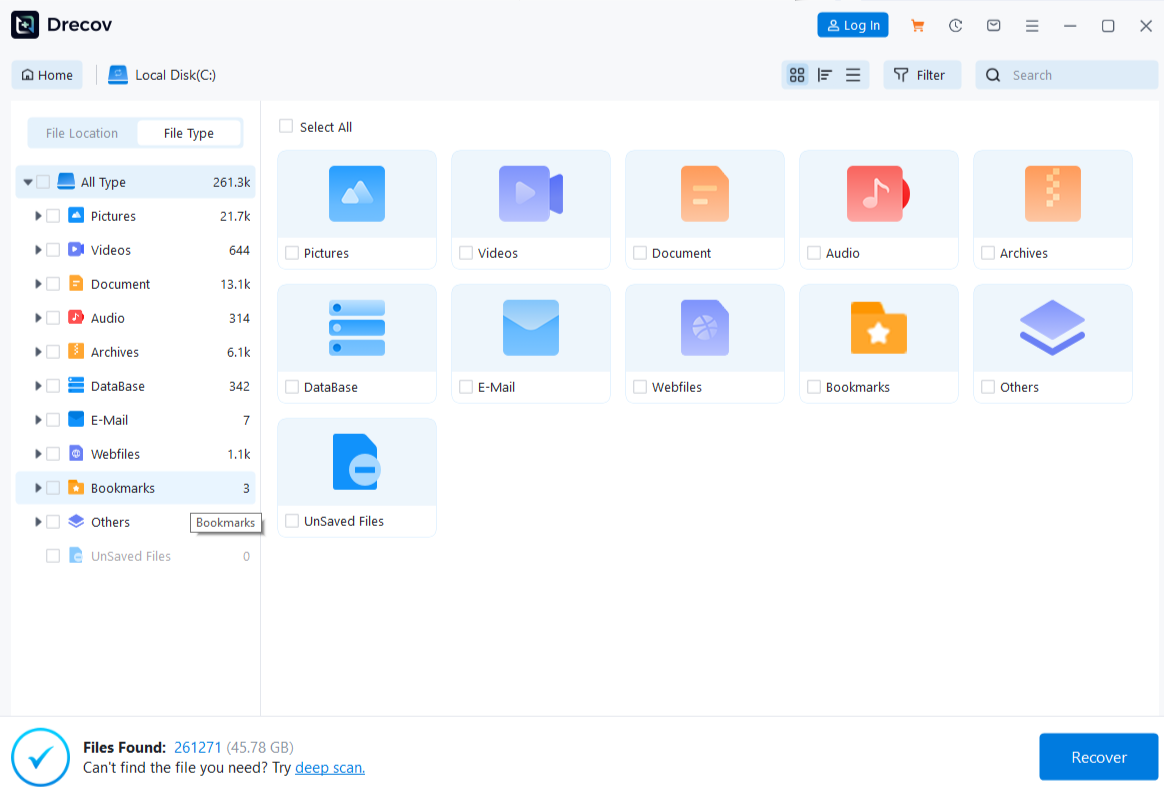
- Step 3: Filter the search results by entering
.docxor.asdin the search bar.

- Step 4: Preview the found files, select the correct draft, and click Recover to save it to a secure location.
Alternative Ways to Recover Previous Versions of Word Documents
If the primary recovery methods do not yield results, you can utilize manual Windows features to solve your data loss issues. These built-in operating system tools provide excellent fallback strategies when you need to figure out how to recover an earlier version of a word document without external software.
Windows File History
Windows has a built-in feature called File History that automatically backs up files in your key user folders.
- Pros: It is completely free and integrated into the operating system.
- Cons: It must be manually enabled before the data loss occurs, and it requires an external backup drive to function.
To use this, right-click your Word document in File Explorer, select Properties, and navigate to the Previous Versions tab to look for older system snapshots.
AutoRecover Unsaved Files
Microsoft Word automatically maintains a hidden directory for temporary drafts. This cache is incredibly helpful when you need to recover earlier version of word document files after an unexpected system shutdown or application crash.
You can navigate directly to the default file path:
C:\Users\YourUsername\AppData\Roaming\Microsoft\Word\
Look for files ending in the .asd extension, which represents AutoRecover storage.
Tips & Best Practices
To ensure you always know how to recover earlier version of word document files without losing sleep, keep these data integrity habits in mind:
- Enable AutoSave: Always toggle the AutoSave switch at the top left of Microsoft Word when working within OneDrive.
- Adjust AutoRecover Frequency: Go to File > Options > Save and change the AutoRecover save interval from ten minutes down to two minutes.
- Avoid Using the Original Drive: If you suspect data loss, stop saving new files to that partition immediately because new data can permanently overwrite the old versions you want to retrieve.
- Utilize Internal Resources: For other technical system maintenance tips, check out the PandaOffice Steam No Licenses Guide or learn about managing external drives via the PandaOffice PS3 ISO USB Guide. Additionally, if you struggle with browser-based document creation, review the PandaOffice ChatGPT Download Error Guide.
FAQs
How to recover old version of word document if AutoRecover was turned off?
You can search your computer for temporary files using File Explorer by typing *.tmp into the search bar. Alternatively, running a scan with PandaOffice Drecov data recovery software can rebuild deleted fragments of files that standard searches miss.
How to view previous versions of a word document that was overwritten?
Right-click the file in File Explorer and select Restore previous versions. If a system restore point or File History backup exists, Windows will display a list of older file states available for extraction.
Can I recover a previous version of a word document from an external flash drive?
Yes, you can check for hidden files on the flash drive. However, external drives do not have a Recycle Bin, so utilizing PandaOffice Drecov data recovery software is the most reliable way to pull old blocks of data from external media.
What is the quickest way to restore a previous version of a word document?
The fastest approach is using the keyboard shortcut Ctrl + Z immediately after you make an unwanted change. If you have already saved and closed the file, using the File > Info > Version History menu inside Word provides the fastest native remedy.
Why is it difficult to restore previous version of word document files on local drives?
Local drives constantly overwrite data blocks that users mark for deletion. Consequently, if you continue modifying files on your computer, newer system activities quickly replace the old cache files.
Conclusion
Mastering how to restore a previous version of a word document ensures that your hard work remains protected against accidents. While Microsoft Word offers excellent built-in cloud options, local storage issues require a more robust solution. Utilizing PandaOffice Drecov data recovery software gives you a reliable safety net to extract older, overwritten, or corrupted documents whenever native features fail. For further insights into file systems and backup standards, you can consult the official Microsoft Support Documentation. Taking a proactive approach to backup settings today will safeguard your critical data tomorrow.






