







Plugging in your USB flash drive only to be greeted by the dreaded windows unable to complete format error is an incredibly frustrating experience. This issue typically happens when your operating system encounters underlying file system corruption or hardware glitches that prevent it from rewriting the drive structure. Consequently, you are left with an unusable storage device and the terrifying prospect of permanent data loss.
Fortunately, you do not have to panic about losing your important files. Before attempting any aggressive formatting fixes that could permanently wipe your device, it is crucial to rescue your data first. PandaOffice Drecov data recovery software is the ideal solution for this exact scenario, as it safely extracts files from unformattable, RAW, or corrupted drives. In this comprehensive guide, we will explore why this error happens and how you can resolve it without sacrificing your valuable data.
Understanding the Basics of Windows Unable to Complete Format
When Windows throws this error, it means the operating system has lost its ability to write a fresh file system to the storage media. This problem is incredibly common for users trying to wipe external media, often leading to search queries like can’t format usb or unable to format usb drive.
Common Causes Behind the Formatting Failure
Several underlying issues can trigger this problem, including:
- Bad Sectors: Physical or logical corruption on the flash memory tracks.
- Write Protection: The drive is locked in a read-only state by a physical switch or a registry glitch.
- File System Corruption: The existing directory structure has become RAW or deeply unstable.
- Virus or Malware Infection: Malicious code has locked the partition table.
Introducing PandaOffice Drecov Data Recovery Software
To prevent permanent data loss during troubleshooting, you should utilize PandaOffice Drecov data recovery software before applying any manual fixes. This powerful tool bypasses Windows file system errors to scan the raw sectors of your storage device, allowing you to salvage photos, documents, and videos even when the windows was unable to complete the format usb error is actively blocking system access.
⚠ Warning: Install it on a drive different from the one where your data was lost to prevent overwriting.
Furthermore, PandaOffice Drecov data recovery software handles a wide array of storage catastrophes. For instance, if you encounter gaming-related storage issues, you can review the guide on installing PS3 ISO games from USB to understand how proper file structures impact drive health. In addition, if you face software-specific storage barriers, checking out the ChatGPT download error fix or the Steam no licenses error guide can provide broader insights into troubleshooting Windows 11 and 10 environment glitches.
How to Fix the “Windows Unable to Complete Format” Error Without Losing Data
When you find yourself trapped in a frustrating windows unable to format usb dilemma, rushing into a fix can cost you your valuable data. To protect your files, you must follow a strategic, step-by-step troubleshooting workflow. Your absolute first priority should always be to recover your files using PandaOffice Drecov data recovery software. Once your data is safely backed up and secure, you can confidently deploy native Windows utility tools to repair the corrupted partition layout.
Method 1: Recover Your Files Using PandaOffice Drecov Data Recovery Software
Because formatting completely erases data, your primary step must be data rescue. PandaOffice Drecov data recovery software is uniquely optimized to read unformattable drives, ensuring your files remain safe throughout the repair process. Follow these step-by-step instructions to extract your data on Windows 11 or Windows 10:
⚠ Warning: Install it on a drive different from the one where your data was lost to prevent overwriting.
- Step 1: Plug your problematic drive into a working USB port. Launch the program.

- Step 2: Select the corrupted drive from the list of available storage devices displayed on the main dashboard.
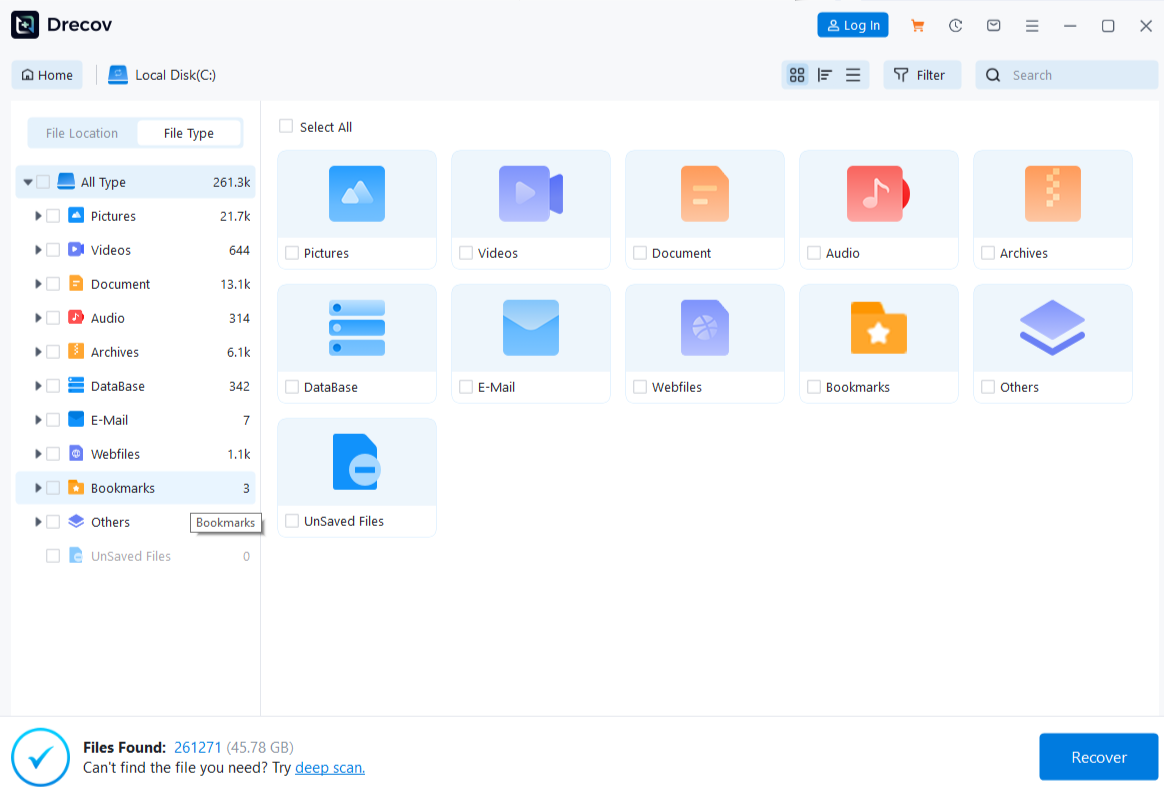
- Step 3: Click the Scan button to initiate a deep sector scan. The software will bypass the Windows partition lock to find lost directories.
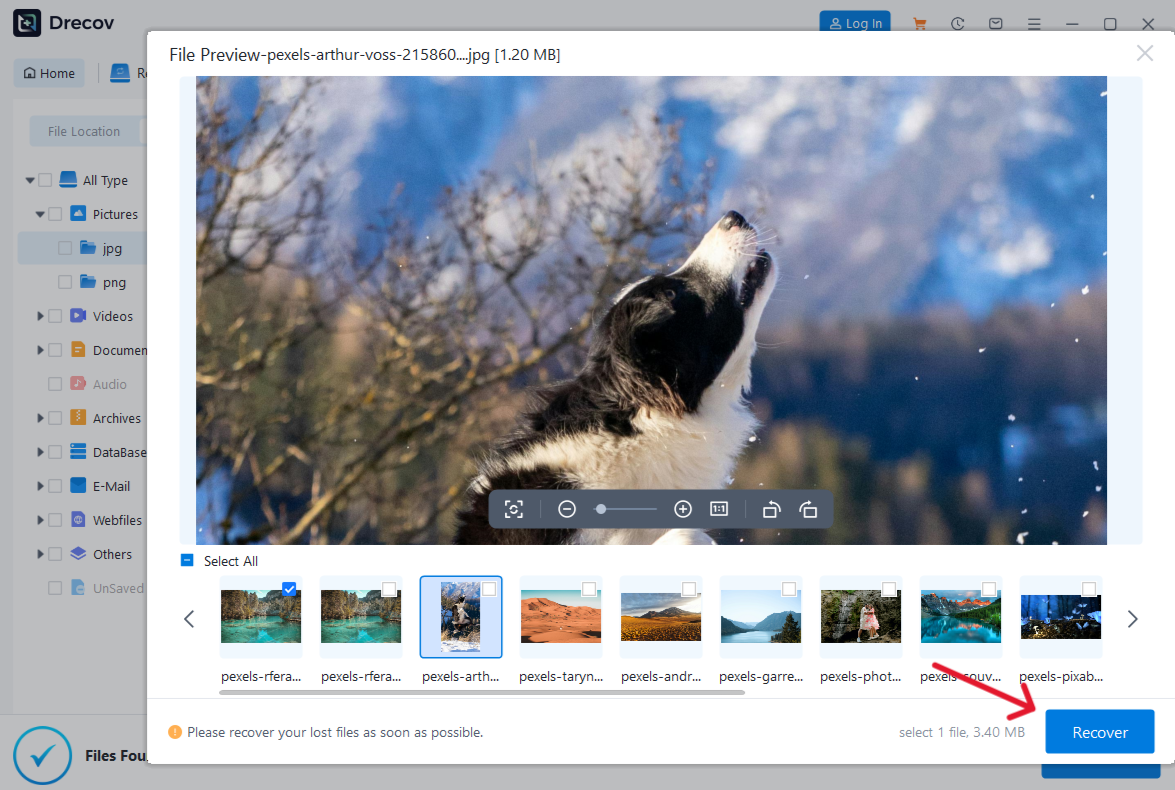
- Step 4: Preview the discovered files once the scan finishes. Select the items you need, then click Recover and choose a safe saving path on your local hard drive.
For more information on system storage requirements, you can check the Microsoft Windows hardware developer documentation to understand how Windows interacts with external file systems.
Method 2: Fix the Drive via Windows Disk Management
Once your data is secured via PandaOffice Drecov data recovery software, you can safely attempt to force a format using the Windows Disk Management utility. This tool is much more robust than the standard File Explorer right-click method when dealing with a cannot format usb drive scenario.
- Step 1: Press the Windows Key + X hotkey combination on your keyboard.
- Step 2: Select Disk Management from the power user menu to open the system partition utility.
- Step 3: Locate your external flash drive in the bottom visual list. It will often show a RAW or unallocated status.
- Step 4: Right-click the unformatted partition and select the Format option.
- Step 5: Choose NTFS or exFAT as your desired file system, uncheck the Quick Format box to ensure a deep check for bad sectors, and click OK.
Method 3: Clear Write Protection and Format via Diskpart
If Disk Management fails, a command-line tool called Diskpart can clear deep system attributes that cause a flash drive unable to format error loop.
- Step 1: Press the Windows Key, type cmd, right-click Command Prompt, and select Run as administrator.
- Step 2: Type
diskpartand press Enter to launch the disk configuration environment. - Step 3: Type
list diskand press Enter to identify your flash drive number by its storage size. - Step 4: Type
select disk Xreplacing X with your specific drive number, then press Enter. - Step 5: Type
attributes disk clear readonlyand press Enter to strip away write blocks. - Step 6: Type
cleanand press Enter to wipe the configuration. - Step 7: Type
create partition primary, then typeformat fs=exfat quickto finally resolve the unable to format flash drive bottleneck.
Alternative or Complementary Methods
When native Windows utilities fail to resolve an unable to format usb hurdle, alternative approaches can often bypass operating system limitations. For instance, third-party partition managers offer advanced low-level formatting algorithms that can overwrite corrupted partition tables where Windows fails. Meanwhile, booting into a Linux environment via a live USB can sometimes format a drive easily because Linux handles damaged file systems differently than Windows.
| Method | Pros | Cons |
| Diskpart Tool | Built into Windows, highly powerful, clears attribute locks | Text interface only, risk of wiping the wrong drive |
| Linux Live USB | Bypasses Windows registry and driver restrictions | Requires creating a bootable medium, complex for beginners |
| Low-Level Format Tools | Overwrites the entire drive with zeros, fixes deep bad sectors | Destroys data completely, takes a very long time to finish |
Tips & Best Practices for Drive Maintenance
To maximize your chances of keeping your storage drives healthy and avoiding a recurring usb drive won’t format nightmare, you should adopt regular drive maintenance habits.
- Always Use Safely Remove Hardware: Unplugging a drive while Windows is writing data causes catastrophic file system corruption.
- Scan for Malware Regularly: Viruses frequently target partition tables, leading to a usb flash drive cannot format state.
- Monitor Drive Health: Use diagnostic tools to check SMART attributes on your external storage media.
- Keep Data Backups: Never rely on a single flash drive for critical files. Make it a habit to store a secondary copy on your local PC or cloud storage.
- Deploy Reliable Recovery First: Always run PandaOffice Drecov data recovery software at the very first sign of drive instability to ensure you never lose your files during troubleshooting attempts.
Frequently Asked Questions
Why does Windows say it is unable to complete the format?
This error occurs because the drive partition is corrupted, has bad sectors, or is locked by write protection, which blocks the Windows formatting engine from safely rewriting the file layout.
Can I retrieve data from a drive that Windows cannot format?
Yes, you can extract your files easily. PandaOffice Drecov data recovery software can safely scan raw, unreadable, and corrupted storage devices to recover your files before you attempt any repairs.
How do I fix a USB drive that won’t format in Windows 11?
You can use the Diskpart command-line utility via an elevated Command Prompt to run the clean command, which strips away the corrupted metadata causing the windows can’t format usb block.
Does a low-level format fix a corrupted flash drive?
In many cases, a low-level format can restore a drive by writing zeros to every sector. However, this process permanently erases everything, so you must use PandaOffice Drecov data recovery software to save your files first.
What should I do if Diskpart fails to clean my flash drive?
If Diskpart fails, the flash memory chip has likely reached its write-endurance limit or suffered permanent hardware damage, meaning the device has become permanently read-only and needs replacement.
Conclusion
Encountering the windows unable to complete format error can be stressful, but it does not have to result in permanent data loss. By remaining calm and deploying PandaOffice Drecov data recovery software right away, you can securely rescue your vital files from the corrupted storage medium before applying advanced technical fixes like Diskpart or Disk Management. Ultimately, practicing proactive data management, backing up your files frequently, and using dependable data recovery tools will keep your digital assets safe from unexpected hardware failures.






