







Deleting files sounds simple, right? You click a file, press delete, and it disappears. However, once you start dealing with stubborn files, storage issues, recycle bins, cloud syncing, or permanently deleting sensitive data, things become a lot more complicated. That is why so many people search for how to delete files properly instead of just dragging things into the trash and hoping for the best.
This comprehensive guide will walk you through every major method for how to delete files across Windows, Mac, Android, and iPhone devices. You will also learn how to permanently delete files, recover accidentally deleted data, and safely remove files that refuse to disappear.
Why Deleting Files Is Important
Many people underestimate the impact of file clutter. Unused files do not just occupy space—they can also reduce performance and create organizational chaos. When you actively learn how to delete files that are no longer needed, you optimize your entire system.
Benefits of Deleting Unnecessary Files
| Benefit | Explanation |
| Frees Storage Space | More room for apps, games, and media |
| Improves Device Speed | Less clutter means smoother, faster performance |
| Better Organization | Easier to find important files without searching through clutter |
| Enhanced Security | Removes sensitive or outdated data that shouldn’t be exposed |
| Faster Backups | Smaller storage takes less time and bandwidth to back up |
Imagine trying to work in a room packed with boxes. That is essentially what your device experiences when storage gets overloaded. By discovering how to delete files systematically, you help your system operate more efficiently and reduce unnecessary stress on hardware.
How to Delete Files on Windows
Windows offers several ways to handle file management, depending on whether you want temporary or permanent removal. Let us explore the traditional methods first.
Delete Files Normally
The simplest method involves moving files to a temporary holding zone:
- Step 1: Open File Explorer by pressing the Windows Key + E shortcut.
- Step 2: Locate and left-click the file you want to remove.
- Step 3: Press the Delete key on your keyboard, or right-click and select the trash icon.This method is incredibly useful because you can restore the file later if you change your mind.
Delete Files Permanently
If you want to skip the Recycle Bin entirely, you can use a quick keyboard shortcut:
- Step 1: Select the target file or folder.
- Step 2: Press Shift + Delete simultaneously.
- Step 3: Click Yes when the confirmation dialog box appears.Think of the Recycle Bin like a safety net. Permanent deletion removes that safety net completely, so use it with caution.
How to Delete Files on Mac
Mac users have a very similar process using the macOS Trash system. If you are shifting from Windows to Mac, understanding how to delete files requires learning a few different hotkeys.
Standard File Deletion
- Step 1: Open Finder and navigate to the file location.
- Step 2: Drag the file icon directly to the Trash icon on your dock, or press Command + Delete.
Permanently Remove Files
- Step 3: To clear the space completely, click and hold the Trash icon.
- Step 4: Select Empty Trash from the pop-up menu, or use the shortcut Command + Shift + Delete.Mac devices keep deleted files in Trash until you manually remove them, protecting users from accidental deletion mistakes.
How to Delete Files on Android
Android phones can quickly fill up with photos, downloads, and cached app data. Knowing how to delete files on mobile keeps your phone from stuttering.
- Step 1: Open your default file manager application (often named Files or My Files).
- Step 2: Browse through categories like Images, Videos, or Audio.
- Step 3: Long-press the file you wish to remove, then tap the Delete or Trash icon.
- Step 4: Check the Trash or Bin folder within the app to empty it permanently.Downloads folders often contain forgotten PDF files or installers. Removing unused downloads can instantly free significant storage space.
How to Delete Files on iPhone
iPhones handle file deletion differently because of Apple’s specialized ecosystem and iCloud integrations.
Delete Photos and Videos
- Step 1: Open the Photos app and tap Select at the top right.
- Step 2: Tap the items you want to remove, then select the Trash icon.
Delete Files in the Files App
- Step 1: Open the standalone Files app.
- Step 2: Long-press the file and choose Delete from the context menu.
- Step 3: Navigate back to the Browse tab, select Recently Deleted, and tap Delete All to free the storage immediately. Otherwise, deleted files remain there for 30 days.
How to Permanently Delete Sensitive Files
If a file contains personal, financial, or corporate data, normal deletion may not be enough. You need to know how to delete files beyond any hope of recovery.
Why Permanent Deletion Matters
Sensitive files can easily be recovered by unauthorized parties using basic software if the sectors are not overwritten.
Secure Deletion Methods
To achieve absolute data destruction, you should utilize specialized file shredding software or drive wiping utilities. Popular open-source and commercial options include:
- Eraser: A free security tool for Windows that allows you to completely remove sensitive data from your hard drive by overwriting it several times with carefully selected patterns.
- BleachBit: A powerful cleaner that guards your privacy and frees disk space by shredding files to hide their contents.
These programs overwrite the file data multiple times, making recovery nearly impossible. Think of it like shredding paper documents instead of simply throwing them into the office trash can. For official guidance on securely managing web and local assets, you can review the latest documentation on the Google Search Central website.
How to Delete Files That Won’t Delete
Few things are more frustrating than stubborn files that refuse to disappear. You click delete, and an annoying error message pops up.
Common Error Messages
- “File is in use by another program”
- “Access denied: You need administrator permission”
- “The action cannot be completed because the file is open”
Solutions for Stubborn Files
- Step 1: Close Active Programs. The file may still be open in a background process. Open Task Manager (Ctrl + Shift + Esc), find the program using the file, and click End Task.
- Step 2: Restart Your Device. A quick system reboot often releases locked system handles and temporary caches, allowing you to delete the file normally upon startup.
- Step 3: Use Safe Mode. If the file is locked by a persistent malware strain or startup program, boot your computer into Safe Mode, navigate to the file, and press Shift + Delete.
- Step 4: Fix File Permissions. Right-click the file, select Properties, go to the Security tab, and ensure your user account has Full Control permissions enabled.
Deleting Temporary Files
Temporary files quietly consume storage over time without your knowledge. Knowing how to delete files in your temporary directories can rescue an endangered hard drive.
What Are Temporary Files?
These residual files are created during software installations, internet browsing sessions, and major operating system updates.
How to Delete Temporary Files on Windows
- Step 1: Press Windows + R to open the Run dialog box.
- Step 2: Type
%temp%into the text field and hit Enter. - Step 3: Press Ctrl + A to select all files inside the folder, then press Shift + Delete to clear them out.Running this simple maintenance process can instantly free up several gigabytes of space.
Can Deleted Files Be Recovered?
Yes, absolutely. As we mentioned earlier, a file is not truly gone until it is overwritten by new data. If you have made a terrible mistake and need to reverse the process of how to delete files, your absolute best chance lies in professional recovery utilities.
Recovering Data with PandaOffice Drecov Data Recovery Software
When files are lost due to accidental format, shift-deletion, or system crashes, PandaOffice Drecov data recovery software offers a highly effective, beginner-friendly solution. It scans the deepest sectors of your storage drives to piece your lost data back together.
⚠ Warning: Install it on a drive different from the one where your data was lost to prevent overwriting.
Here is the exact step-by-step breakdown of how to use this powerful tool:
- Step 1: Select the Target Location. Launch the program. On the main dashboard, select the specific drive, folder, or external storage device where you previously executed the deletion.

- Step 2: Run the Scan. Click the Scan button. The software will perform a Quick Scan followed by a Deep Scan to locate every recoverable file remnant.

- Step 3: Preview and Filter. Browse through the scanned files organized by file type (e.g., JPEG, DOCX, MP3). You can use the built-in preview function to verify the integrity of your pictures or documents.
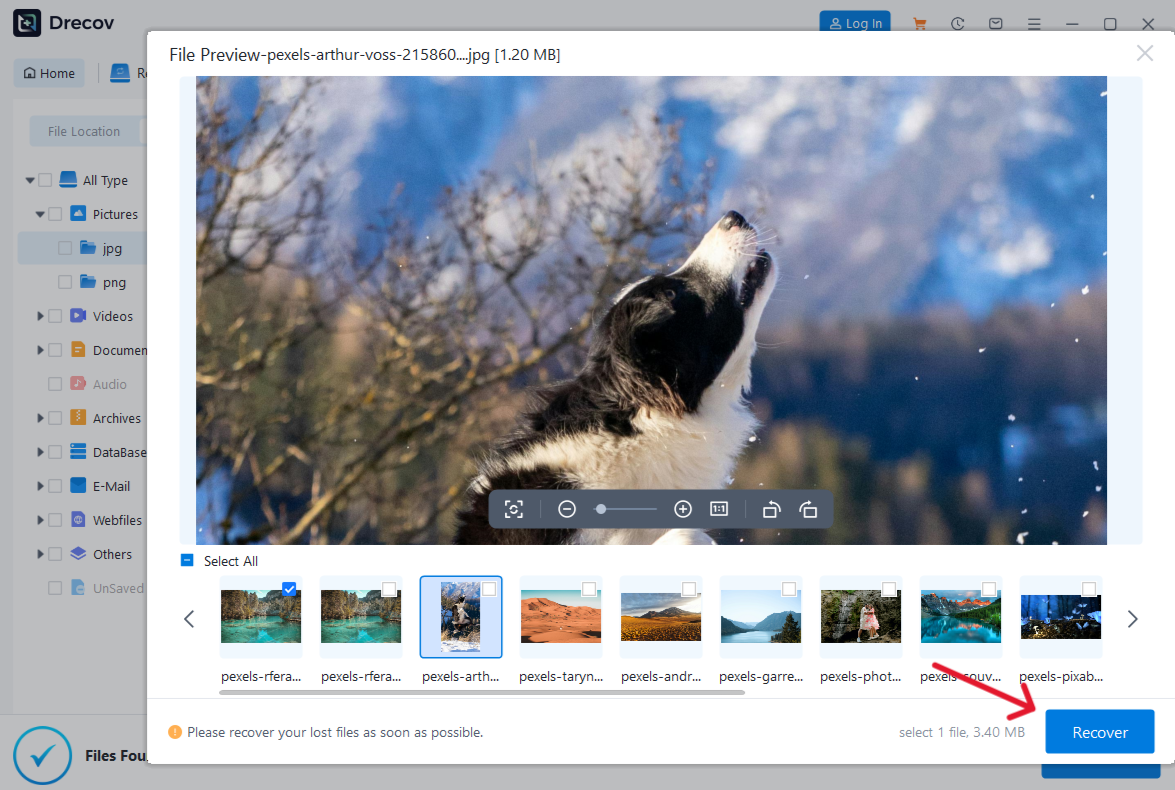
- Step 4: Recover Your Data. Mark the checkboxes next to the files you wish to rescue. Click the Recover button and choose a safe saving destination—ideally an external hard drive or flash drive.
Warning Prompt: Never save the recovered files back onto the exact same drive partition you are scanning. Doing so can cause permanent data corruption and completely ruin your chances of a successful recovery!
Essential Technical Guides for Data Emergency
If you encounter system boot issues or browser-specific data losses while managing your files, these step-by-step resources can guide you through the restoration process:
- If your entire operating system fails to boot after a bad cleanup, learn how to create a Windows 10 recovery disk complete step-by-step guide to build an emergency tool.
- Losing internet data can be frustrating; follow this guide to how to get your Google Chrome bookmarks back with ease.
- For users running alternative browsers, check out these excellent Firefox bookmarks recovery 5 proven methods to get back lost data strategies.
Best Practices for File Management
Learning how to delete files is much simpler when your overall system is organized. Instead of treating your desktop like a digital dumping ground, implement structural habits.
Organize Files into Folders
Create a logical, transparent hierarchy for your data using distinct root folders:
- Work/Business: Client invoices, projects, contracts.
- Media: Family photos, raw video footage, music production.
- Downloads: A temporary landing zone meant to be cleared weekly.
- Personal: Financial documents, legal papers, medical records.
Schedule Regular Cleanup Routines
Set a recurring calendar reminder on your device to execute monthly or biweekly cleanups. This keeps data piles small and manageable, making it much easier to decide how to delete files without facing overwhelming clutter.
Use External Backups
Before you begin a massive file deletion spree, ensure your system backup is fully up to date. Think of backups like insurance—you hope you never need them, but you will be incredibly glad they exist if something goes sideways during your cleanup.
Common Mistakes to Avoid
When users rush through cleaning their devices, they often make critical errors. Keep these warnings in mind:
- Deleting Important System Files: Never go into the
C:\WindowsorSystem32directories to free up space. Removing critical system files can break your operating system, resulting in a black screen or boot loop. - Emptying the Trash Too Quickly: Do not instantly empty your Recycle Bin out of habit. Give it a few days; you might realize you deleted a crucial project file by mistake.
- Ignoring Backup Copies: Always remember that once data is deleted from an SSD (Solid State Drive) and the TRIM command runs, data recovery becomes significantly harder than on traditional mechanical hard drives.
Signs Your Device Needs File Cleanup
How do you know when it is time to sit down and figure out how to delete files on your system? Look out for these common warning signs:
- Constant “Low Storage Space” notifications appearing on your screen.
- Applications taking noticeably longer to load or respond to commands.
- Long startup times when powering on your computer or laptop.
- The system freezing or crashing during simple file transfer tasks.
Storage clutter affects nearly every single aspect of your operating system’s overall performance. Keeping your drives lean directly translates to a faster computing experience.
How Often Should You Delete Files?
The frequency of your digital cleanup depends entirely on your specific usage habits. Review the table below to find your category.
| User Type | Recommended Cleanup Frequency | Key Focus Area |
| Casual Users | Monthly | Clearing downloads and browser history |
| Gamers | Weekly | Uninstalling unplayed games and temporary logs |
| Content Creators | Every Few Days | Offloading raw footage to external storage |
| Office Users | Biweekly | Archiving old emails and duplicates |
Regular maintenance prevents storage overload before it evolves into a serious technical issue.
Advanced File Deletion Tips
Use Built-In Disk Cleanup Tools
Windows has an excellent built-in feature called Disk Cleanup or Storage Sense. You can type “Disk Cleanup” into your Start menu search bar, select your main drive, and let the system safely eliminate error logs, old update files, and delivery optimization files.
Automate Your Storage Maintenance
On modern macOS and Windows 11 systems, you can turn on automatic optimization rules. These settings automatically delete files that have been sitting in your trash bin for more than 30 days, saving you from having to remember to do it manually.
Monitor Large Files
Use disk space analyzers like WinDirStat or GrandPerspective to visually map your storage. These tools show you exactly which massive, forgotten video files or zip archives are taking up the most room, allowing you to target your deletion efforts effectively.
FAQs
1. Where do deleted files go immediately after I delete them?
Most deleted files are sent to the Windows Recycle Bin or macOS Trash. On mobile devices, they move to a “Recently Deleted” or “Trash” folder within your gallery or file manager application.
2. Can permanently deleted files be recovered under any circumstances?
Yes, they can often be recovered using software like PandaOffice Drecov data recovery software, provided that the underlying storage sectors have not been completely overwritten by new files.
3. Is deleting temporary files safe for my operating system?
Yes, temporary files are generally safe to remove. Your applications create them as temporary scratchpads and do not rely on them for core operational stability.
4. Why does my computer say “Access Denied” when I try to delete a file?
This usually happens because the file is currently being utilized by a background system process, or your user account lacks the necessary administrative permissions to alter that specific file.
5. Does deleting files genuinely improve my device’s performance?
Yes. Freeing up drive space allows your operating system to utilize virtual memory (swap space) more efficiently, which directly speeds up system responsiveness and prevents random application freezing.
Conclusion
Learning how to delete files properly is one of the simplest, most effective ways to maximize device performance, maintain digital organization, and protect your storage investments. Whether you are operating on a high-end Windows desktop, a sleek Mac, or an everyday smartphone, understanding the fine line between temporary file deletion and permanent data removal gives you complete authority over your digital life.
The ultimate key is balancing cleanup with caution. Always verify exactly what you are deleting, maintain redundant backups of indispensable data, and use secure deletion methods when handling highly sensitive records. And if an accident does occur, do not panic; reliable tools like PandaOffice Drecov data recovery software are always available to help recover your lost information.






