







A usb drive formatter is an essential tool for resolving file system errors, fixing corrupted storage, and altering system compatibility. However, executing a format operation can quickly wipe out or conceal all your existing data. If your removable media contains critical information, it is crucial to perform a secure data recovery process before running any formatting utility. This comprehensive guide is specifically tailored for users dealing with mandatory format prompts, unreadable USB storage devices, incorrect file system allocations, accidental quick formats, and unexpected file deletions. It details what to check first, when to avoid specific repair actions, and how PandaOffice Drecov can efficiently rescue your files from an external hard drive, USB flash drive, or other removable storage devices.
What a USB Formatter Changes on the Drive
usb drive formatter should begin with protecting the original storage device. Deleted, formatted, or inaccessible files may remain recoverable until new data overwrites them.
If the device is still readable, avoid copying new files to it. New saved content can overwrite older file records that recovery software still needs.
If Windows asks to format the drive, cancel the prompt until important files have been recovered. Formatting may make the drive usable again, but it can also make recovery harder.
Check Whether You Need Format or Recovery First
- Decide whether your goal is compatibility, error repair, or secure cleanup.
- Use quick format only after important files are safe.
- Do not interrupt formatting once it starts.
- Scan the USB first if it contains files you still need.
- If the files are important, start usb drive formatter before changing partitions, rebuilding media, or running destructive fixes.
Drecov Steps to Recover Files After Formatting
PandaOffice Drecov is a professional-grade data recovery solution designed to retrieve lost, deleted, or formatted files from a wide range of storage media. Equipped with advanced deep-scanning algorithms, Drecov bypasses corrupted file systems to reconstruct fragmented data structures, making it the ideal software companion before or after utilizing a usb drive formatter. It supports previewing multiple file formats, ensuring users can verify the integrity of their documents, photos, and videos before committing to recovery.
⚠ Warning: Install it on a drive different from the one where your data was lost to prevent overwriting.
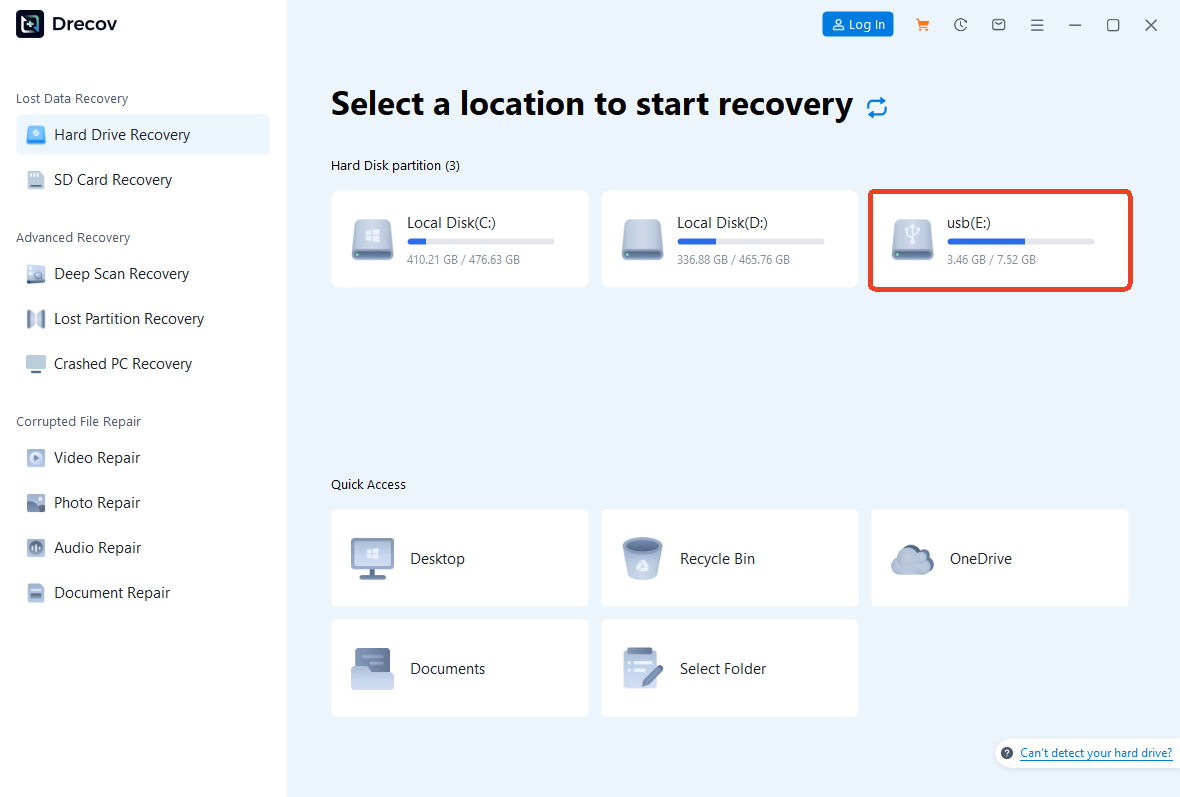
- Step 1. Open PandaOffice Drecov and choose the location or path where the files were lost. Select the original drive, folder, USB device, card, or partition instead of a random nearby location.
- Step 2. Start the scan. Let Quick Scan finish first for recently deleted files, then continue with Deep Scan when the loss involves formatting, corruption, partition damage, or older missing files.
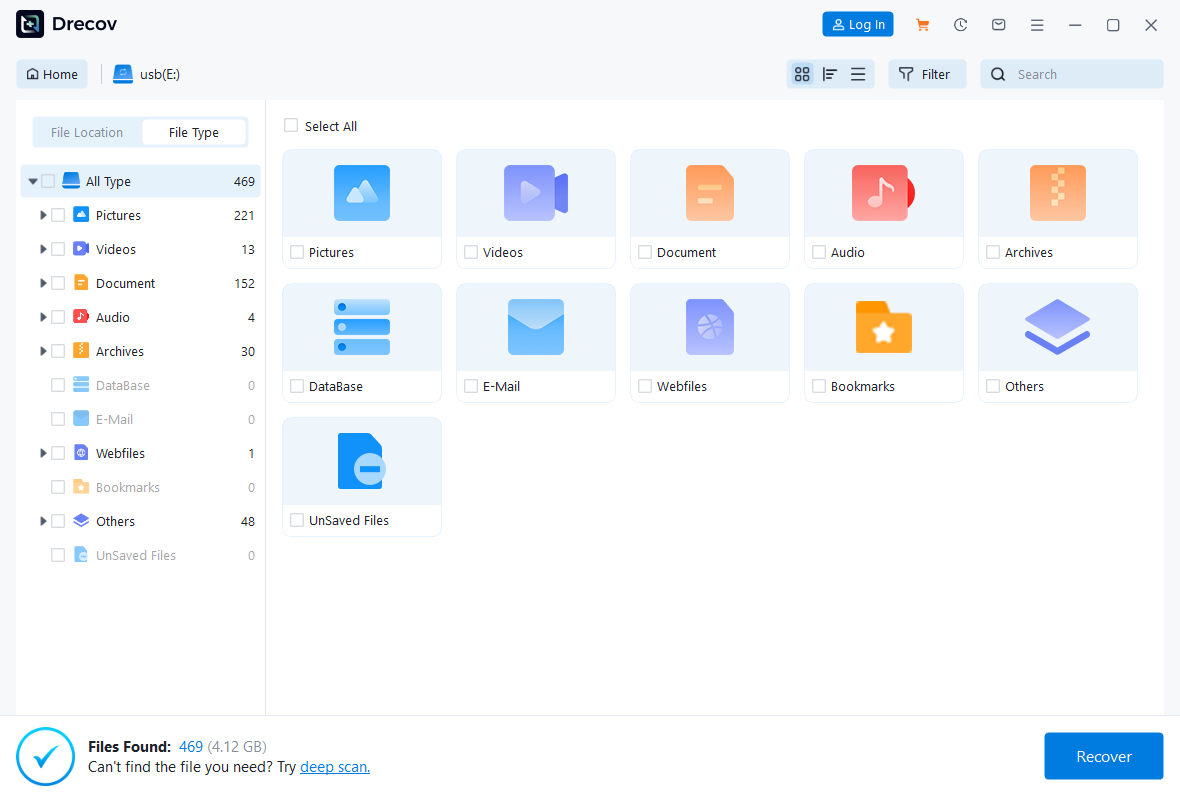
- Step 3. Review the scan results by file type, original path, size, and modified date. Use preview when available so you can confirm whether a file is usable before restoring it.
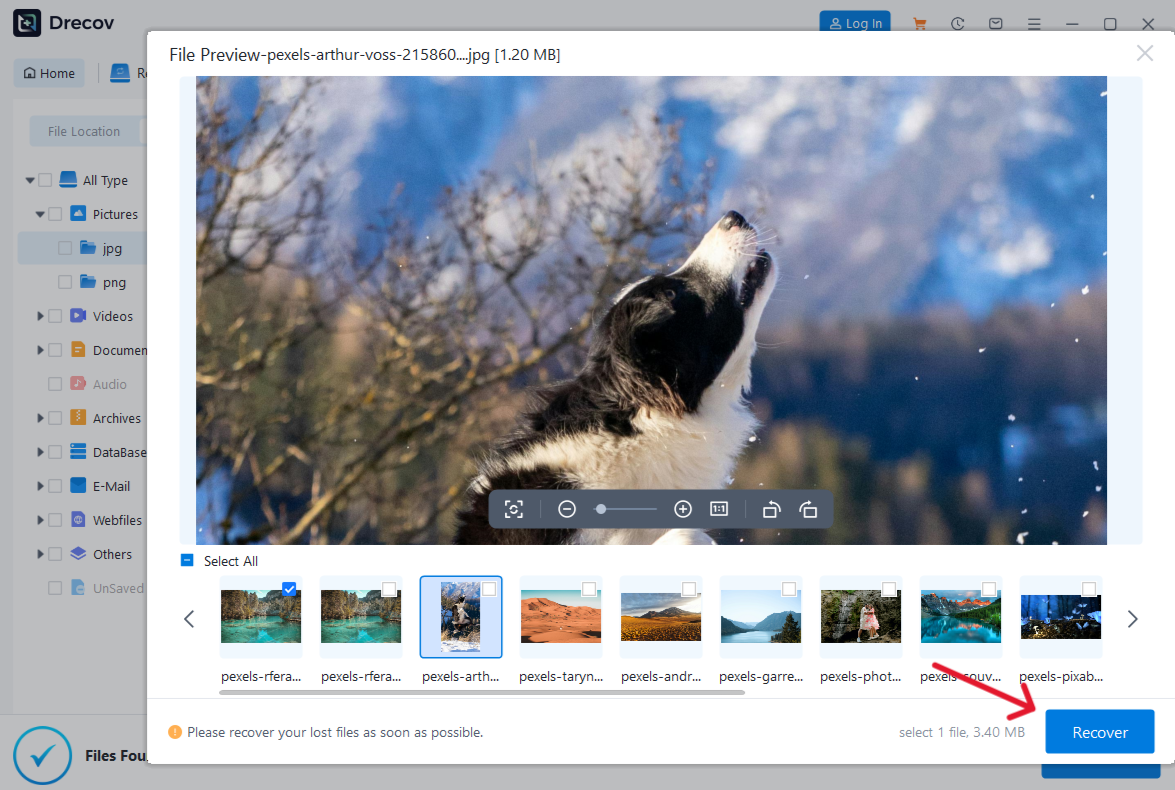
- Step 4. Select only the files you need and recover them to another healthy drive. Do not save recovered files back to the same device that lost data.
- Step 5. Open several recovered files after saving them. If the expected folder is missing, check the selected destination for a Drecov or Recovery folder.
Helpful USB Formatter and Recovery Links
Start with PandaOffice Drecov for the main recovery workflow. Related Drecov guides can also help: format a USB drive, wipe versus format, and recover USB drive data.
For another recovery perspective, see this corrupted hard drive recovery article.
Avoid These USB Formatting Mistakes
- Do not format a device before recovering important files.
- Do not install recovery software onto the same drive that lost data.
- Do not recover files back to the original problem device.
- Do not keep testing repairs if the device disconnects, slows down, or shows the wrong capacity.
- Do not delete scan results until recovered files have been opened and checked.
Review the Recovered Files Before Repairing the Device
If the scan returns many results, review the most important file types first. Documents, photos, videos, archives, and emails are easier to confirm when preview is available.
If a file opens correctly after recovery, copy it into a clean folder and keep the original scan result until the full review is finished.
For usb drive formatter, it is better to recover a smaller verified set first than to rush through a large list of uncertain files. Once the critical data is safe, you can format, reset, rebuild, or replace the device with less risk.
FAQ About USB Drive Formatter Recovery
Can Drecov help with usb drive formatter?
Yes. Drecov can help with usb drive formatter by scanning the original location, showing recoverable files, supporting preview, and restoring selected data to a different drive.
Should I format first if Windows recommends it?
No. Formatting can make a device usable again, but it can also reduce the chance of recovering older files. Recover important data first.
Where should I save recovered files?
Save them to another healthy drive with enough free space. Saving to the same device may overwrite files that have not been recovered yet.
What if the recovered file names look different?
Check preview, file type folders, reconstructed folders, file size, and modified date. Some recovery cases preserve content even when original names are incomplete.
Conclusion
In summary, choosing the right usb drive formatter can easily make a corrupted or unreadable USB usable again, but formatting should never be your first move when valuable files are at stake. Prioritizing data protection by recovering necessary files and saving them to an alternate device ensures that your information remains intact. PandaOffice Drecov delivers a highly effective, recovery-first workflow that secures your critical data before a usb drive formatter permanently alters the drive’s file structure. By following this sequential approach, you can successfully repair your storage media without sacrificing important digital assets.





