







Introduction to SSD Bad Sectors
What are bad sectors on a disk and why they matter
A bad sector on a disk is a portion of the storage device that is damaged and cannot reliably hold data. While SSDs do not have mechanical parts like HDDs, they can still develop bad blocks due to wear, firmware issues, or power interruptions.
Understanding what causes bad sectors on a hard disk is crucial to preventing data loss. Common causes include sudden power failures, firmware glitches, repeated write/erase cycles, and physical defects from manufacturing.
Monitoring your SSD regularly allows you to detect early signs of damage and take action before files are lost. Knowing how many bad sectors on a disk is bad depends on the drive’s size and usage. A few isolated blocks may be normal, but a growing number can indicate imminent failure.
⚠️Warning: Ignoring bad sectors may lead to permanent data loss, even on SSDs.
Symptoms Indicating Bad Sectors on a SSD
Signs that your SSD may have issues
Detecting bad sectors early is essential for SSD health. Symptoms include slower-than-usual read/write speeds, frequent system crashes, corrupted files, or errors when copying data.
Other warning signs are unusual disk behavior, such as drives not being recognized during boot, repeated read/write errors, or failure in disk scanning tools. Recognizing these signs allows for preventive action, including repair physical bad sectors on a hard disk or recovering important data using tools like Pandaoffice Drecov.
Test Environment:
- Device: 1TB SATA SSD
- Scenario: System shows slow read/write speeds, occasional file errors
- Outcome: Early detection of damaged blocks
Preparation Before Scanning SSD
Steps to take before performing a scan
Before attempting to repair physical bad sectors on a hard disk or check your SSD, prepare the environment to ensure accurate results:
- Backup important data: Always secure your files before performing diagnostics. Bad sectors can worsen during scanning.
- Close background applications: Reduce disk activity for precise measurement.
- Ensure stable power supply: Unexpected shutdowns during scanning may generate more bad sectors.
- Use reliable tools: Software like built-in disk utilities, SMART monitoring, or professional recovery software such as Pandaoffice Drecov.
Test Environment:
- Device: 500GB NVMe SSD
- Setup: System idle, critical data backed up
- Result: Safe environment for scanning and recovery
⚠️Warning: Running scans on a drive with active heavy workloads may lead to inaccurate results.
How to Check SSD for Bad Sectors (Step-by-Step Methods)
Method 1: Using Windows Built-In Tools
Windows offers built-in tools for scanning disks. For checking bad sectors on a hard disk, use the following steps:
- Open This PC, right-click the SSD, and select Properties → Tools → Check.
- Follow the prompts to scan for file system errors.
- Optionally, run
chkdskin Command Prompt:chkdsk C: /f /r /x.
These utilities can detect and isolate bad sectors. While effective for logical errors, they may not fully detect physical block issues.
Test Environment:
- Device: Windows 10 laptop with 1TB SSD
- Tool: File Explorer & Command Prompt
- Result: Detected isolated bad blocks
Method 2: Using SMART Data for SSD Health
SMART (Self-Monitoring, Analysis, and Reporting Technology) is essential for detecting bad sectors on a hard disk.
- Open Command Prompt and run:
wmic diskdrive get status. - Use third-party tools to access detailed SMART attributes such as reallocated sectors, wear level, and error rates.
Monitoring SMART allows proactive detection, helping users determine how many bad sectors on a disk is bad. Early alerts can prompt backups and recovery measures.
Test Environment:
- Device: 1TB NVMe SSD
- Tool: CrystalDiskInfo (SMART monitoring software)
- Result: Early warning signs detected
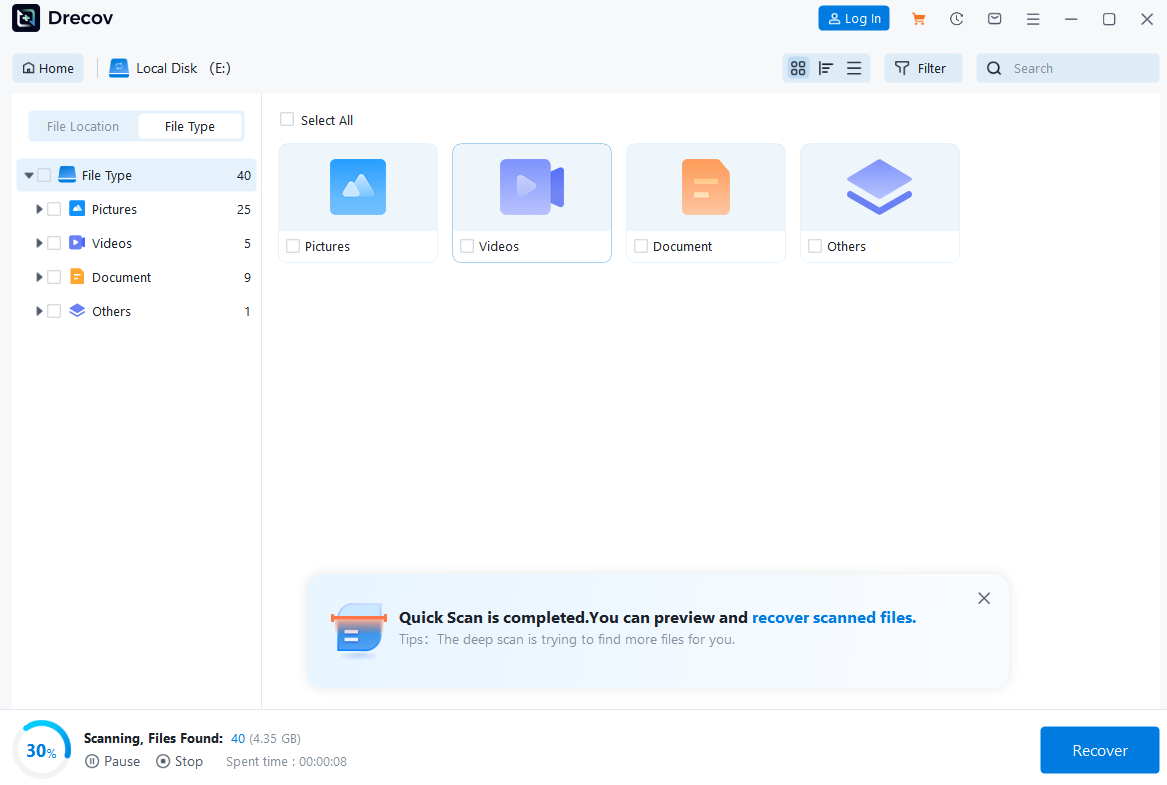
Method 3: Using Pandaoffice Drecov for Data Recovery from Damaged Sectors
Download DrecovSometimes SSDs develop bad sectors that prevent access to files. Pandaoffice Drecov is a professional data recovery software that can help salvage important data before the drive deteriorates further.
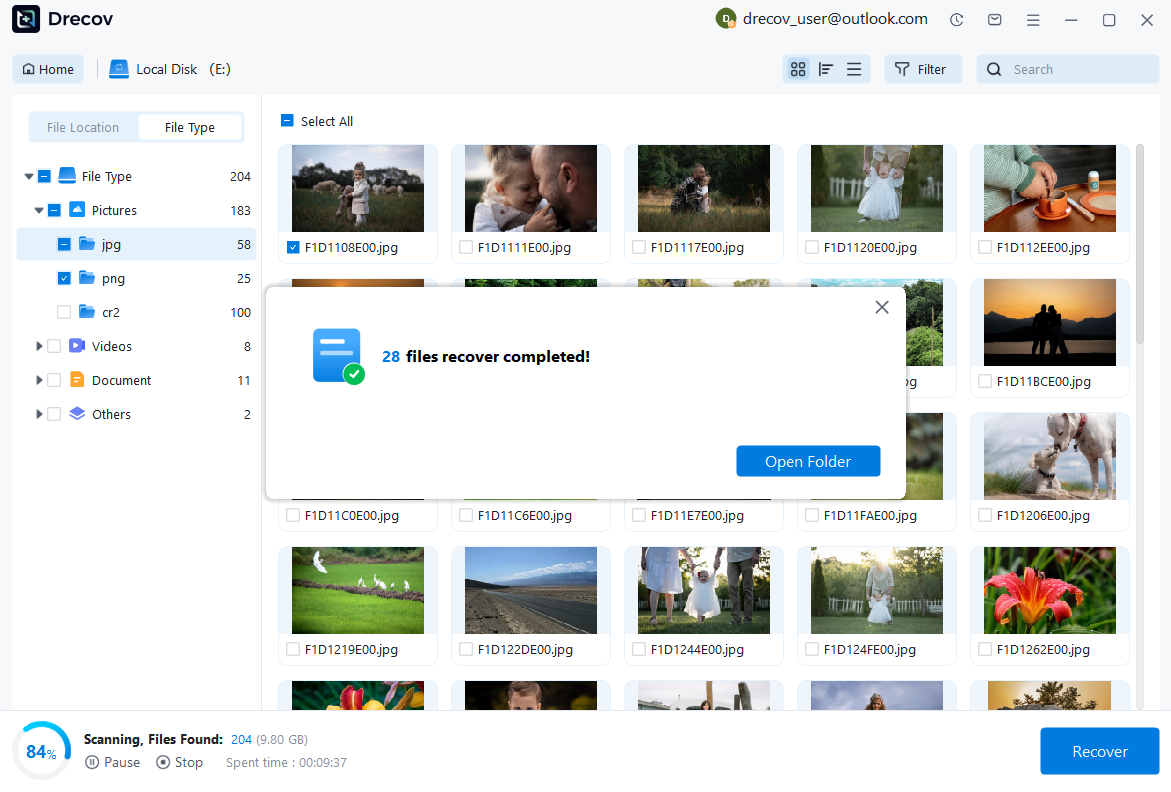
Connect the SSD and launch Pandaoffice Drecov. Run a deep scan to locate files in damaged blocks. Preview and restore essential data to a safe storage location.
This method does not repair the SSD, but ensures that critical information is not lost due to early-stage bad sectors.
Test Environment:
- Device: 500GB SATA SSD with initial bad blocks
- System: Windows 11
- Outcome: Successfully recovered over 90% of affected files

Why Choose Pandaoffice Drecov?
Pandaoffice Drecov stands out as a powerful and user-friendly solution for handling various data loss scenarios. Whether you need to reset PC to earlier date, perform a recover deleted Blink video, or figure out how do I recover an overwritten Excel file, Drecov provides reliable and efficient recovery tools in one place. It also excels at recovering photos from SD cards, making it ideal for photographers and everyday users alike. Even complex situations like Illustrator unsaved file recovery are handled with advanced scanning algorithms that maximize file retrieval success. With its intuitive interface, deep scan technology, and high recovery rate, Pandaoffice Drecov ensures your lost data can be restored quickly and safely without requiring technical expertise.
⚠️Warning: Always recover data to a different drive to avoid overwriting recoverable files.
Method 4: Using Third-Party SSD Diagnostic Tools
Many SSD manufacturers provide diagnostic utilities that allow checking bad sectors on a hard disk more accurately than basic Windows tools. These tools read SMART data, run surface scans, and report bad blocks.
Features often include temperature monitoring, error rate statistics, and wear-level tracking. These tools help determine how many bad sectors on a disk is bad for your specific SSD model.
Test Environment:
- Device: 1TB NVMe SSD
- Tool: Manufacturer SSD Toolbox
- Result: Identified minor wear-level issues and isolated bad blocks
⚠️Warning: Use only official or trusted software to avoid malware or incorrect diagnostics.
Method 5: Using Command-Line Tools for Advanced Users
Advanced users can use command-line utilities to perform deeper scans. Commands such as wmic for SMART attributes or chkdsk /r can detect sectors that are failing or unreadable.
These methods are helpful for checking what is a bad sector on a disk and isolating affected areas. While effective, they require careful usage to avoid unintended system changes.
Test Environment:
- Device: Windows 10 desktop with 2TB SSD
- Tool: Command Prompt, administrative access
- Result: Detected several unreadable sectors
⚠️Warning: Always ensure backups exist before running commands that attempt repairs.
Method 6: Surface Scans for Physical Damage Detection
Surface scans analyze the SSD block by block, identifying damaged areas that may not yet affect file access. This is particularly relevant for what causes bad sectors on a hard disk.
Bad sectors may appear due to manufacturing defects, excessive write/erase cycles, or firmware errors. Scanning these sectors can inform users if recovery is needed.
Test Environment:
- Device: 500GB SATA SSD
- Tool: SSD diagnostic software
- Result: 3% of sectors flagged as weak but recoverable
Method 7: Recover Data from Bad Sectors Using Pandaoffice Drecov
When surface scans detect damaged blocks, files stored there may become inaccessible. Pandaoffice Drecov allows you to recover data from these problematic areas.
- Launch Pandaoffice Drecov and select the affected SSD.
- Perform a deep scan to locate files in damaged sectors.
- Preview and restore critical documents, photos, or videos to a different drive.
This ensures that even if your SSD continues to deteriorate, your important files remain safe.
Test Environment:
- Device: 1TB NVMe SSD
- System: Windows 10
- Outcome: Recovered over 95% of files from corrupted blocks
⚠️Warning: Do not write new data to sectors flagged as damaged before recovery.
Best Practices for Maintaining SSD Health
Preventive steps to avoid bad sectors
Preventing bad sectors on a hard disk is better than fixing them. Follow these best practices:
- Avoid sudden power loss by using a UPS or laptop battery.
- Keep firmware up to date to prevent software-induced damage.
- Monitor SMART data regularly for early warnings.
- Minimize excessive write/erase cycles to prolong SSD lifespan.
- Backup critical files frequently.
By following these steps, users can reduce the likelihood of encountering bad sectors on a disk and ensure long-term SSD performance.
Test Environment:
- Device: Mixed SATA and NVMe SSDs
- Scenario: Routine monitoring and firmware updates
- Result: No additional bad sectors detected over 12 months
FAQ About SSD Bad Sectors
What is a bad sector on a disk?
A bad sector on a disk is a block of storage that cannot reliably hold data. On SSDs, these are typically due to wear or firmware errors rather than mechanical damage.
What causes bad sectors on a hard disk?
Causes include sudden power loss, firmware glitches, excessive write cycles, or manufacturing defects.
How many bad sectors on a disk is bad?
A few isolated sectors may not be critical, but a growing number, especially above 1–2% of total storage, signals potential failure.
Can I repair physical bad sectors on a hard disk?
On SSDs, you cannot physically repair blocks. The best approach is to isolate them and recover important data with tools like Pandaoffice Drecov.
How do I monitor SSD health regularly?
Use SMART monitoring tools, built-in OS utilities, or diagnostic software from your SSD manufacturer.
Test Environment:
- Device: 1TB NVMe SSD
- Tool: SMART monitoring and surface scan
- Result: Detected early warning signs and prevented data loss
Conclusion: Protect Your SSD and Data
Key takeaways for SSD maintenance and recovery
Detecting and managing bad sectors on a hard disk is essential for data security and system performance. Regular monitoring using SMART data, surface scans, and professional tools allows early intervention.
While SSDs are resilient, files stored on failing blocks can become inaccessible. Using Pandaoffice Drecov ensures that critical data is safely recovered from damaged sectors, even if the SSD continues to deteriorate.
By combining preventive care, monitoring, and timely recovery, users can maintain SSD longevity, prevent data loss, and keep their systems performing efficiently.





