







If you have been using ChatGPT for work, studying, brainstorming, or casual conversations, you have probably seen the option called “New Chat” or heard people talk about starting a new thread. At first glance, it sounds technical, almost like something only programmers would understand. But the truth is much simpler. A new thread in ChatGPT is basically a fresh conversation that starts with no previous context attached.
Think of it like opening a brand-new notebook instead of continuing to write in an old one. Your previous ideas, questions, and answers stay in the old notebook, while the new one gives you a clean slate. That simple concept is incredibly important because ChatGPT relies heavily on conversational context to generate accurate and relevant responses. The longer a conversation becomes, the more information the AI tries to remember and process within that thread.
Many users misunderstand how threads work. Some think ChatGPT remembers absolutely everything from every conversation forever. Others believe starting a new thread deletes their previous chats. Neither assumption is fully correct. A thread is really just an organized conversation container. It helps both the user and the AI separate topics, projects, and ideas into manageable discussions.
Understanding the Basic Meaning of a ChatGPT Thread
What the Word “Thread” Means in Digital Communication
The word thread has existed in online communication long before AI chatbots became popular. In forums, emails, messaging apps, and social media platforms, a thread refers to a connected series of messages centered around one topic. Imagine a string tying multiple messages together so people can follow the flow of a discussion. That string is essentially the thread. The same idea applies to ChatGPT, except instead of human-to-human communication, the conversation happens between you and an AI assistant.
When people ask what is meant by a new thread in chatgpt, they simply mean opening a separate conversation window that is independent from earlier discussions. The AI treats it as a brand-new interaction. This separation helps reduce confusion and keeps discussions focused. If your old conversation was about coding a website and your new thread is about vacation planning, ChatGPT will not automatically mix those topics together.
How ChatGPT Uses Conversation Threads
ChatGPT is designed around conversational context. The AI does not think independently the way humans do; instead, it predicts responses based on the information available in the active thread. That is why thread structure matters so much. Each new thread resets the contextual environment the AI uses to generate answers.
For example, suppose you spend 20 minutes discussing social media marketing strategies. Later, you ask, “Can you rewrite the third idea in a more professional tone?” ChatGPT understands the request because it still has access to the earlier discussion inside that same thread. But if you start a completely new thread and type the same sentence, the AI will likely respond with confusion because it no longer knows what “third idea” refers to.
What Happens When You Start a New Thread
Loss of Previous Conversation Context
One of the biggest things people notice after starting a new thread is that ChatGPT suddenly seems to “forget” what was discussed earlier. That happens because the AI only has access to the current thread’s messages unless broader memory features are enabled. In practical terms, starting a new thread removes the conversational breadcrumbs the AI was following.
This can feel strange at first. You might spend hours building a detailed discussion about a business plan, then open a new thread and ask a follow-up question. The AI may respond as though it has never heard of your project before. Technically, within that thread, it has not. Each thread acts like a separate workspace.
Starting With a Clean Slate
Starting a new thread can feel refreshing. Long conversations sometimes become cluttered with too many directions, corrections, and side topics. When that happens, opening a new thread is like clearing a whiteboard before starting a new lesson. It helps the AI focus better and often improves response quality. Many experienced users intentionally create fresh threads for major tasks to avoid “contextual pollution.”
Chatgpt conversation history not loading fix
Sometimes, users encounter a frustrating issue where their sidebar is empty or they see an error message saying history is unavailable. If you are struggling with a chatgpt conversation history not loading fix, follow these steps to restore your access:
- Step 1: Check OpenAI Server Status. Before changing your settings, visit status.openai.com to see if there is an official outage affecting chat history.
- Step 2: Refresh and Relog. Often, a simple browser refresh ($F5$) or logging out and logging back into your account re-establishes the connection to the database where threads are stored.
- Step 3: Clear Browser Cache. Go to your browser settings, navigate to “Privacy and Security,” and clear your cached images and files. This often resolves script errors that prevent the history sidebar from rendering.
- Step 4: Disable Browser Extensions. Some ad-blockers or VPN extensions interfere with the way ChatGPT loads its dynamic history. Try disabling them one by one to find the culprit.
- Step 5: Check Internet and DNS. Ensure your connection is stable. Sometimes switching to a public DNS like Google’s ($8.8.8.8$) can resolve loading issues caused by ISP restrictions.
Data Recovery: Protecting Your Digital Conversations and Files
While ChatGPT manages your threads in the cloud, your local work—downloaded logs, project drafts, and related assets—is stored on your physical hardware. Losing these files can be just as disruptive as a lost chat thread. This brings us to the importance of robust data recovery methods.
PandaOffice Drecov data recovery software
If you have accidentally deleted important project files or experienced a system crash that wiped your local ChatGPT exports, you need a professional solution. The PandaOffice Drecov data recovery software is a high-performance utility designed to retrieve lost information from SSDs, HDDs, and external drives.
⚠ Warning: Install it on a drive different from the one where your data was lost to prevent overwriting.
How to Use PandaOffice Drecov for File Recovery
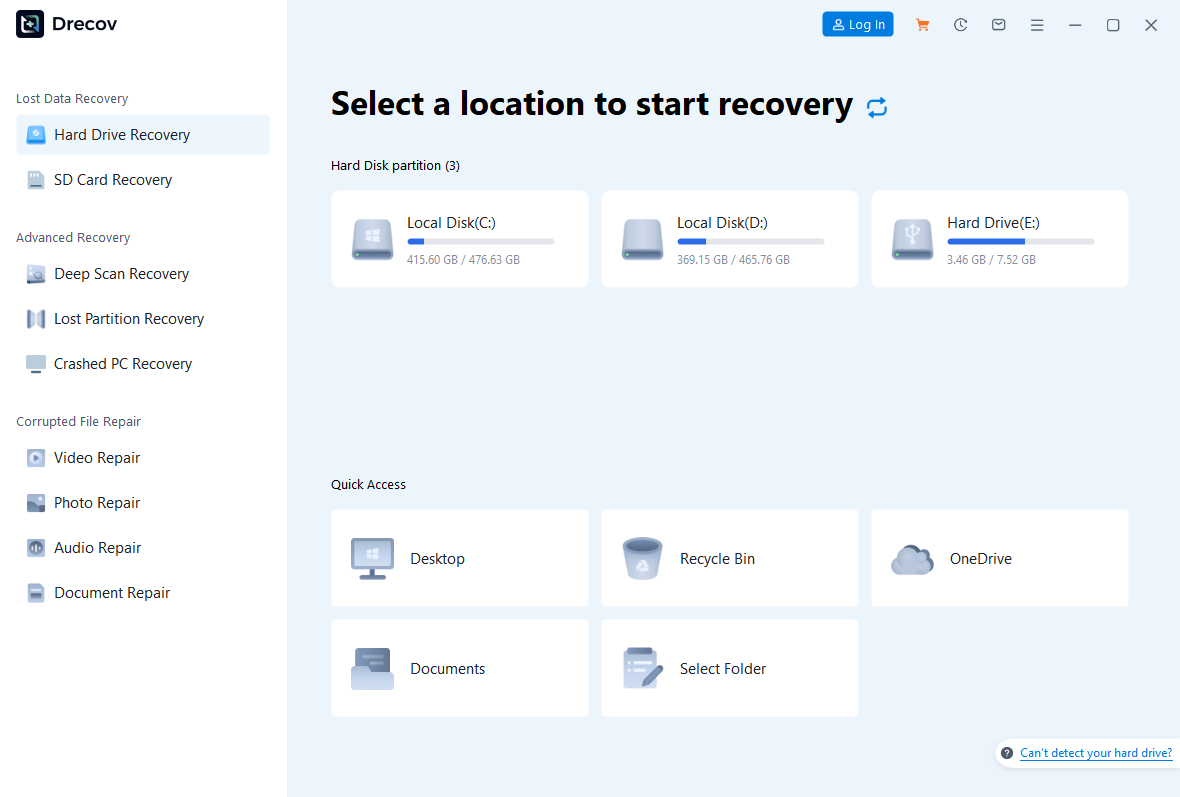
- Step 1: Selection. Launch the program and select the specific partition or folder where your files were originally stored.
- Step 2: Start the Scan. Click the “Scan” button. The software will perform a Quick Scan followed by a Deep Scan to locate fragmented files that standard system tools cannot see.
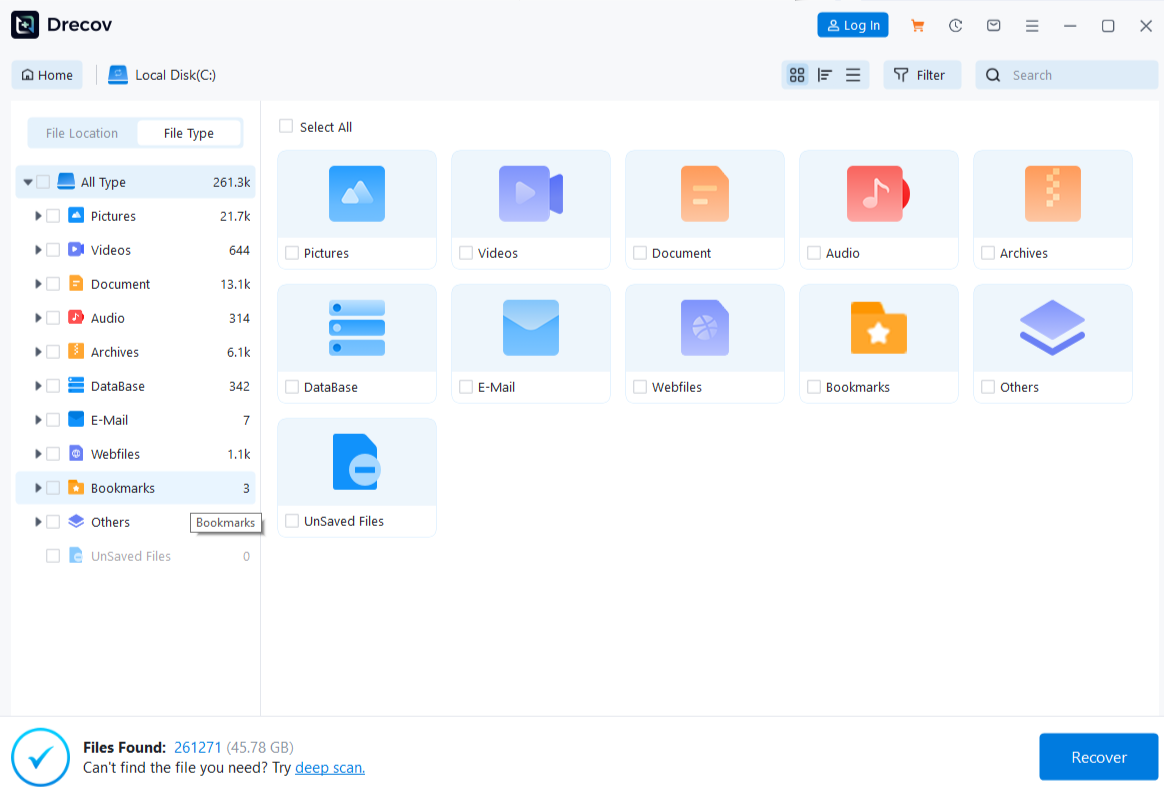
- Step 3: Preview the Results. Once the scan is complete, use the file filter to find specific formats (like .docx, .pdf, or .txt). PandaOffice Drecov allows you to preview files to ensure they are not corrupted before you commit to the recovery.

- Step 4: Secure Recovery. Select the files you wish to save and click “Recover.”
Warning: Always save recovered data to a different physical drive or a cloud storage service to prevent overwriting the original sectors.
After you have successfully recovered your files, it is vital to set up preventative measures to avoid future data loss.
- How to create a Windows 10 recovery disk complete step-by-step guide
- How to create a recovery partition in Windows 10
- OneDrive Windows 10 not syncing
Why ChatGPT Threads Matter
Context Awareness and Memory
Threads are the backbone of ChatGPT’s contextual intelligence. Without them, the AI would behave like a goldfish, forgetting everything after each message. The thread structure allows continuity, enabling richer and more coherent conversations. Researchers studying conversational AI have emphasized how multi-turn dialogue systems rely on context retention to maintain relevance.
Better Organization for Different Topics
One underrated advantage of new threads is organization. Modern users often juggle multiple responsibilities at once. You might use ChatGPT for schoolwork in the morning and content writing in the afternoon. Separate threads help keep these tasks isolated and searchable. Imagine if every email you ever received was stuffed into one endless chain—it would be a nightmare. Threads solve this by creating logical boundaries.
New Thread vs Continuing an Existing Chat
Advantages of Continuing the Same Thread
Continuing the same thread provides the AI with a “long-term” memory of the current task. If you are building a website, staying in the same thread lets ChatGPT remember your coding language, design preferences, and previous troubleshooting steps. This can save significant time because you do not need to repeat information constantly.
Advantages of Starting Fresh
A fresh thread creates mental and technical clarity. The AI focuses only on the new topic rather than juggling unrelated information from older discussions.
- Improving Accuracy: Fresh threads minimize “hallucinations” caused by conflicting data in long chats.
- Speed: Shorter threads typically load faster and respond with higher precision.
- Privacy: If you are switching from a work topic to a personal one, a new thread ensures the data remains segregated.
How ChatGPT Remembers Information
Thread-Based Context
Most of ChatGPT’s memory comes from thread context rather than permanent awareness. The AI examines the preceding messages (up to its “context window” limit) to generate responses. If you ask the AI to “summarize the above,” it looks through the current thread. Understanding what is meant by a new thread in chatgpt is essentially understanding where the AI’s “working memory” begins and ends.
Memory Features and Saved Preferences
In 2026, OpenAI has further refined the “Memory” feature, which allows the AI to carry specific facts across different threads. For example, if you tell ChatGPT you prefer Python for coding, it might remember that even when you start a new thread. However, the specific details of a project within a thread are still contained strictly within that thread.
Common Reasons People Create New Threads
Work and Productivity
Professionals frequently use separate threads to organize tasks. A digital marketer might maintain different chats for SEO, advertising, and email campaigns. This workflow improves efficiency because you can return to a specific thread weeks later and the AI still “knows” the project’s background.
Personal Conversations and Creativity
Outside work, people use threads for journaling, storytelling, and learning. Some users maintain ongoing conversations focused on fitness goals or creative writing. By keeping these separate, you ensure that your workout routine doesn’t accidentally influence a science fiction story you are writing in another thread.
Best Practices for Using New Threads Effectively
To get the most out of your AI experience, you should manage your threads like a professional filing system.
| Task Type | Recommended Strategy | Reason |
| Brainstorming | New Thread | Prevents old ideas from limiting new creativity. |
| Code Debugging | Continue Thread | The AI needs the previous error logs to find the fix. |
| Multi-Part Essay | Continue Thread | Maintains consistent tone and vocabulary. |
| Quick Fact Check | New Thread | Keeps your history sidebar clean and organized. |
Improving AI Accuracy
If the AI begins to give repetitive or circular answers, it is a sign that the current thread is “bloated.” The best practice here is to copy the most important points, start a new thread, and paste those points as the starting context. This refreshes the AI’s attention and usually results in much higher quality output.
Conclusion
A new thread in ChatGPT simply means starting a fresh conversation with separate context and history. While the idea sounds technical, it is really just a practical way to organize discussions, improve AI accuracy, and keep projects manageable. Whether you are using it for complex coding or simple recipes, mastering the thread system is the key to becoming an AI power user.
By balancing your use of threads with proper data safety—such as using PandaOffice Drecov to protect your local files—you can create a digital workflow that is both highly efficient and remarkably resilient. As AI continues to evolve, the way we manage these “strings of thought” will define how effectively we can collaborate with technology.






